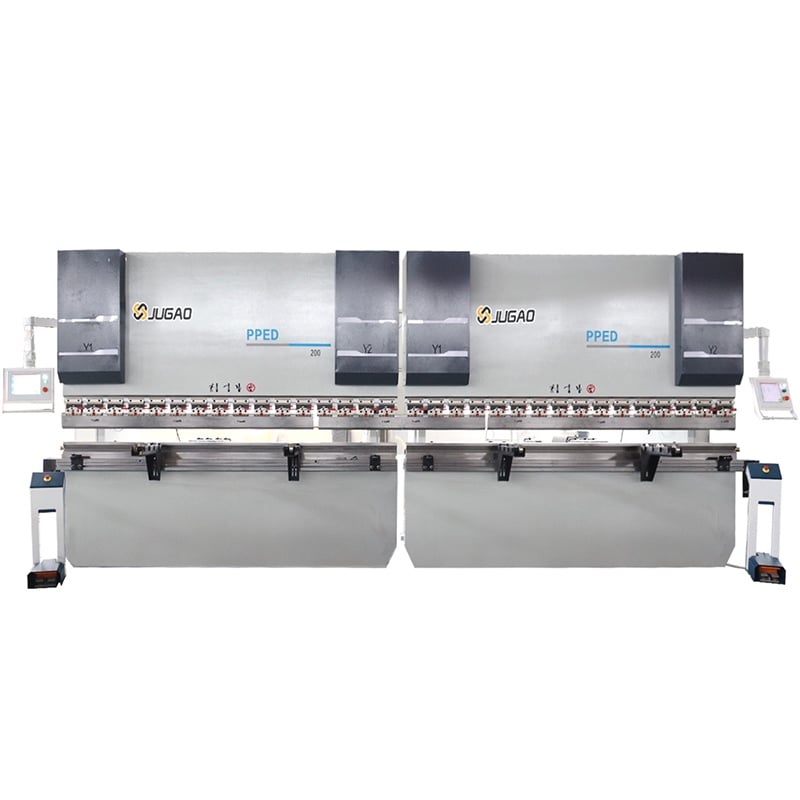
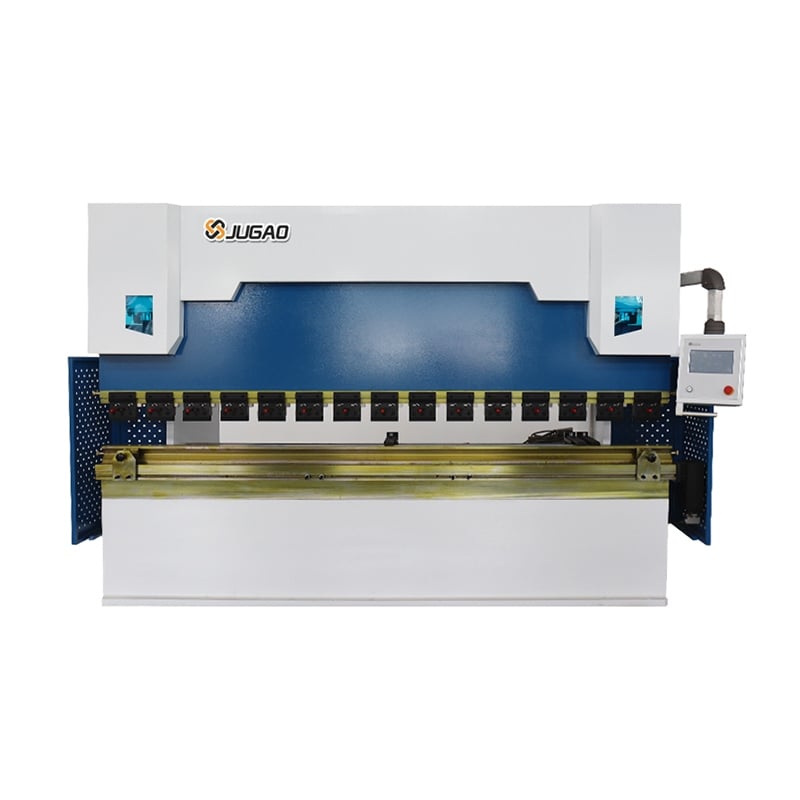
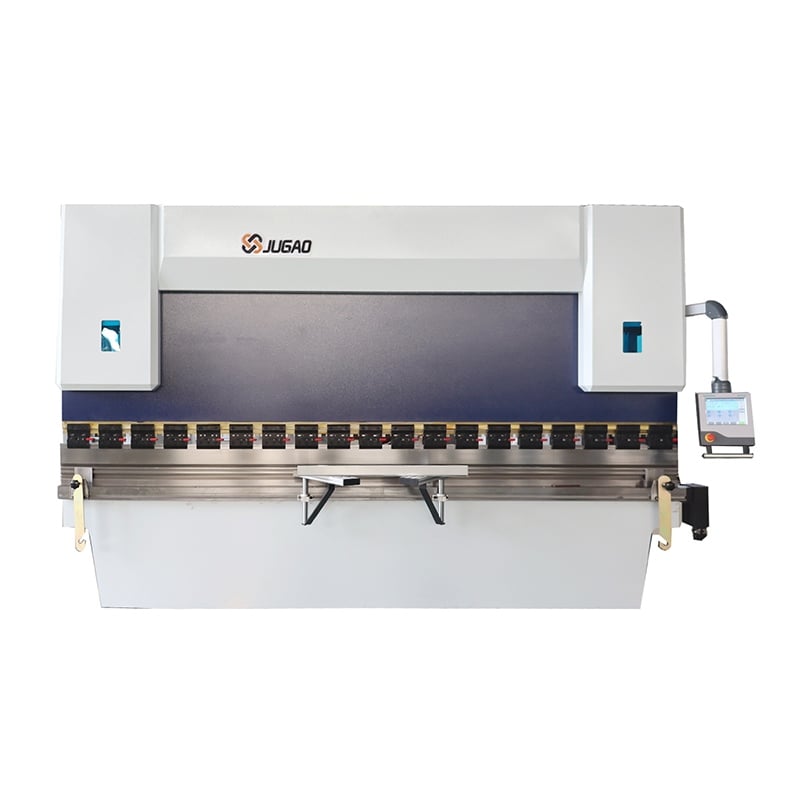
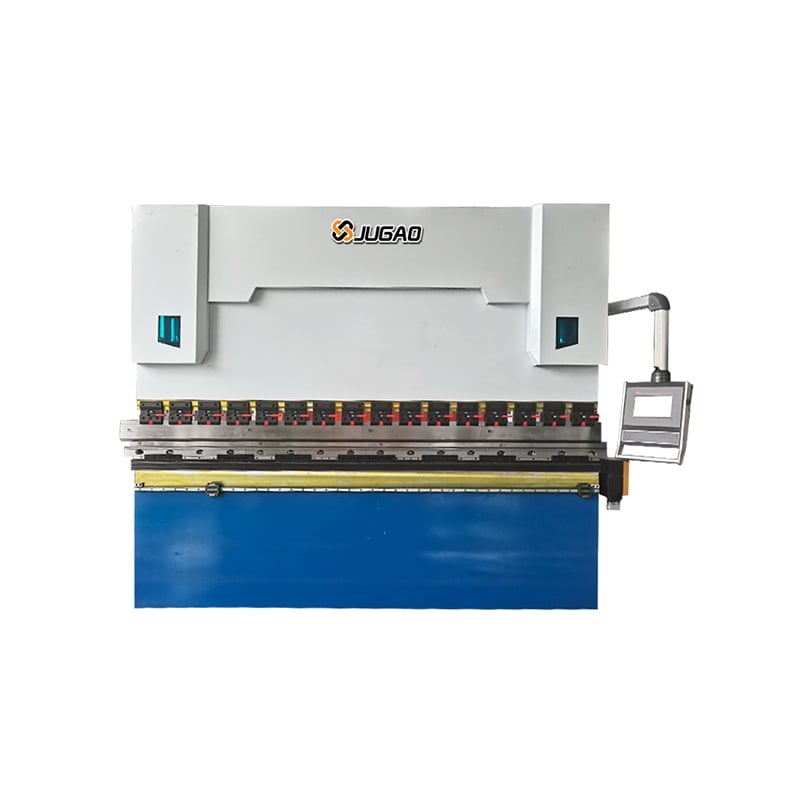
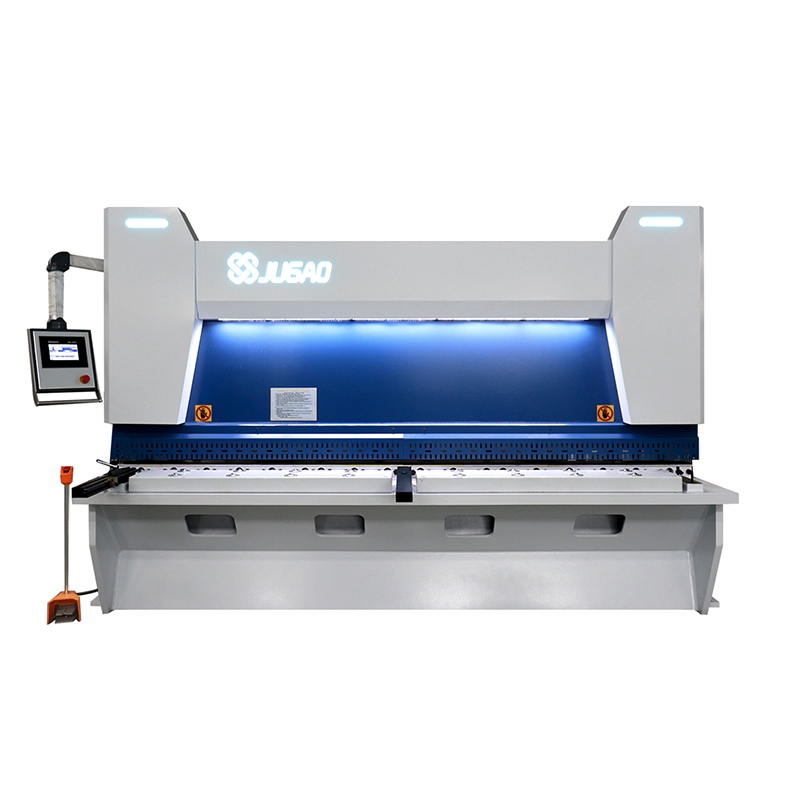
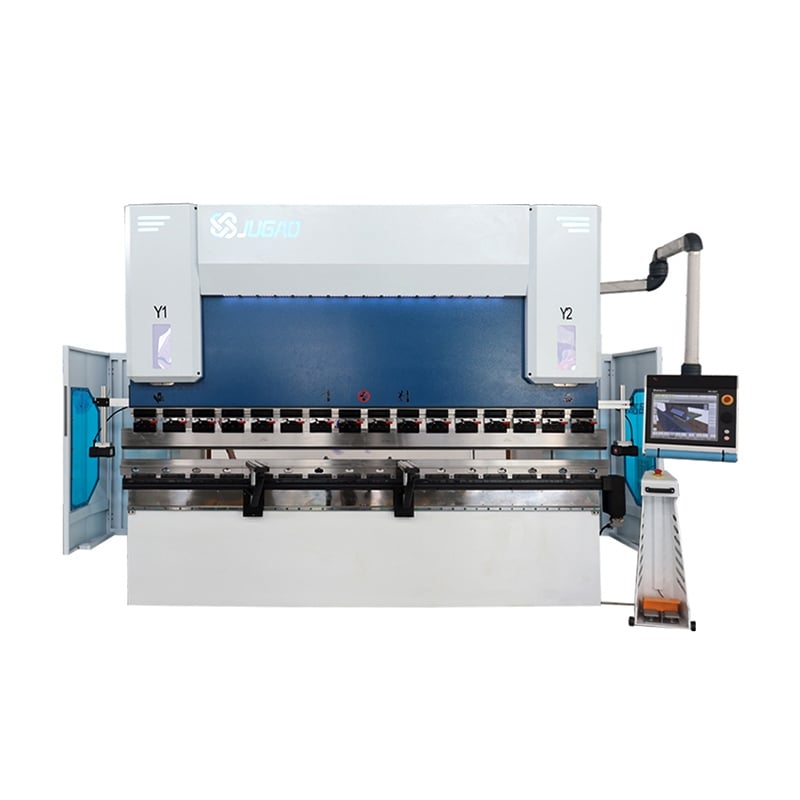
Երբեք չի հանդիսացել ձեզ մտահոգ թե ինչպես է աշխատում CNC ծագումը արագորեն։ Դա իրականում շատ հետաքրքիր է տեսնել, թե ինչպես է այս մոտեցումը կարող ստանալ բարդ մետաղական ձևեր, որոնք օգտագործվում են սկսած ավտոմոբայլի մասնիկների ստեղծումից մինչև հանդիսական արվեստի սկուլպտուրայի ստեղծում։ Այս հոդվածում մենք կնայենք խորացի դիտարկում CNC ծագման վրա և կսովորենք ավելի շատ նրա առավելությունների և նվազագույնների մասին։
CNC կորումը ստորագրված գործողություն է, որը օգտագործում է CNC (հաշվիչով թվային կառավարման) մեքենաներ՝ մետաղը ձևափոխելու համար որպեսզի ստացվեն որոշակի ձևեր: Եվ այն ակրոնիմ, որը դա գործունեությունը կատարում է՝ ավելի սովորական կամ ավելի հանգիստ բանալություններով, այն է՝ CNC (Computer Numerical Control): Այս տեխնիկական գործառույթը թույլ է տալիս մասնագետ ճարտարագետին մուտքագրել ճշգրիտ թվեր յուրաքանչյուր պարամետրի համար՝ որպեսզի այս մեքենան ձևավորի ցանկացած արտադրությունը մետաղից մեկ համեմատական և համոզված հարթությամբ։ Սա տալիս է շատ փոքր սխալների սահմանները, ուստի ստացված ձևերը ճշգրիտ են մինչև ստանդարտացված միլիմետր:
Աերային ծողումը միացված կորդելի տեխնիկական մեթոդներից մեկն է CNC ծողումում: Այս մեթոդով, մաքինան օգտագործում է շարք մոտավոր համակարգեր՝ ճառագայթի վրա ճնշում արտադրելու և անցկացնելու այն անհա konkret ձև: Հանգունելի մասը այն է, որ մոտավոր համակարգերը չեն փոgnore ճառագայթին, տեղադրելով ձեզ կառաջ ինչքան կորդելի անկյուն ցանկանում եք՝ օգտագործելով այդ հեռավորությունները մի մոտավից մյուսին: Դատապարտ կառավարումով այդ հեռավորության վրա և թե որքան ուժով դուրս է բաժանվում դերադրությունը երկու կողմերում, տեխնիկոսը կարող է ստեղծել մանրամասների մակուր մակարդակներ մի քանի սպեցիֆիկ ձևերում հեշտությամբ:
Երկրորդ կարևոր արդյունքը նշանակում է CNC ծողումի մեքենաների օգտագործումը դիզայնային ծրագրերում: Ճառագայթը տեղադրվում է ծողումի գործողության միջոցով, երբ փորձունակ դիզայների մասնագետները ներկայացնում են այն և ստեղծում են ավանդական կառուցվածք՝ նշելով, թե ինչպես պետք է նայել ձևը: Այս ծրագիրը իր հերթում ստեղծում է հրամանները, որոնք CNC մեքենան կօգտագործի ճառագայթի ծողումների համար: Սովորական դիզայնային ծրագիրները նաև կարևոր են՝ դուրս գալու համար ստանալով ստանդարտ և ճշգրիտ արդյունք յուրաքանչյուր անգամ:
CNC ծագումը սեղանի տեխնոլոգիա է, բայց արդեն սկսել է իր ճանապարհը արտադրության դիմավորումը փոխելու համար: Այն ունիqw միակ ճշգրտություն, որը идеալ է մեքանիզմների, մաքսային և անհաշվ այլ մեխանիկական բաղադրիչների մասնիկներ արտադրելու համար: Երկար ժամանակ այս բոլորը ձեռնարկվում էին, հին գործընթաց, որը վերցնում էր անվերջություն և արդյունքում էր մասնիկների ստացումը, որոնք տարբերվում էին ոչ միայն յուրաքանչյուր տարի, այլ ինքն իրենց ցանցից անգամ:
CNC ծագումի գործընթացում, որտեղ միայն մեկ անկյունի փոփոխությունը իրենց ստեղծողներին տալիս է 10 րոպե դադարության ժամանակ և կարող է ավելացնել մոտ երկու րոպե արտադրողական โրդում (եթե ցանկանում եք երկու մասնիկ արագացնելու վրա)՝ առանց այն կոճակի սեղմելու: Սա ոչ միայն ժամանակ է խանում, այլ նաև նվազում է սխալների և սխալների հավանականությունը: Ավելի ուշ, արդյունքավորությունը դեպի միայն ավելի շատ ձեռնարկների մեջ չի ձգտում, այլ նաև ավելացնում է արտադրության արդյունքավորությունը, որը թույլ է տրվում գործարաններին ավելի շատ նյութ արտադրելու համար պակաս աշխատողների հետ, որը իր հերթին սպասարկում է արժեքները և արդյունավետությունը:
Մյուս ծավալին երկար գործարարական կիրառման ցանցում, մենք տեսնում ենք CNC ծողոդումը, որը մոտենում է ստեղծական ոլորտներին, որտեղ այն ավելի շատ չի բացահայել։ Այս տեխնիկան օգտագործվում է արվեստագետների կողմից, ովքեր ստեղծում են որոշակի գեղեցիկ մետաղապատ աշխատանքներ, ինչպես և մոդային դիզայների մասնագետների կողմից, որոնք օգտագործում են այս տեխնոլոգիան սեփական դիզայնի վրա հիմնված վարդապետական և ակսեսուարներ ստեղծելու համար։ Կարա amat դիրքերը թույլատրում են CNC ծողոդման շատ տարբեր գործարարություններում։
Այնուհետև ինչպես է աշխատում CNC ծողոդումը այդ արագացող վարդապետությունը։ Առաջին քայլը՝ ձեր ցանկացած վերջնական ձևի կառուցումն է, ապա օգտագործելով որոշակի դիզայնային ծրագիր։ Երբեմն դիզայնը հաստատված է, տեխնիկոսը ձեր մետաղապատը դրանք մեկ մեր CNC ծողոդման մաքսին վրա։
Այս համակարգավոր սարքը բաղկացած է երկու հիմնական մասերից, որոնք ենթադրաբար վերևի և ստորևի ձեռներն են: Դպրոցականը հետո ծրագրավորում է մաքինան այս ձեռնի դեպքում ուժ կիրառելու համար, թերթի աղյուսակը (երկու ձեռների միջև) ձողեցնելով ձևով: Դպրոցականը կարող է փոխել այս ձողեցման անկյունները և շառավղերը՝ փոխելով ձեռնից ձեռնի հեռավորությունը կամ կիրառելով որոշակի քանակությամբ ուժ։
Երբ թերթը դեռ ձողեցված է, այն հանվում է մաքինայից և զգալիորեն ստորագրվում է ստորագրությունների կամ տարբերությունների համար իր իրական չափումներից դիզայնից։ Եթե բոլոր փորձարկման կրիտերիոնները բավարարված են, այդ մասը համարվում է հավասարակշռված իր նպատակային օգտագործման համար։
CNC ձողեցման դեռությունները և բացառությունները ឧստից օգտագործման դեպքերի համար
Wie wir gesehen haben, gibt es genügend Vorteile bei der Verwendung von CNC-Biegeanwendungen in der Industrie. Nicht nur spart seine Präzision, Konsistenz und Effizienz Zeit/Geld, sondern sie hebt auch die Produktqualität. Zweitens ist das CNC-Biegen ein sehr vielseitiger Prozess, der Herstellern ermöglicht, Komponenten zu erstellen, die auf ihre spezifischen Anforderungen zugeschnitten sind.
Trotzdem gibt es einige Einschränkungen in dem Prozess. Eine wichtige Einschränkung ist, dass schlechtes Biegen nur bei Blechmetall angewendet werden kann. Alternativ muss für jedes Teil, das kumulative Winkel benötigt und gebogen werden muss, auf andere Fertigungsprozesse zurückgegriffen werden. Auch können die Werkzeugkosten für CNC-Biegen hoch sein, was kleinere Unternehmen oder Einzelpersonen davon abhalten könnte, davon zu profitieren.
Անհավանականում, այդ սահմանափակումների դեպքում CNC ծողոցումը մնում է ուժեղ գործիք շատերի համար ժամանակակից սանդղակային և մետալաշխարհագրական գործարարությունների համար: Տեխնոլոգիայի արագ զարգացման հետ միայն ժամանակ է բացառվում, belum մենք տեսնենք այդ արտադրանքի զարգացումները, որոնք éli ավելի լավ ամբողջական փորձը: Օրինակ, որոշ ษուականուները հերթականությամբ հետազոտում են լազերների օգտագործումը՝ ծողոցման գործընթացը ուղղելու համար՝ արդյոք արդյոք ճշգրտությունը անհամեմատ մակարդակներում հասնելու համար:
Լավագույն պարապմունքների հետ համատեղելը կարող է օգնել սանդղակային գործիչներին արդյոք արդյոք արդյոք CNC ծողոցումից ստանալ: Տեխնոլոգիան, որը օգտագործվում է լավագույն سویսական շարժումների արտապատկերական ժամերի համար, ներառում է բարձրամակարդ նյութեր, ճշգրիտ կարգավորված մեքենաներ և անընդհատ ստորագրություններ կամ պահուսումից ստորագրություններ՝ ապահովելու համար ֆունկցիոնալությունը:
Վերջում, CNC ծագումը շատ դիրքերից հետևաբար հետաքրքիր գործընթաց է։ CNC ծագումը ամենավոր հնարավորություններ է կարող առաջացնել մեզ, եթե մենք ենք արվեստագետ, ով ցանկանում է ստեղծել մաստերպիեսեր սկուլպտուրայի ձևով, կամ մոդային տուն, որը զբաղվում է մասնավոր ակցեսուարների ստեղծմամբ, կամ նաև օգտագործվում է մեխանիկական ինժեների կողմից շատ բարդ կոմպոնենտներ տպելու համար։ Այս լրիվ գիրքը նպաստակ է տալիս լավ հասկացություն CNC ծագման մասին և նրա տարբեր օգտագործումների մասին։
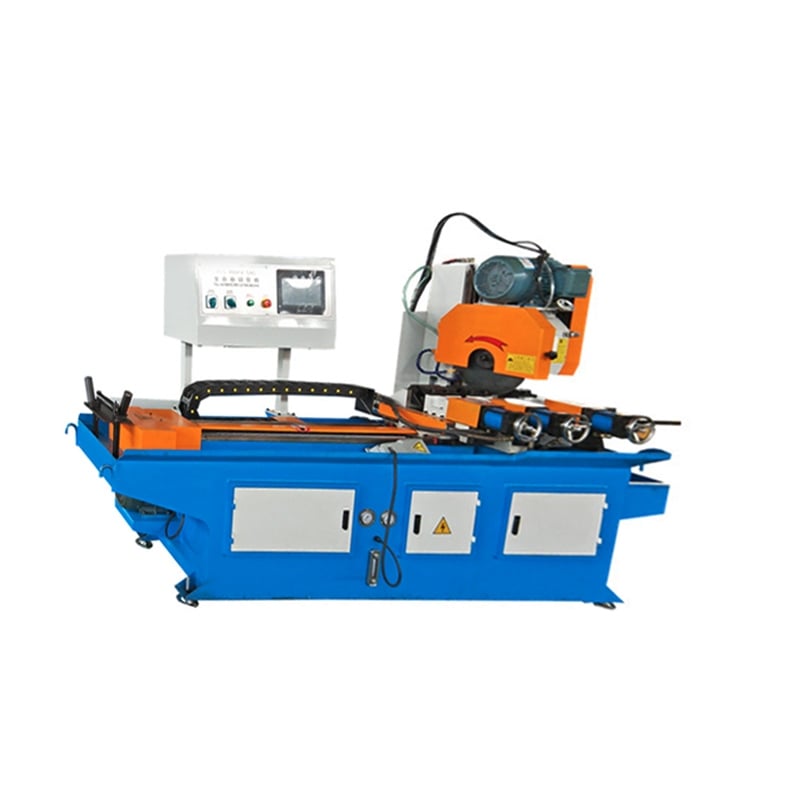
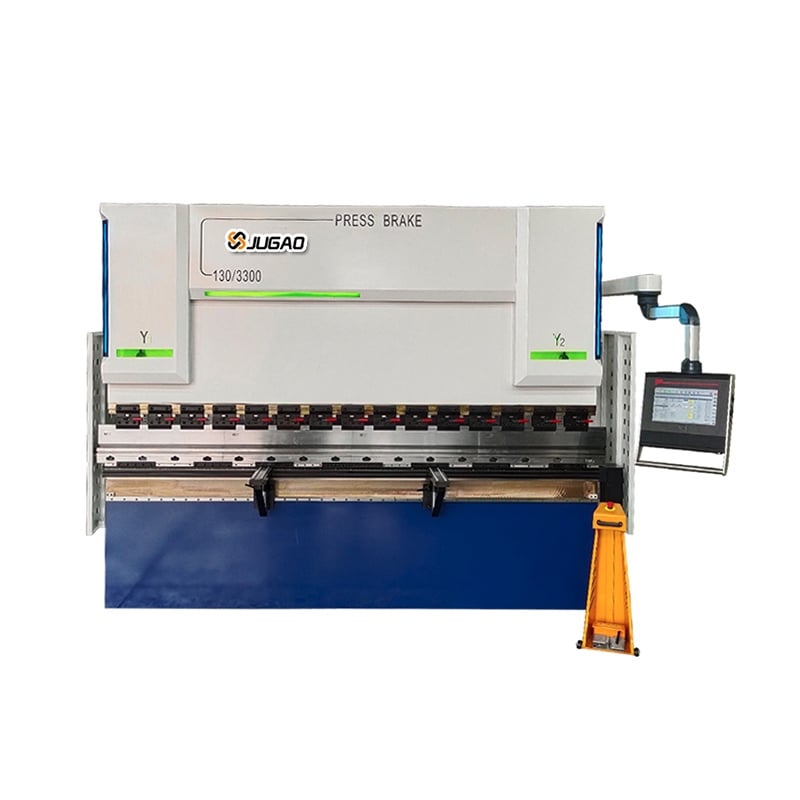
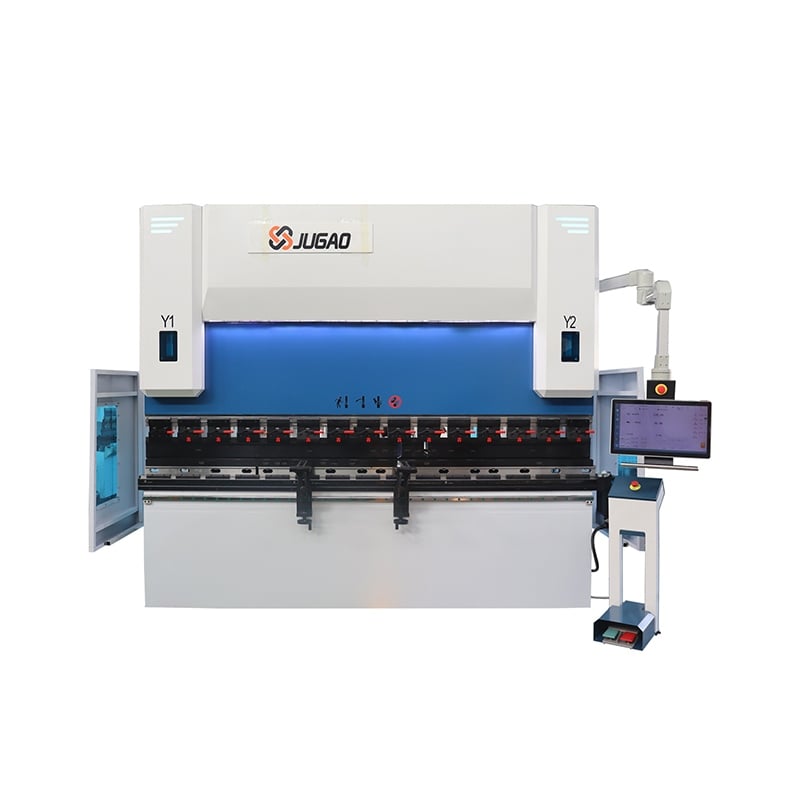
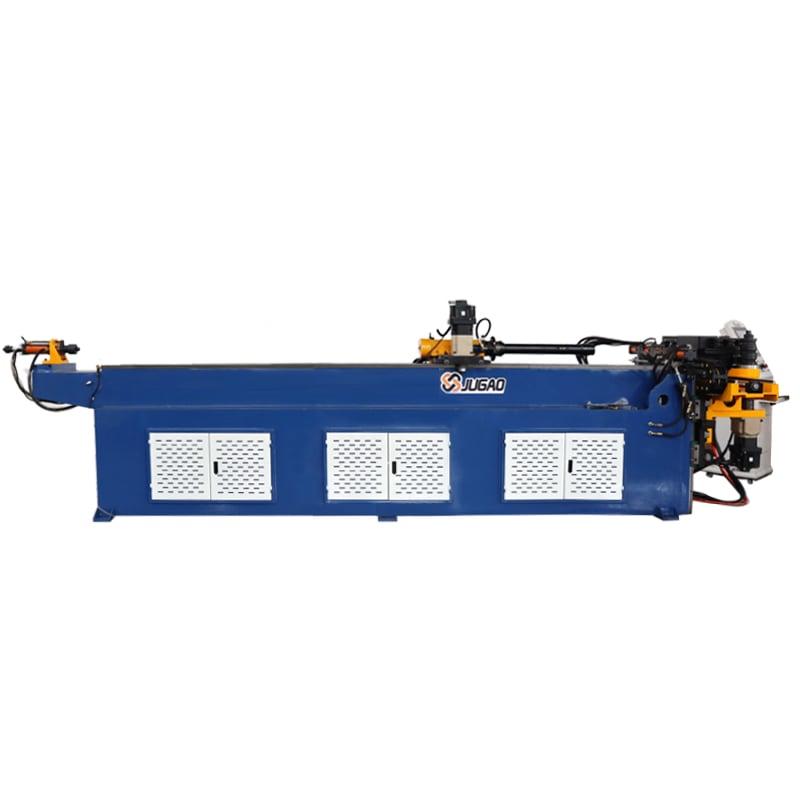
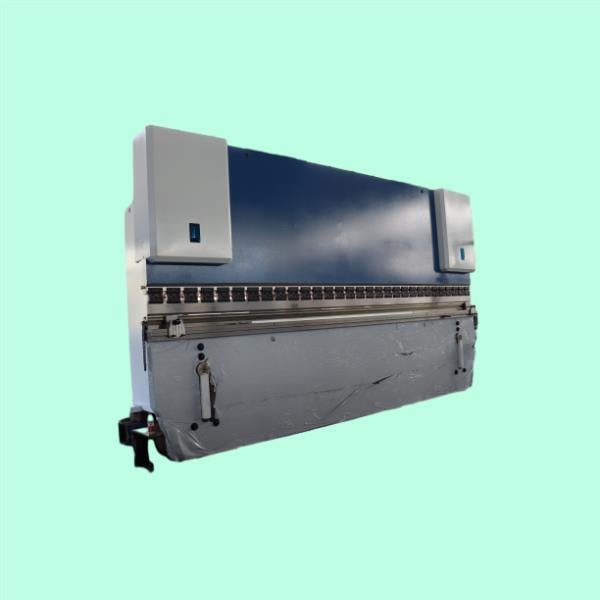
Ճնշման սեղմակները՝ հարմար բարդ ծռման գործընթացների համար, ճշգրտության բարձր մակարդակի շնորհիվ լազերային կտրման մեքենաները կարող են մշակել տարբեր նյութերի լայն շարք՝ շնորհիվ իրենց ճշգրիտ կտրման հնարավորությունների: Ծռման մեքենաները՝ հիասքանչ CNC ծռման հնարավորություններով և արդյունավետ արտադրությամբ, բավարարում են հսկայական տարբերակների հաճախորդների պահանջները: Շղթայավորման մեքենաները օգտագործվում են զանգվածային արտադրության մեջ՝ ապահովելով հարմարեցվելու և կայունության հնարավորությունները: Այս մեքենաները մարմնավորում են արդյունաբերության մեջ ժամանակակից արդյունաբերական տեխնոլոգիայի էությունը և արդյունավետորեն արձագանքում են տարբեր մարտահրավերների՝ ճշգրտության, արագության և ճկունության մակարդակներում:
CNC ծռման մեքենաների արտադրողները հասկանում են վերջնական վաճառքի աջակցության կարևորությունը և հետազոտությունների ու մշակման (R&D) ոլորտում անընդհատ նորարարություններ են իրականացնում: Մենք առաջարկում ենք լիարժեք վերջնական վաճառքի ապրանքների տեսականի, այդ թվում՝ իսպաներեն խոսող վերջնական վաճառքի սեղմակներ և այլ ապրանքներ: Մենք շարունակում ենք ներդրումներ կատարել ապրանքների մշակման, տեխնոլոգիայի մոդերնիզացիայի և նորարարությունների ոլորտում: Դա մեզ օգնում է հարմարվել անընդհատ փոխվող հաճախորդների պահանջներին և պահպանել մեր առաջատար դիրքը շուկայում:
Որակը ստեղծում է վստահություն. CNC ծալման սարքերը մետաղային թերթերի համար մշակված են մեծ հավատարմությամբ վերահսկելու որակի վերահսկումը՝ ապահովելու սարքի համապատասխանությունը արդյունաբերության ստանդարտներին: Մենք ձգտում ենք մատակարարել մեր հաճախորդներին ամենաբարձր որակի արտադրանքներ: Լազերային կտրող սարքեր, ճնշման տակ ծալող սարքեր (press brakes), խողովակների ծալման սարքեր և մետաղային թերթերի գլանման սարքեր: Արագ շուկայական ռեակցիա. օգտագործելով արդյունավետ արտադրություն և մատակարարման շղթայի կառավարում, մենք կարող ենք արագ բավարարել շուկայի պահանջները: Բավարար պաշարների առկայության դեպքում առաքման ժամանակը կարճացվում է մեկ շաբաթով, ինչը հնարավորություն է տալիս արագ ձեռք բերել սարքավորումներ և ստանալ շուկայական առավելություն:
Գլանման սարքերը CNC ծալման մետաղային թերթերի ձևավորման համար ապահովում են բարձր որակի արտադրություն: Խողովակների ծալման սարքերը առաջարկում են ճկուն լուծումներ խողովակների ծալման համար: Մեր արտադրանքի տողը կենտրոնացած է ճշգրտության, արդյունավետության և կայունության վրա, ինչը հնարավորություն է տալիս հաճախորդներին մեծացնել արտադրանքի արդյունավետությունը և բարելավել արտադրանքի որակը: