





Laser Cutting Machine Rails Maintenance Guide
SEO Configuration
SEO Title: How to Maintain Laser Cutting Machine Rails | JUGAO Guide
Meta Description: Learn how to clean, inspect, lubricate and align laser cutting machine rails to maintain cutting accuracy, reduce wear and prevent downtime.
Focus Keyword: laser cutting machine rails maintenance
Secondary Keywords: laser guide rail maintenance, linear guide lubrication, laser cutter rail alignment, CNC rail inspection
Suggested URL Slug: /laser-cutting-machine-rails-maintenance/
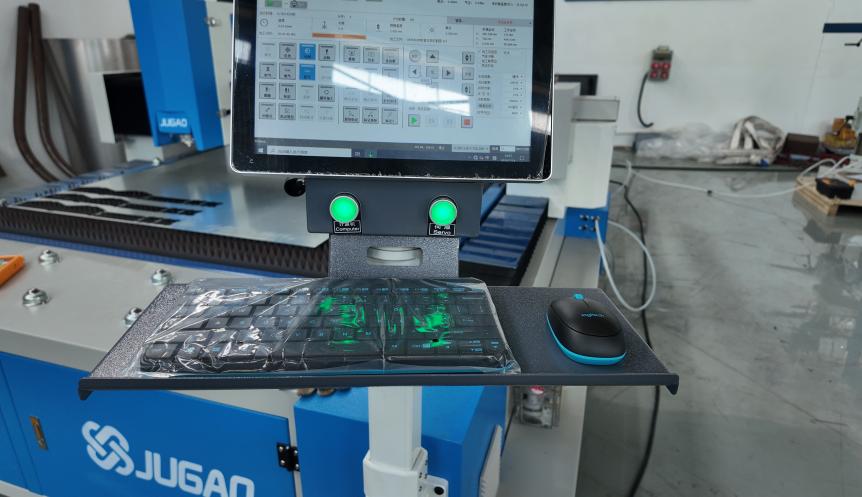
How to Maintain Laser Cutting Machine Rails
The guide rails of a laser cutting machine determine how accurately and smoothly the cutting head moves across the work area. When the rails are contaminated, poorly lubricated, worn or out of alignment, the machine may develop vibration, positioning errors and inconsistent cut quality. Because these problems usually become more expensive over time, routine rail maintenance should be treated as a core part of preventive machine care.
This JUGAO guide explains why rail maintenance matters and presents a six-step procedure covering cleaning, inspection, lubrication, alignment checks, linear block evaluation and maintenance scheduling. The original technical sequence has been retained, while the wording and paragraph structure have been completely rewritten to create an independent English version.
Table of Contents
1. Why Laser Cutting Machine Rail Maintenance Matters
Impact on Cutting Accuracy
Effect on Machine Service Life
Risk of Production Downtime
2. Step-by-Step Rail Maintenance Guide
Step 1: Clean the Rails Thoroughly
Step 2: Inspect for Wear and Damage
Step 3: Apply the Correct Lubricant
Step 4: Check Rail Alignment
Step 5: Inspect Linear Bearings and Guide Blocks
Step 6: Establish a Maintenance Schedule
3. Common Rail Problems and Solutions
4. Best Practices for Long-Term Rail Care
5. Frequently Asked Questions
6. Conclusion
Why Laser Cutting Machine Rail Maintenance Matters
Impact on Cutting Accuracy
The rails control the travel path of the cutting head. Dust, metal particles, surface damage or misalignment can alter this path and create small positioning deviations. Those deviations may appear as uneven contours, inaccurate holes or inconsistent dimensions, particularly during high-speed or high-precision cutting.
Effect on Machine Service Life
Contaminated or insufficiently lubricated rails create additional friction between the guide surface and the linear blocks. Over time, this accelerates wear on the rails, bearings, drive components and related motion assemblies. Consistent maintenance reduces unnecessary load and helps preserve the service life of the machine.
Risk of Production Downtime
Rail faults often develop gradually, but they can eventually lead to alarms, rough movement or complete axis failure. Detecting contamination, looseness or wear during planned inspections is significantly less disruptive than repairing the motion system after an unexpected shutdown.
Step-by-Step Laser Cutting Machine Rails Maintenance Guide
Step 1: Clean the Rails Thoroughly
Begin by removing visible dust, metal particles, oil residue and other debris from the rail surfaces. Use a clean lint-free cloth and a cleaning product approved for the machine. Wipe along the rail in a controlled direction so that contaminants are collected rather than spread across the guide path.
Avoid directing high-pressure compressed air into the rail assembly because it may force particles beneath seals or into the linear block. If protective bellows or covers are installed, inspect and clean them as well so contamination does not return immediately after maintenance.
Step 2: Inspect for Wear and Damage
Examine the full accessible length of each rail for scratches, corrosion, impact marks, pitting or uneven wear. Also inspect the mounting area for loose hardware or evidence that the rail has shifted. Surface defects can interfere with smooth movement and may indicate that contamination or lubrication problems have been present for an extended period.
Minor residue should be cleaned and reassessed. Visible structural damage, deep scoring or severe corrosion should be evaluated by qualified service personnel before the machine returns to production.
Step 3: Apply Proper Lubrication
Use only the lubricant specified for the relevant JUGAO machine and linear guide system. Apply it through the designated lubrication points or according to the machine manual. The goal is to create a consistent protective film that reduces friction without leaving excessive material on exposed surfaces.
Over-lubrication should be avoided because excess grease or oil can attract dust and metal particles. After lubrication, move the axis through a controlled travel cycle so the lubricant is distributed evenly across the guide blocks and rail surfaces.
Step 4: Check Rail Alignment
Misaligned rails can create binding, vibration, increased drive load and inaccurate cutting. Check movement quality across the full travel range and look for areas where resistance or noise changes. When alignment verification is required, use appropriate precision measuring tools and follow the machine specifications.
Rail adjustment should be performed by trained technicians because incorrect correction can introduce additional geometric errors. After any alignment work, verify positioning accuracy and cutting results before resuming normal production.
Step 5: Inspect Linear Bearings and Blocks
Linear guide blocks and bearings should move smoothly without abnormal play, noise or resistance. Inspect seals, lubrication ports and mounting bolts. A damaged seal may allow contaminants to enter the bearing path, while looseness can affect both motion stability and accuracy.
If the axis produces grinding sounds, vibration or inconsistent resistance, the guide block may require cleaning, lubrication, adjustment or replacement. Do not continue high-speed operation until the cause has been identified.
Step 6: Establish a Maintenance Schedule
Rail maintenance should follow a defined cycle rather than being performed only after a problem appears. In many production environments, daily cleaning, weekly lubrication checks and monthly detailed inspections provide a practical starting point. The interval should be adjusted according to operating hours, material type, dust level and production intensity.
Record each cleaning, inspection, lubrication and repair. A maintenance history makes it easier to detect recurring wear patterns and plan component replacement before failure.
Common Laser Cutting Rail Problems and Solutions
Rail Contamination
Dust and metal particles are among the most common causes of rough rail movement. Improve housekeeping, maintain protective covers and clean the rails at the required interval. If contamination repeatedly returns, inspect nearby cutting debris paths and extraction performance.
Insufficient Lubrication
Low lubrication increases friction, temperature and wear. Confirm that the correct lubricant is being used and that all lubrication points are receiving material. Blocked fittings or damaged delivery lines should be repaired immediately.
Rail Misalignment
Uneven travel, abnormal vibration and inconsistent geometry may indicate alignment problems. Stop the machine, inspect mounting points and arrange a precision alignment check. Recalibration may also be required after mechanical correction.
Best Practices for Long-Term Rail Maintenance
Maintain a Clean Working Environment
Regularly remove cutting debris from the machine bed and surrounding area. A cleaner workshop reduces the amount of contamination that can reach exposed rails, seals and linear blocks.
Use High-Quality, Approved Lubricants
Lubricant viscosity, additives and compatibility affect guide performance. Use the product recommended for the machine instead of substituting a general-purpose grease or oil.
Monitor Machine Performance
Operators should report unusual noise, vibration, resistance, positioning alarms or changes in cut accuracy. Early investigation often prevents a small rail problem from damaging the wider motion system.
Frequently Asked Questions
How often should laser cutting machine rails be maintained?
Basic cleaning should be performed daily in dusty or high-production environments. Lubrication should be checked regularly, and a detailed inspection should be completed monthly or according to operating hours and the JUGAO maintenance schedule.
What lubricant should be used on laser cutting machine rails?
Use the lubricant specified for the exact machine model and linear guide system. An incompatible product may reduce lubrication performance, damage seals or collect excessive contamination.
How can I tell whether the rails need replacement?
Common warning signs include deep scoring, corrosion, excessive noise, repeated vibration, abnormal play and cutting accuracy that does not recover after cleaning, lubrication and alignment correction.
Can compressed air be used to clean the rails?
Direct high-pressure air is not recommended because it can force debris into seals and guide blocks. A lint-free cloth, approved cleaner and controlled low-pressure cleaning method are safer.
Why does over-lubrication cause problems?
Excess lubricant can attract dust and metal particles, creating an abrasive mixture on the rail surface. Apply only the specified quantity.
Who should adjust rail alignment?
Alignment should be checked and corrected by trained maintenance personnel using precision measuring equipment and the machine specifications.
Conclusion
Proper rail maintenance supports accurate cutting, smooth axis movement and long machine life. By following a consistent sequence of cleaning, inspection, lubrication, alignment verification, linear block evaluation and maintenance scheduling, operators can reduce wear and prevent avoidable production interruptions.
JUGAO recommends adapting the maintenance interval to the actual production environment and using only approved lubricants and service procedures. For model-specific guidance, replacement parts or technical support, contact the JUGAO service team and refer to the documentation supplied with the machine.

