





How to Maintain JUGAO Laser Cutting Machine Filters
Table of Contents
• The Core Value of Filters for JUGAO Laser Cutting Equipment
• Safeguarding Precision Internal Components
• Optimizing Air Circulation & Dust Extraction Efficiency
• Prolonging the Overall Service Life of Laser Equipment
• Step-by-Step Operational Guide for Filter Maintenance
○ Step 1: Cut Off All Power Supplies Prior to Any Maintenance Work
○ Step 2: Conduct Routine Visual Inspection of Filter Status
○ Step 3: Carry Out Standardized Filter Cleaning Operations
○ Step 4: Swap Out Aged, Damaged or Severely Blocked Filters
○ Step 5: Full Inspection of the Complete Dust Exhaust Pipeline System
○ Step 6: Formulate a Fixed Recurring Maintenance Cycle
• Standardized Optimal Maintenance Guidelines for JUGAO Laser Filters
○ Adopt Original High-Matching JUGAO Special Filters
○ Adjust Maintenance Frequency According to Cutting Raw Materials
○ Sustain a Dust-Free Neat Production Workshop Space
• Malfunctions & Losses Triggered by Neglecting Filter Maintenance
○ Degraded Cutting Finish & Machining Precision
○ Abnormal Overheating of Core Electrical & Cooling Parts
○ Surge in Power Consumption and Unplanned Repair Expenses
• Frequently Asked Technical Questions
○ What’s the reasonable cycle for cleaning JUGAO laser cutting machine filters?
○ Will dust-clogged filters interfere with the laser cutting dimensional accuracy?
○ Which cleaning approach works best for recyclable laser filter elements?
• Final Summary
When running a JUGAO fiber or CO₂ laser cutting workstation, filter upkeep is an indispensable daily maintenance task that cannot be ignored at any time. These dedicated filter assemblies block metal fume, fine metallic debris and floating micro-particles from touching the machine’s delicate core parts. Once filter maintenance is overlooked, air circulation capacity will drop sharply, cutting surface quality will deteriorate, and the production line will face unplanned halt periods. This article elaborates on standardized maintenance workflows for JUGAO laser cutting machine filters, helping operators boost filtering performance and extend the service cycle of laser cutting gear. All maintenance steps apply universally to JUGAO fiber laser cutters and CO₂ laser cutting systems, supporting continuous, stable and high-efficiency manufacturing operations.
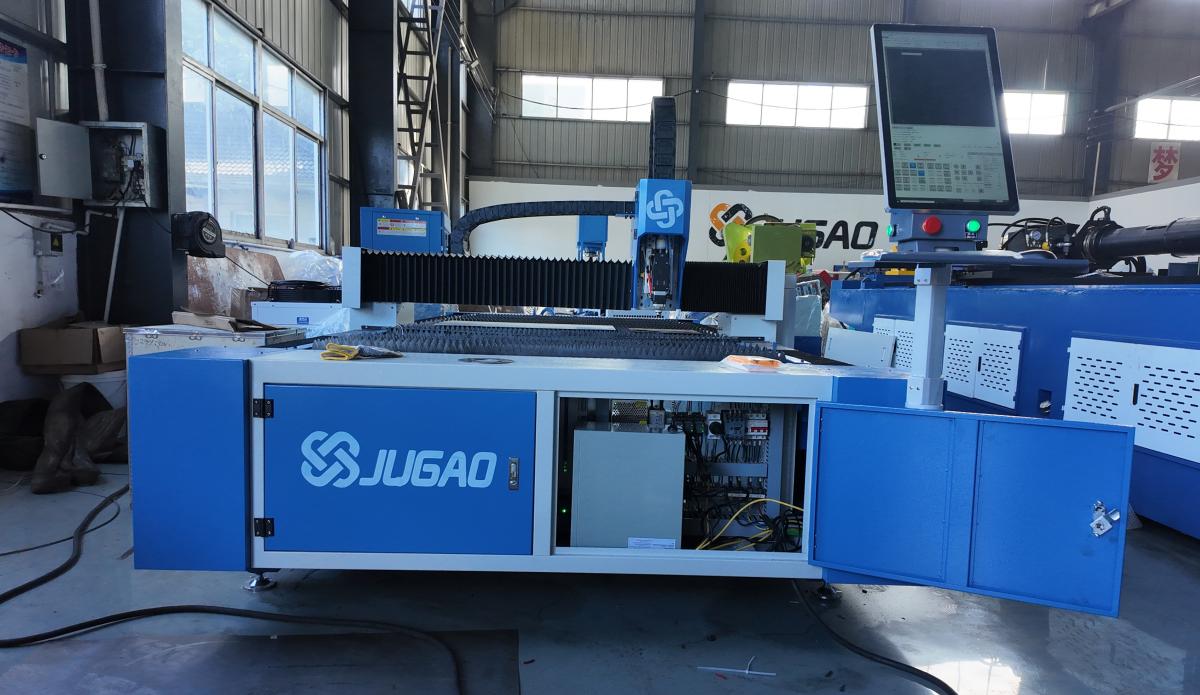
The Core Value of Filters for JUGAO Laser Cutting Equipment
Laser cutting processing will continuously generate massive metal smoke, fine metal powder and suspended particulate pollutants. Without reliable filtering equipment, these impurities will erode internal mechanical structures and bring hidden risks to on-site operational safety.
Safeguarding Precision Internal Components
Clean, unobstructed filters isolate fine dust from fragile core modules, including optical lens assemblies, cooling circulation systems and internal ventilation structures of the JUGAO laser cutter.
Optimizing Air Circulation & Dust Extraction Efficiency
Well-maintained filter units deliver steady, smooth airflow, enabling the dust exhaust device to rapidly clear smoke and cutting residues from the processing zone.
Prolonging the Overall Service Life of Laser Equipment
Severely blocked or dirty filters add extra load to exhaust fans, drive motors and integral dust removal units. Long-term overloaded operation accelerates wear and tear of the whole machine, shortening its usable life.
Step-by-Step Operational Guide for Filter Maintenance
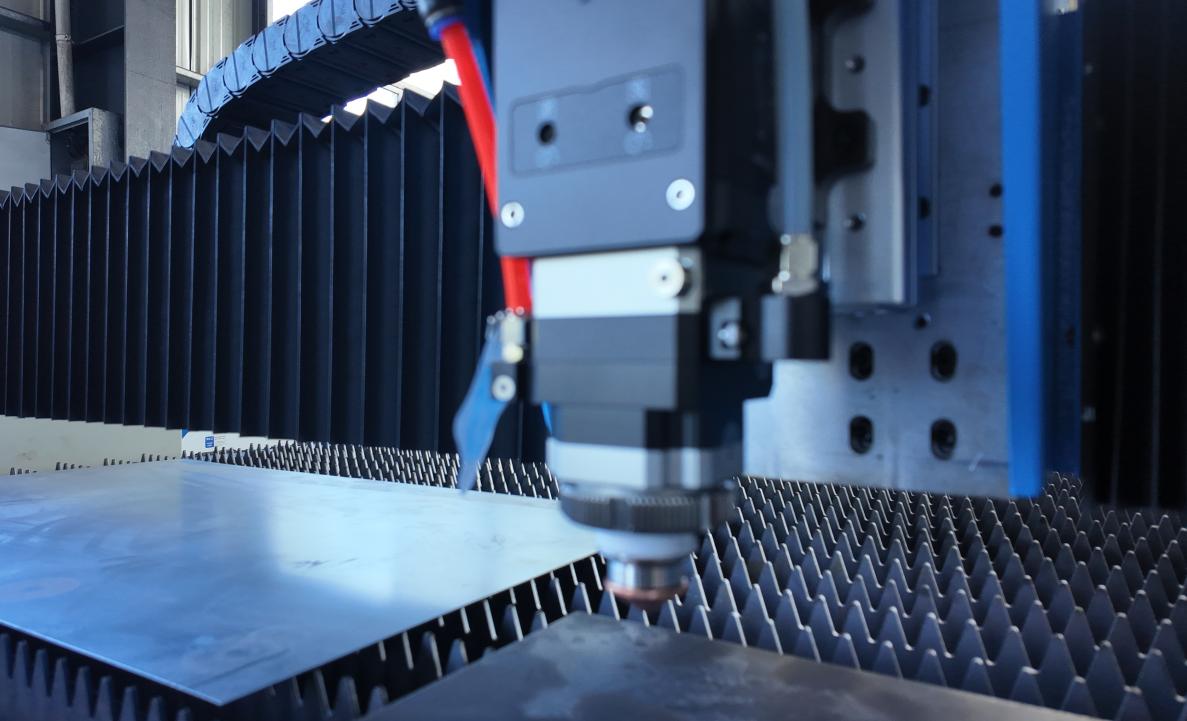
Step 1: Cut Off All Power Supplies Prior to Any Maintenance Work
Before disassembling or checking any filter components, fully shut down the JUGAO laser cutter and disconnect the main power cable. This eliminates risks of accidental startup and guarantees 100% safe maintenance operations.
Step 2: Conduct Routine Visual Inspection of Filter Status
Take out the filter drawer and perform a comprehensive visual check, focusing on three key conditions:
• Thick layered dust buildup on the filter mesh
• Partial or full blockage that hinders normal air flow
• Mesh tearing, bending deformation or structural breakage
Simple visual judgment allows operators to quickly confirm whether the filter requires cleaning or direct replacement.
Step 3: Carry Out Standardized Filter Cleaning Operations
For reusable metal mesh and cartridge filters, use low-pressure compressed air guns or industrial vacuum cleaners to clear dust and debris. Always blow or suck dust against the normal air intake direction of the filter; this prevents micro-particles from sinking deeper into the filter fabric and causing permanent blockage.
Never use ultra-high air pressure during cleaning, as intense impact force will deform the filter mesh and destroy its filtering structure.
Step 4: Swap Out Aged, Damaged or Severely Blocked Filters
If the filter mesh has cracks, suffers irreversible heavy clogging, or cannot recover airflow performance after thorough cleaning, replace it with a brand-new JUGAO matching filter immediately. Operating with damaged filters will weaken dust exhaust capacity and let corrosive metal dust penetrate internal precision parts.
Step 5: Full Inspection of the Complete Dust Exhaust Pipeline System
While servicing filters, operators must inspect the entire dust extraction supporting system synchronously, verifying three key points:
• Exhaust fans run stably without abnormal noise or speed drop
• Air pipelines and hoses have no folding, bending or internal blockages
• All pipeline connecting joints remain tightly sealed without air leakage
Even brand-new clean filters cannot exert full filtering capacity if the exhaust pipeline system malfunctions.
Step 6: Formulate a Fixed Recurring Maintenance Cycle
Customize a regular maintenance plan based on daily production throughput and the type of cutting material processed:
• Visual inspection of filter condition every single working day
• Complete filter cleaning every 7 working days
• Comprehensive check for filter aging and replacement demand every month
Adhering to fixed maintenance cycles avoids sudden airflow failures and unexpected production downtime.
Standardized Optimal Maintenance Guidelines for JUGAO Laser Filters
Adopt Original High-Matching JUGAO Special Filters
It is strongly suggested to select original matching filter elements exclusively developed for JUGAO laser cutting machines as replacement parts. Premium dedicated filters feature stronger dust interception ability and possess a far longer service cycle than generic universal filters.
Adjust Maintenance Frequency According to Cutting Raw Materials
Different cutting substrates produce varying volumes of smoke and metal powder. Carbon steel sheets, coated metal plates and galvanized materials create heavier pollutant loads, requiring more frequent filter inspection and cleaning cycles.
Sustain a Dust-Free Neat Production Workshop Space
Maintaining a tidy, low-dust workshop environment cuts down the amount of floating dust entering the exhaust system, effectively slowing filter clogging and retaining stable filtering performance for a longer period.
Malfunctions & Losses Triggered by Neglecting Filter Maintenance
Degraded Cutting Finish & Machining Precision
Blocked filters restrict air circulation, slowing smoke discharge during cutting. Residual smoke covers the cutting path, disrupting laser beam transmission and lowering edge smoothness and dimensional precision of finished workpieces.
Abnormal Overheating of Core Electrical & Cooling Parts
Insufficient air flow induced by clogged filters weakens heat dissipation. This leads to excessive temperature rise inside electrical cabinets, exhaust drive motors and the laser cooling circulation system, triggering overheat alarms.
Surge in Power Consumption and Unplanned Repair Expenses
Blocked filters force exhaust fans to operate under maximum load continuously, which drastically raises power consumption. Meanwhile, dust erosion of precision parts leads to frequent breakdown repairs, lifting overall long-term operating costs.
Frequently Asked Technical Questions
What’s the reasonable cycle for cleaning JUGAO laser cutting machine filters?
Operators should visually inspect filters daily after work. Under normal light cutting load, a full cleaning every week is recommended; heavy-duty cutting of dusty materials shortens the cleaning interval to 3–4 days.
Will dust-clogged filters interfere with the laser cutting dimensional accuracy?
Absolutely yes. Clogged filters reduce smoke extraction efficiency, leaving smoke residue above the cutting line. The residual smoke refracts the laser beam, resulting in uneven cutting lines and deviation from preset dimensional tolerances.
Which cleaning approach works best for recyclable laser filter elements?
Low-pressure compressed air blowing or industrial vacuum suction are the safest cleaning methods. Both methods remove surface dust without damaging the internal fiber or metal mesh filtering structure of reusable filters.
Final Summary
Regular standardized maintenance of JUGAO laser cutting machine filters is the foundation for steady airflow, superior cutting quality and extended equipment service life. Operators who stick to daily inspection, periodic cleaning and timely filter replacement can drastically cut unplanned production halt time and lift the comprehensive operational efficiency of laser cutting equipment.
A fully functional, well-maintained filtering system not only protects expensive JUGAO laser cutting hardware from dust damage, but also builds a cleaner, safer operating environment for frontline workshop staff. If you need on-site professional maintenance guidance or want to optimize the full equipment maintenance schedule for your JUGAO laser cutter, our technical support team is ready to provide customized solutions at any time to help you achieve stable, high-yield manufacturing.

