





Quelles sont les applications des machines de découpe au laser dans l’usinage de précision ?
Table des matières
• Comment les machines de découpe laser renforcent l'usinage de précision
• Scénarios d'application principaux des machines de découpe laser dans l'usinage de précision
• Fabrication de composants microscopiques
• Usinage de composants métalliques haute précision
• Usinage de profils géométriques complexes
• Prototypage produit et fabrication rapide en lots
• Découpe de précision de pièces non métalliques
• Avantages de l'adoption de la découpe laser dans l'usinage de précision
• Ultra-haute précision et répétabilité stable
• Faible consommation de matière première et moins de déchets
• Fort degré de compatibilité avec des matières premières variées
• Zone thermiquement affectée maîtrisable et surface de découpe nette
• Questions fréquemment posées
• Pourquoi les fabricants privilégient-ils les machines à découper au laser par rapport aux équipements CNC conventionnels pour l’usinage de précision ?
• Les dispositifs de découpe au laser sont-ils capables d’effectuer des tâches de traitement de précision en grandes séries ?
• Quels secteurs tirent le plus profit de la technologie de découpe au laser dans le domaine de l’usinage de précision ?
• Résumé
La technologie de découpe au laser est devenue un procédé central indispensable pour les fabricants modernes qui recherchent un usinage ultra-précis, une production rapide et une qualité stable des produits. Elle se distingue comme une solution optimale pour la fabrication de pièces complexes soumises à des tolérances dimensionnelles strictes, offrant des résultats d’usinage que les techniques conventionnelles de découpe peinent à égaler. Cet article expose en détail les scénarios d’application centraux des machines de découpe au laser dans l’usinage de précision, analyse leurs avantages en matière d’amélioration de la qualité de production et explique pourquoi ce type d’équipement est largement adopté dans les secteurs mondiaux de la fabrication de haute précision.
Comment les machines de découpe laser renforcent l'usinage de précision
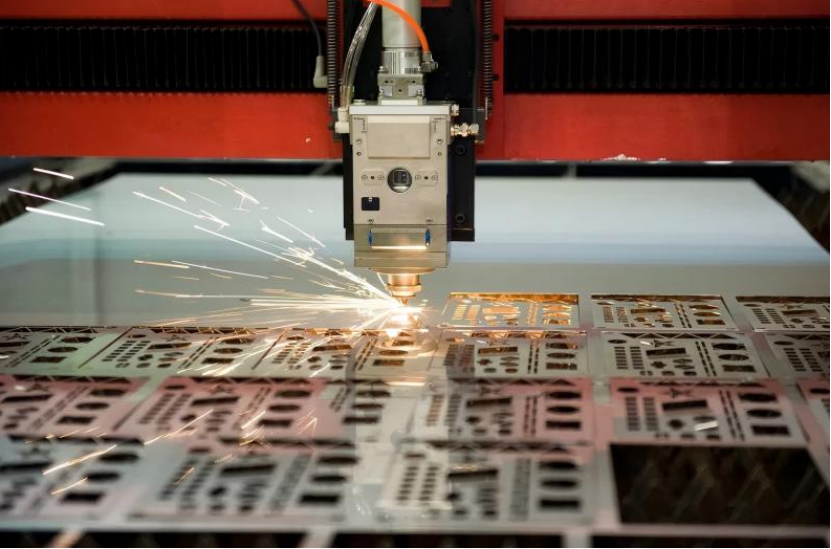
Les équipements de découpe au laser utilisent un faisceau laser fortement concentré pour effectuer la découpe, la gravure et le façonnage de contours sur divers matériaux avec une précision exceptionnelle. Contrairement aux méthodes mécaniques traditionnelles de découpe, ils adoptent un mode de traitement sans contact, ce qui réduit efficacement la déformation des matériaux et garantit une finition de surface supérieure. L’usinage de précision nécessite généralement la fabrication de pièces structurelles complexes en métal, en plastique et en matériaux composites. La découpe au laser répond parfaitement à ces exigences de traitement, sans nuire à l’efficacité de production ni à la qualité des produits finis.
Scénarios d'application principaux des machines de découpe laser dans l'usinage de précision
Fabrication de composants microscopiques
Les machines de découpe au laser sont largement utilisées pour produire de petites pièces structurelles soumises à des tolérances strictes, notamment des engrenages miniatures, des joints minces et des accessoires électroniques microscopiques. Ces composants microscopiques sont généralement fragiles et difficiles à usiner par les méthodes d’usinage traditionnelles, tandis que la découpe au laser permet d’obtenir des résultats de façonnage ultra-précis avec pratiquement aucun dommage aux pièces délicates.
Usinage de composants métalliques haute précision
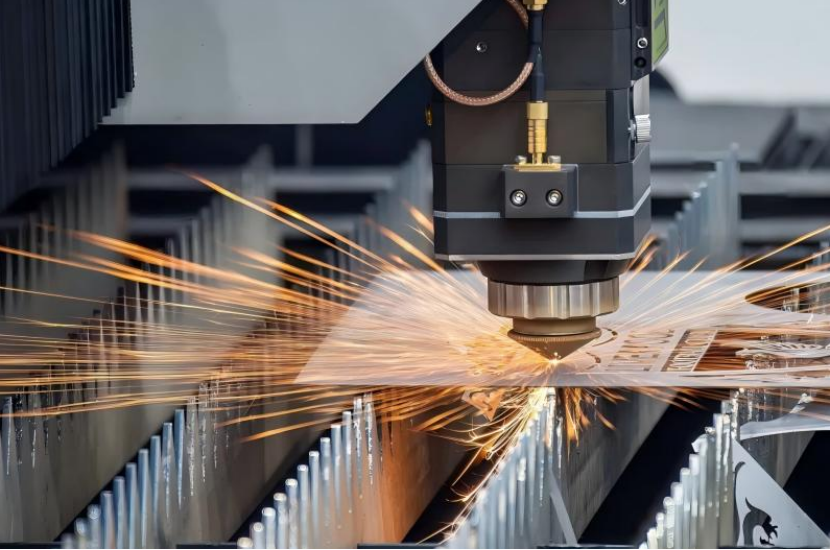
Les secteurs aérospatial, automobile et autres industries majeures ont une forte demande de pièces métalliques de haute qualité. La découpe au laser permet d’obtenir des bords lisses, sans bavures, ce qui permet aux pièces de répondre aux critères stricts de qualité industrielle et d’éliminer souvent les opérations ultérieures de finition de surface. Cette technologie s’adapte parfaitement à la transformation de l’acier inoxydable, des alliages de titane, des alliages d’aluminium et de nombreux autres matériaux métalliques.
Usinage de profils géométriques complexes
Les outils de coupe conventionnels sont souvent limités lorsqu’il s’agit de réaliser des formes complexes ou des motifs creux internes. En revanche, les machines de découpe au laser permettent aisément de traiter de tels profils personnalisés, soutenant ainsi les fabricants dans le développement de pièces sur mesure destinées aux équipements médicaux, à la fabrication électronique et au génie mécanique.
Prototypage produit et fabrication rapide en lots
Pour la recherche et le développement de nouveaux produits, l'efficacité de production constitue un facteur concurrentiel clé. La découpe au laser permet aux concepteurs d’ajuster rapidement les plans numériques et de réaliser la découpe des échantillons en un temps réduit. Elle raccourcit efficacement le cycle de recherche et développement, accélère la mise sur le marché des nouveaux produits et garantit une précision de traitement élevée tout au long du processus.
Découpe de précision de pièces non métalliques
La technologie de découpe au laser n’est pas limitée aux matériaux métalliques ; elle s’applique également aux plastiques, aux céramiques, aux matériaux composites et aux films ultrafins. Cela en fait l’option privilégiée pour la fabrication de pièces non métalliques de précision dans la production électronique, le conditionnement et d’autres secteurs qui privilégient la conception de composants légers.
Avantages de l'adoption de la découpe laser dans l'usinage de précision
Ultra-haute précision et répétabilité stable
La découpe au laser permet d’atteindre une précision de traitement au niveau du micromètre et de maintenir des normes dimensionnelles constantes en production de série. Cette performance est particulièrement cruciale dans les secteurs où des écarts dimensionnels minimes peuvent entraîner une défaillance globale du produit.
Faible consommation de matière première et moins de déchets
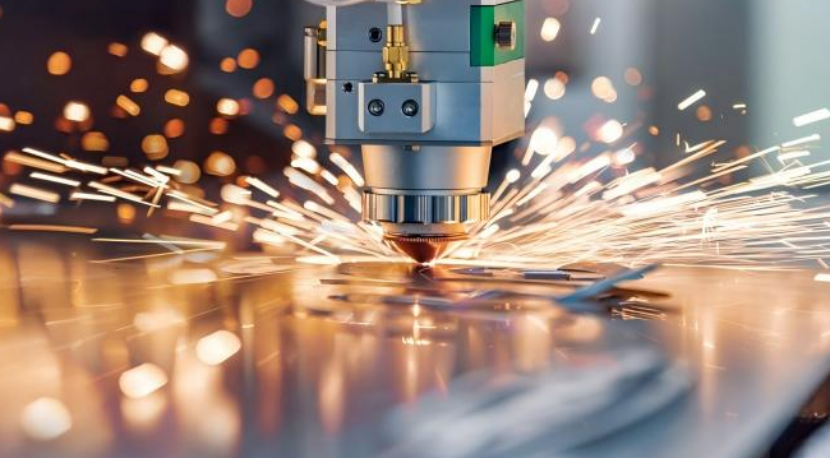
Le fin faisceau laser forme une rainure de coupe extrêmement étroite pendant le fonctionnement, ce qui améliore l’utilisation des matières premières et réduit les déchets résiduels. Cela aide les entreprises à réduire leurs coûts de matériaux et à mettre en place des dispositions de production plus économiques.
Fort degré de compatibilité avec des matières premières variées
Les machines de découpe au laser peuvent traiter un large éventail de matériaux, allant des métaux alliés à haute dureté aux polymères mous et fragiles. Il n’est pas nécessaire de remplacer des outillages spécialisés pour différents pièces, ce qui améliore considérablement la flexibilité des dispositions de production.
Zone thermiquement affectée maîtrisable et surface de découpe nette
Le procédé de découpe au laser optimisé permet de limiter le rayonnement thermique vers les matériaux de base environnants, évitant ainsi efficacement le gauchissement des pièces, les microfissures et l’affaiblissement de la résistance structurelle couramment observés dans les procédés de découpe traditionnels.
Questions fréquemment posées
Pourquoi les fabricants privilégient-ils les machines à découper au laser par rapport aux équipements CNC conventionnels pour l’usinage de précision ?
Les machines de découpe au laser offrent une précision d'usinage supérieure, des sections de découpe plus lisses et des cycles de production plus rapides. Elles permettent de réaliser des conceptions de motifs complexes et le traitement de pièces ultrafines, des tâches que les équipements d'usinage mécanique traditionnels peinent à accomplir.
Les dispositifs de découpe au laser sont-ils capables d’effectuer des tâches de traitement de précision en grandes séries ?
Absolument. Les systèmes modernes de découpe au laser sont parfaitement adaptés aussi bien à la production pilote de petits lots qu'à la fabrication de masse à grande échelle, tout en maintenant en permanence une qualité de traitement stable.
Quels secteurs tirent le plus profit de la technologie de découpe au laser dans le domaine de l’usinage de précision ?
La fabrication aérospatiale, la production de dispositifs médicaux, le traitement des composants électroniques, la fabrication automobile et le génie mécanique constituent les principaux secteurs qui dépendent fortement de la découpe au laser pour produire des pièces structurales à haute précision et de grande complexité.
Résumé
Les machines de découpe au laser ont révolutionné le mode de production des pièces à haute précision et complexes dans l'usinage de précision. Que ce soit des micro-pièces miniatures ou des composants métalliques de grande taille à haute précision, cette technologie offre une exactitude, une flexibilité de production et une efficacité de traitement inégalées. En déployant des équipements de découpe au laser, les fabricants peuvent améliorer la qualité de leurs produits, réduire les délais de production et renforcer leur compétitivité dans les secteurs exigeant des normes de précision rigoureuses.
Si vous envisagez d'optimiser votre flux de travail en usinage de précision ou si vous recherchez des solutions professionnelles avancées de découpe au laser, n'hésitez pas à contacter notre équipe. Nous élaborerons pour vous des solutions personnalisées de sélection d'équipements adaptées à vos besoins de production spécifiques.

