
Wenn es darum geht, eine Rohrbiegemaschine auszuwählen, sind NC und CNC zwei Optionen, die nicht ignoriert werden können. Sie klingen ähnlich, doch die Unterschiede im praktischen Einsatz sind erheblich. Viele Menschen tun sich damit schwer und fragen sich, ob die zusätzlichen Kosten für eine CNC-Maschine sich lohnen. Ich erläutere beide detailliert, damit Sie anhand Ihrer individuellen Situation entscheiden können.
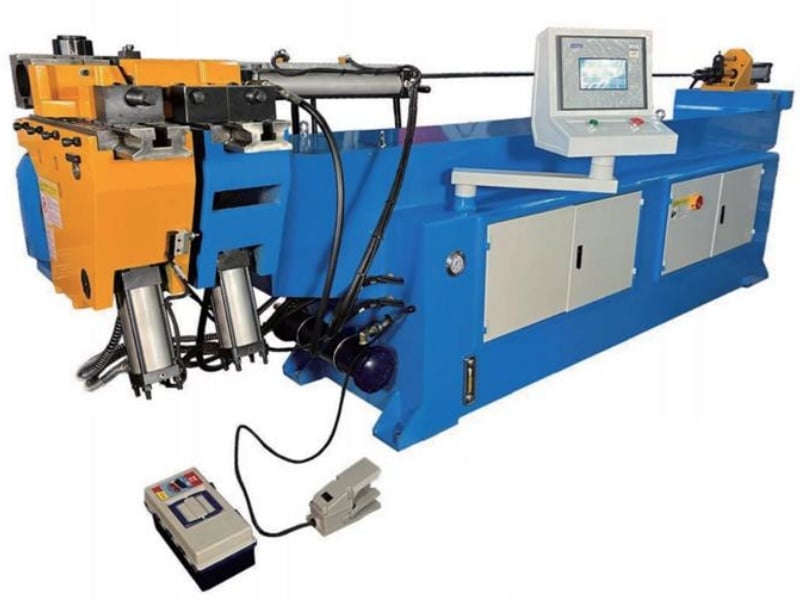
NC-Rohrbiegemaschine: Ausreichend, erschwinglich und einfach zu erlernen
NC-Rohrbiegemaschinen sind halbautomatisch. Parameter wie Biegewinkel und Vorschublänge werden über das Bedienfeld eingestellt, und die Maschine folgt diesen Einstellungen. Bei Wechsel der Spezifikationen sind jedoch manuelle Anpassungen erforderlich. Sie bewertet oder kompensiert Fehler nicht automatisch; die Qualität hängt von der Erfahrung des Bedieners ab.
Zu ihren Vorteilen zählen Erschwinglichkeit, einfache Bedienbarkeit (für die meisten Mitarbeiter reichen wenige Tage Schulung aus) und relativ einfache Wartung (die Konstruktion ist nicht komplex, und die meisten Probleme können von einem allgemeinen Mechaniker behoben werden). Falls Ihre Produktion hauptsächlich Kleinserien, Mehrfachvarianten oder relativ einfache Produktformen umfasst, ist eine NC-Maschine vollkommen ausreichend.
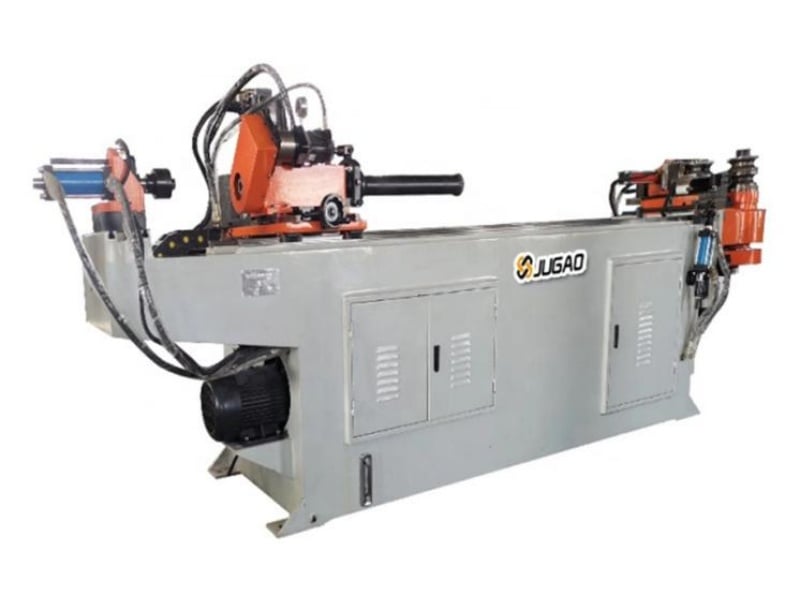
CNC-Rohrbiegemaschine: Hohe Präzision, automatisiert, geeignet für Massenproduktion
CNC ist vollautomatisch. Alle Achsen – Biegen, Drehen und Zuführen – werden von einem Computer gesteuert. Es kann eine große Anzahl von Programmen speichern, die bei einer Spezifikationsänderung mit nur einem Mausklick abgerufen werden können; die Maschine führt dann alle Aktionen automatisch aus. Das Servosystem gewährleistet jedes Mal konsistente Biewinkel und damit eine deutlich höhere Wiederholgenauigkeit als herkömmliche NC-Maschinen.
Bei komplexen Mehrfachbiege-Rohrformstücken, dreidimensionalem Rohrbiegen oder Massenfertigung sind die Vorteile von CNC offensichtlich. Es bietet stabile Biewinkel, eine niedrige Ausschussrate und geringere Abhängigkeit von Bedienern. Die Nachteile sind ein deutlich höherer Preis, eine größere Systemkomplexität, die Notwendigkeit von Bedienern mit Programmierkenntnissen sowie der Einsatz spezialisierter Techniker für die Wartung.
Vergleichen Sie die Unterschiede zwischen den beiden
Hinsichtlich der Steuerungsmethode ist NC halbautomatisch und erfordert mehr manuelle Eingriffe; CNC ist vollautomatisch und programmgesteuert. CNC ist hinsichtlich der Genauigkeit stabiler, insbesondere bei der Konsistenz von Mehrfachbiegeteilen. Hinsichtlich der Ausbringung eignet sich NC für Kleinserien, während CNC für großvolumige, kontinuierliche Fertigung geeignet ist. Die Bedienungsschwierigkeit von NC ist gering, während CNC eine gewisse Schulung voraussetzt. Der Preis für NC ist niedrig; die anfängliche Investition für CNC ist hoch, doch die langfristige Rendite ist gut.
Wie man wählt
Falls Ihr Produkt wenige Biegungen, einfache Winkel oder häufig wechselnde Spezifikationen bei kleinen Losgrößen aufweist, reicht die NC-Bearbeitung aus; es besteht keine Notwendigkeit, mehr Geld auszugeben.
Falls Ihr Produkt viele Biegungen, komplexe räumliche Winkel oder große Losgrößen mit hohen Konsistenzanforderungen erfordert, entscheiden Sie sich für die CNC-Bearbeitung. Die anfängliche Investition ist höher, doch langfristig spart sie Arbeitskraft und Material und ermöglicht eine schnellere Ausbringung, wodurch die Amortisationsdauer durchaus angemessen ist.
Falls Sie unsicher sind, senden Sie die Zeichnung Ihres komplexesten Teils an den Hersteller und bitten Sie ihn, ein geeignetes Modell zu empfehlen; fordern Sie zudem eine Probe-Biegeprüfung an. Die Bearbeitungswirkung direkt zu sehen, ist effektiver als sich auf irgendwelche Parameter zu verlassen.
Vergessen Sie die Wartung nicht.
NC-Werkzeugmaschinen sind relativ robust; grundlegende Wartungsmaßnahmen wie tägliche Schmierung, Reinigung und regelmäßiger Wechsel des Hydrauliköls reichen aus. Neben der mechanischen Wartung erfordern CNC-Werkzeugmaschinen zudem Aufmerksamkeit für Software-Updates, Programm-Backups und Sensor-Kalibrierung. Bei Kauf einer CNC-Maschine sollten Sie am besten Schulungsunterstützung und technischen After-Sales-Service beim Hersteller bestätigen.