





Wie lassen sich kleinere Störungen einer Rohrbiegemaschine diagnostizieren und beheben?
Rohrbiegemaschinen unterliegen im Betrieb zwangsläufig geringfügigen Störungen, die, wenn sie nicht unverzüglich behoben werden, zu erheblichen Ausfallzeiten eskalieren können. Die Beherrschung schneller Fehlersuch- und Reparaturtechniken ermöglicht es, die Anlage rasch wieder in ihren optimalen Zustand zu versetzen.
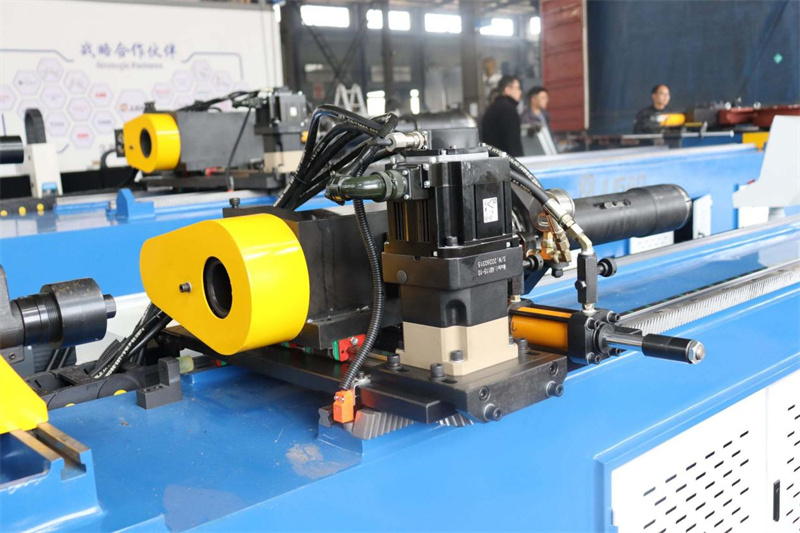
Häufige geringfügige Störungen und ihre Lösungen
1. Anlage startet nicht / keine Bewegung
Fehlersuche: Ist der Not-Aus-Knopf betätigt? Liegt eine Phasenunterbrechung an der Stromversorgung vor? Ist der Hydraulikölstand zu niedrig?
Lösung: Not-Aus-Knopf freigeben, Stromversorgung und Sicherungen überprüfen sowie Hydrauliköl nachfüllen.
2. Ungenaue Biegewinkel
Fehlersuche: Rutscht die Spannbacke? Ist die Rückfederkompensation zu gering? Sind die Encoder-Schrauben locker?
Lösung: Erhöhen Sie den Spanndruck, erhöhen Sie den Biegewinkelwert und ziehen Sie die Encoder-Kupplung fest.
3. Faltenbildung während des Rohrbiegens
Fehlersuche: Ist der Spielraum der faltenvermeidenden Matrize zu groß? Ist die Mandrel-Vorstreckung unzureichend?
Lösung: Verringern Sie den Spielraum der faltenvermeidenden Matrize (stellen Sie sicher, dass beim Einlegen des Rohrs keine Blockierung auftritt) und stellen Sie die Kugelspitze des Mandrels auf 0,5–1,5 mm vor der Schneidlinie der Biegematrize ein.
4. Kratzer auf der Rohroberfläche
Fehlersuche: Sind Späne oder Rost in den Matrizennuten angesammelt? Ist die Schmierung ausreichend?
Lösung: Reinigen Sie die Matrize und tragen Sie spezielles Rohrbiegeöl auf, entfernen Sie Grat oder ersetzen Sie abgenutzte Matrizen.
5. Übermäßiges hydraulisches Geräusch
Fehlersuche: Ist der Ölstand zu niedrig? Ist der Ölansaugfilter verstopft? Ist das Öl emulgiert?
Lösung: Füllen Sie Öl bis zur Markierung nach, ersetzen Sie den Filter, wechseln Sie das Öl und entlüften Sie das System.
6. Zeiger-Jitter am Druckmesser
Fehlerbehebung: Befindet sich Luft im System? Sind die Rohrverbindungen locker?
Lösung: Druck wiederholt erhöhen und verringern, um Luft abzulassen; Verbindungen festziehen.
7. Ungenaue Förderlänge
Fehlerbehebung: Rutschen die Förderrollen? Ist die Encoder-Kupplung locker?
Lösung: Klemmkraft der Rollen anpassen; Encoder prüfen und festziehen.
8. Motorüberhitzung
Fehlerbehebung: Läuft der Motor unter Überlast? Ist der Kühlventilator beschädigt? Ist die Spannung zu niedrig?
Lösung: Bearbeitungsparameter reduzieren; Staub aus den Luftkanälen entfernen; Stromversorgung prüfen.
Drei Prinzipien der Fehlerbehebung
Außen vor Innen: Überprüfen Sie zunächst externe Faktoren wie Schalter, Ölstand und Formen, bevor Sie die internen Komponenten zerlegen.
Einfach vor Schwierig: Beginnen Sie mit dem Anziehen, Reinigen und Schmieren; vermeiden Sie das blinde Austauschen von Teilen.
Beobachten vor Handeln: Beobachten Sie Ölflecken, achten Sie auf ungewöhnliche Geräusche und fühlen Sie die Temperatur, um die Ursache zu bestimmen, bevor Sie tätig werden.
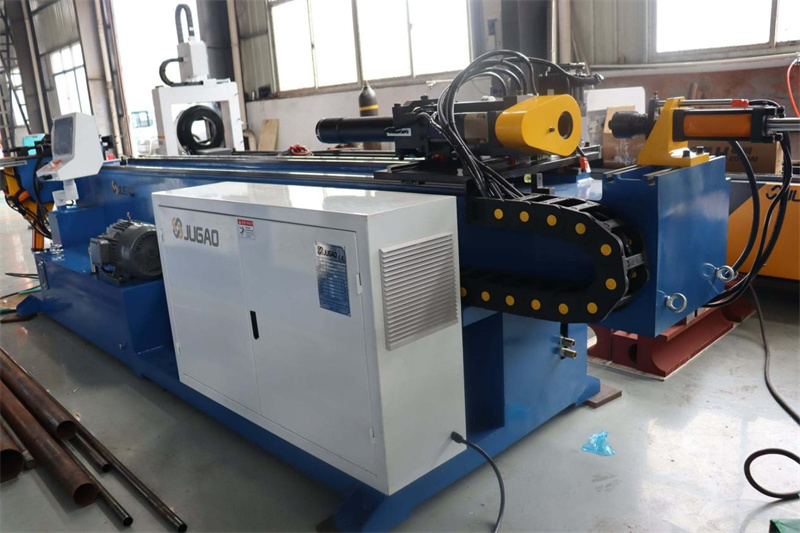
Früherkennung und schnelle Behebung kleiner Störungen sind die besten Strategien, um den effizienten Betrieb der Rohrbiegemaschine sicherzustellen.

