





How do you choose the right laser welding machine?
How to Choose the Right Laser Welding Machine?
As laser welding technology becomes increasingly widespread across sectors such as hardware, sheet metal fabrication, home appliances, new energy, electronics, and automotive components, more enterprises are adopting laser welding machines to enhance welding efficiency and product quality. However, during the procurement process, many companies tend to focus primarily on "wattage" and "price." In reality, a higher power output does not necessarily mean a better machine, nor does a lower price guarantee better value. Factors such as the material, workpiece thickness, weld joint configuration, production volume, welding speed, and the required level of automation all influence equipment selection. Choosing the right laser welding machine must begin with an assessment of your specific production requirements.
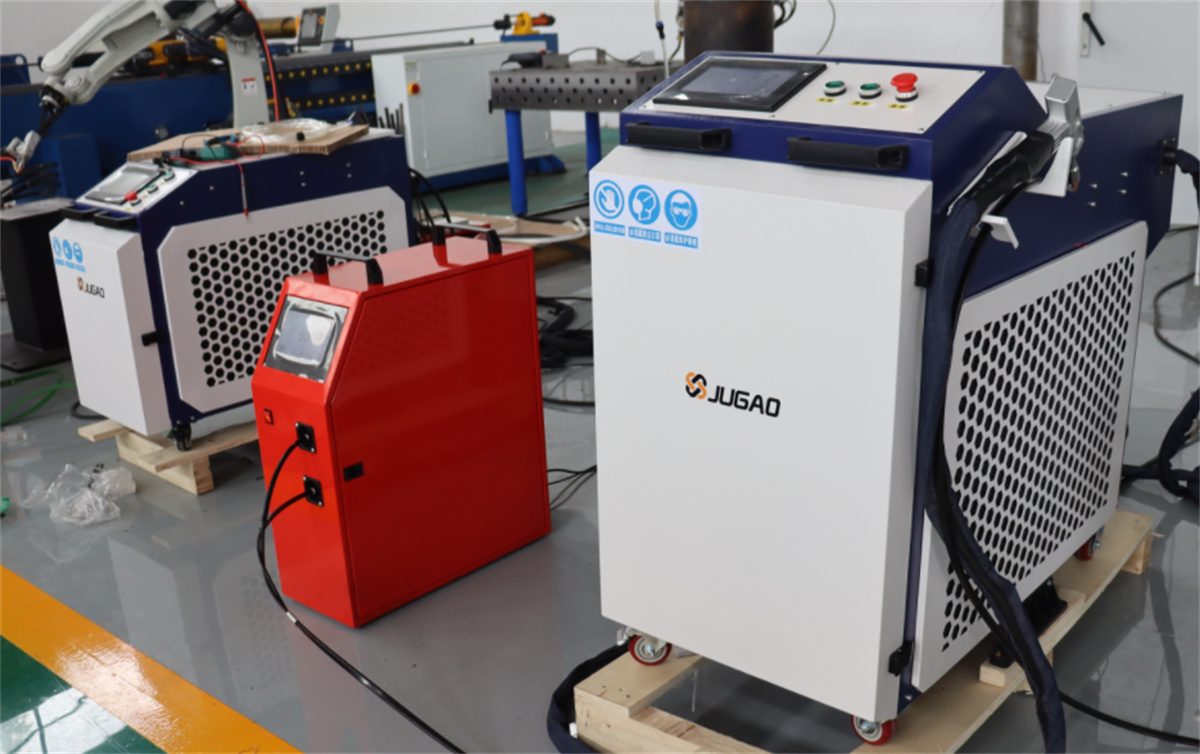
I. Selecting a Laser Welding Machine Based on Material and Workpiece Thickness
The first step in selecting a laser welding machine is to identify the material and its thickness. Common materials include stainless steel, carbon steel, galvanized sheet, aluminum alloys, copper, and copper alloys. Since different metals vary in their laser energy absorption rates, thermal conductivity, and specific welding process requirements, one cannot choose equipment based solely on the name of the material.
For instance, while laser welding processes for materials like stainless steel and carbon steel are relatively mature, materials such as aluminum and copper—characterized by high reflectivity and high thermal conductivity—typically demand higher laser power and more precise welding parameters.
Once the material is identified, the workpiece thickness must also be considered. For the same material, the welding requirements for a 1mm thin sheet differ significantly from those for a 5mm thick plate. With thin sheets, the primary concerns are heat input, burn-through, and deformation control; for medium-to-thick plates, the focus shifts to weld penetration, welding speed, and whether wire feeding is required. Therefore, the power of a laser welding machine cannot be determined in isolation from the material and thickness; the selection process should holistically account for the combination of "material + thickness + weld joint configuration + welding speed."
II. Selecting Equipment Based on Weld Joint Configuration and Production Method
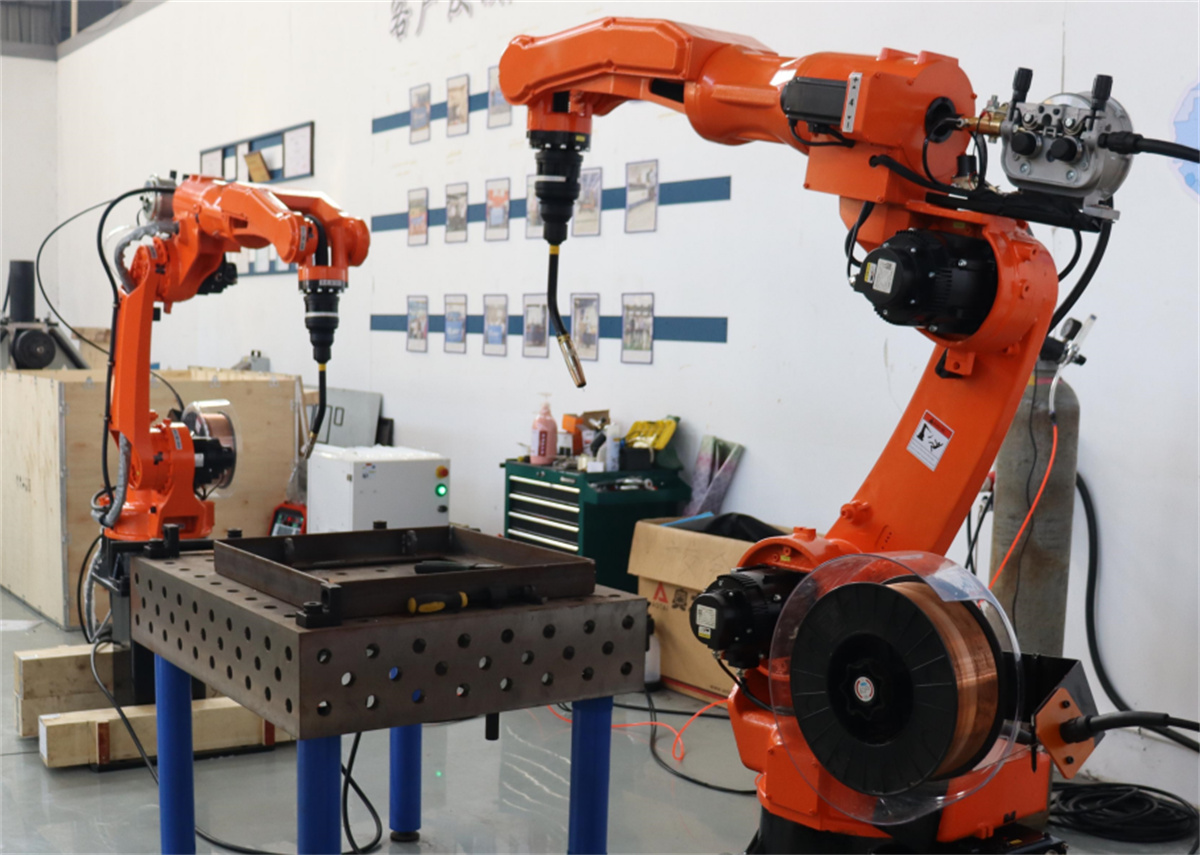
Beyond material and thickness, the configuration of the weld joint is another critical factor in selecting a laser welding machine. For common linear welds—such as those found in sheet metal assemblies, enclosures, or frames—standard laser welding equipment is typically sufficient. For products like chassis, cabinets, or door panels that feature numerous internal and external corners, it is necessary to account for the operating space required for the welding torch, as well as the need for a "wobble" (beam oscillation) welding function. If a workpiece involves complex curves or highly repetitive welding paths, a robotic laser welding system should be considered.
Furthermore, the choice between a handheld laser welder and a robotic laser welding system should be based on the company’s specific production model. Handheld laser welders offer operational flexibility, making them well-suited for production environments characterized by high product variety, small batch sizes, and frequent changes in workpiece design. Robotic laser welding systems, by contrast, are better suited for scenarios involving standardized products, larger batch sizes, fixed welding paths, and high-throughput (fast-cycle-time) requirements. Neither type is inherently "better" than the other; rather, they are designed to address different production needs.
III. How to Choose Laser Welding Power?
Laser power is a key parameter often scrutinized during equipment procurement, but it is a mistake to assume that "higher power always equals better welding results." For instance, when welding 2mm-thick workpieces, the optimal parameters for stainless steel, carbon steel, aluminum alloy, or galvanized sheet metal can differ significantly. Therefore, the power rating must be selected by considering the material, thickness, joint configuration, welding speed, whether filler wire is used, and the required aesthetic finish of the final product.
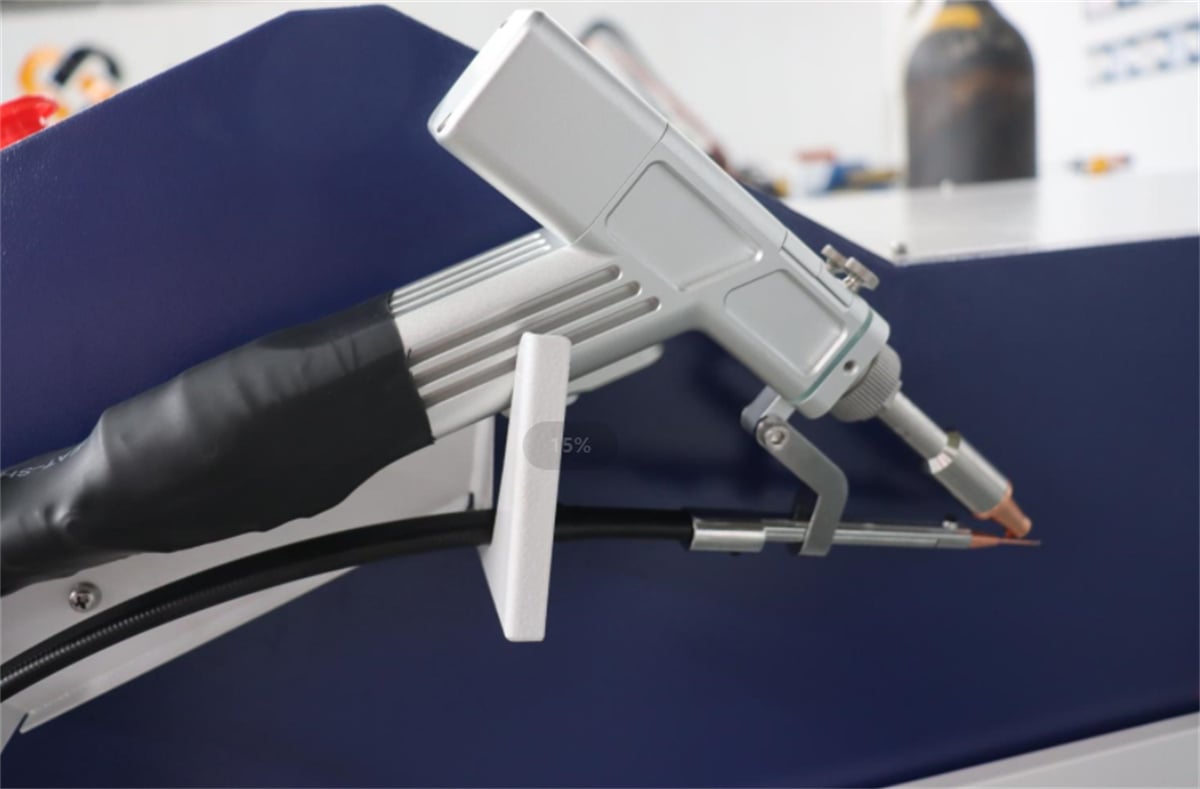
When purchasing equipment, rather than simply asking a manufacturer, "Do you have a 2000W or 3000W model?", it is more effective to provide specific details: the material, thickness, welding position, photos of the weld joints, and the target welding speed. Providing actual workpieces for testing will lead to even more accurate equipment selection. Ultimately, a company’s primary concern should be whether the equipment can consistently meet its production requirements—not just the power rating listed on the machine’s nameplate.
IV. Choosing Between Air-Cooling, Water-Cooling, and Wire-Feeding Functions
Current laser welding equipment typically utilizes either air-cooling or water-cooling systems. Air-cooled laser welders are generally compact and portable, making them ideal for hardware processing, sheet metal fabrication, small-batch production, and applications that require the equipment to be moved frequently. Water-cooled laser welders, which dissipate heat through a circulating cooling system, are better suited for long-duration, continuous operation and high-throughput production environments. Therefore, neither air-cooling nor water-cooling is inherently superior; the choice should be based on factors such as laser power, continuous operating duration, the production environment, and the specific method of use.
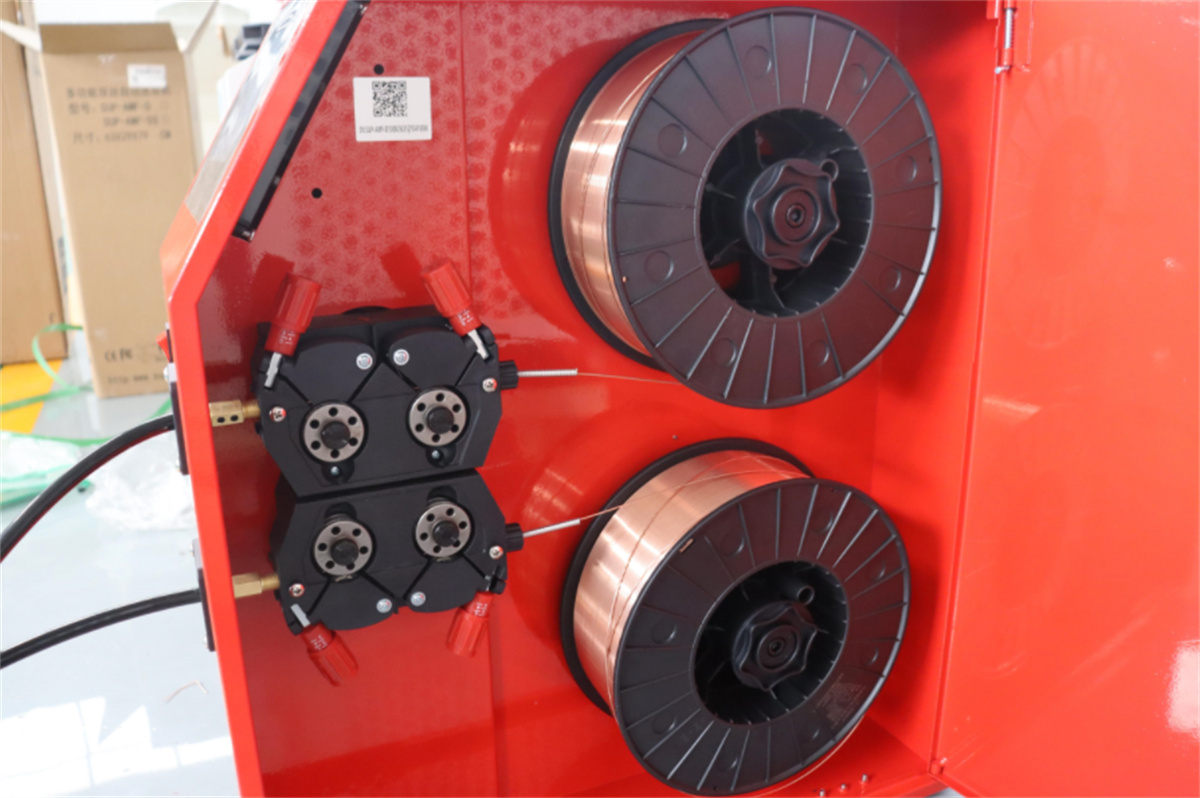
The need for an automatic wire-feeding system depends primarily on the assembly gap of the workpieces and the requirements for the weld seam. For workpieces with high assembly precision and minimal gaps, welding without filler wire is often sufficient. However, if there are gaps in the weld joint, or if it is necessary to increase the weld reinforcement (bead height) or improve the weld bead profile, then laser welding equipment with an automatic wire-feeding system should be considered.
V. Look Beyond the Purchase Price: Consider the Total Cost of Ownership
When purchasing a laser welding machine, the quoted price is only one part of the total cost. You must also account for expenses related to labor, shielding gas, consumables, maintenance, energy consumption, and potential downtime. A machine with a lower initial purchase price may not actually result in lower production costs if it suffers from slow welding speeds, high labor requirements, or frequent maintenance needs.
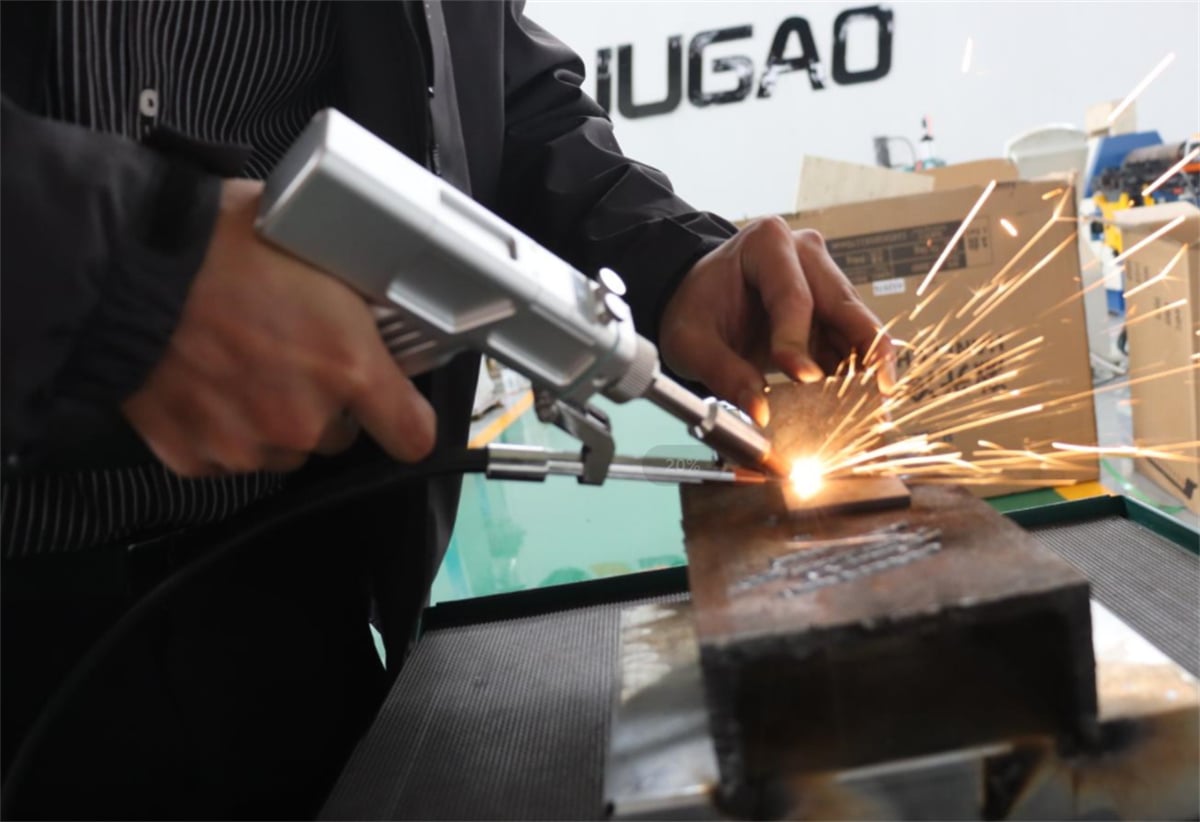
Consequently, when selecting a laser welding machine, it is advisable to perform a comprehensive calculation that includes: equipment investment, labor costs, operating expenses, maintenance costs, and production efficiency. For companies engaged in batch production, it is also essential to consider the level of automation and the potential for future production line upgrades. When choosing equipment, do not just focus on the initial purchase cost; instead, evaluate how much the equipment can save in production costs over time.
VI. Why Is Sample Testing Essential Before Purchasing a Laser Welding Machine?
Laser welding offers high process adaptability; however, the same laser power can yield different results depending on the material, thickness, and structural design of the workpiece. Therefore, conducting sample tests on actual workpieces before finalizing a purchase is crucial.
During sample testing, pay close attention to factors such as weld penetration, bead profile, welding speed, the risk of burn-through, workpiece deformation, surface discoloration, and whether post-weld grinding is required. For batch production, you should also measure the welding time per unit to determine whether the equipment can meet your required production cycle (throughput).
Sample testing on actual workpieces provides far more valuable insight than simply comparing equipment specifications.

VII. A Framework for Selecting a Laser Welding Machine
When selecting a laser welding machine, enterprises can follow this logical sequence: Material → Thickness → Joint Configuration → Production Volume → Welding Speed → Level of Automation → Laser Power → Cooling Method → Wire-Feeding Requirements → Practical Sample Testing.
For production scenarios involving small batches, high product variety, and frequent changes to workpieces, a handheld laser welder is often the best choice. Conversely, for standardized products with large order volumes and fixed welding paths, a robotic laser welding system is more appropriate. If the equipment needs to be mobile, an air-cooled system is recommended; for long-duration, continuous production, a water-cooled system is preferable. Ultimately, the final equipment configuration should be based on the results of tests performed on the actual workpieces.
VIII. Laser Welding Machines: Tailoring Solutions to Your Specific Workpieces
As a manufacturer of laser welding equipment, we offer a range of solutions—including handheld laser welders, air-cooled and water-cooled laser welding systems, automated wire-feeding laser welding equipment, and robotic laser welding cells—customized to your specific requirements regarding materials, workpiece thickness, joint configuration, production volume, welding speed, and automation needs.
If you are in the process of selecting a laser welding machine, there is no need to get hung up on specific wattage or price points right away. Simply provide us with images of your workpieces, details on the materials and thickness, or the actual parts themselves. We offer free welding process evaluations and sample testing, allowing us to recommend the ideal equipment and operational parameters based on real-world welding results—helping your enterprise minimize the costs associated with equipment selection and process trial-and-error.

