





How do you choose a laser welding machine manufacturer? Key factors to consider before purchasing
As industries such as metal processing, hardware and sheet metal fabrication, new energy, and home appliances/kitchenware demand increasingly higher standards for welding efficiency and quality, laser welding machines have become a preferred equipment choice for many enterprises.
However, the market offers a wide variety of laser welding equipment—ranging from handheld laser welders with automatic wire feeders and air-cooled laser welders to platform-based seamless laser welders, galvanometer-based laser welders, and robotic laser welding workstations. Each type is suited to different application scenarios.
Therefore, when seeking a manufacturer, enterprises should look beyond just equipment price and laser power; it is crucial to evaluate the manufacturer's capabilities regarding production, process matching, equipment configuration, and after-sales technical support.
So, how should you select a manufacturer? What key questions should you address before purchasing a laser welding machine?
You can evaluate potential manufacturers based on the following aspects:
I. Assess the manufacturer: Are they an actual manufacturer or merely a sales channel?
When selecting a manufacturer, you first need to understand their business nature and positioning.
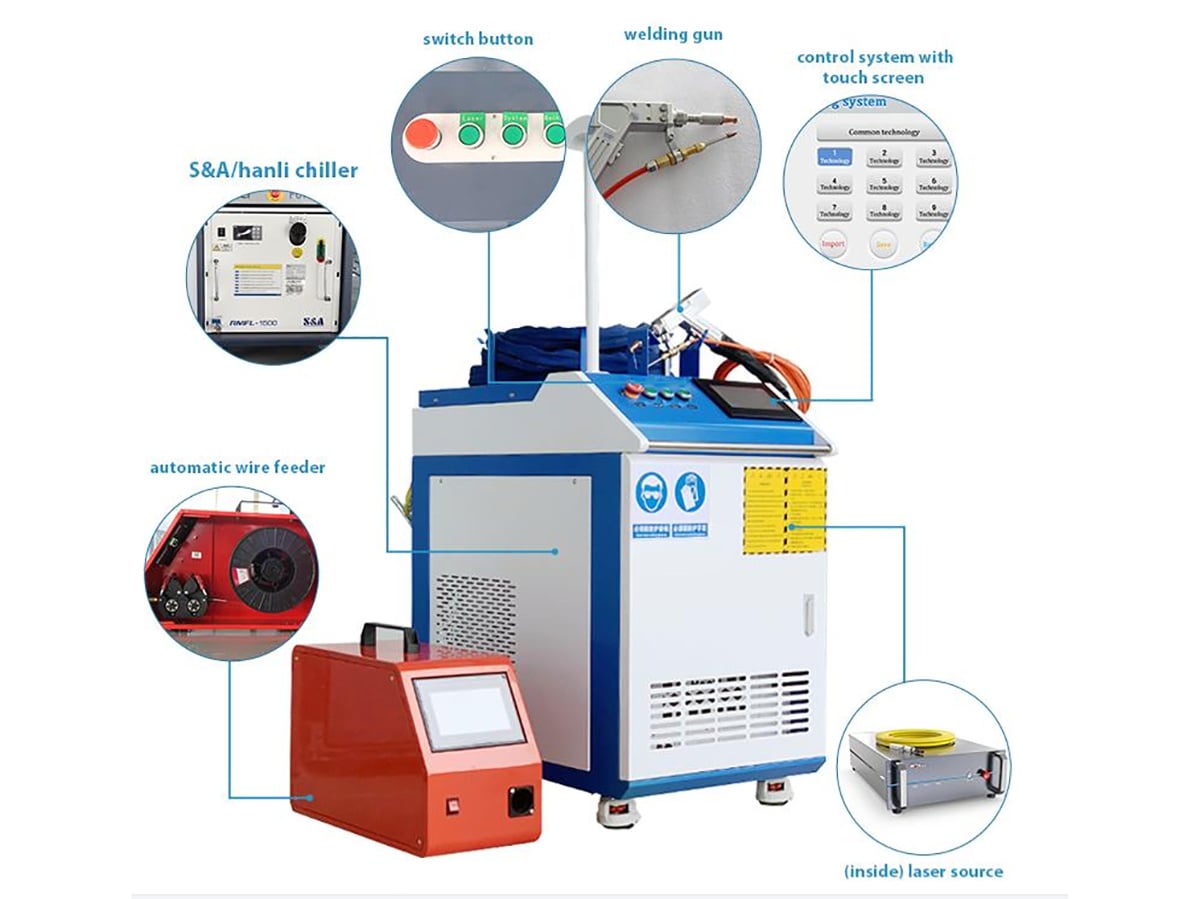
Laser welding machines comprise multiple components, including the laser source, welding head, control system, mechanical structure, electrical system, and auxiliary systems. For corporate buyers, understanding whether a manufacturer possesses capabilities in R&D, production, assembly, and commissioning helps determine if they can configure equipment to meet specific operational needs.
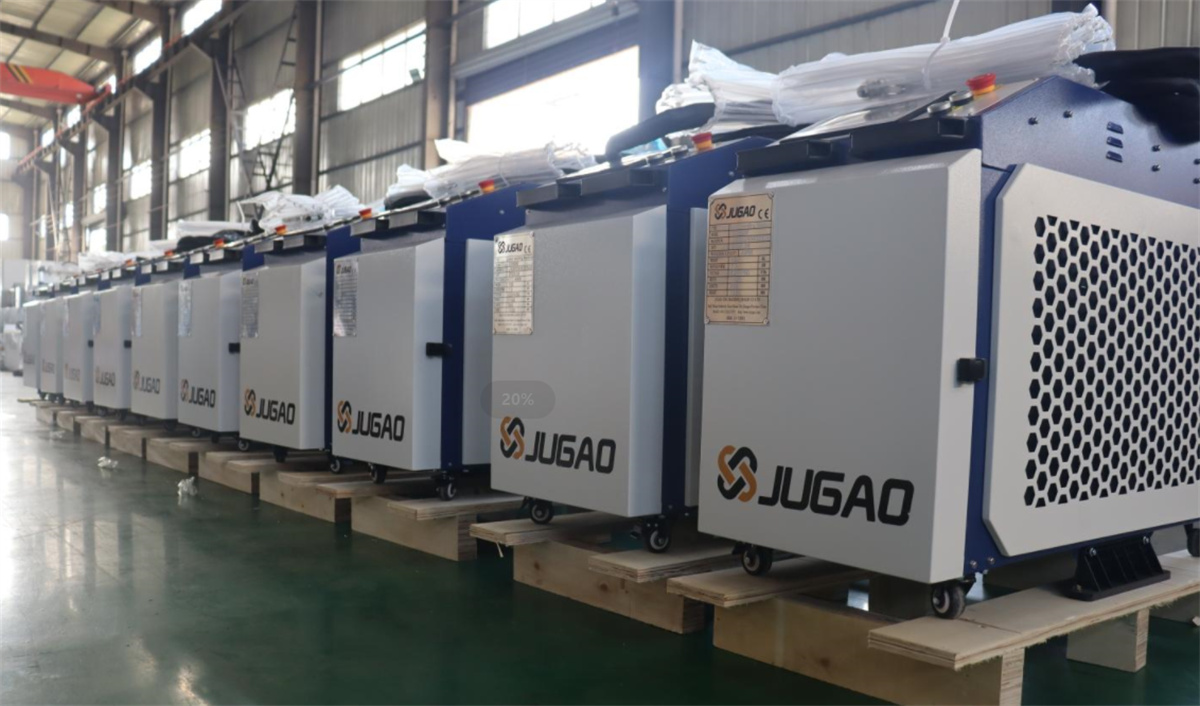
Consequently, when evaluating manufacturers, focus on their production facilities, equipment types, technical teams, and track record of actual projects, rather than relying solely on product images found on a website.
II. Consider the type of laser welding machine: Does it align with your production methods?
Laser welding machines come in various forms. Different products have unique welding structures, production cycle requirements, and automation needs, all of which dictate the type of equipment required.
Current laser welding equipment options primarily include:
✔ Handheld laser welding machine with automatic wire feeder
Suitable for production scenarios requiring manual flexibility alongside specific needs for weld seam filling and high welding efficiency.
✔ Air-cooled laser welding machine
Utilizes air cooling for heat dissipation and features a relatively compact structure; ideal for applications requiring equipment flexibility and ease of on-site operation.
✔ Flatbed Laser Welding Machine
Suitable for precision welding applications that demand high accuracy in weld positioning, superior weld appearance, and consistent product quality.
✔ Galvanometer Laser Welding Machine
Uses galvanometer scanning for welding; ideal for products with relatively concentrated welding zones and high production cycle time requirements.
✔ Robotic Laser Welding Workstation
Suitable for mass production scenarios requiring fixed welding paths and a high degree of automation.
Therefore, when seeking a laser welding machine manufacturer, it is not advisable to choose solely based on laser power or equipment price. Instead, one should first clarify the product structure, welding requirements, and production method before determining the appropriate type of equipment.
III. Assess the Manufacturer's Ability to Match Processes to the Product
Laser welding equipment must ultimately be applied to specific products; therefore, equipment selection cannot be divorced from the actual welding process.
Requirements for laser welding equipment can vary based on material type, thickness, weld joint structure, and product dimensions.
For instance, materials such as stainless steel, carbon steel, aluminum alloy, galvanized sheet, and copper differ in their material properties and laser welding characteristics. Even with the same material, variations in plate thickness, weld location, and product structure may necessitate different welding solutions.
Consequently, when selecting a manufacturer, it is recommended to provide the following information in advance:
Physical product samples or technical drawings;
Welding materials;
Material thickness;
Weld length and location;
Whether wire feeding is required;
Weld appearance requirements;
Production cycle time.
Having the manufacturer select equipment and analyze the process based on this information yields a more rational outcome than simply recommending equipment based on material name or plate thickness alone.
For products with stringent process requirements, test welding and prototyping with actual samples can be conducted to further evaluate weld formation, welding strength, appearance, and production efficiency.
IV. Look Beyond Laser Power: Consider the Configuration of the Entire Machine
When purchasing a laser welding machine, "wattage" is often the first parameter customers ask about.
However, laser power is merely one factor in equipment selection.
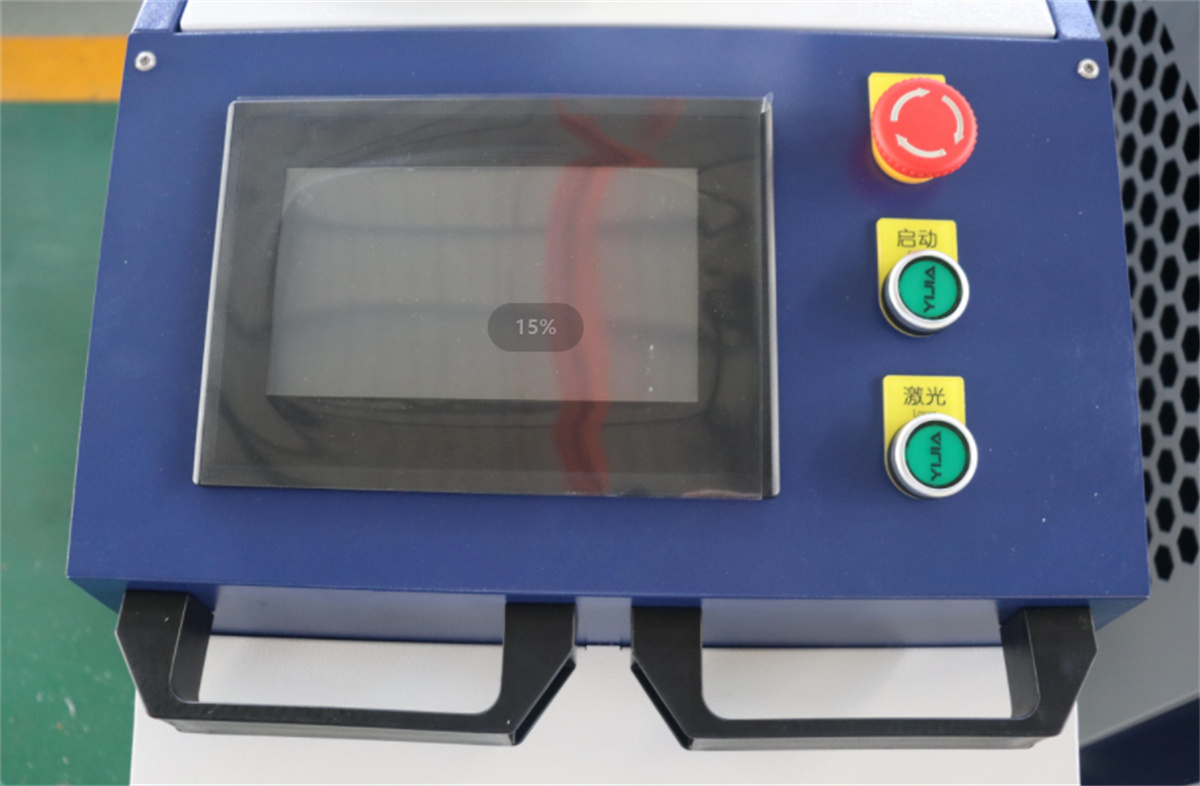
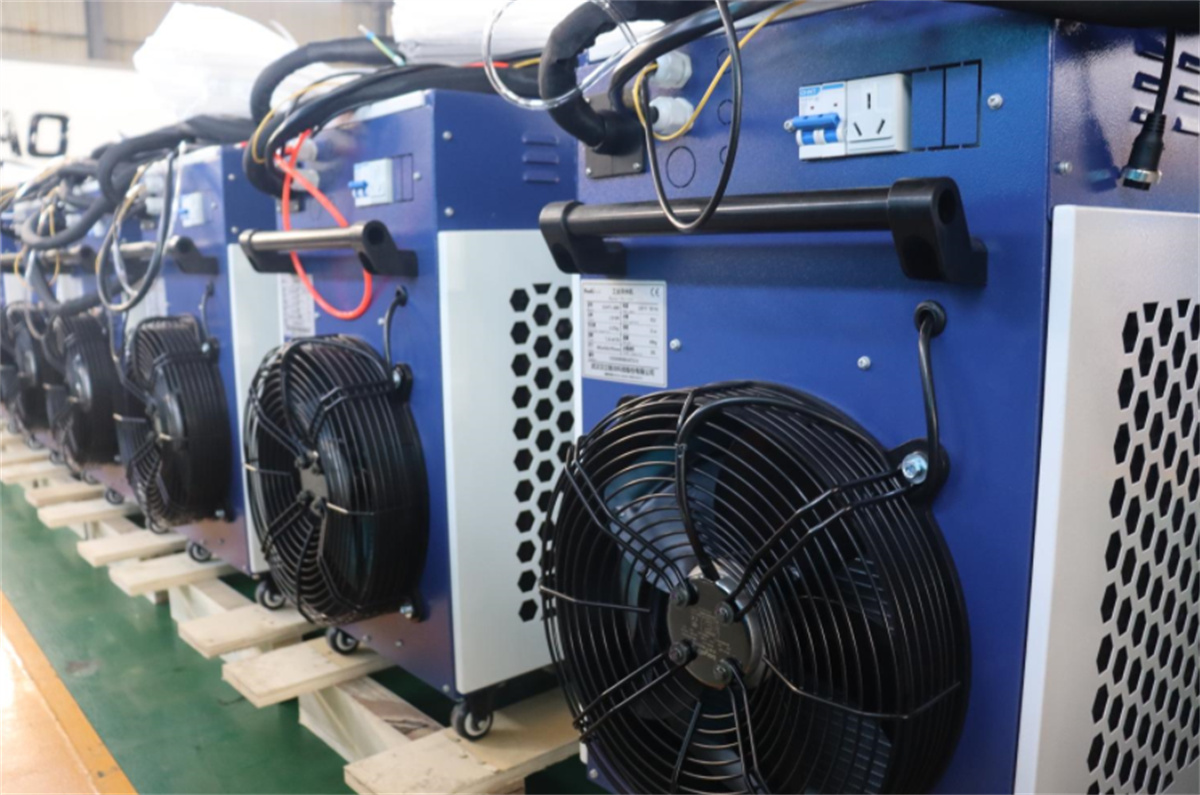
In actual operation, one must also consider the configuration of components such as the laser source, welding head, control system, wire feeding system, cooling method, and the overall machine structure. For instance, with handheld automatic wire-feeding laser welders, the focus should be on the coordination between the wire-feeding system and the welding head; for platform-based "mark-free" laser welders, attention must be paid to the platform structure, positioning, and welding precision; galvanometer-based laser welders require evaluation based on the scanning range versus the product's welding area; and robotic laser welding workstations require consideration of the integration between the robot, laser system, tooling, and the workstation as a whole.
Therefore, when comparing different laser welding machine manufacturers, enterprises should broaden their focus from mere "power specifications" to the overall machine configuration and actual welding performance.
If a manufacturer can perform test welds using the actual product, the sample results can determine whether the equipment truly meets production requirements.
V. Assess the manufacturer's capability for automation upgrades
For enterprises engaged in mass production, future production methods must also be considered when purchasing laser welding machines.
If operations currently rely primarily on manual labor, a handheld laser welder might be the initial choice; however, as product models stabilize, production volumes increase, and welding paths become standardized, the enterprise can then consider automated welding solutions.
Progression example: Manual welding → Tooling-assisted positioning → Semi-automated welding → Automated welding workstation → Robotic welding production line.
Production needs vary by enterprise; not all products are suitable for immediate robotic processing.
Consequently, choosing a manufacturer that offers both standard laser welding machines and capabilities for custom automation equipment and non-standard solutions facilitates easier future equipment upgrades.
VI. Evaluate pre-sales, in-process, and after-sales services
Laser welding machines are production assets, and equipment delivery is merely one stage of the project.
The initial phase involves equipment selection and validation of the welding process; post-delivery steps include installation, commissioning, and operational training; and once mass production begins, parameter adjustments may be required if products or processes change.
Therefore, when selecting a manufacturer, it is important to verify the services provided:
Pre-sales: Equipment selection, process analysis, and solution consultation;
Test welding: Conducting test welds and creating samples based on customer products;
Delivery: Equipment installation, commissioning, and usage guidance;
Training: Training on equipment operation and basic maintenance;
After-sales: Technical support based on actual equipment usage. A comprehensive service system helps reduce communication costs for enterprises after investing in equipment.
VII. Five questions to ask before purchasing a laser welding machine
When communicating with laser welding machine manufacturers, you can clarify the following points in advance:
1. Which type of laser welding machine is suitable for my product?
Do not judge based solely on the material name; the decision requires an analysis of the material, thickness, structure, and weld seam requirements.
2. What power level should I choose?
Power output must be determined by actual welding requirements; higher power is not necessarily better.
3. Is automatic wire feeding required?
If the product has large gaps, requires seam filling, or involves other specific process needs, you should evaluate whether wire feeding is necessary.
4. Handheld or automated equipment?
The choice depends on production volume, welding paths, production cycle times, and labor allocation.
5. Is technical support available after purchase?
Inquire about test welding, commissioning, training, and after-sales service beforehand to avoid focusing solely on the purchase price while overlooking long-term usage. Different equipment suits different product structures and production methods; specific model selection depends on the customer's material, thickness, welding location, welding requirements, and production cycle time.
Enterprises planning to purchase laser welding equipment can first provide product samples, drawings, and basic data (such as material type and thickness). Through direct communication and test welding, the appropriate equipment type can be determined, followed by the finalization of specific configurations.
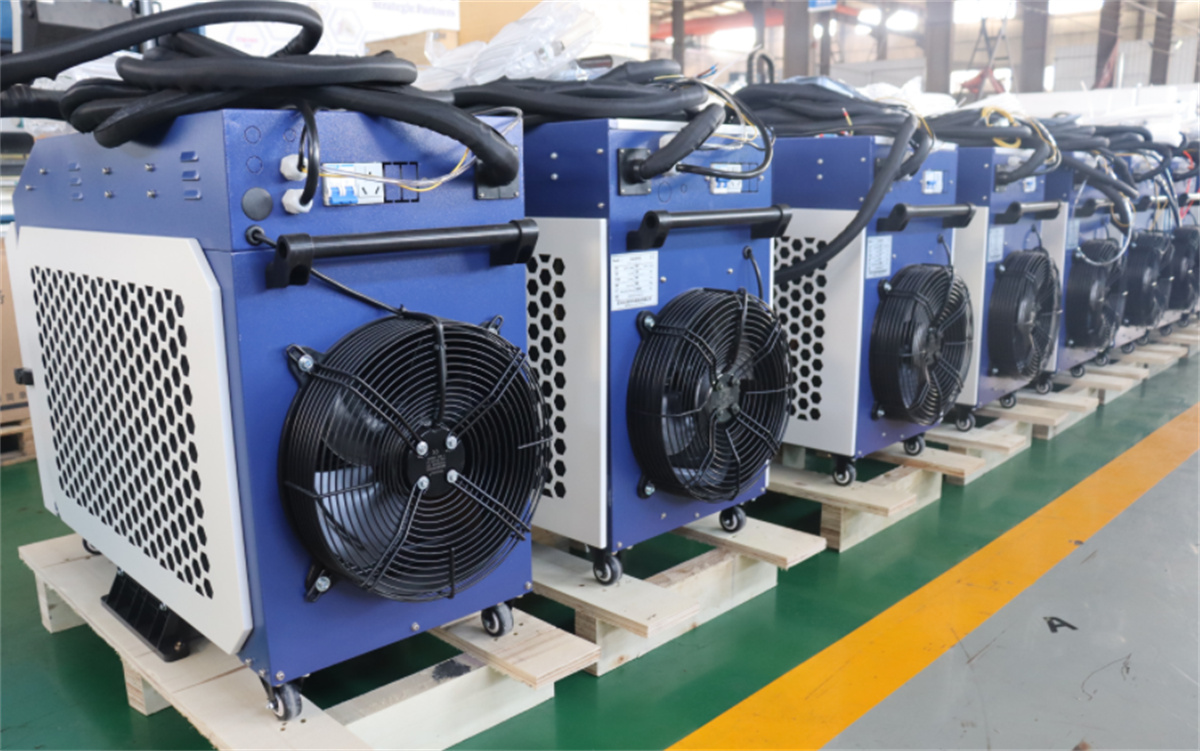
Summary
How do you choose a laser welding machine manufacturer?
It can be summarized as follows: evaluate the manufacturer's production capabilities, equipment types, process compatibility, overall machine configuration, and automation capabilities, while also assessing the quality of pre-sales, in-process, and after-sales services.
When purchasing a laser welding machine, it is not advisable to compare only price and laser power. Equipment that is truly suitable for production must align with the product's material, thickness, weld seam structure, aesthetic requirements, and production cycle time.

