





Automation in Punching Machines: Is It Worth the Investment?
When I first looked into automating our own punching operations, the appeal of higher throughput and lower labor costs was hard to resist. Still, the investment is substantial, and not every workshop will earn the same return. In this guide, I will lay out the benefits, the drawbacks, and the practical steps involved, so you can judge whether automated punching genuinely pays off for your business.
Why Consider Automation in Punching Machines?
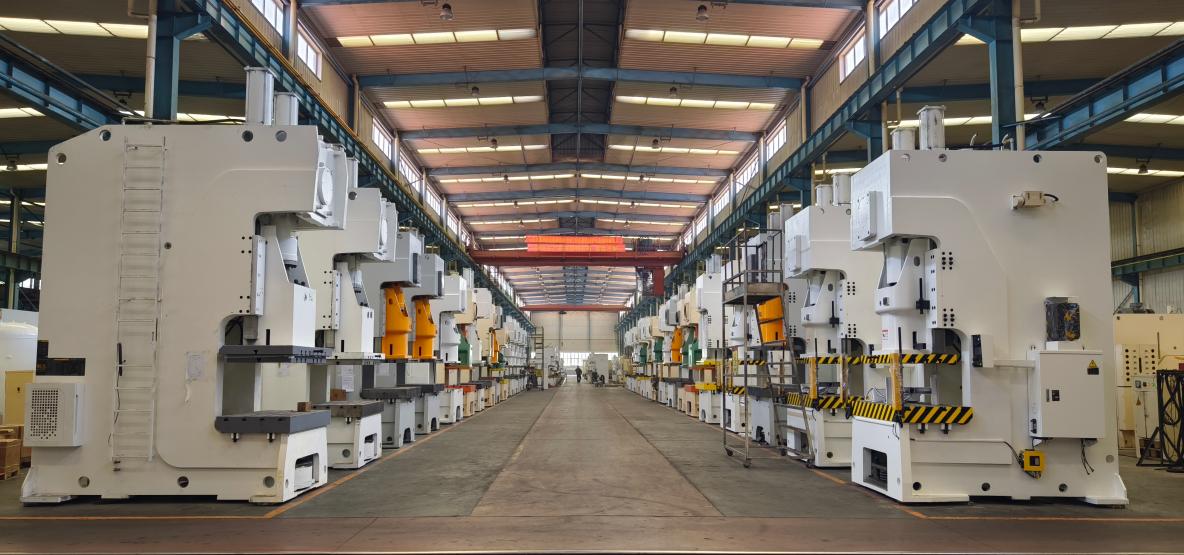
Boosting Throughput with CNC Automation
Today's CNC punch presses fitted with automatic tool changers can punch more holes per minute and reset for a new job within seconds. For workloads that mix many part types in small volumes, this adaptability changes everything.
Reducing Labor and Minimizing Errors
After adding robotic sheet loaders and unloaders, I have watched labor hours fall by as much as 40 percent while scrap rates dropped sharply, simply because a robot never misplaces a sheet or skips a program step.
Meeting Tight Delivery Windows
An automated line can keep running without staff on site. When customers expect round-the-clock turnaround, unattended overnight punching is the most dependable way to meet the deadline.
Key Components of an Automated Punching Cell
Robotic Loading and Unloading Arms
These units lift raw blanks from a pallet, place them with precision, and then stack the finished parts. Choose systems that can handle your largest sheet in both size and weight, with some capacity to spare.
Intelligent Tool Management
Sophisticated turret systems track tool wear and adjust punching parameters on their own. This self-correction keeps hole quality steady without needing an operator to step in.
Integrated Nesting Software
Automatic sheet nesting makes the most of the material while sequencing the punching order to keep turret rotation to a minimum, another modest speed gain that accumulates over thousands of parts.
Calculating ROI on Automation Investments
Estimating Payback with a Punch Press Automation ROI Calculator
To judge the true payback, I feed three figures into a basic ROI calculator: annual part volume, fully loaded labor cost, and the expected rise in uptime. If the net savings cover the capital cost within three years, I treat the project as viable.
Hidden Costs to Watch For
Budget for safety fencing, operator training, and regular software upgrades. Overlooking these seemingly minor items will eat into the gains you expect from automating your punching machines.
Financing and Grants
Many regions provide tax credits for adopting industrial automation that improves worker safety or energy efficiency. I have managed to offset as much as 15 percent of equipment cost that way.
Step-by-Step Guide to Implementing Automated Punching
Step 1 – Audit Your Existing Workflow
Chart every touchpoint, from the arrival of raw sheets to the palletizing of finished parts. The audit will expose which manual steps are creating bottlenecks.
Step 2 – Select the Right Punch Press Model
Match tonnage, hit rate, and turret capacity to your heaviest and fastest-moving part family first. Buying too much costs more up front, while buying too little chokes throughput.
Step 3 – Integrate Material Handling
Coordinate with your forklift routes and raw-sheet storage. A robot that cannot be refilled quickly will starve the press, however fast it cycles.
Step 4 – Program and Test Nesting Software
Run pilot jobs that stretch the system, with unusual shapes, micro-tabs, and mixed gauges, before switching over to full production.
Step 5 – Train Operators for Monitoring, Not Manual Loading
Your team's job shifts from hands-on handling to oversight and preventive maintenance. I schedule refresher training every six months.
Maintenance Tips for Automated Punching Lines
Routine Lubrication and Cleaning
Robots gather dust too. Wiping down sensors and grippers once a week prevents misfeeds that bring production to a halt.
Predictive Tool Wear Monitoring
Use the built-in counters on the control to replace inserts before the edge breaks down. A chipped punch ruins parts, and your reputation, faster than any other failure.
Software Updates and Data Backups
Keep the PLC firmware and nesting packages up to date. I once lost half a shift to an outdated communication driver, an entirely preventable mistake.
FAQs
How much maintenance does automation in punching machines add?
Very little. The robot's scheduled service intervals align with those of the punch press, so both can be handled in a single downtime window.
Will automation handle small batch sizes economically?
Yes, as long as your turret supports automatic tool change and your nesting software optimizes setups. The quick changeover offsets the low volume.
Does automated punching require a bigger shop floor?
Not necessarily. Many cells take the place of manual staging tables, so the footprint can stay nearly the same while productivity rises.
What safety measures are mandatory?
Light curtains, emergency stops, and interlocked gates are standard. Always check local regulations before installation.
Conclusion
Automation in punching machines is no silver bullet, but when the numbers add up it delivers faster throughput, lower labor costs, and more consistent quality. By auditing your current workflow, choosing the right hardware, and preparing your team for new roles, you can turn a one-time capital expense into years of competitive advantage.
Ready to explore an automated solution shaped around your parts portfolio? Contact the JUGAO engineering team, and let us start working out your payback today.

