





5 Key Factors When Purchasing Welding Machines
When purchasing welding machines, many enterprises prioritize price and equipment specifications. However, the factors that truly impact subsequent production and usage are often whether the manufacturer possesses genuine equipment manufacturing and welding process capabilities, and whether they can provide suitable solutions tailored to specific product requirements.
This is particularly important when selecting a welding equipment manufacturer, given the diverse range of equipment types, manufacturer specializations, and service models available on the market. When faced with options ranging from spot welders and laser welders to automated welding systems, the choice should not be based solely on product names found in promotional materials.
For factory procurement officers, production managers, and welding process engineers, the following five aspects serve as key criteria for determining whether a Guangdong-based welding equipment manufacturer meets their specific production needs.
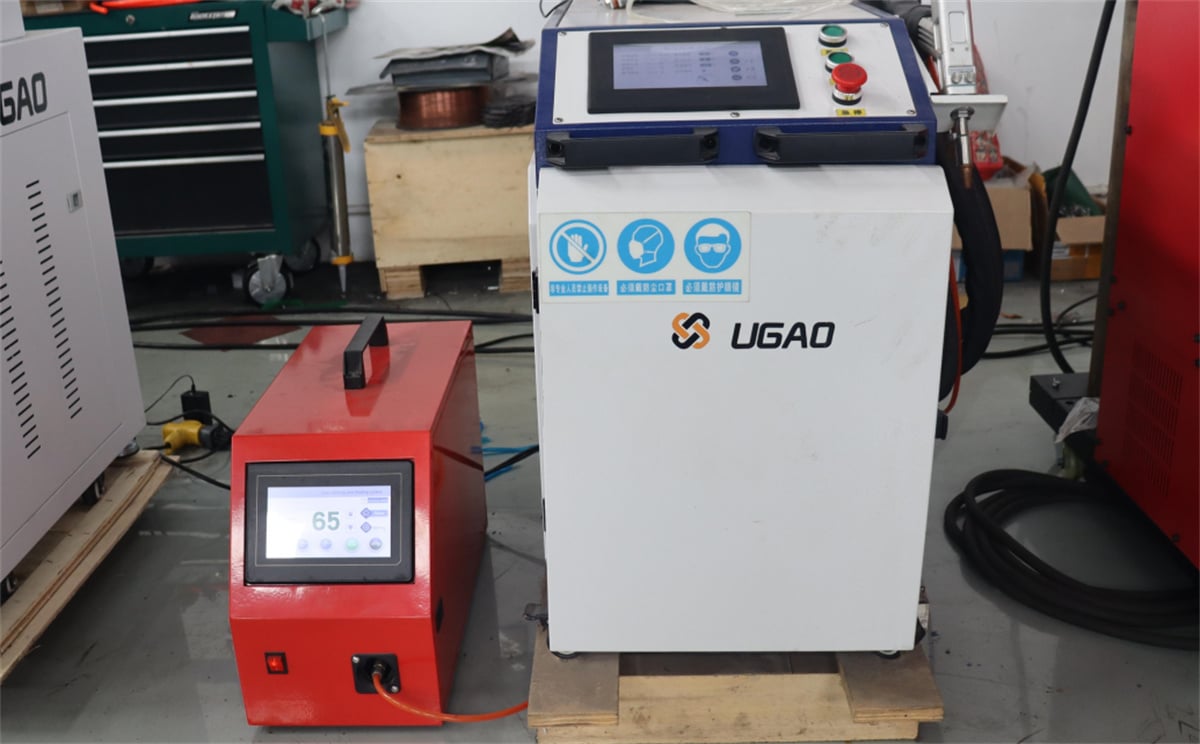
I. Assess the manufacturer's genuine equipment production capabilities
When selecting a welding machine manufacturer, it is crucial to distinguish between a mere "equipment reseller" and a "welding equipment manufacturer" that possesses in-house R&D and production capabilities.
Welding equipment involves multiple disciplines, including mechanical structure, electrical control, welding processes, and automation. Manufacturers with in-house R&D and production capabilities are generally better equipped to configure equipment and adjust solutions to meet diverse product requirements.
Therefore, when evaluating a manufacturer, focus on the following:
Do they possess independent R&D and production capabilities?
What types of welding equipment do they primarily manufacture?
Can they provide automation solutions beyond standard equipment offerings?
Do they have a dedicated technical service team?
Can they participate in preliminary welding process analysis?
How should you choose a welding equipment manufacturer? The first step is not to ask about the price, but to confirm what the manufacturer is actually capable of doing.
II. Check if the product range aligns with your welding requirements
Different products require different welding methods.
For instance, lap joints in sheet metal might utilize resistance spot welding; laser welding might be considered for certain sheets, structural components, or products requiring continuous seams; and automated welding equipment might be employed for high-volume production, products with numerous weld points, or scenarios with strict production cycle time requirements.
Therefore, the choice of a welding machine manufacturer must be grounded in the actual product requirements. Key offerings include:
Resistance welding equipment:
Spot welders, medium-frequency inverter DC spot welders, capacitor discharge spot welders, platform-style mark-free spot welders, benchtop precision spot welders, automated multi-point spot welding systems, gantry-style spot welding systems, etc.
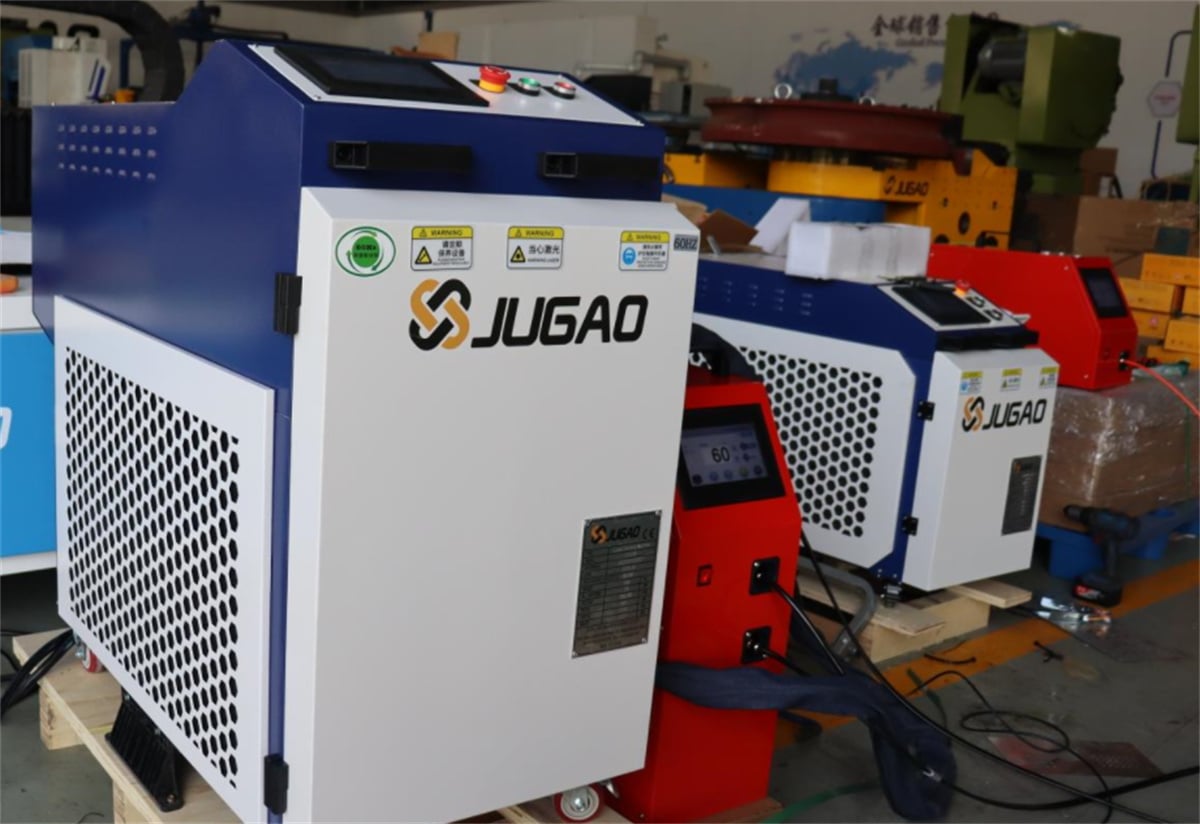
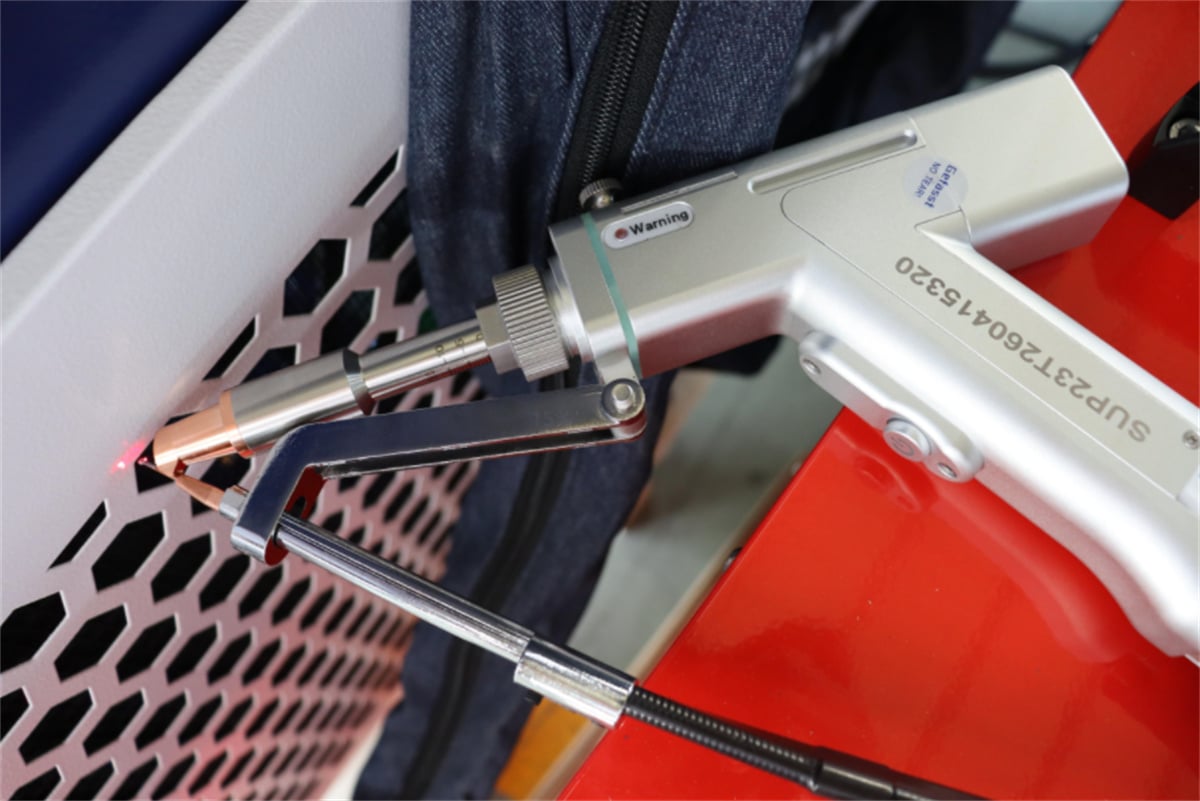
Laser welding equipment:
Handheld fiber laser welders, air-cooled/water-cooled laser welding systems, laser welders with automatic wire feeders, articulated-arm laser welders, platform-style mark-free laser spot welders, galvanometer-based laser welding systems, etc.
Automated welding equipment:
Robotic welding workstations, automated spot welding production lines, custom-engineered automated welding lines, as well as welding jigs and fixtures, loading/unloading systems, and automation integration services.
Manufacturers with a comprehensive product range can offer equipment tailored to specific welding needs, rather than forcing customers to choose from a limited selection of models.
III. Assess the manufacturer's ability to solve practical welding process challenges
Ultimately, the usability of the equipment comes down to the product itself.
When the same welding machine is used for different materials, thicknesses, or product structures, the actual welding requirements may vary significantly.
For instance, materials such as stainless steel, copper, aluminum, galvanized sheet, nickel, and enameled wire differ in terms of electrical conductivity, thermal conductivity, and surface characteristics, thereby imposing different demands on welding equipment and process control.
Therefore, before purchasing, it is advisable to provide the manufacturer with the following:
Product samples or drawings + material specifications + thickness + weld point/seam location + welding requirements + production cycle time.
Having the manufacturer analyze the welding method based on this information—and then determine the appropriate equipment type and configuration—is far more rational than simply recommending a machine based solely on the material name.
For projects that cannot be fully evaluated based on documentation alone, verification can be conducted through test welding and sample production. Specific welding parameters must also be tested against the actual product, rather than simply applying a set of fixed parameters.
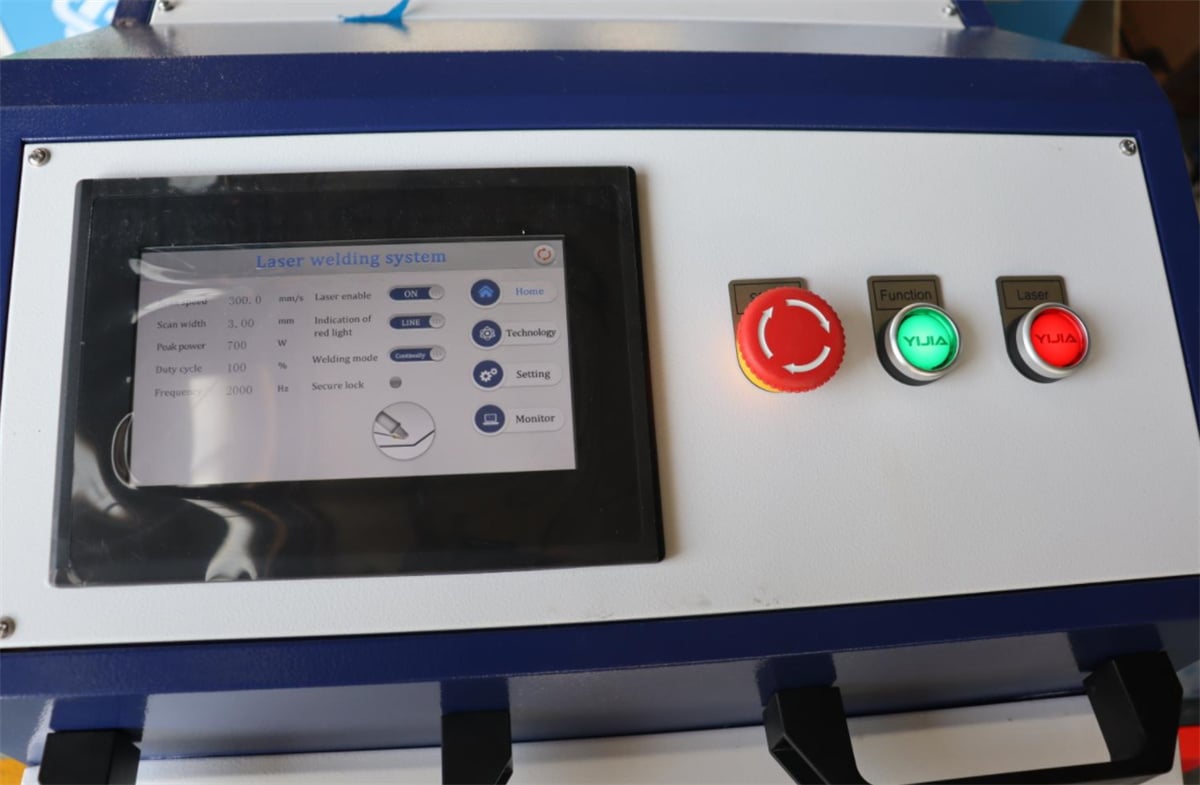
IV. Assess the manufacturer's capability to scale from standalone units to automation
For enterprises just beginning to purchase welding equipment, a standard welding machine may suffice for current needs. However, when a product enters the mass production stage, welding equipment often needs to be integrated with tooling, loading/unloading systems, and production cycle requirements.
For example:
Manual operation → Tooling positioning → Automatic welding → Automatic loading/unloading → Multi-station production
Different production stages require varying levels of automation; therefore, a manufacturer's automation integration capabilities are a key factor to consider.
In addition to standalone welding equipment, JUGAO offers robotic welding workstations, automated spot welding lines, and custom-engineered automated welding lines, along with welding jigs/fixtures, loading/unloading systems, and automation integration services.
For enterprises, this ability to extend beyond the product itself to provide comprehensive solutions ensures that equipment procurement aligns closely with actual production needs, rather than simply resulting in the purchase of an isolated welding machine.
V. Evaluate the completeness of pre-sales, in-process, and after-sales services
Welding machines are production assets; the purchase itself does not mark the end of the project.
Technical issues can arise at any stage—from initial equipment selection and test welding to installation, commissioning, and ongoing production use. Therefore, when evaluating a welding equipment manufacturer, it is essential to understand the scope of services they provide.
Comprehensive service offerings typically include:
Pre-sales: Equipment selection, welding process analysis, and solution consultation;
Test welding: Free test welding or sample production based on actual products;
Equipment delivery: Commissioning and relevant technical support;
Operational phase: Operator training and technical guidance;
After-sales: Ongoing technical support based on equipment usage.
JUGAO currently provides services including equipment selection, welding process solutions, free test welding/sampling, equipment commissioning, technical training, and after-sales support.
For procurement professionals, rather than focusing solely on the price of the equipment, it is more beneficial to understand the processes for selection, validation, and commissioning, as well as who will provide ongoing technical support.
Summary
How should you choose a welding equipment manufacturer? The decision boils down to five key factors: production capacity, product range, process capabilities, automation capabilities, and service capabilities.
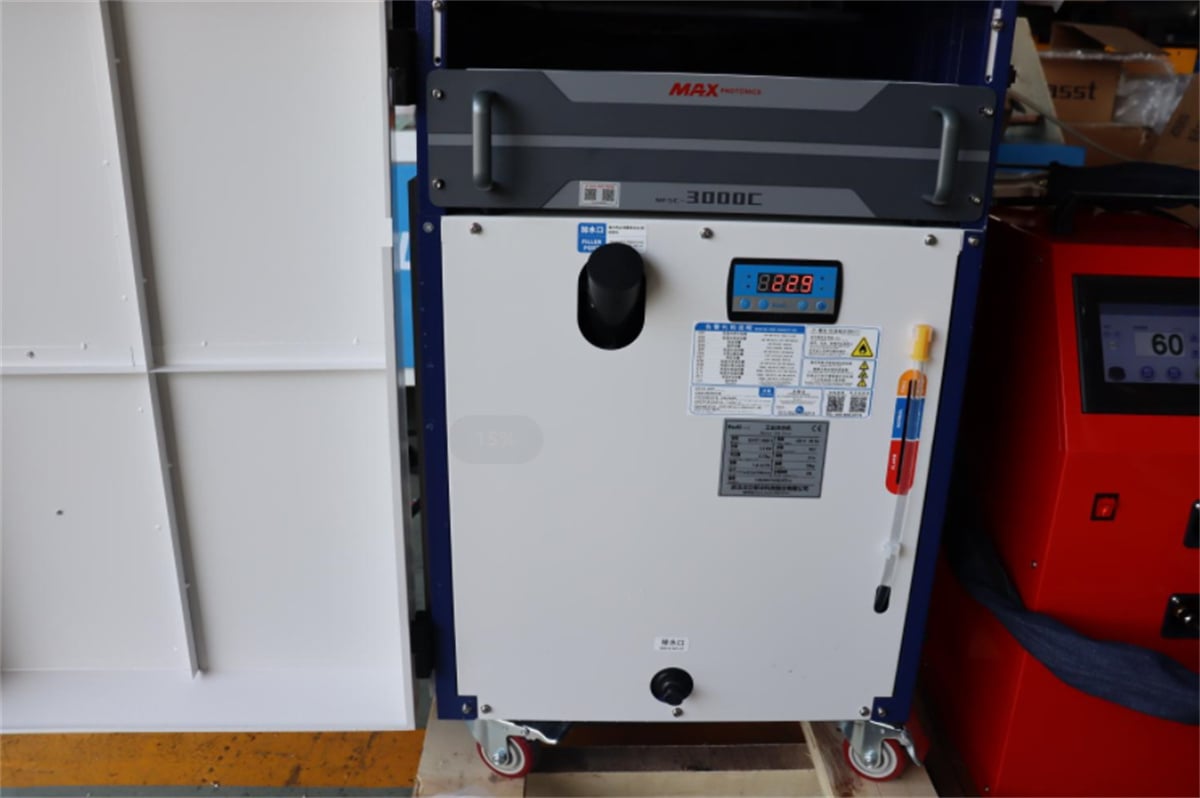
When purchasing welding equipment, in particular, it is not advisable to base your decision solely on price or a single technical parameter. For specific projects, the product structure, materials, thickness, welding locations, and production cycle time should first be defined; subsequently, the appropriate welding method should be determined and validated through trial welding.

