





What is the difference between spot welding machines and laser welding machines?
In metal processing and manufacturing, both spot welding machines and laserwelding machines are common types of welding equipment; however, they differsignificantly in terms of welding principles, suitable applications, equipmentstructure, and production methods.
For businesses seeking welding equipment manufacturers, the first step whenfaced with various options on the market is to understand the differencesbetween spot welding and laser welding. Equipment should be selected based onspecific product characteristics and production requirements, rather than simplytrying to determine which type is "better."
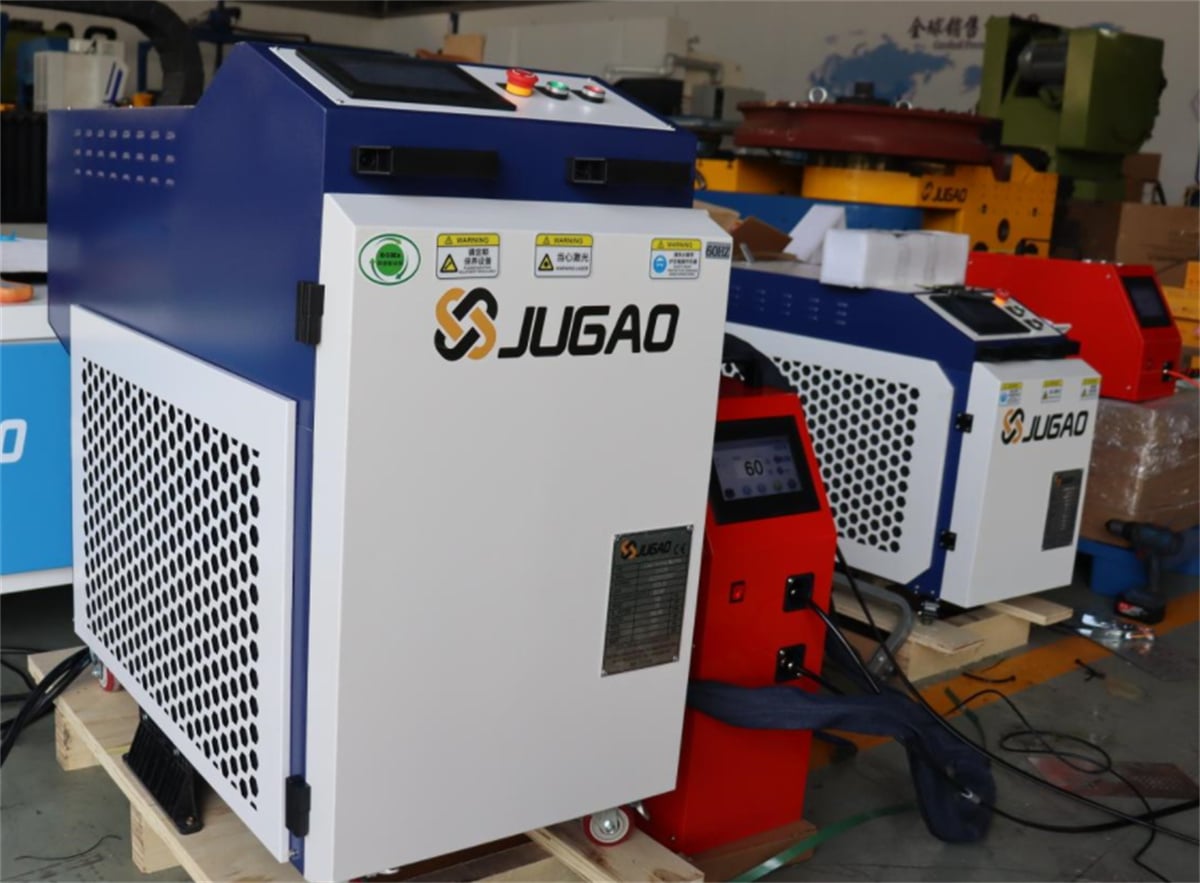
So, what exactly distinguishes spot welding machines from laser weldingmachines, and for which scenarios is each best suited?
I. Different welding principles
Spot welding machines are a type of resistance welding equipment. Theyprimarily function by applying pressure to the workpiece via electrodes whilesimultaneously passing a welding current through it; this generates heat at thecontact area, creating a weld spot.
Consequently, spot welding typically requires physical contact between theelectrodes and the workpiece. It is well-suited for products that requireconnections at specific, fixed points.
Laser welding machines, on the other hand, utilize a high-energy-densitylaser beam directed at the material's surface, causing the weld zone to meltrapidly and form a weld seam. Depending on the product structure, laser weldingcan be performed as continuous welding, spot welding, or welding along aspecific path.
Simply put:
Spot welding focuses on "joining via weld spots," whereas laser weldingfocuses on "joining via laser-induced melting."
There is no simple one-to-one replacement relationship between the two; theactual choice depends on the product structure and process requirements.
II. Which products are best suited for spot welding machines?
Spot welding is characterized by high welding speeds and suitability formulti-point connections, making it widely used in mass manufacturing.
Examples include:
Metal wire products and mesh panels;
Hardware stampings;
Sheet metal structural components;
Metal parts for home appliances;
Automotive components;
Metal connectors for electronics and electrical appliances;
Metal components for batteries and new energy applications.
For certain products, the workpiece is designed with multiple fixed weldpoints; the process simply requires accurately positioning the upper and lowerlayers of material and using electrodes to complete the weld. In such cases,spot welding equipment is often the more straightforward choice.
III. Which products are best suited for laser welding machines?
One characteristic of laser welding is the concentration of the weld zone;the welding path can be tailored to the product's structural design.Consequently, it is widely used in precision metal processing, applicationsrequiring high aesthetic standards, and the production of complex structuralcomponents.
Common applications include:
Hardware and sheet metal: Welding of metal structural parts such as stainlesssteel and galvanized sheets;
New energy and energy storage: Battery enclosures, metal structuralcomponents, etc.;
Home appliances and kitchenware: Metal housings, brackets, and relatedstructural parts;
Precision electronics manufacturing: Metal parts requiring high weldingprecision and aesthetic quality;
Automotive and components: Welding of specific metal structural parts andcomponents.
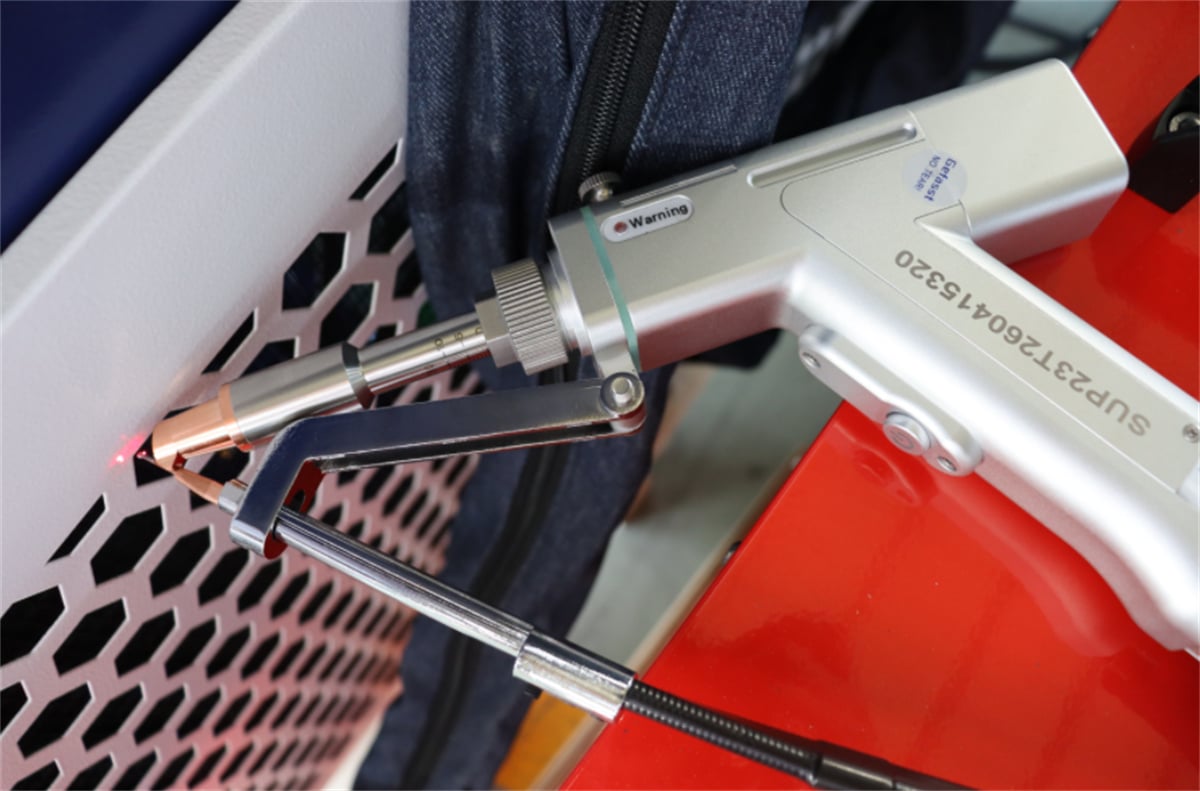
Laser welding equipment comes in various forms, such as handheld laserwelders with automatic wire feeders, air-cooled laser welders, flatbed"mark-free" laser welders, galvanometer-based laser welders, and robotic laserwelding workstations.
Therefore, "laser welder" does not refer to a single type of equipment; thespecific choice depends on the product's manufacturing process requirements.
IV. How do the production methods of spot welding and laser weldingdiffer?
There are significant differences in production methods between the twowelding processes.
Spot welding typically requires the electrode to make contact with theworkpiece; the welding location is constrained by the electrode's structure andthe accessibility of the workpiece. For products requiring numerous weld points,production efficiency can be improved through multi-point welding, specializedtooling, or automated equipment.
Laser welding, by contrast, directs the beam onto a specific location. It canweld areas that are difficult for traditional electrodes to reach by utilizingthe equipment's configuration and appropriate tooling.
In automated production, laser welding can be integrated with robots, motionplatforms, and vision positioning systems to achieve highly flexible controlover the welding path.
Therefore, spot welding is a strong candidate for products requiring fixedweld points and high-speed, batch-style joining. Laser welding should beconsidered for products requiring continuous seams, complex paths, or highaesthetic standards for the weld.
V. How do you choose between a spot welder and a laser welder?
When purchasing equipment, enterprises can evaluate options based on thefollowing factors:
| Comparison Criteria | Spot welding machine | Laser welding machine |
| Welding Method | Resistance welding | Laser fusion welding |
| Primary Joint Configuration | Spot welding | Spot welding, continuous seam welding, path welding |
| Workpiece Contact | Typically requires electrode contact | Laser beam applied to the welding zone |
| Common Applications | Stamped parts, wire mesh, hardware components, etc. | Sheet metal, precision parts, structural components,etc. |
| Automation Type | Multi-point welding, automatic spot welding | Platforms, galvanometer scanners, robots, etc. |
| Key Selection Factors | Current, pressure, time, electrodes, etc. | Laser power, material, sheet thickness, weld seam,etc. |
Note: This table serves only for a preliminary understanding and should notbe used as the sole basis for equipment selection.
Before finalizing the equipment choice, it is essential to conduct processvalidation using actual product samples.
VI. Why is trial welding recommended when purchasing welding equipment?
Whether choosing spot welding or laser welding, relying solely on productnames or equipment specifications can lead to inaccuracies.
For instance, even with stainless steel products, variations in platethickness, structural design, and weld point locations can result in differentrequirements for equipment configuration and welding parameters.
A logical workflow is as follows:
Product samples/drawings → Material and thickness confirmation → Weldlocation analysis → Process plan → Sample trial welding → Inspection of weldquality → Equipment finalization
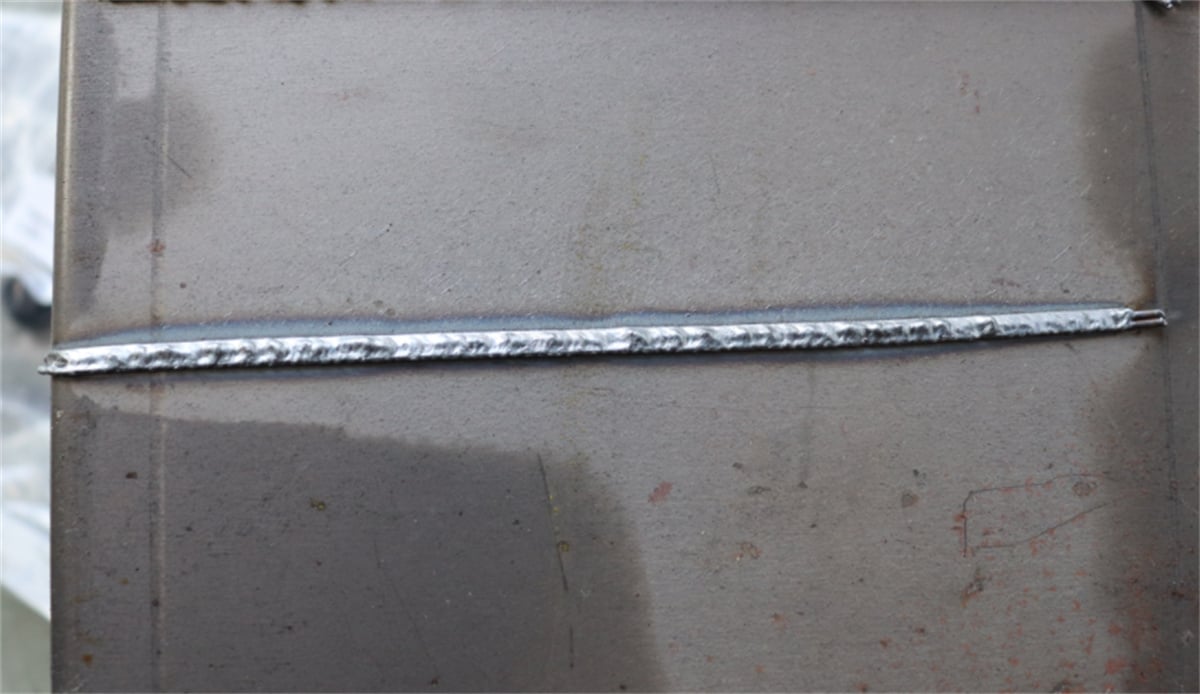
For enterprises, trial welding not only allows for the assessment of weldquality but also provides early insight into equipment operation, productioncycle times, and the compatibility between the product and the equipment.
Conclusion
Spot welding is better suited for products primarily requiring fixed-pointconnections, whereas laser welding accommodates continuous seams, path welding,and applications demanding high precision and superior aesthetic finishes. Whenselecting welding equipment, the most critical factor for enterprises toconsider is the compatibility between the product and the welding process.

