





Why is maintaining the production efficiency of pipe bending machines crucial for daily production?
The mechanical, hydraulic and control systems of pipe bending machines are under high load for a long time. Without structured, efficiency-oriented maintenance, any minor fault can quickly become a production bottleneck.
The relationship between maintenance and productivity
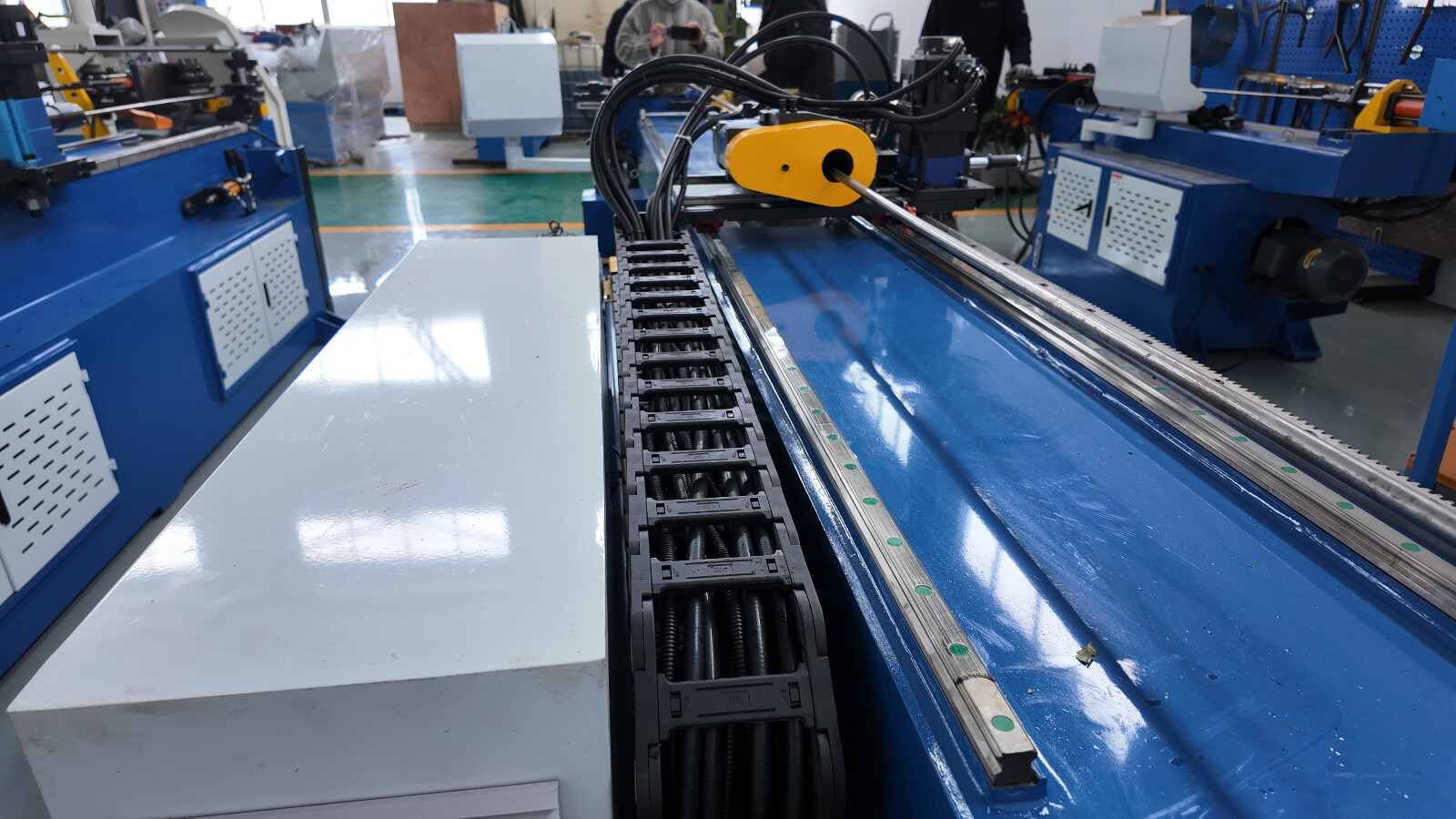
The core principle of productivity maintenance for pipe bending machines is to keep the equipment in optimal condition at all times. Meticulous maintenance of guide rails, mandrels, clamps, and servo drives directly results in faster cycles, fewer corrections, and stable cycle times—crucial for daily production planning. Experience shows that equipment adhering to this maintenance philosophy operates more stably, experiences fewer breakdowns, and delivers more predictable output.
Preventing minor problems from escalating into major outages
Many production delays stem from overlooking subtle warning signs such as abnormal noise, slight angular deviations, or sluggish axial response. Pipe bending machine productivity maintenance solutions are designed to help operators identify and correct these potential problems early. By promptly tightening fasteners, fine-tuning alignment, and checking lubrication points, unexpected downtime can be effectively avoided, ensuring the smooth execution of daily production plans and the fulfillment of delivery commitments.
Routine checks to ensure productivity
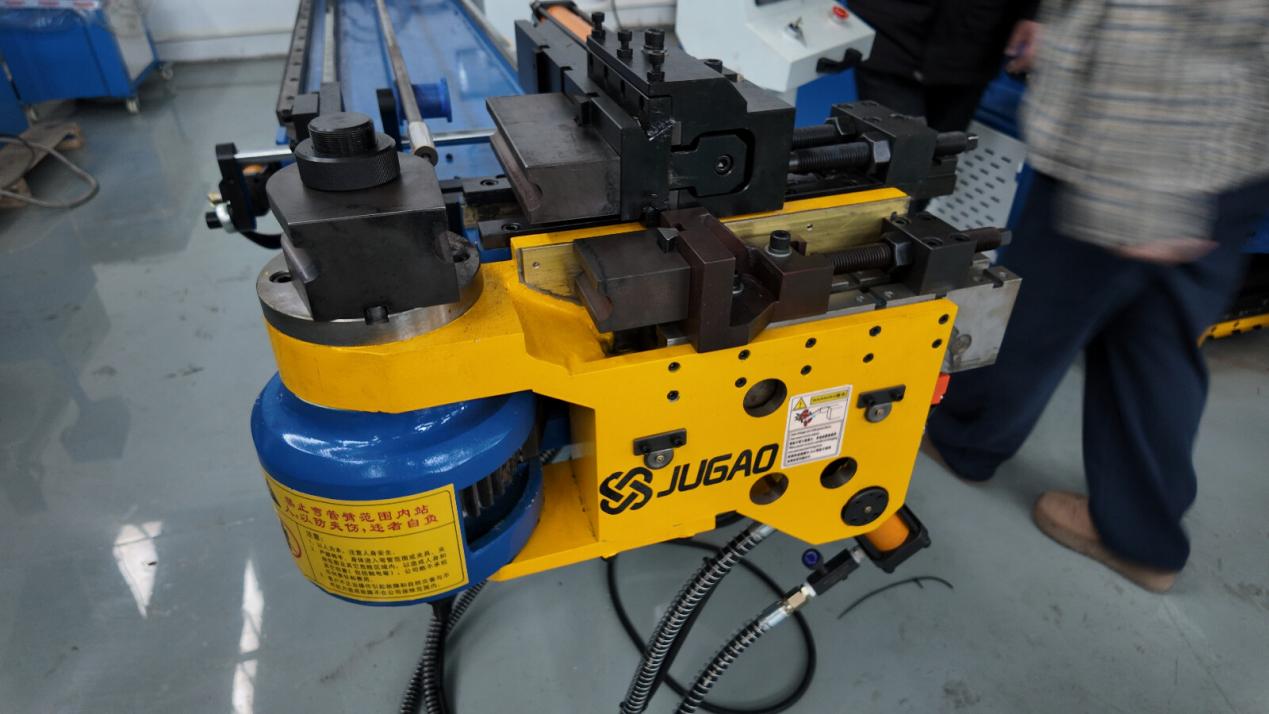
Before starting work each day, please be sure to complete three checks: mandrel alignment, clamp pressure, and mold positioning. These simple actions are the first line of defense against rework of defective products. By consistently doing so, the production efficiency of the pipe bending machine can be maintained, ensuring consistency in quality between the first and last pieces.
Lubrication and its effect on bending speed
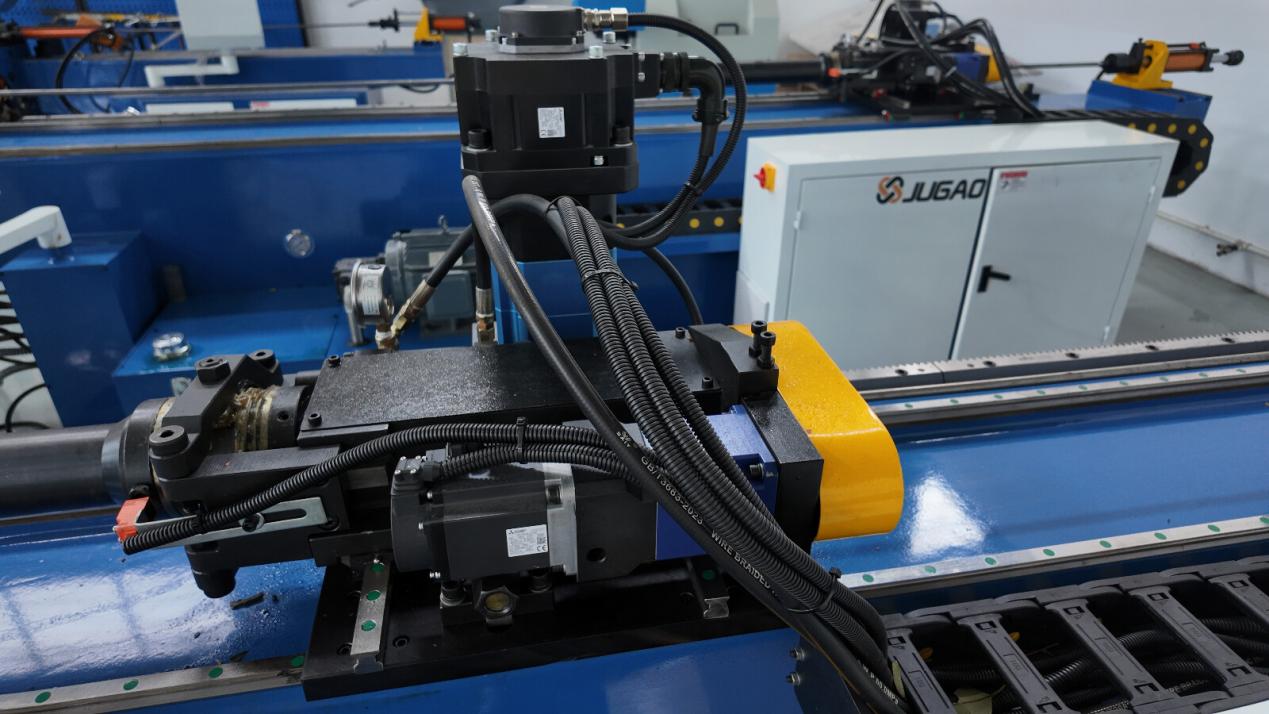
Proper lubrication minimizes friction between the guide rail, rotating shaft, and mandrel; insufficient lubrication increases resistance, slows speed, and triggers servo overload alarms. Based on this principle, continuous lubrication is crucial for maintaining the efficiency of pipe bending machines—it ensures smooth movement and stable cycle times.
Monitor tool wear and alignment.
Bending accuracy and production efficiency often depend on the condition of the mold. I recommend regularly checking the wear of the pressure die, scraper, and mandrel, and replacing or regrinding them promptly. This simple maintenance routine ensures consistent quality while maintaining speed, thus successfully achieving daily production targets.
How preventative maintenance can improve the productivity of pipe bending machines
Preventative maintenance is the foundation of long-term productivity. It enables you to plan maintenance around production, rather than reactively dealing with failures.
Regular maintenance and emergency repairs
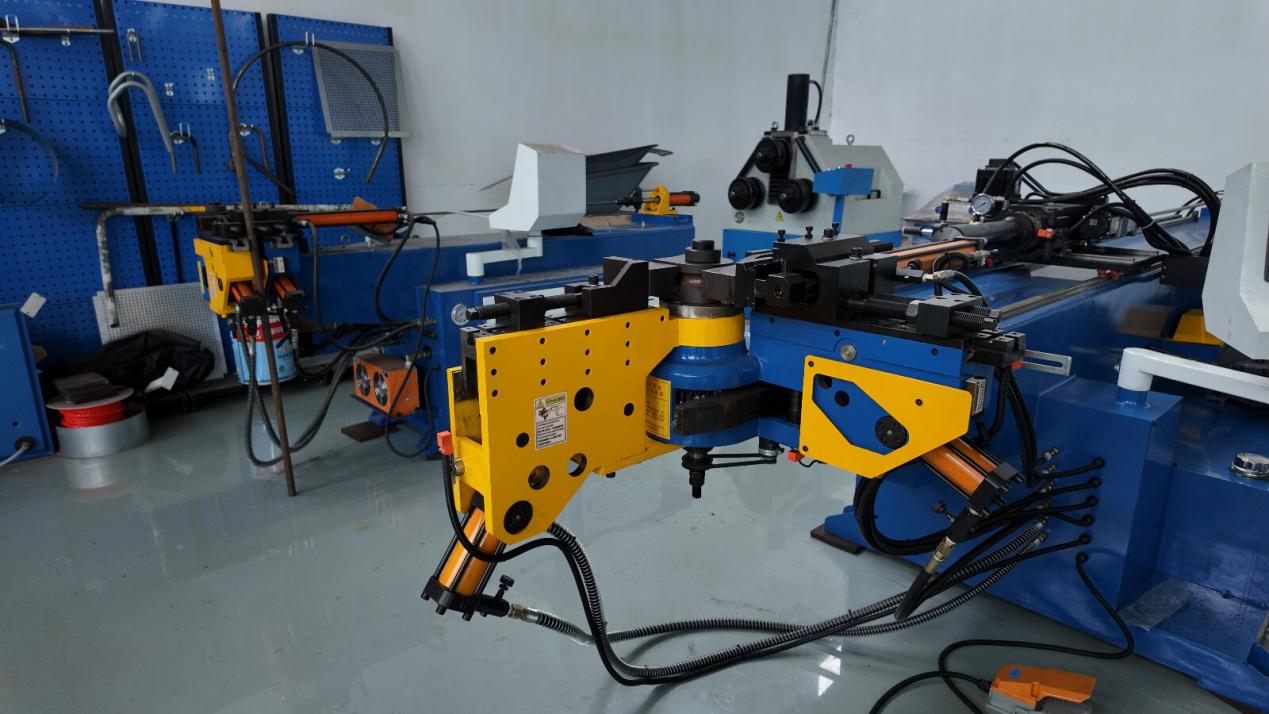
Maintaining production efficiency relies on regular inspections and adjustments, rather than emergency repairs. The former can be carried out during off-peak hours, while the latter often leads to complete production interruptions. Ultimately, preventative maintenance is more time-efficient and cost-effective than reactive repairs, making it an inevitable choice when efficiency is prioritized.
Maintaining control system stability
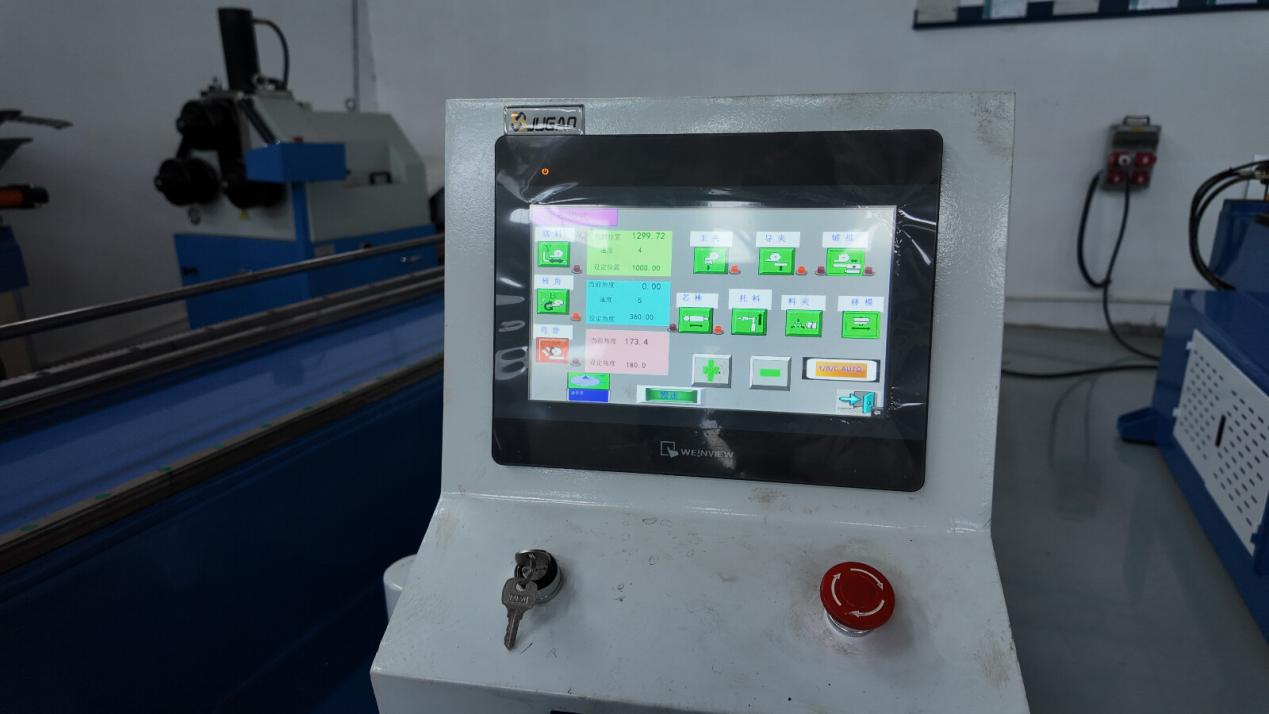
Modern CNC pipe bending machines rely heavily on software, sensors, and servo systems. Maintaining production efficiency hinges on regularly checking encoder signals, calibrating sensors, and stabilizing software parameters. A stable control system reduces production cycle interruptions and ensures consistent bending angles throughout the day.
Common productivity losses caused by improper maintenance of pipe bending machines
If maintenance is neglected, the loss of productivity will gradually but continuously become apparent.
Increased waste and rework
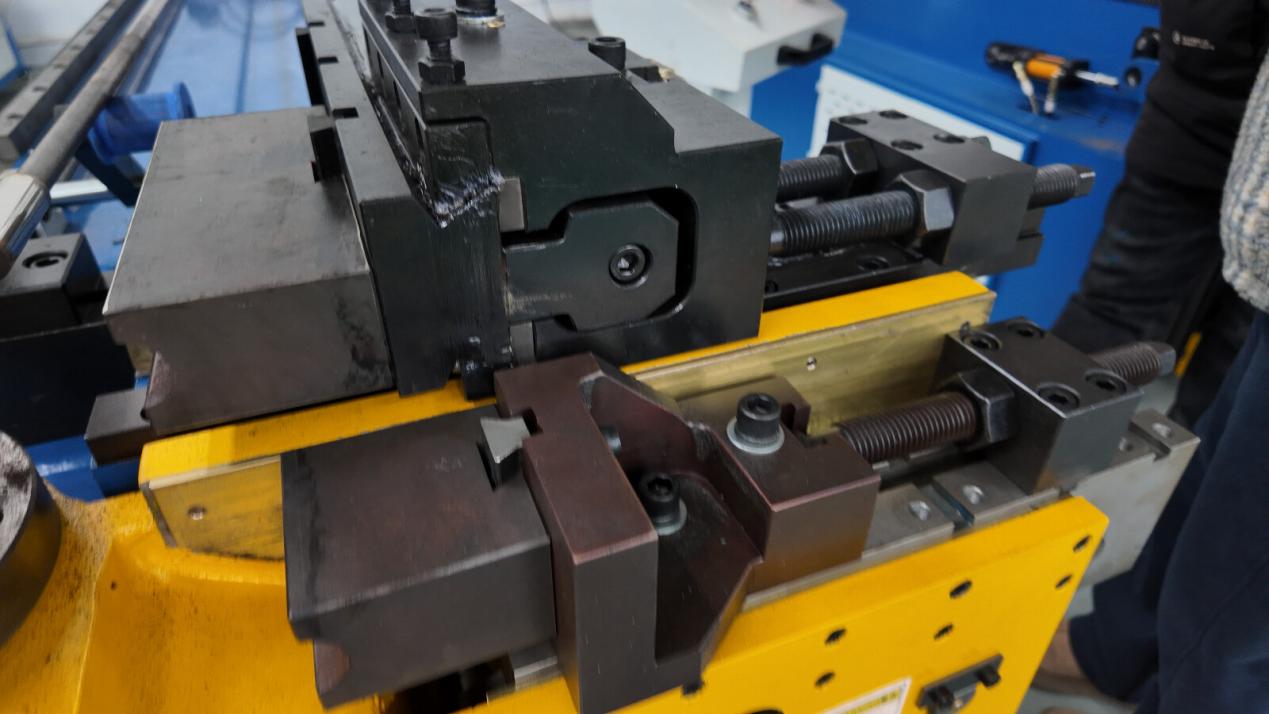
Improper maintenance inevitably leads to deviations in the bending angle and radius. This results in increased scrap and a forced slowdown in production speed—forcing operators to make frequent manual adjustments. These seemingly minor inefficiencies, accumulated over time, will eventually severely impact daily output.
Longer setup and adjustment time
Inadequate machine maintenance inevitably leads to longer setup times. The reasons for this are nothing more than loose parts, inaccurate reference points, and unstable fixtures. Regularly performing production efficiency maintenance is the most effective way to restore speed and predictability to the setup process.
Production efficiency maintenance directly determines the efficiency, accuracy, and reliability of pipe bending machines. Focusing on preventative inspections, lubrication, cutting tools, and control systems results in reduced downtime, lower scrap rates, and stable output. Experience shows that factories that view maintenance as an efficiency tool rather than a repair burden consistently achieve smoother planning and lower costs.

