





How to quickly identify the cause of a pipe bending machine alarm
Once a pipe bending machine alarms, production will immediately stop, resulting in decreased efficiency and potentially damage to the mold if handled improperly. If you wish to quickly understand the causes and solutions to this problem, please read on. This article will guide you on how to diagnose alarm issues, interpret the meaning of different alarm types, and help you accurately pinpoint the problem to restore production in the shortest possible time, ensuring stable machine operation.
Understanding the main causes of pipe bending machine alarms
Causes of electrical alarms in CNC pipe bending machines
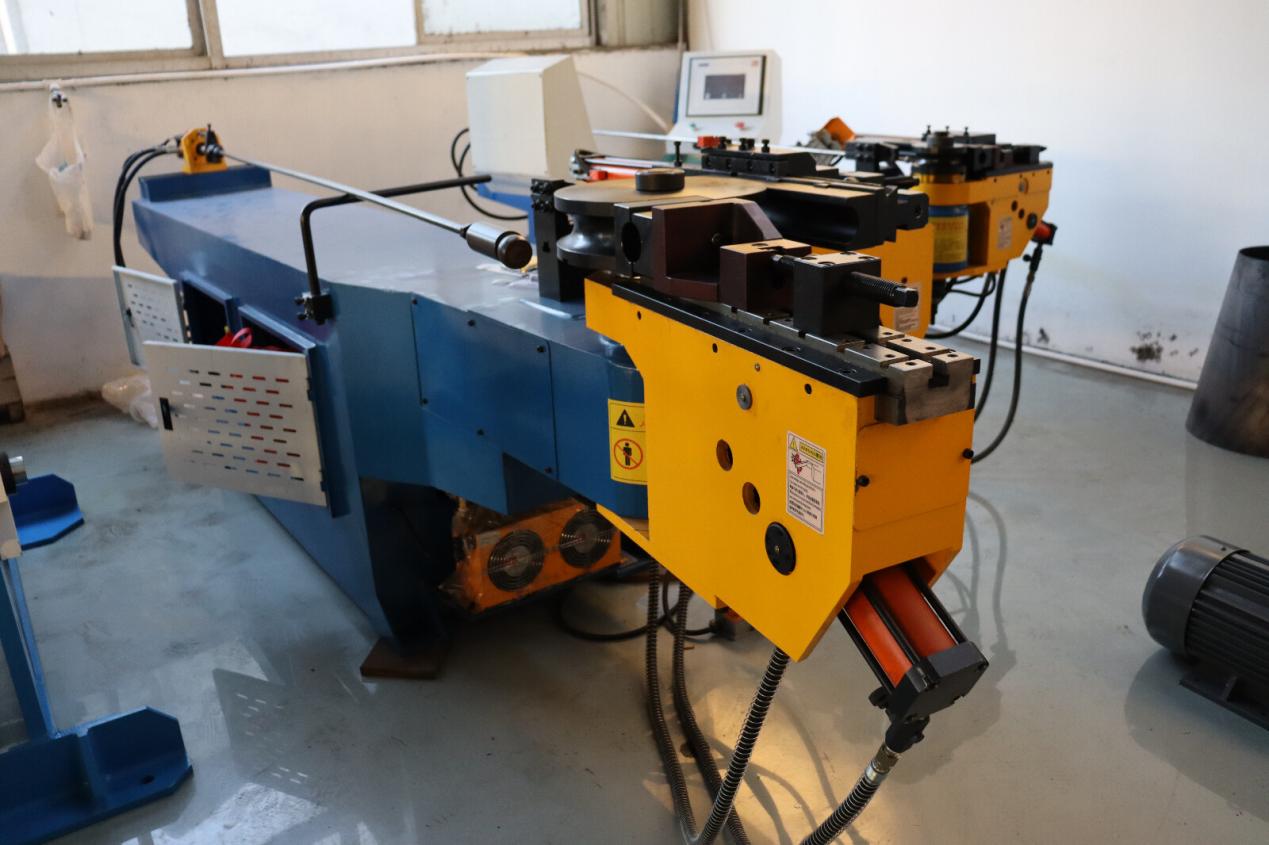
Electrical alarms in CNC pipe bending equipment typically originate from power supply problems (such as voltage fluctuations or blown fuses) or poor grounding, manifesting as the equipment stopping responding or shutting down. The recommended troubleshooting procedure is as follows: First, check the main power supply; a stable voltage is a prerequisite for eliminating false alarms. Then, check the servo drive and electrical cabinet to confirm there is no overheating or loose wiring. This top-down inspection strategy can quickly pinpoint the fault and improve maintenance efficiency.
Causes of alarms on hydraulic pipe bending machines
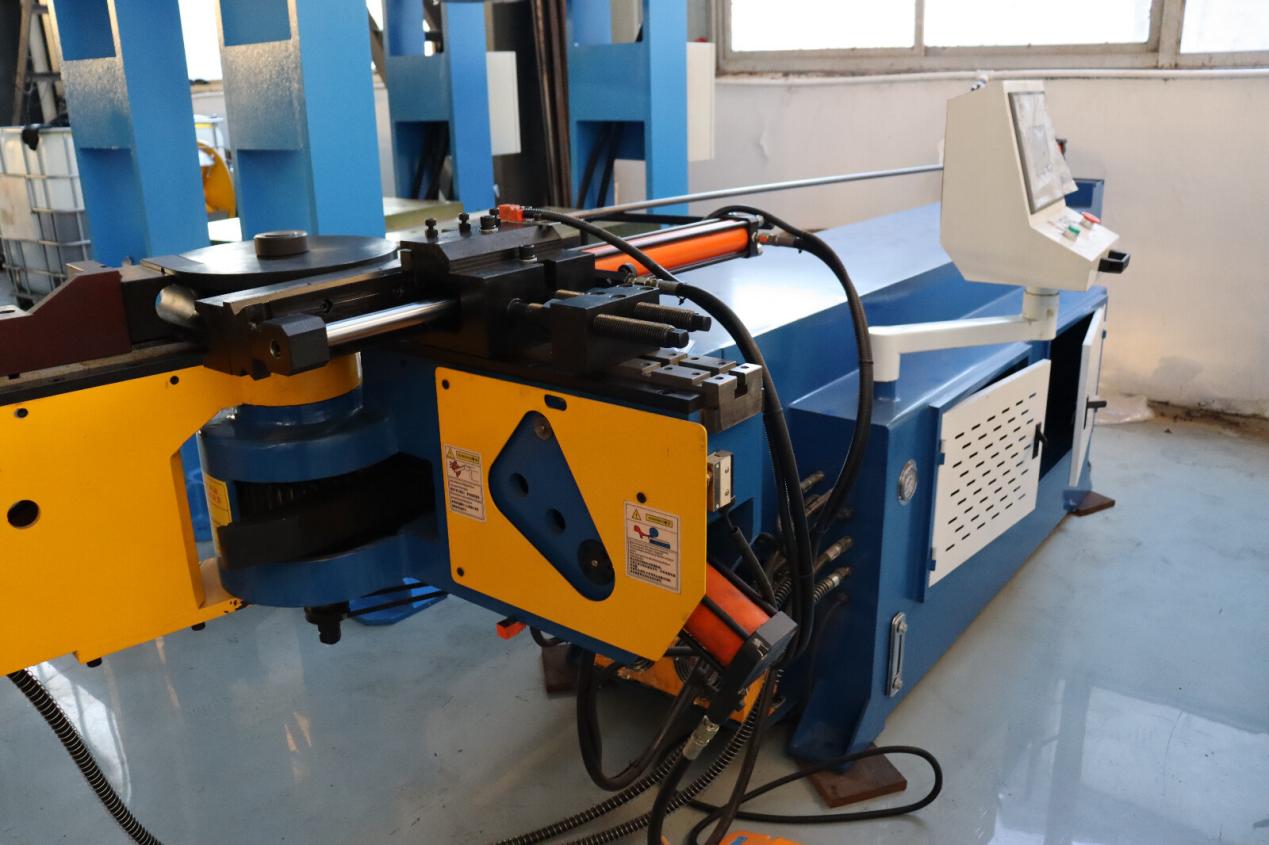
For pipe bending machines, feeding, clamping, bending, and mandrel retraction all rely on the hydraulic system. When the hydraulic pressure is insufficient, the system will issue an alarm. Problems may stem from low oil level, clogged filters, air intake into the system, or a damaged hydraulic pump. My diagnostic steps are: first, observe the pressure gauge to check for leaks, and verify that the oil temperature is normal. If pressure fluctuations occur during bending, it most likely indicates contaminated oil or worn-out seals.
Mechanical alarms are caused by moving axes and cutting tools.
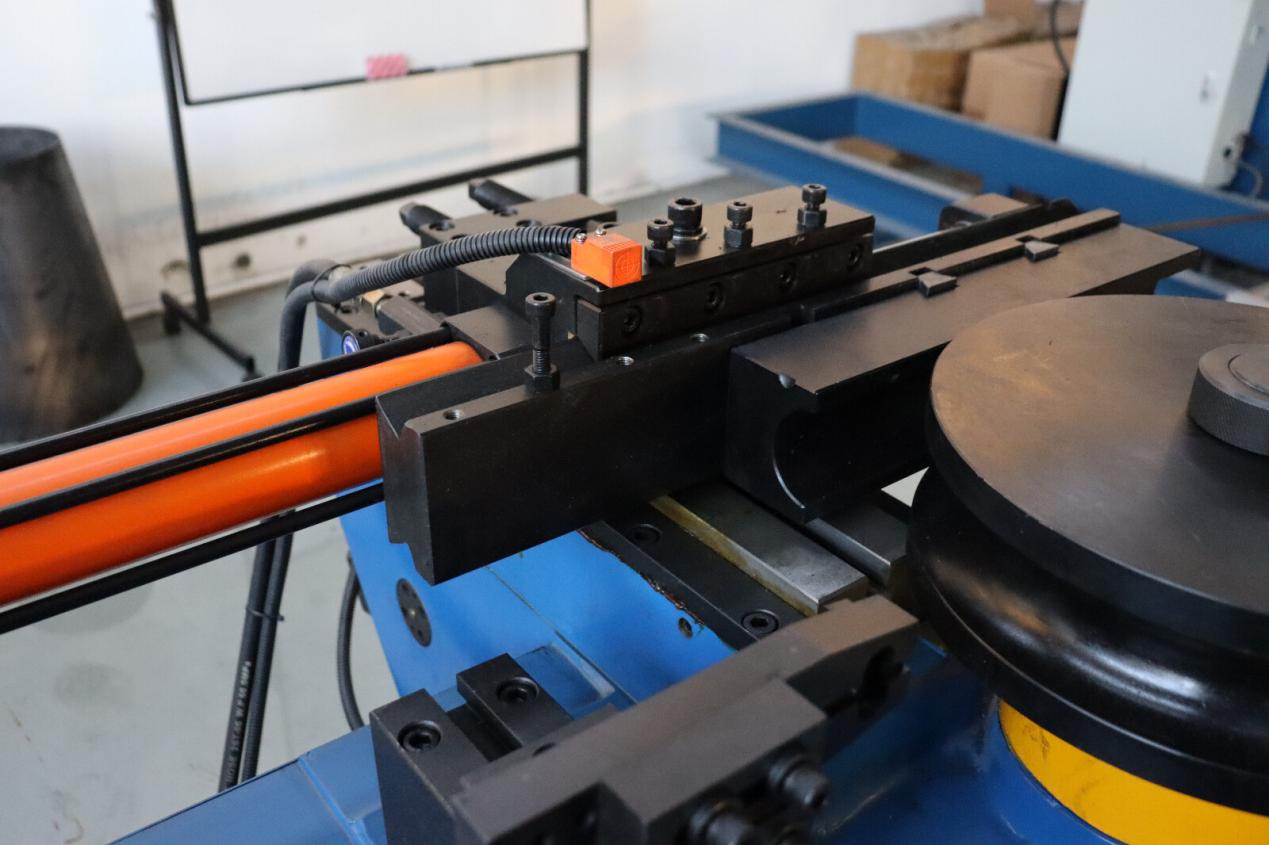
Mechanical alarms typically stem from axis overload, positioning errors, or interference between tool components. During troubleshooting, I first check the guideways, ball screws, and fixtures for blockages or misalignments. Sometimes, improper spindle positioning can also cause overload during bending. Manually testing the movement of each axis helps determine whether the root cause is mechanical friction, improper axis limit settings, or insufficient lubrication.
How to quickly and accurately identify the cause of a pipe bending machine alarm
View the alarm code descriptions on the controller.
The diagnostic process typically begins with interpreting alarm messages from the CNC controller. Most systems, whether PLC-controlled or advanced CNC systems, provide alarm codes and corresponding explanations, which are crucial clues for narrowing down the problem. Next, I will verify whether the alarm can be reproduced, as this serves as an important basis for distinguishing between hardware faults and software anomalies.
Check axis movement using manual fine-tuning mode.
After receiving the alarm code, I switch to manual fine-tuning mode and test each axis one by one. If I find jamming or abnormal noise when testing the bending axis, it can generally be determined to be a mechanical problem; if the axis cannot move at all, the cause is likely to be at the electrical or software level. Through this operation, I can further confirm whether the alarm is related to overload, position deviation, or encoder signal loss.
Verify the condition of the hydraulic system
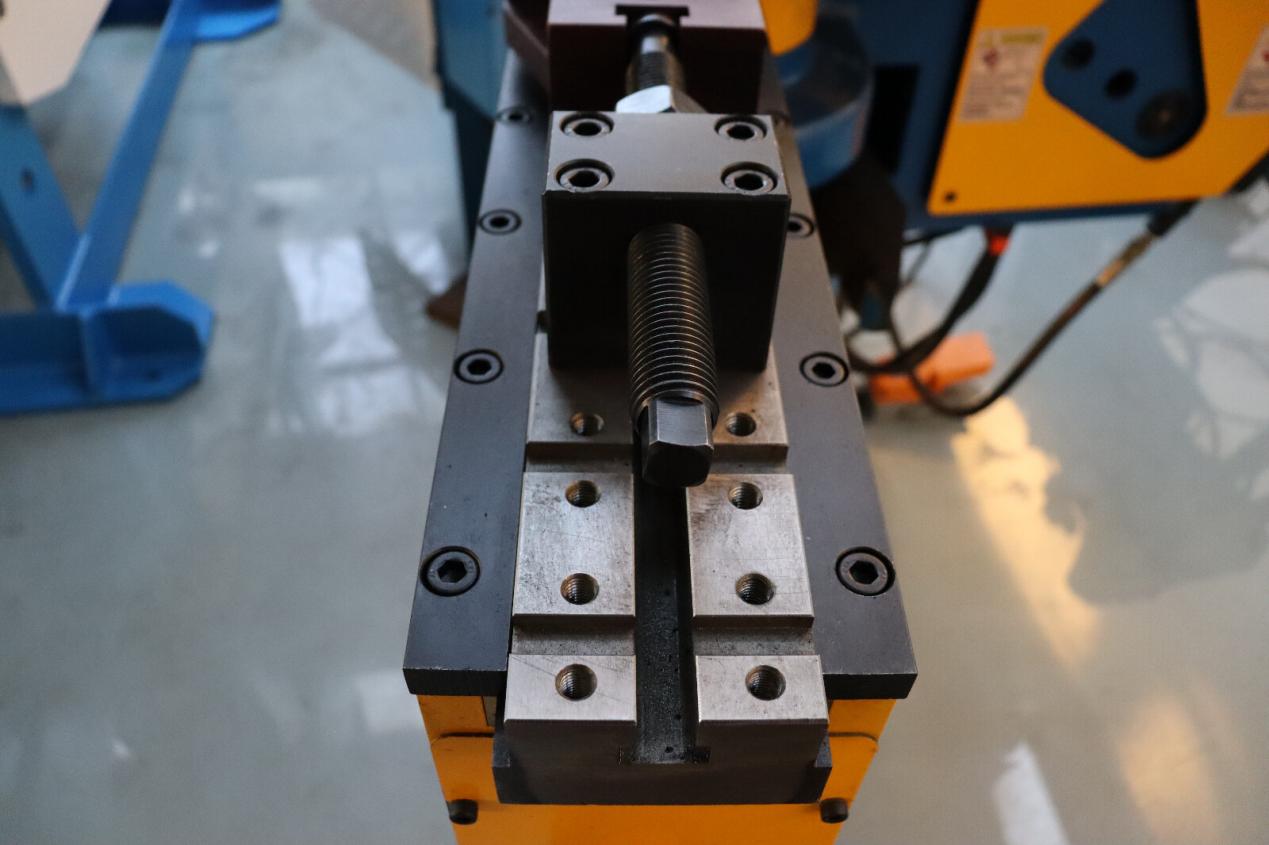
Because hydraulic system instability can cause many pipe bending machine alarms, I always check the hydraulic pump's sound, oil condition, and temperature. Dark-colored oil or a burnt smell usually indicates contamination. Air bubbles in the sight glass indicate cavitation, which can cause intermittent alarms and inconsistent bending quality.
Confirm sensor and limit switch functionality
Sensors are crucial for pipe bending machines, monitoring mandrel position, clamp opening and closing, and axial limits in real time. If a sensor malfunctions or shifts, the system will issue an incorrect alarm signal. My approach is to manually test each sensor individually to ensure its signal response is normal. Usually, retightening a loose bracket or wiping away oil from the sensor surface resolves the problem immediately.
View recent job settings and tool settings
Incorrect program parameter settings, such as incorrect feed length, bending angle, or mandrel step distance, will also trigger equipment alarms. A mandatory step in my troubleshooting process is to verify the program data against the actual tool settings to ensure all parameters match the actual operating conditions. Practical experience shows that discrepancies between tool dimensions and program data are a frequent cause of fault alarms.

