





Why Is Laser Cutting Assist Gas Consumption Too High?
How much assist gas a laser cutter uses matters a great deal in production, because the gas helps lift cutting quality, clears away molten metal, and guards the cutting zone. Yet when too much is burned through, operating costs climb fast. The gas bill usually turns out higher than it should when the machine settings, the upkeep, or the process values have not been tuned properly. In this article I set out the main reasons behind heavy gas use and give practical fixes that cut waste while keeping the cutting steady and the output efficient in real factory work.
The Basics of Assist Gas Usage
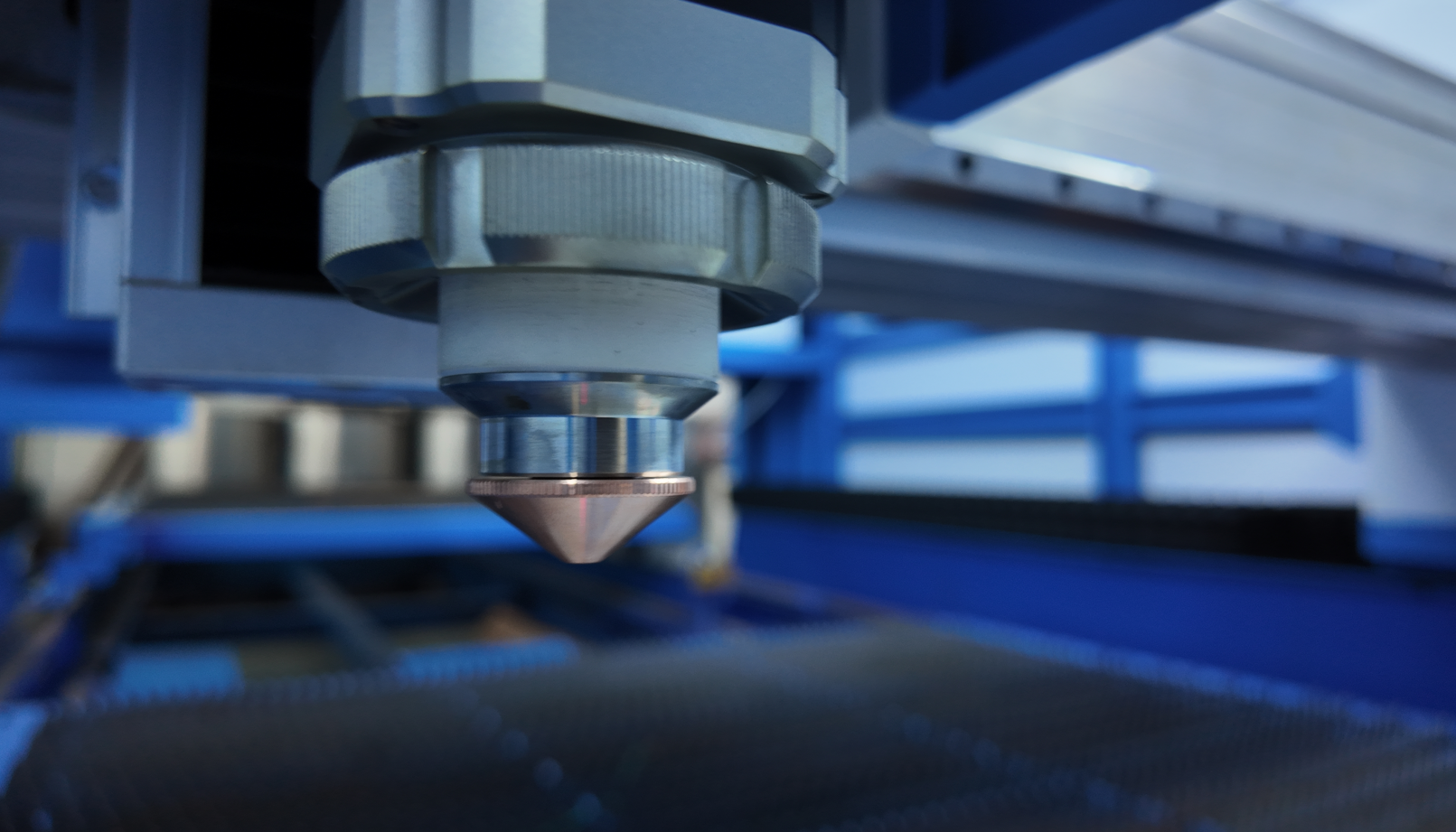
What the Assist Gas Does
Assist gas, whether oxygen, nitrogen, or plain air, blows the molten metal away, feeds the flame in oxygen cutting, and cleans up the edges. The kind of gas and the pressure it is set at shape both the cutting quality and how fast the gas runs out.
How Pressure Ties to Consumption
More pressure does help when cutting thick material, but it also burns far more gas. A great many users run at a pressure that is higher than needed without realising it, so gas goes to waste.
What the Gas Type Changes
Each gas uses itself up in its own way. Nitrogen cutting, for example, wants far more pressure than oxygen cutting, above all on stainless steel and aluminum.
Main Causes of Heavy Assist Gas Use
Cutting Parameters That Are Not Right
The most frequent reason is settings that are off. A nozzle gap that is too wide, a focus position that is wrong, or a pressure that is far too high can all push gas use upward.
A Nozzle That Is Worn or the Wrong Size
A nozzle that is worn out or too big lets gas escape and makes the flow hard to manage, so more is used without any gain in cutting quality.
Upkeep of the Machine That Has Slipped
Leaks in the gas lines, fittings that are loose, or seals that have broken can bleed gas away all the time, even when the machine is sitting idle.
A Cutting Strategy That Is Inefficient
Playing it too safe with the settings, or failing to balance cutting speed and power, usually means gas is spent where it does not need to be.
Ways to Bring Gas Consumption Down
Tune the Gas Pressure
I always tell operators to set the pressure to the material and its thickness, and not to default to the maximum. Small tuning can trim the gas bill by a lot.
Pick the Right Nozzle Size
A nozzle with the correct bore keeps the gas flow steady and cuts waste. Checking worn nozzles often and changing them when needed is a must.
Match the Cutting Parameters
When the laser power, the cutting speed, and the assist gas work together, the material is cleared away well with the least gas possible.
Hunt for Leaks on a Schedule
Go over every gas line, connector, and valve for leaks. Even a small leak can add up to a big loss over weeks.
Use High-Efficiency Cutting Technology
Newer laser systems with smart gas control or adaptive cutting modes can set the gas use by themselves as the cutting conditions change in real time.
Habits That Keep Gas Use Efficient Long Term
Set Standard Operating Parameters
Building a table of parameters for each material keeps operators from pouring on more gas than they need.
Train the Operators Well
Operators who know the trade see how even small moves in pressure and speed change the gas bill.
Keep to a Maintenance Schedule
Routine upkeep keeps the gas flow system steady and roots out hidden leaks and waste.
Frequently Asked Questions
What causes sudden increases in Laser Cutting Assist Gas Consumption?
A sudden jump is usually the work of a gas leak, a damaged nozzle, or a change made to the parameters in the cutting program by mistake.
Can reducing gas pressure affect cutting quality?
It can, but only if the pressure is cut too far. The answer is finding the right balance between pressure and cutting performance for the material.
Which gas is more cost-effective for laser cutting?
Air is the cheapest option for thin material, while oxygen and nitrogen come in for better quality or thicker cuts.
Conclusion
Keeping assist gas use in check is central to lowering operating costs and lifting overall efficiency. Tune the pressure, look after the equipment, choose the right nozzles, and train the operators, and you can trim a large share of the wasted gas without hurting cutting quality.
If you need more technical guidance or help tuning your laser cutting system, feel free to contact the JUGAO team. We are here to help you perform better and cut production costs.

