





Why Is Copper Laser Cutting Instability Occurring?
When the material is reflective and conducts heat well, one of the hardest problems I run into is unstable cutting of copper. Copper behaves nothing like carbon steel or stainless steel under the laser, and even a tiny slip in the settings can give inconsistent results. If you are seeing cuts that will not hold steady, edges that come out poorly, or breaks that stop production out of the blue, you have come to the right place. In this article I set out the main reasons behind the instability and how to keep the process under better control in real factory conditions.
What Copper Laser Cutting Instability Really Means
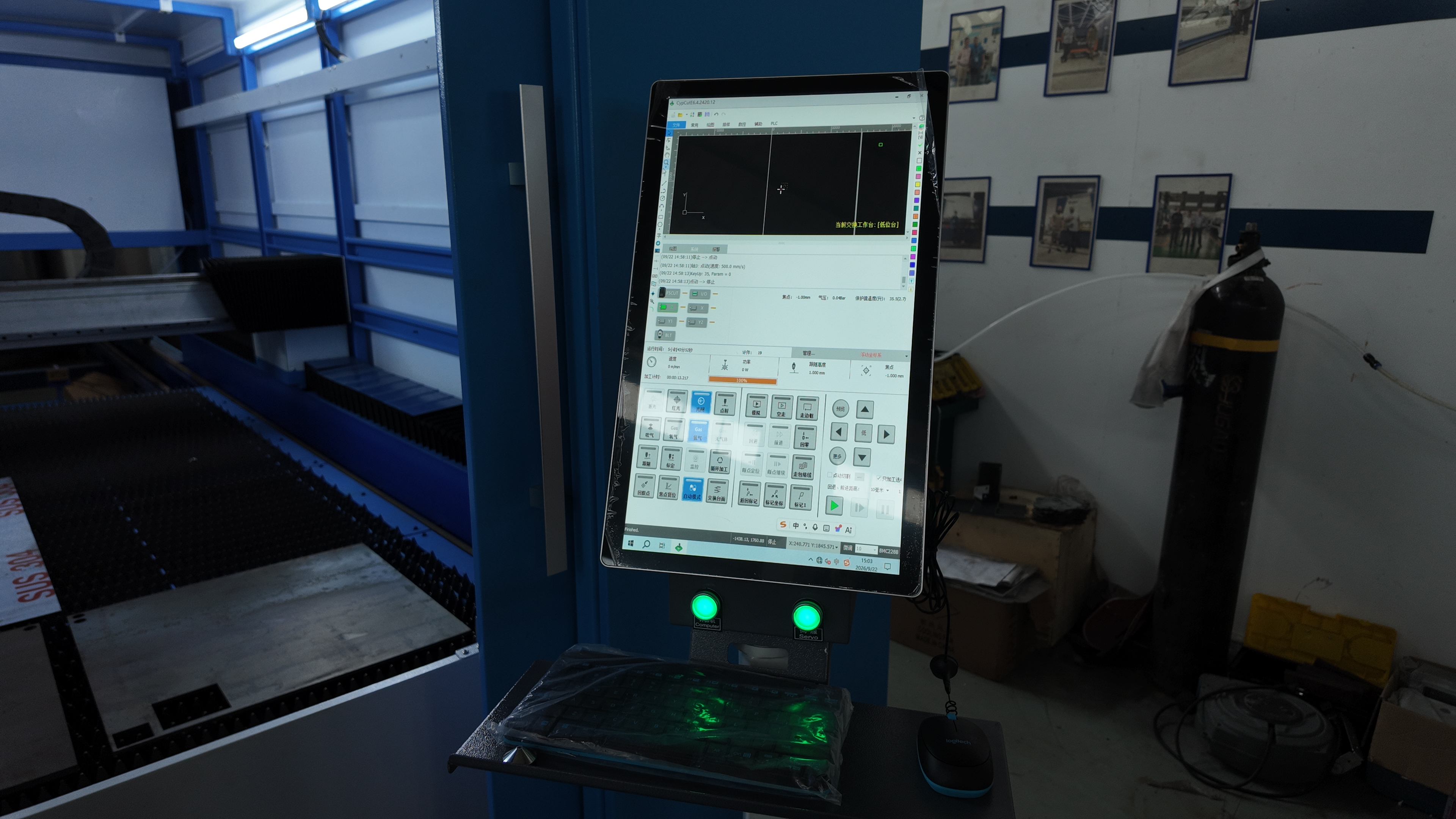
Why Copper Is Hard to Cut
Copper is highly reflective and passes heat along extremely well, so the laser energy is not taken up as it should be. The result is a melt that forms unevenly and a cut that behaves inconsistently, most of all on thicker sheets.
The Trouble with Absorbing the Energy
Because copper throws back a large share of the laser light, the energy that actually goes in keeps jumping around. This is exactly what feeds the instability on copper, above all when the settings have not been tuned properly.
Main Causes of Copper Laser Cutting Instability
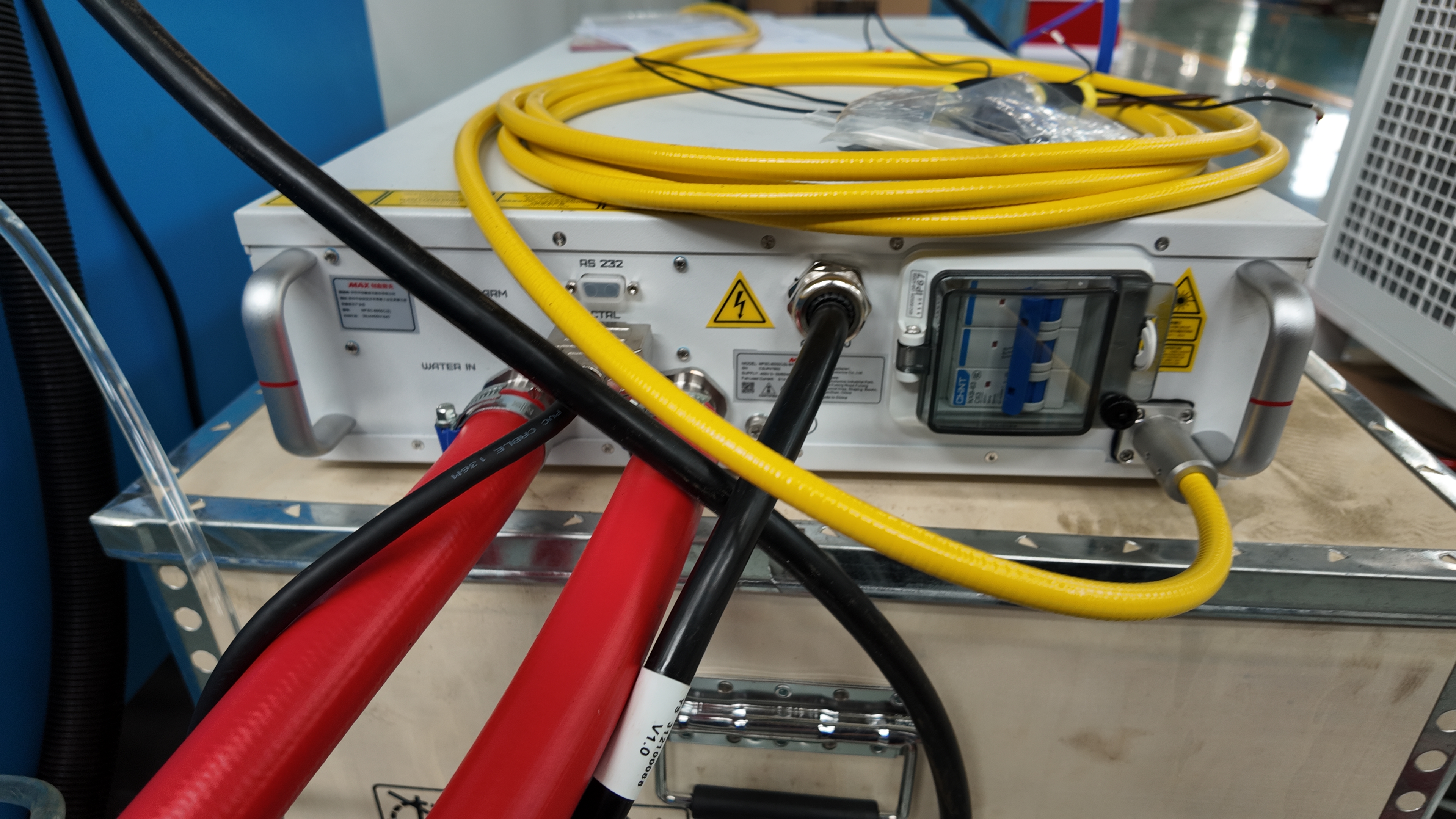
The High Reflectivity of Copper
Copper bounces back most of the beam, more so at lower wavelengths. That trims the useful energy and brings on cutting that is not regular.
Power and Frequency Set Incorrectly
If the laser power is too low, the cut does not go all the way. Set too high, and it can cause too much melting and a keyhole that will not stay calm. Either way, the cutting turns unstable.
Assist Gas That Is Not Steady
The assist gas is what pushes the molten metal away. If the pressure wanders or the wrong gas is used, the melt is not cleared well and the edges come out uneven.
Beam Quality and Focus Out of Line
A focus position that is wrong or a beam that has lost quality cuts the energy density at the cutting spot, and that pushes the instability up by a clear amount.
Heat Building Up in Thick Copper
Thanks to copper's strong thermal conductivity, the heat spreads fast, so holding a steady melt pool in thick material is hard.
How to Cut Down Copper Laser Cutting Instability
Tune the Laser Parameters with Care
I always tell operators to set the power, pulse frequency, and cutting speed to match the thickness of the material. Small tweaks can make the process much more stable.
Pick the Right Wavelength and Laser Type
Fiber lasers with the right settings tend to work better on copper because they soak up the energy more fully than the older laser kinds.
Keep the Assist Gas System Steady
Holding the gas pressure even and using high-purity nitrogen helps clear the melt and calm the fluctuations in the cut.
Hold the Right Focus Position
Calibrating the cutting head on a regular basis keeps the beam focused squarely on the surface of the material, so the energy is delivered evenly.
Improve Maintenance and Alignment
Clean optics, a solid mechanical build, and cutting heads that are aligned properly all work together to bring down the instability on copper.
Best Practices for Cutting Copper Steadily
Run Test Cuts Before Production
I always advise cutting sample pieces to check that the settings hold steady before a full production run begins.
Watch the Process in Real Time
Modern CNC systems let you follow the cutting conditions as they happen, which helps you catch instability early and correct it fast.
Use Consumables of Good Quality
Nozzles, lenses, and protective windows have to stay in good shape so the beam is delivered without variation.
Frequently Asked Questions
Why is copper harder to cut than steel?
Copper sends back more laser energy and sheds heat quicker, which makes stable cutting harder to hold.
Can Copper Laser Cutting Instability be completely eliminated?
Not completely, but with the right parameter tuning and proper upkeep of the system it can be brought down a great deal.
Is nitrogen better than oxygen for copper cutting?
Yes. Nitrogen is the usual choice to get cleaner, steadier cuts when working with copper.
Does higher laser power always improve stability?
Not always. Steadiness comes from the balance between power, speed, focus, and gas control.
Conclusion
Keeping instability under control when cutting copper needs tuned parameters, a steady assist gas supply, correct focus calibration, and consistent upkeep of the machine. Once you understand how copper takes in the laser energy, you can lift the stability of the cut by a large margin and get better results in production.
If you need more technical support or help tuning the machine, feel free to reach out to the JUGAO team.

