





Why do temperature issues with pipe bending machines lead to bending defects?
The issue of temperature in tube bending is actually quite subtle. You might have a flawless program and perfect tooling, yet the bent tubes still come out wrong—the first batch is fine while the second is off-spec; parts produced in the morning pass inspection, but those made in the afternoon drift out of tolerance. Often, the problem isn't a machine malfunction; it is the silent influence of temperature.
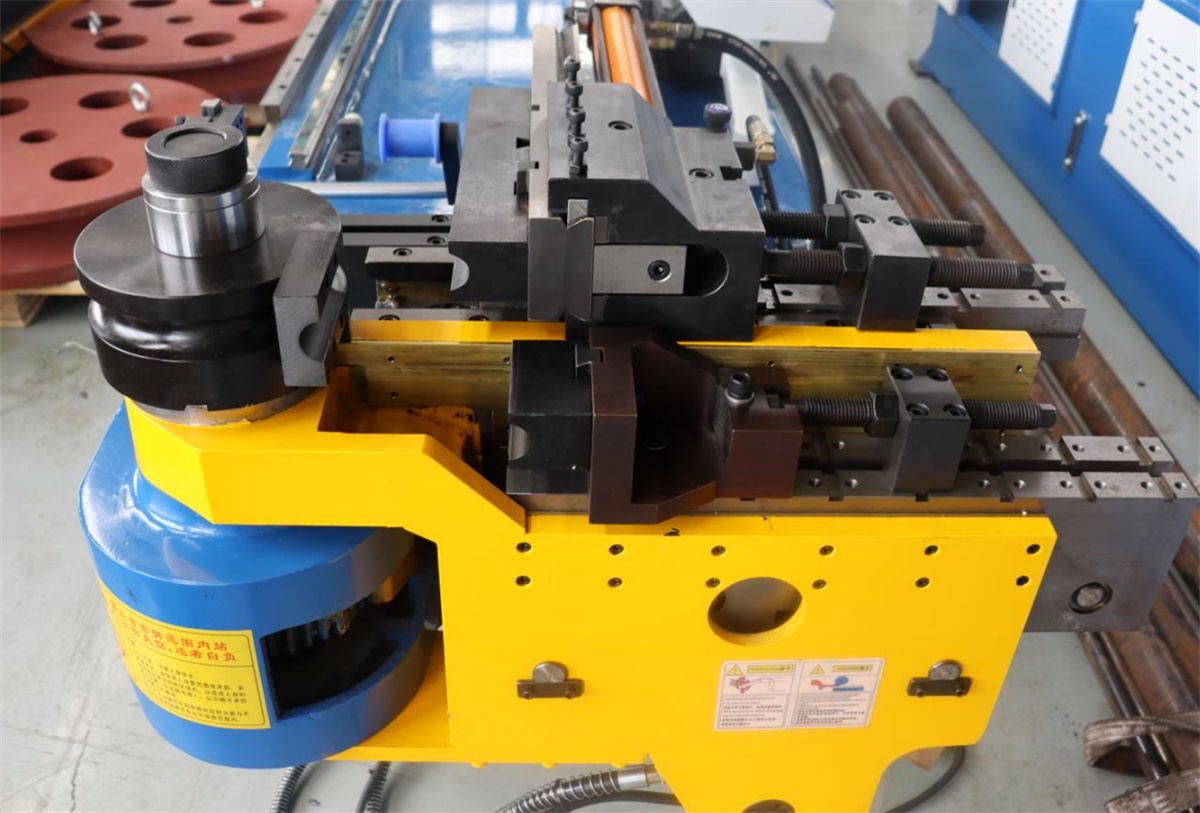
I. Thermal Expansion of Metal
During the bending process, the tube itself gradually heats up due to deformation and friction. As the temperature rises, the metal expands, causing minute changes in wall thickness distribution, diameter, and even length. While these changes might be negligible for steel, the impact of thermal expansion is much more pronounced with aluminum.
To make matters more complicated, the material's spring-back characteristics differ between hot and cold states. Using the exact same program, a cold tube might yield the perfect angle, whereas a hot tube could exhibit either insufficient or excessive spring-back. This explains why tube quality varies over time on the same machine: both the ambient temperature and the material temperature have shifted.
II. Fluctuating Tooling Temperatures
Constant friction occurs between the tube and the tooling during bending. After a certain number of bends, the temperatures of the bending die, clamping die, and mandrel gradually rise. As the tooling heats up, the contact dynamics between the tube and the tooling change.
This can lead to issues such as surface scoring (drag marks) on the tube, uneven bending resistance, and the breakdown of bending lubricant at the contact interface. These problems rarely appear immediately; they tend to emerge gradually after a period of operation, and operators often fail to link them to tooling temperature.
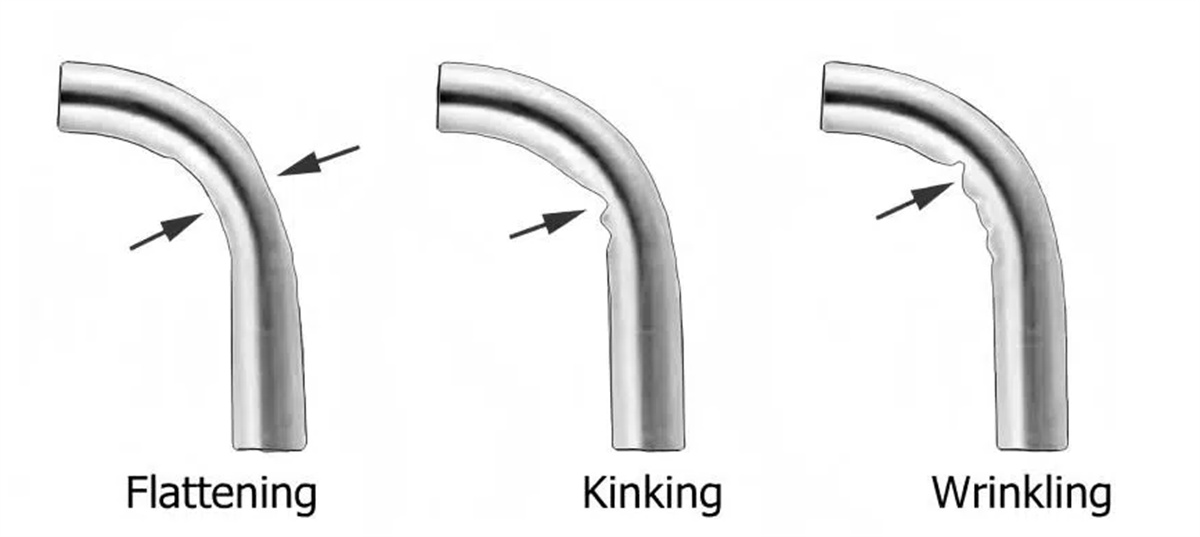
III. Hydraulic Oil Temperature Directly Affects Bending Force
Hydraulic oil serves as the power transmission medium in hydraulic tube benders. Changes in oil temperature alter its viscosity, thereby affecting the system's pressure transmission efficiency.
When the oil temperature is low, the oil is thick and the system responds sluggishly; clamping and bending actions may lack crispness. Conversely, when the oil temperature is high, the oil thins out, leading to increased internal leakage and an inability to maintain pressure, which can result in insufficient bending force. The result is that the bending angle deviates—being either too large or too small.
During prolonged, continuous production, the oil temperature rises steadily. If left unchecked, the temperature may exceed the optimal range; this not only compromises precision but also accelerates the aging of seals.
IV. Seasonal Impact of Ambient Temperature
Workshop temperatures fluctuate between winter (cold) and summer (hot), and these environmental changes affect pipe bending machines.
During a cold start in winter, the clearances between machine components are tighter due to the low temperature, and the hydraulic oil is more viscous. If mass production begins without a warm-up period, the quality of the initial bent pipes may differ from those produced later.
Some operators habitually run the machine without a load for ten to fifteen minutes after startup, waiting for the temperature to stabilize before commencing work. This is a sound practice.
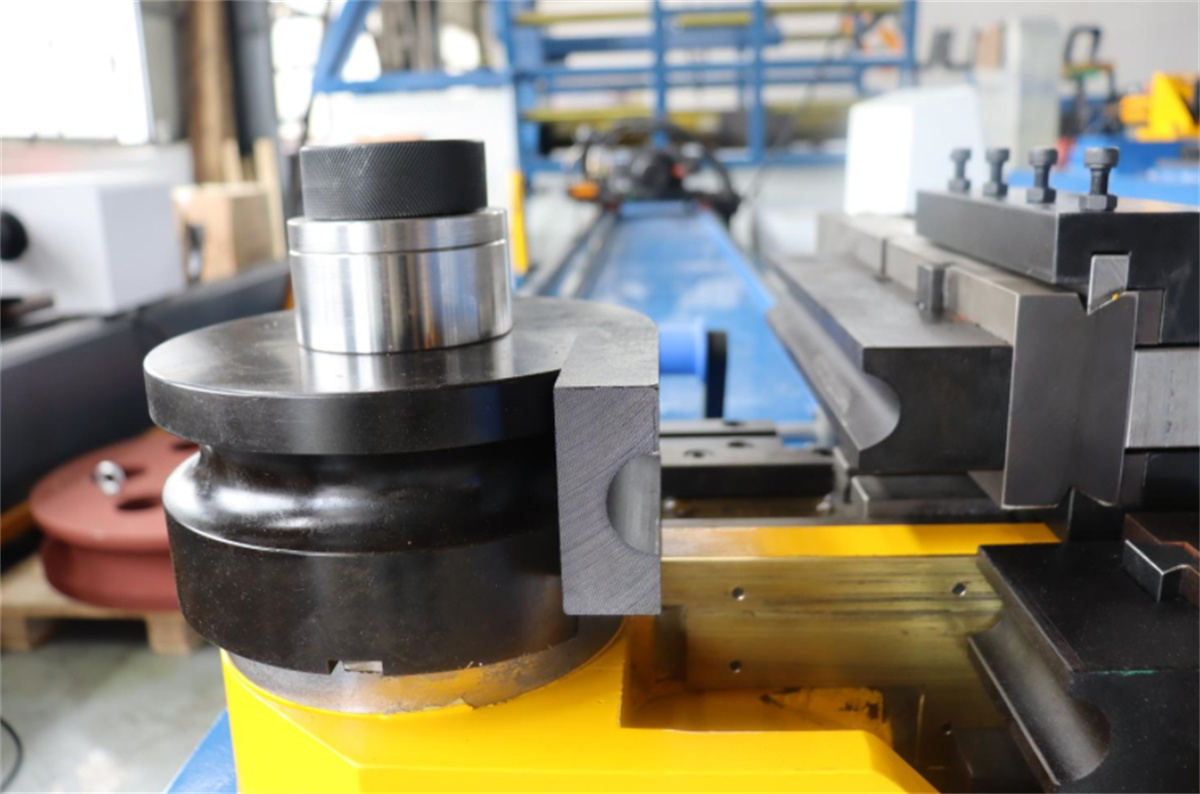
V. Methods for Temperature Control
After powering on the machine each day, allow it to run without a load for a period to raise the hydraulic oil temperature and achieve thermal equilibrium among components before starting formal production.
During continuous mass production, monitor the oil temperature gauge. If the oil temperature remains consistently high, check the cooling system: ensure the cooling fan is operating and the oil cooler is not clogged.
Selecting the right pipe bending oil is also crucial. Different grades of oil have varying applicable temperature ranges; choosing an oil suited to your specific production environment ensures more consistent lubrication performance.
For high-precision production, consider installing air conditioning or ventilation equipment in the workshop to minimize the impact of ambient temperature fluctuations on the machine.
VI. Methods for Daily Monitoring
The oil temperature gauge serves as a direct reference tool; monitoring temperature stability helps assess the cooling system's performance. If the temperature remains high, inspect the cooling system for blockages and verify that the fan is functioning correctly.
Operators can also gauge the temperature of moving parts during operation—for instance, while changing molds or adjusting equipment. If a clear correlation emerges between pipe bending quality and factors like time or air temperature, it is highly likely that temperature is affecting precision.
Record and compare data sets—including ambient temperature, oil temperature, machine runtime, and pipe bending quality—to identify patterns.

