





What Causes Laser Cutting Smoke Excess in Production?
When working with industrial laser cutting systems, I often run into Laser Cutting Smoke Excess on the shop floor, especially in high-volume runs or when cutting coated or oily sheets. If you want to understand why too much smoke appears during laser cutting and how to bring it under control, you have come to the right place. In this article, I go through the main causes and offer practical ways to lower smoke generation, so you can keep the production area cleaner, safer, and more efficient.
Getting to Know Laser Cutting Smoke Excess in Production
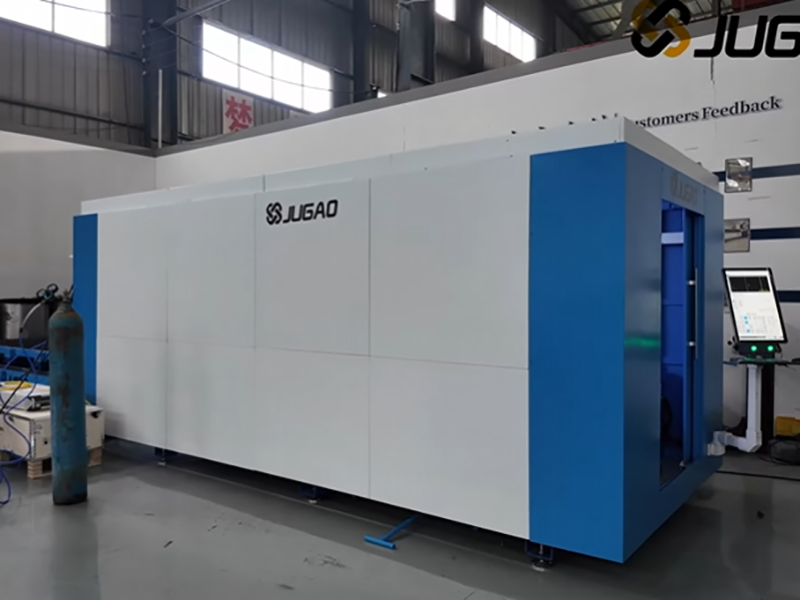
What Does Laser Cutting Smoke Excess Mean?
Laser cutting smoke excess is the name for the extra fumes, vaporized material, and combustion particles released while cutting. A little smoke is normal, but too much of it points to cutting that is not working well or material that was not prepared properly.
Why It Counts in a Factory Setting
Extra smoke does more than block the view. It can pull down cutting precision, dirty the optical parts, raise how often maintenance is needed, and create safety worries in the workplace if it is not dealt with.
What Drives Laser Cutting Smoke Excess
Materials That Are Dirty or Coated
One of the most frequent causes of Laser Cutting Smoke Excess is cutting sheets that carry oil, rust, paint, or protective coatings. These substances catch fire while being cut and throw out extra smoke.
Laser Power Set Incorrectly
If the laser power is set too high, the material burns instead of vaporizing cleanly. If it is too low, the cut does not go through and the material gets heated again and again. Both cases make more smoke.
Choosing the Wrong Assist Gas
Assist gas has a big job in keeping the cutting zone under control. Picking the wrong gas type or pressure lowers how well combustion works and lets smoke gather around the cutting head.
Extraction and Filtration That Fall Short
Even when the cutting settings are right, a weak fume extraction system lets smoke pile up in the workspace, so the problem looks worse than it really is.
Cutting Thick Material
Thicker plates take more energy and more time under the beam, which naturally brings on more heat breakdown and a higher amount of smoke.
Practical Ways to Cut Down Laser Cutting Smoke Excess
Clean the Material First
I always advise making sure every surface is free of oil, rust, and coatings before cutting begins. Cleaning the material properly cuts smoke at the source by a large amount.
Fine-Tune the Laser Settings
Adjusting laser power, frequency, focus position, and cutting speed helps the material vaporize cleanly instead of burning, which lowers how much smoke is made.
Pick the Right Assist Gas and Pressure
For carbon steel, choose oxygen or nitrogen according to what the job needs. A steady, strong gas flow clears molten material well and stops smoke from building up.
Upgrade the Fume Extraction System
A high-efficiency extraction and filtration setup is a must. Put the suction close to the cutting head so smoke particles are pulled away right away.
Look After the Optics and Moving Parts
Dirty lenses or nozzles that are out of line can make the cutting process unsteady, which leads to overheating and smoke that is not needed. Keeping up maintenance is important.
Good Habits for Long-Term Smoke Control
Set Up Regular Machine Maintenance
Going over the optics, gas lines, and extraction system on a set schedule keeps performance steady and keeps smoke problems small over time.
Make Cutting Procedures Standard
Building standard cutting parameters for each kind of material keeps the processing conditions steady and cuts down on how much smoke output varies.
Train Operators on the Right Setup
Teaching operators matters. When they see how material condition, parameter settings, and gas flow work together, Laser Cutting Smoke Excess drops a lot in daily production.
Frequently Asked Questions
Is it normal to have Laser Cutting Smoke Excess while the machine runs?
A little smoke is normal, but a lot of smoke usually points to settings that are wrong, material that is dirty, or extraction that is not enough.
Can the assist gas bring laser cutting smoke down?
Yes. Choosing the right gas type and keeping the pressure steady helps clear molten material away and lowers the amount of smoke.
Does laser power change how much smoke is produced?
Absolutely. Either too much or too little power can add to the smoke because the cutting does not work as it should.
Can smoke hurt the parts of a laser machine?
Yes. Smoke particles can dirty the lenses, nozzles, and internal parts, which shortens the life of the machine and lowers its performance.
Conclusion
Understanding what brings on Laser Cutting Smoke Excess is key to raising both production efficiency and workplace safety. By preparing the material better, tuning the laser settings, using the assist gas well, and keeping the extraction system in shape, you can cut smoke levels a great deal in everyday work. If you need more technical support or machine optimization advice, feel free to contact the JUGAO team. I am always here to help you achieve cleaner, safer, and more efficient laser cutting performance.

