





A Practical Guide to Preventing Laser Lens Contamination in Daily Operation
Keeping the laser lens free of contamination is one of the most important factors in consistent, high-quality laser cutting. Even a speck of dust, grease, or residue on the optical surface can weaken beam focus, cause unstable cuts, and inflate maintenance costs. Because laser machines depend on precise optics, a soiled lens quickly undermines both output quality and machine reliability. In this article, we at JUGAO explain how lenses become contaminated during normal operation and share practical ways to prevent it. Operators who follow these measures can keep their optics clean, extend lens life, and achieve stable, accurate cuts even in continuous production.
Common Reasons Behind Laser Lens Contamination
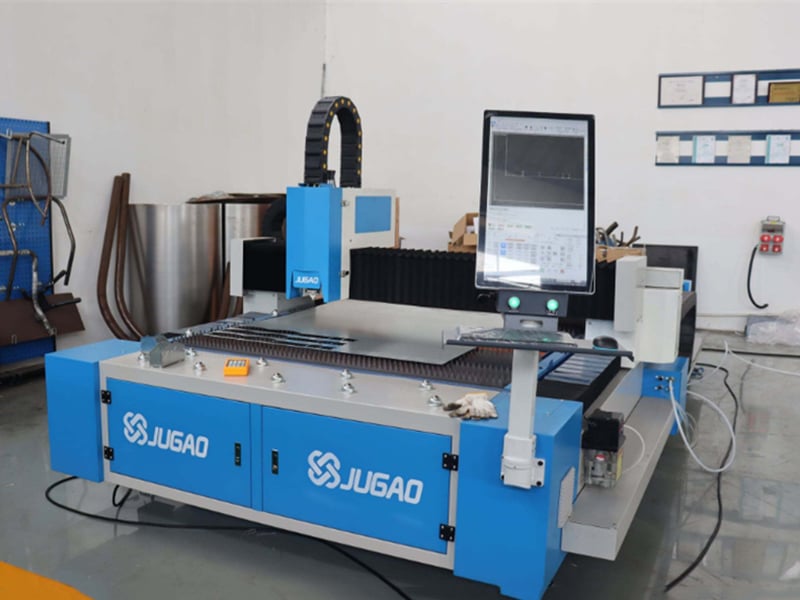
Dust and Metal Particles in the Cutting Area
Every cutting pass generates fine dust, sparks, spatter, and tiny metal fragments. These particles rise into the beam path with ease and gradually build up on the lens, dulling the optic over time.
Gas Flow and Nozzle Problems
When the assist-gas pressure is set too low or the nozzle drifts out of alignment, molten metal and debris are far more likely to splash upward and strike the lens directly.
Moisture and Oil Mist in the Air Supply
Compressed air that carries oil mist or water vapor can deposit a thin film on the protective lens. Over time this film clouds the optic and may cause scorch marks.
A Step-by-Step Plan to Prevent Lens Contamination
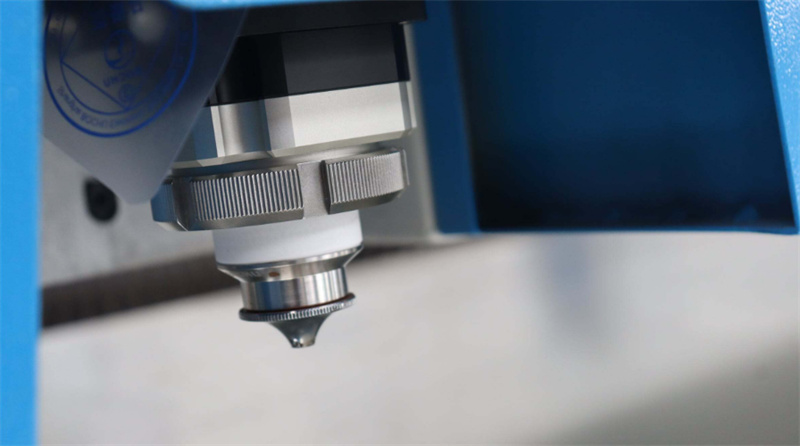
Step 1: Keep the Cutting Area Clean
Start with the surroundings. A tidy, dust-free workspace is the simplest safeguard. Regularly clear away metal offcuts and debris around the cutting bed so that fewer particles become airborne.
Step 2: Verify Nozzle Alignment Every Day
Correct nozzle alignment keeps the gas stream steady and properly directed. An off-center nozzle gives debris more room to rebound upward toward the lens.
Step 3: Supply Clean, Dry Assist Gas
Make sure the air compressor is equipped with suitable filtration and drying units. When the gas is clean and dry, the chance of oil or moisture reaching the lens drops sharply.
Step 4: Inspect the Protective Lens on a Regular Basis
The protective lens acts as the first shield against contamination. I examine it once a day and replace it right away if I see clouding, burn marks, or a heavy residue film.
Step 5: Fine-Tune the Cutting Parameters
An incorrect focal height, excessive power, or a poor feed rate all tend to increase spatter. Adjusting these parameters properly helps keep debris from splashing back up.
Step 6: Set Up a Regular Maintenance Routine
Ongoing preventive maintenance supports long-term stability. Cleaning the optical components and checking air-system quality should be woven into daily and weekly schedules.
Best Practices for Long-Term Lens Care
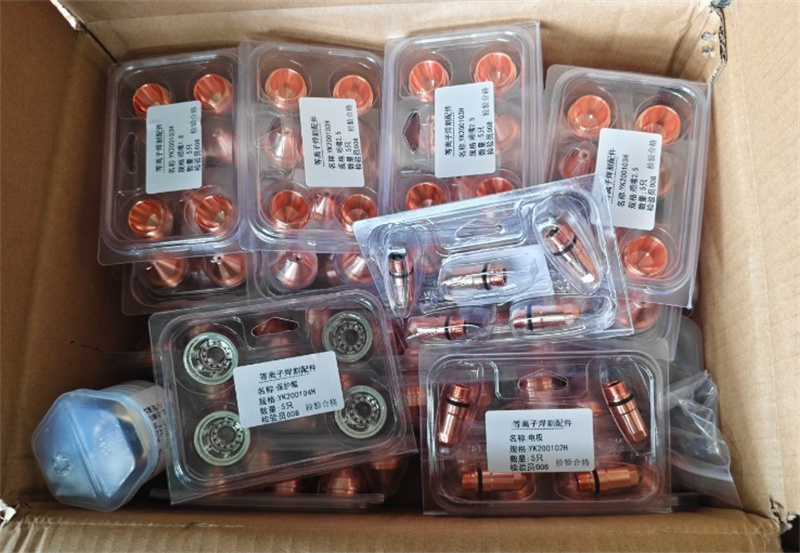
Keep Spare Protective Lenses in Stock
Unplanned stops are expensive in production. I always recommend having spare protective lenses available so a damaged one can be swapped out within minutes.
Train Operators to Handle Lenses Correctly
Operator habits have a direct impact on lens condition. Training should cover correct cleaning methods, safe handling, and basic awareness of contamination risks.
Monitor the Quality of the Air System
A reliable filtration system is essential for clean gas. Replace compressor filters on schedule and inspect the system for any signs of oil or moisture leakage.
Frequently Asked Questions
How frequently should the laser lens be cleaned to avoid contamination?
I recommend checking the protective lens every day and cleaning or replacing it based on how dirty it becomes and how intensively the machine is running.
What most often damages the laser lens?
Dust, metal particles, and oil vapor from the cutting environment or the air supply are the usual causes.
Does a contaminated lens affect cutting accuracy?
Yes. Even light contamination can weaken beam focus, leading to rough edges, incomplete cuts, and inconsistent results.
Conclusion
Protecting the laser lens from contamination is essential to preserve cutting precision and machine stability. By keeping the workspace clean, ensuring correct gas flow, safeguarding air quality, and inspecting the optical parts on schedule, you can greatly lower the risk of lens damage.
Steady preventive maintenance improves cutting quality while reducing downtime and operating costs. If you need more technical support or maintenance guidance, the JUGAO team is glad to help.

