




Ano ang karaniwang bilis ng pag-weld ng isang robot sa pag-weld? Anong mga paalala ang dapat isaalang-alang?
Ang mga negosyo na gumagamit ng kagamitan sa pag-weld sa produksyon ay naglalayong makamit ang mataas na kahusayan at mataas na kalidad ng pag-weld. Kaya naman, hinahanap ng maraming kumpanya ang mga pag-unlad sa bilis ng pag-weld, at ang mataas na katiyakan sa kontrol ng landas ng kagamitan sa pag-weld ay isang maaasahang garantiya para sa mataas na bilis ng pag-weld. Sa mga nakaraang taon, kasabay ng pag-unlad ng mga robot sa industriya, ang tanong kung ang mga robot ba ay papalitan na ang tao ay naging isa sa pinakasikat na paksa ng panahon natin, lalo na sa konteksto ng "customization" ng mga robot sa pag-weld. Sinasabi nga na ang bilis ng pag-weld ng mga robot ay higit sa dalawang beses na mas mabilis kaysa sa pag-weld na ginagawa ng tao! Sinasabi rin naman na ang bilis ng pag-weld ng mga robot ay katumbas ng bilis ng pag-weld na ginagawa ng tao dahil ang kanilang mga parameter ay halos magkatulad. Ano nga ba ang karaniwang bilis ng pag-weld ng isang robot sa pag-weld? Anu-ano ang mga kailangang ingatan?
I. Bilis ng Pag-weld ng Robot
1. Ang paggamit ng mga robot sa pag-weld ay nakakapagpataas ng kahusayan sa produksyon.
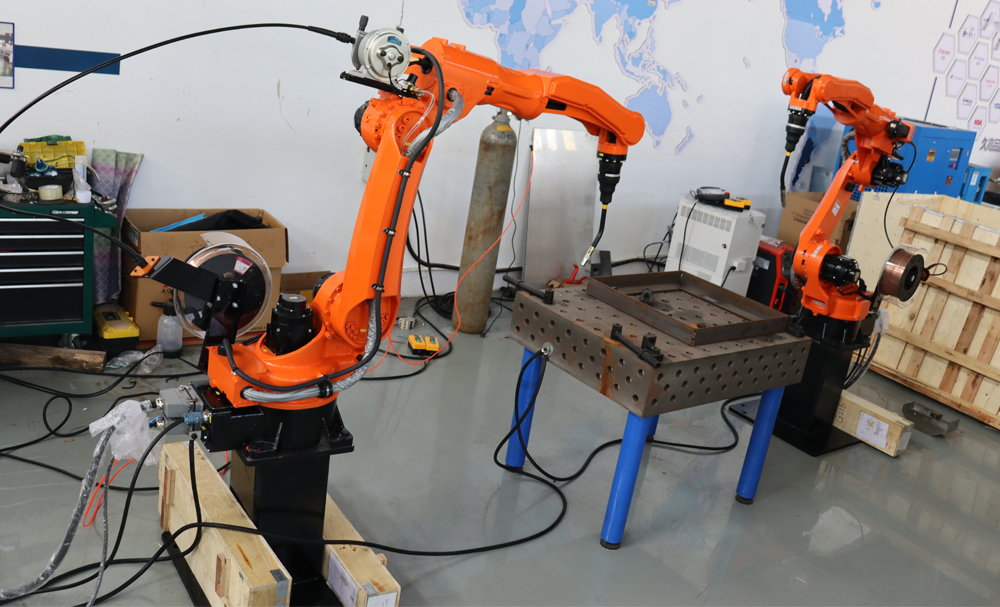
Ang mga robot na may anim na axis para sa pagsolda ay may maikling oras ng tugon at mabilis na galaw. Ang bilis ng pagsolda ay 50–160 cm/min, na malinaw na mas mataas kaysa sa pagsolda ng tao (40–60 cm/min). Ang robot ay hindi titigil habang nasa operasyon. Basta’t tiyak ang panlabas na suplay ng tubig at kuryente, ang proyekto ay maaaring ipagpatuloy. Ang mga de-kalidad na robot na may anim na axis ay may matatag na pagganap at madaling gamitin. Sa tamang pagpapanatili, maaari nilang patuloy na gumana nang walang kabiguan sa loob ng 10 taon. Ito ay tunay na nagpapataas ng kahusayan sa produksyon ng kumpanya.
2. Ang pagsolda gamit ang robot ay maaaring mapabuti ang kalidad ng produkto.
Sa proseso ng pagsolda gamit ang robot, naibibigay ang mga parameter ng pagsolda at ang landas ng paggalaw, kaya ng robot na ulitin nang tumpak ang aksyon. Ang kasalukuyang pagsolda at iba pang mga parameter ng pagsolda—tulad ng boltahe, bilis ng pagsolda, at pagpapahaba sa pagsolda—ay may determinadong papel sa epekto ng pagsolda. Sa pagsolda gamit ang robot, pare-pareho ang mga parameter ng pagsolda para sa bawat selda, kaya mas kaunti ang epekto ng mga kadahilanan na may kinalaman sa tao sa kalidad ng pagsolda, nababawasan ang mga kinakailangan sa kasanayan ng manggagawa sa operasyon, tiyak ang katatagan ng kalidad ng pagsolda, at ginagarantiyahan ang kalidad ng produkto.
3. Ang pagsolda gamit ang robot ay maaaring maikli ang mga siklo ng pagbabago ng produkto at bawasan ang kaugnay na investasyon sa kagamitan.
Ang pagsolda gamit ang robot ay maaaring maikli ang mga siklo ng pagbabago ng produkto at bawasan ang kaugnay na investasyon sa kagamitan. Maaari nitong awtomatikong isagawa ang pagsolda ng maliit na mga batch ng produkto. Ang pinakamalaking pagkakaiba ng mga robot at ng mga espesyal na makina ay ang kakayahan ng mga robot na umangkop sa produksyon ng iba't ibang mga bahagi.
Sa panahon ng mga pag-update ng produkto, maaaring i-redesign ang katawan ng robot kasama ang mga kaukulang tooling fixtures ayon sa bagong produkto, na nag-uupdate ng produkto at kagamitan nang hindi binabago o tinatawag ang kaukulang mga utos ng programa.
II. Mga Teknikal na Parameter ng mga Robot sa Pagsolda
1. Bilang ng mga Hinge. Ang bilang ng mga hinge, na kilala rin bilang mga degree of freedom, ay isang mahalagang indikador ng flexibility ng robot. Karaniwan, ang workspace ng isang robot ay maaaring makamit ang tatlong degree of freedom, ngunit ang pagsolda ay nangangailangan hindi lamang ng pag-abot sa isang tiyak na posisyon sa espasyo kundi pati na rin ng pagtiyak sa spatial orientation ng welding torch.
2. Ang Rated Load ay tumutukoy sa rated load na kayang suportahan ng end effector ng robot. Ang load na tinutukoy namin ay kinabibilangan ng welding torch at ng kanyang kable, mga kagamitang pangputol, mga hose ng gas, at mga welding clamp. Para sa mga kable at mga tubo ng tubig para sa paglamig, iba-iba ang kailangang rated load depende sa uri ng pamamaraan ng pagsolda, at iba-iba rin ang kapasidad ng load ng iba't ibang uri ng welding clamp.
3. Pag-uulit. Ang pag-uulit ay ang katiyakan ng landas ng robot sa pagsusulat. Ang pag-uulit ay mas mahalaga para sa mga robot na ginagamit sa arko ng pagsusulat at pagpuputol. Para sa mga robot na ginagamit sa arko ng pagsusulat at pagpuputol, ang pag-uulit ng landas ay dapat na mas mababa sa kalahati ng diameter ng wire na ginagamit sa pagsusulat o ng diameter ng butas ng kasangkapan sa pagpuputol, na karaniwang nangangailangan ng ±0.05 mm o mas mababa.
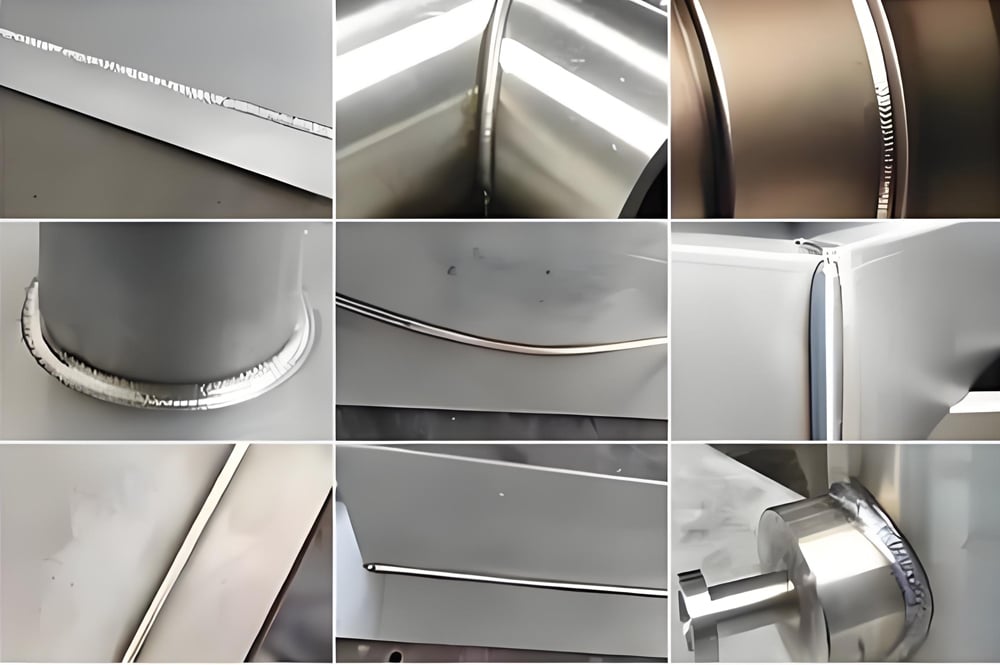
Ano ang bilis ng pag-weld ng robot? Ano ang mga teknikal na parameter nito? Kapag pipiliin ang isang robot na pang-welding, kailangang pumili ng angkop na teknikal na espesipikasyon batay sa gawang bahagi. Kasali sa mga teknikal na parameter ng isang robot na pang-welding ang bilang ng mga sambungan (joints), rated load (karga na kinakaya), bilis ng pag-weld, at pag-uulit (repeatability). Sa 60% na bilis ng produksyon, kayang mag-weld ng 350 na angle steel flanges ang isang robot na pang-welding bawat araw—limang beses ang kahusayan ng produksyon kumpara sa isang bihasang welder. Bukod dito, mas mataas ang kalidad at katatagan ng pag-weld ng mga robot kaysa sa mga produkto na pinag-welding manu-manong. Ang mga weld ay tumpak, maganda sa paningin, at napakahabilis! Ang proyektong ito ay pinalitan ang tradisyonal na manu-manong operasyon ng pag-welding para sa mga bakal na komponente tulad ng mga flange ng ventilation duct at mga bakal na bracket, na nagpapabuti nang malaki sa kalidad ng pag-welding at kahusayan ng produksyon.
Ang nabanggit na impormasyon ay nagpapakilala sa karaniwang bilis ng pag-weld ng mga robot na pang-weld at ilang mahahalagang puntos na dapat tandaan. Umaasa kami na ang impormasyong ito ay makatutulong. Ang mga bagay na pinag-weld gamit ang mga robot na pang-weld ay may magandang anyo, pare-parehong mga weld, at napakataas na kahusayan sa produksyon—na walang katumbas sa mga teknik ng manu-manong pag-weld. Kaya naman, ang pag-weld gamit ang robot ay unti-unting ginagamit sa produksyon ng pag-weld.

