




Mga Pangunahing Punto ng Teknolohiya sa Pagweld ng Robot para sa Pipeline
Huwag pansinin nang mababa ang teknolohiya sa pag-weld ng mga robot na ginagamit sa pag-weld ng mga tubo; napakahusay nila. Kasalukuyan, dahil sa kahusayan na ng teknolohiya ng industriyal na robot, malawak ang paggamit ng mga robot sa konstruksyon ng mga tubo. Ang pagkakaroon ng mga robot na ginagamit sa pag-weld ng mga tubo ay may layuning mapabuti ang kalidad ng pag-weld at bawasan ang pisikal na pagsisikap ng mga welder. Gaano kahusay ang teknolohiya sa pag-weld ng mga robot na ito? Tingnan natin.
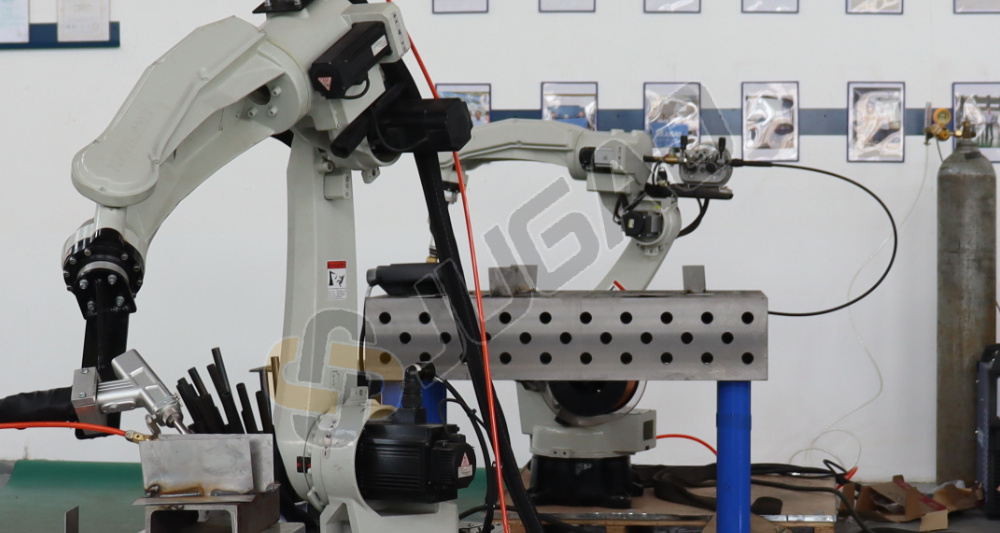
Mga robot na pang-solda
1. Pagpili ng Proseso ng Pag-weld
Ang submerged arc welding, gas shielded welding, friction welding, at electroslag welding ay lahat ng malawakang ginagamit sa pag-weld ng mga tubo. Kasalukuyan, bukod sa manu-manong pag-weld, ang submerged arc welding at gas shielded welding ang pinakakaraniwang proseso sa pag-weld ng mga tubo.
Proseso ng Submerged Arc Welding
Ang submerged arc welding ay isinasagawa sa ilalim ng isang layer ng butil-butil na flux. Ang welding wire ay patuloy na ipinapadala, at ang arc ay sumusunog sa ilalim ng layer ng flux. Ang flux ay natutunaw upang mabuo ang slag at isang molten pool na protektado ng gas. Ang sobrang flux ay maaaring i-recycle.
Mga Pakinabang
1. Napakataas na Kawastuhan sa Produksyon
Ang kasalukuyang welding ay maaaring umabot sa 1000–2000A, na may mataas na kahusayan sa deposition.
Ang welding sa isang pass ay maaaring tumagos sa mga plato ng bakal na may kapal na 20–30 mm.
Ang bilis ng welding ay karaniwang 30–100 cm/min, na 5–10 beses na mas mabilis kaysa sa manu-manong welding.
Maaaring pagsamahin sa teknolohiyang multi-wire welding (double-wire, triple-wire) para sa karagdagang pagpapabuti ng kahusayan.
2. Napakahusay na Kalidad ng Weld
Ang layer ng flux ay lubos na naghihiwalay sa weld mula sa hangin, na nagbibigay ng mahusay na proteksyon.
Magandang anyo ng weld, malalim na pagtutunaw, at mababang porosity.
Mataas na kalinisan ng metal ng weld at matatag na mekanikal na katangian.
Walang nanghihirit, walang kailangang paglilinis ng mga nanghihirit.
3. Mabubuting Kondisyon sa Pagtrabaho
Walang radiation mula sa arko, walang kailangang face mask para sa operator.
Walang usok o alikabok na inilalabas, malinis na kapaligiran sa pagtrabaho.
Mataas na antas ng awtomatikong operasyon, mababang intensidad ng paggawa.
4. Mabuting Kawastuhan sa Ekonomiya
Mataas na rate ng paggamit ng wire (hanggang 98% o higit pa)
Ang fluid ay maaaring i-recycle (rate ng pagbawi: 80–90%)
Mababang kabuuang gastos bawat yunit na haba ng weld
Proseso ng gas shielded welding
Ang gas shielded welding ay nagdadala ng protektibong gas (CO₂, Ar, o isang halo ng mga gas) sa lugar ng pag-welding sa pamamagitan ng nozzle ng welding torch, na bumubuo ng isang protektibong layer ng gas na naghihiwalay sa molten pool mula sa hangin.
Mga Pakinabang
1. Mataas na kakayahang gamitin at flexible na operasyon
Kakayahang mag-weld sa lahat ng posisyon (pahalang, patayo, pahiga, at nasa itaas)
Angkop para sa iba’t ibang uri ng mga sambungan ng manipis, katamtaman, at makapal na plato
Maaaring gumana sa mga kumplikadong kapaligiran tulad ng on-site at field operations
2. Mataas na kahusayan sa pag-welding
Walang proseso ng paglilinis ng slag, patuloy na pag-welding
Ang bilis ng pag-welding ay maaaring umabot sa 30–80 cm/min
Ang kahusayan sa deposition ay mas mataas kaysa sa manu-manong pag-welding, ngunit mas mababa kaysa sa submerged arc welding
3. Magandang visibility
Ang mga welder ay maaaring diretso na obserbahan ang tinunaw na pool at kalagayan ng arc
Nakakatulong sa real-time na pag-aadjust ng mga parameter ng pag-weld
4. Luwastuhang adaptibilidad ng anyo
Angkop para sa iba’t ibang materyales tulad ng carbon steel, stainless steel, aluminum alloy, at copper alloy
Ang mga resulta ng pag-weld ay maaaring i-optimize sa pamamagitan ng pagbabago ng shielding gas
5. Madaling awtomatisin
Madaling i-integrate sa mga robot at awtomatikong welding machine
Kasama ang kakayahan sa pulse welding at kontroladong heat input
Gumagamit ng solid wire welding process na may gas shielding. Para sa multi-pass welding, ang proseso ay maaaring hatiin nang simple sa tatlong yugto: root pass, fill pass, at cap pass. Hindi kailangang linisin ang ibabaw bago pumunta sa susunod na hakbang, ngunit mas mabagal ang bilis ng pag-weld kumpara sa forced pass welding. Sa mga angkop na lugar, ang paggamit ng carbon dioxide at argon bilang shielding gases ay ideal.
2. Paraan ng Pagpapakarga ng Wire
Ang kaginhawahan ng pagpapadala ng wire ay direktang nakaaapekto sa kalidad ng pag-weld. Ang mga paraan ng pagpapadala ng wire ay maaaring hatiin nang simple sa dalawang uri: paghila at pagpupush. Kapag hinihila, ang welding torch ay mas malapit sa wire feeder, na nagreresulta sa mas kaunting paglaban matapos lumabas ang wire sa feeder, kaya naman tiyak na maayos ang proseso ng pagpapadala. Kapag ginagamit ang paraan ng pagpupush, ang mekanismo ng pagpapadala ng wire ay inilalagay sa labas ng welding carriage, na binabawasan ang laki at timbang nito. Ito ay nagbibigay-daan sa paggamit ng mataas-na-kapangyarihang wire feeder at isang malaking spool ng welding wire na may diameter na 1.2mm (na may timbang na humigit-kumulang 20kg), kaya nadadagdagan ang kahusayan sa pag-weld.
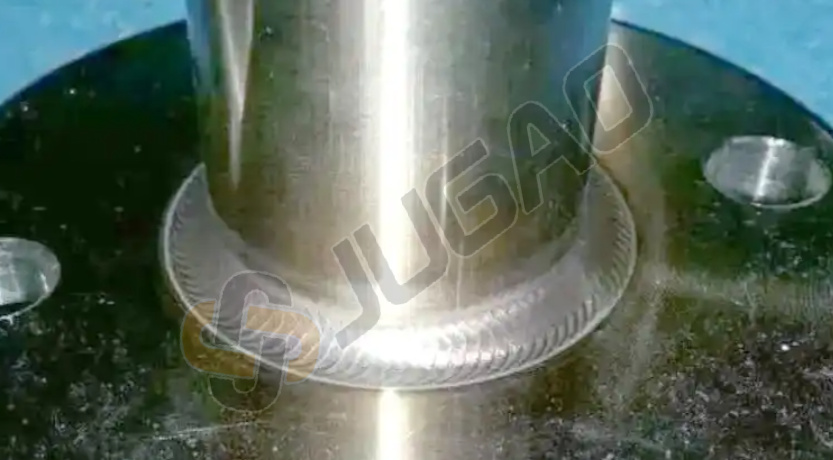
Gaano kahusay ang teknolohiya ng pag-weld ng mga robot na gumagawa ng pag-weld sa mga pipeline? Naniniwala ako na lahat ay naiintindihan na ngayon. Maraming lugar ang nangangailangan ng mga robot na gumagawa ng pag-weld. Sa harap ng matinding kompetisyon sa merkado, tanging sa pamamagitan ng pagpapabuti ng aming teknolohiya at kagamitan lamang ang makakaiwas sa atin sa pagkakatanggal. Ang teknolohiya ng pag-weld ng mga robot na gumagawa ng pag-weld sa mga pipeline ay lalo pang mapapabuti sa hinaharap.

