





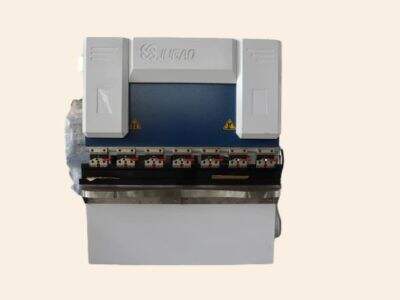
A press brake with a dirty hydraulic system is a nuisance. If the system is clogged, the machine may not work properly. This is why it often is a very expensive process and can result in production delays. One must have a good hydraulic system, free and clean. At JUGAO You can keep your automated press brake up and running at top production by purchasing maintenance parts. Knowing how to flush the hydraulic system and get those contaminated fluids out of your system is extremely important to its performance.
How to flush contaminants from a clogged press brake hydraulic system?
Spotting signs of a clogged hydraulic system can help you troubleshoot the issue before further damage or failure occurs. If you realize that your automatic press brake isn't performing as well as it used to be then this may be a sign. For instance, if a machine is slow or sounds weird, these could possibly indicate that you have a clog. At times, you might notice leaks around the hydraulic lines. That can occur when the pressure becomes too great. Another indication is the hydraulic fluid looks dirty or particle-filled. Always check the fluid regularly. If it is cloudy or stinks, it needs a rinse. you should also listen for any abnormal sounds. Grinding or hissing sounds might be a sign of trouble, if present. Regular maintenance can help to catch these problems early. At JUGAO, we know just how much these things can save you an enough time and money.
It is very important to avoid clogs in a press brake hydraulic system to prevent the repeat of further jams. Routine maintenance is one of the most effective ways to keep your system clean. One of the main things is to get into your preventive maintenance,” for example, replacing hydraulic fluid on a regular basis. It works better at keeping dirt and other contaminants from building up when the fluid is fresh. You may also need to replace or clean filters. Filters trap dirt, but if they clog completely, they can lead to blockages. Another way to prevent issues in your system is with high-quality hydraulic fluid. Inferior fluids could have more impurities that may cause issues. It is also important to inspect for and repair leaks promptly. A small leak can allow dirt and moisture to get which in turn, causes clogs. Finally, training your team to use the press brake correctly can also prevent errors that could contribute to clogs. At JUGAO, All of us concern your demand and care about keeping your equipment running at its most! Following these tips can help your press brake run smoothly for years.
Which Devices are Required to Flush Out the Hydraulic Contaminants?
When attempting to clean a blocked press brake hydraulic system, it is important that you have the best tools you can. First off you will need a good set of wrenches. These allow you to remove the more delicate elements of the hydraulic system so that you can clean them accordingly. Use adjustable wrenches for they can accommodate various bolt sizes. Next, you need are hydraulic fluid vacuum pump. This tool is unique, as it allows you to discard any old fluid and dirt that may still be in the system. This pump is available at hardware stores and online.
A filter is another great tool. A filter is what’s going to intercept any dirt or contaminants left so they won’t go back into the hydraulic system after you clean it. Be sure you select a filter that corresponds with your big press brake. You'll also need a bucket or similar size container to catch the old hydraulic fluid. This is critical to ensure you don't accidentally spill the fluid on the ground. It may not be the best for the environment. Finally, remember to include safety gear. To avoid any dirty fluid or chemicals to get into your eyes or on your skin, you should use gloves and goggles.
With this equipment in place, you can now begin flushing away the contamination in your hydraulic system. And don’t forget — cleaning the system can extend press brake life and make it work better. Once all your things are in place, the steps will guide you to successful hydraulic cleaning.
Where to Get The Best Hydraulic Fluid For the Best Performance?
Making the proper choice of hydraulic fluid is critical to the operation and life span of your press brake. While all hydraulic fluids are not created equal. You are looking for a quality fluid that will work properly with your particular machine. One of the best places to find hydraulic fluid is your neighborhood hardware store. Many brands, such as JUGAO, are sold in the stores. It is also good to read the label and see what type of fluid is appropriate for your press brake.
You can also check online. There are many places online to buy hydraulic fluids and have them shipped right to your door. Be sure to check for reviews from other customers when searching online. This may aid you in selecting a fluid others have found useful. You should also look into what the fluid offers in the specs, such as viscosity and when it can withstand high temp. That way, you would have known it is going to work for your press brake.
If you’re not sure which fluid to get, always ask an informed opinion. You can ask someone at the store or search online for a customer service number. They can steer you toward the best fit. Don't forget that anything you can do to keep your hydraulic machine running up to speed will be beneficial in prolonging its lifespan as well, and quality hydraulic fluid is one of the most important areas to consider. So, research and look for the most effective hydraulic fluid for press brake from reliable sources such as JUGAO.
Common Usage Problems of Hydraulic Press Brakes and How to Solve Them/.
Occasionally, it can be difficult to use a hydraulic press brake. A common complaint is that the machine doesn’t seem to like it when you push the button. If it is, then first thing you will want to do is make sure your hydraulic fluid level is high enough in the system. If the fluid level is low it may have very slow or no pull in of the machine. This problem can be fixed by adding hydraulic fluid back.
Another problem you may encounter is that it does not cut or bend materials properly. Perhaps there is some dirt or debris in the hydraulic system. We briefly suggested in the earlier section that flushing out the system can help remove blockages of such a thing is blocking it. It’s also critical that you maintain your press brake regularly to keep it running well.
At times, users may also hear some strange noises from the machine. This may indicate air bubbles in the hydraulic fluid, or the fluid is worn and dirty. If the cylinder of oil has air and the products don't work very well, you should bleed it with a plastic tube. fill in new hydraulic fluid before using & replace with fresh JUGAO hydraulic fluid after cleaning the machine to help you not face such issues.
Last but not least, if you find it difficult to figure out something on your own when troubleshooting press brake problems, the manual of your press brake should be a must-check source. The manual often contains helpful tips and troubleshooting. Groom your hydraulic press brake by flushing the system, checking fluids and fixing problems immediately and you can make it work better for longer.

