





Pipe bending machine trial production: How to detect installation errors as early as possible?
After the new pipe bending machine is installed, how can we confirm that
everything is ready and production can begin with confidence? My answer is:
conduct a rigorous trial production run. This is the real test before the
equipment officially goes into operation. Its purpose is not just to produce a
few parts, but more importantly, to discover hidden installation errors as soon
as possible, avoiding the consequences of loss of precision control, mold
damage, or production interruption later on. Next, I will share my usual trial
production execution steps, key checkpoints, and how to lay the foundation for
the long-term stable operation of the equipment through early intervention.
Why is trial production of pipe bending machines so crucial after installation?
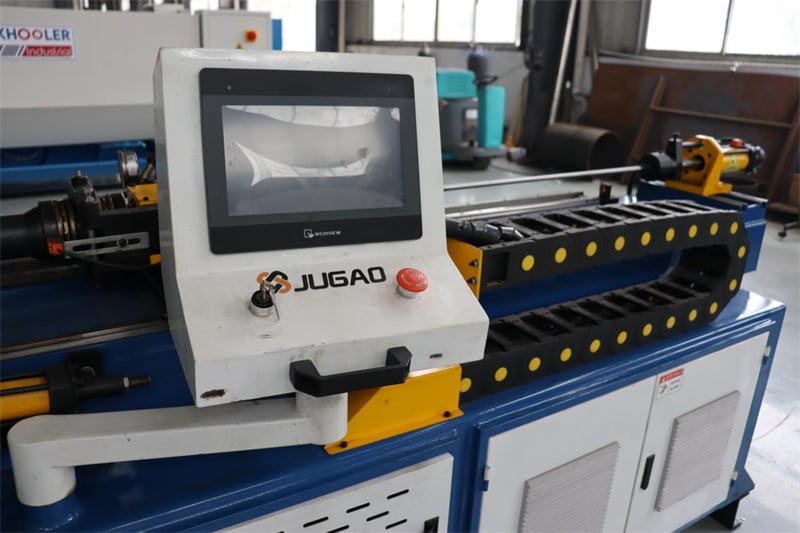
Trial production is positioned as a transitional phase between installation and mass production, conducting comprehensive load testing of the machine, tooling, and processes.
The necessity of trial production: Most installation errors are not apparent under no-load conditions but only become apparent under load. Trial production allows for the early detection and elimination of potential problems at the lowest possible adjustment cost.
The objectives of trial production:
Stability: Verify the overall machine's operational status
Accuracy: Confirm bending accuracy and repeatability
Alignment: Check the fit between the machine, tools, and materials
Troubleshooting: Identify installation-related mechanical/electrical problems.
How to prepare for trial production of a pipe bending machine
Check the machine leveling and anchoring.
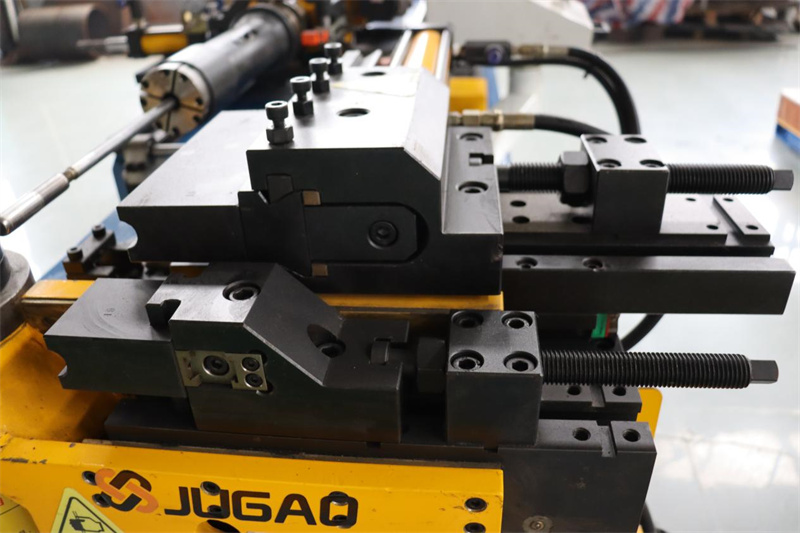
Before starting trial production, there are two things I always personally check: the machine's levelness and the anchor bolts. Don't underestimate this slight leveling deviation; it can easily cause all the angles you bend later to be off. Remember to always use a precision level to check the machine bed and main frame. The anchor bolts must also be tightened evenly according to the standard. If they are not tightened evenly, the machine will vibrate during the trial run, and all sorts of problems will arise.
Confirm electrical and hydraulic connections
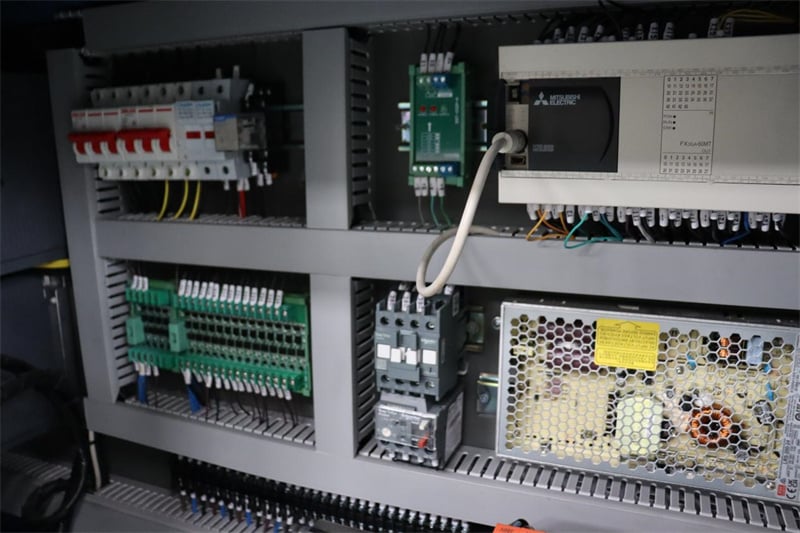
Installation errors often lurk in the electrical and hydraulic systems. During preparation, I always check: power supply voltage and phase, grounding connection, hydraulic lines and connectors. Any power instability or even a slight leak can disrupt servo control and bending consistency during trial production.
Pipe bending machine trial production steps, used to detect installation errors.
Step 1: Run the machine under no-load conditions
I always start trial production on the pipe bending machine with no load. This means running the shaft, clamping device, and mandrel without any material loaded.
Listen carefully for any unusual noises, vibrations, or jerks. These signs usually indicate problems with alignment or improper tightening, which are easily resolved at this stage.
Step 2: Perform the initial bending test using a simple geometry.
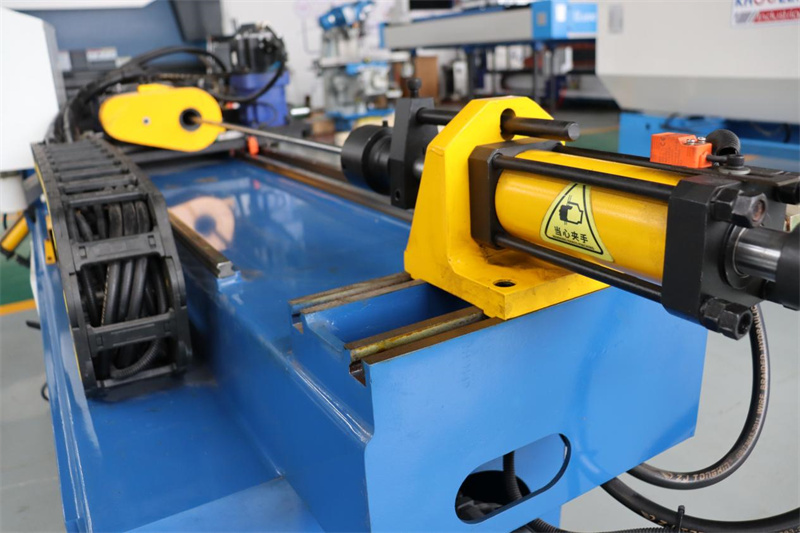
Key points for trial production:
Initial procedure: Single bend, standard radius, short pipe length
Troubleshooting basis: If there are installation errors, even a simple bend will show the following signs—angle deviation, surface scratches, abnormal springback.
Step 3: Check bending accuracy and repeatability
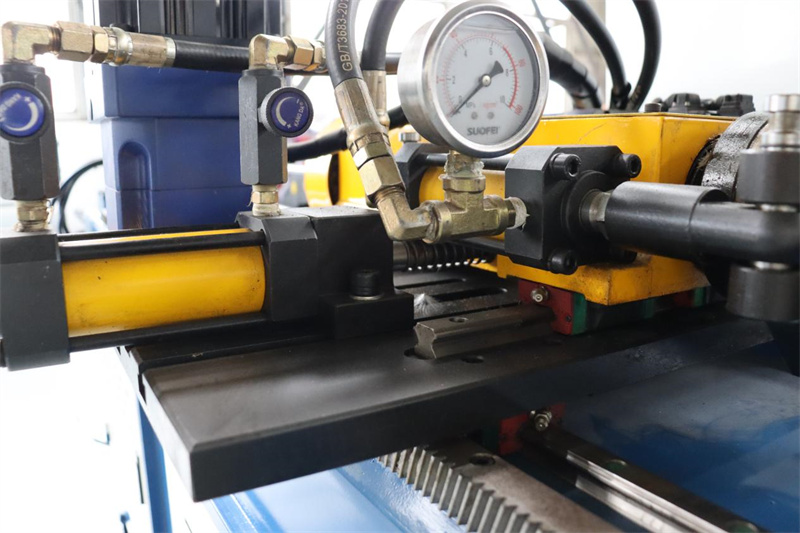
During trial production, don't just focus on the accuracy of the first bent part; I value consistency in every bend. My approach is to take the same pipe, bend it multiple times, and then compare the results.
If the bent parts are inconsistent, it usually boils down to one of three reasons: the machine isn't level, the tooling isn't aligned, or the frame was stressed during installation. These issues are easily fixed now; discovering them after mass production will cause significant problems.
Identifying common installation errors during trial production
Deviation between the cutting tool and the machine tool centerline
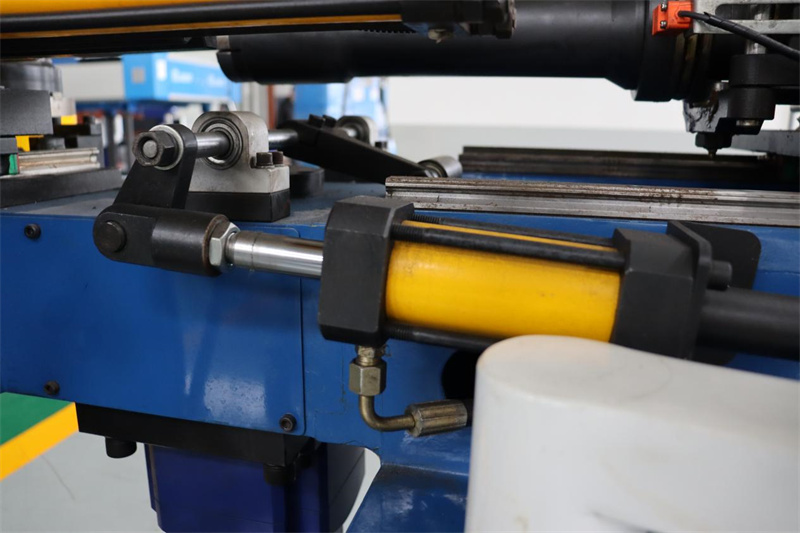
During trial production, mold misalignment was the most common problem I encountered. There are essentially two reasons: either the pipe bend wasn't installed correctly from the start, or the mold wasn't properly adjusted after the machine was in place.
How do you tell? Just look at the bent pipe—if it's flat, the wall thickness is uneven, or there are scratches on the surface, it's very likely misaligned. Therefore, during trial production, you must clearly verify this alignment before proceeding.
Insufficient clamping force or spindle position error
When test-bending a pipe, if it slips or wrinkles, the first reaction is often to adjust the mandrel or clamping force. This is correct, but I want to emphasize that behind these apparent problems, the root cause is often improper machine installation or alignment.
Therefore, during trial production, I adjust the parameters while observing the machine's response. A properly installed machine will react steadily and predictably to even minor adjustments. If the machine's response fluctuates wildly after parameter adjustments, then you need to go back and check the installation for issues.
Unexpected vibration or noise under load
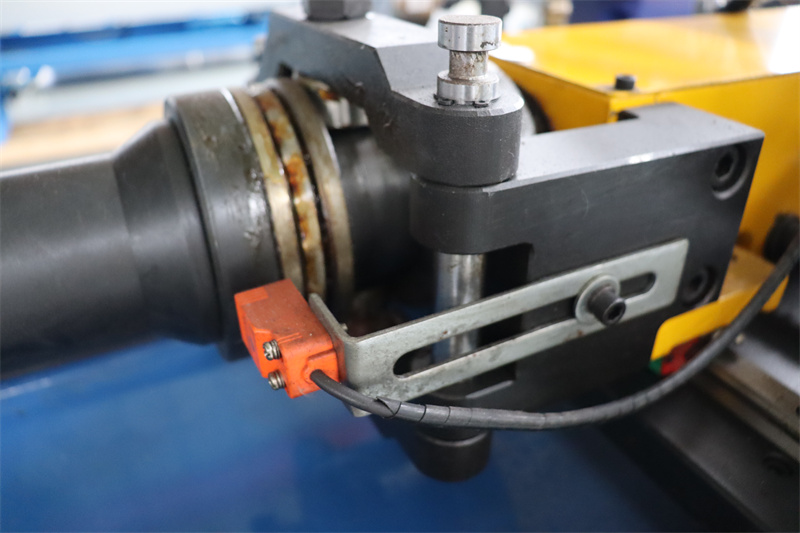
If you feel the machine vibrating during a test bend, don't dismiss it as a minor issue. In my many years in this industry, vibration often hides serious problems: either the foundation bolts aren't tightened properly, the machine's base isn't level, or some transmission connection is still wobbling.
These problems won't be detected during idle operation; they'll only become apparent under load. Therefore, trial production isn't just a formality; it's the last chance to uncover these issues before causing significant losses.
How to fine-tune parameters during the trial production of a pipe bending machine
Adjust bending speed and acceleration settings
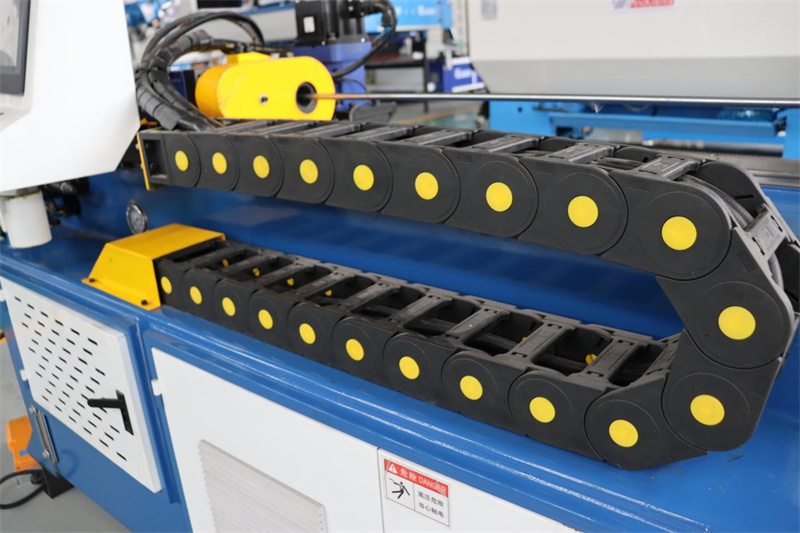
During trial production, I never rush to run at high speeds. Slowing down and proceeding steadily allows me to clearly see how the machine is performing and to determine whether a problem stems from installation issues or incorrect process adjustments.
Once the quality of the bent pipes has stabilized, I gradually increase the pressure and speed—this is both safe and allows me to truly understand the machine.
Verify rotation and feed accuracy
To determine whether a pipe bending machine is properly assembled, two key indicators are crucial: rotational accuracy and feed accuracy. In my experience, if these two data points deviate during trial production, nine times out of ten the time it's because the encoder is misaligned or there are flaws in the mechanical assembly—once discovered, they must be adjusted immediately without delay.

