





Optimizing the Operation Techniques of a Four-Roll Plate Roller for High-Efficiency Production
The four-roll plate roller, as a crucial piece of equipment in metal sheet processing, plays a vital role in industrial production. To improve production efficiency and ensure product quality, optimizing the operation techniques of the four-roll plate roller is particularly important. The following will detail how to optimize the operation techniques of a four-roll plate roller to achieve high-efficiency production, covering aspects such as equipment preparation, operation process, adjustment techniques, and maintenance.
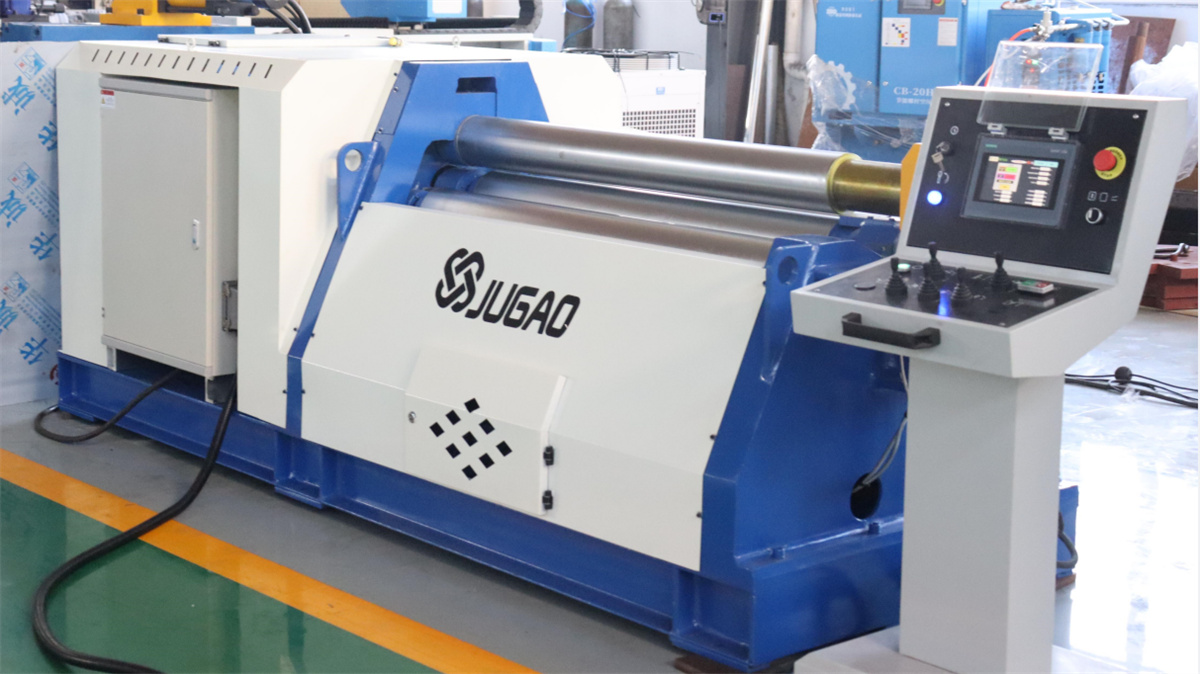
I. Equipment Preparation
Before operating the four-roll plate roller, first ensure that the equipment is intact and operating normally. Check that all components are securely fastened, the transmission system is smooth, and the hydraulic system pressure is normal. Simultaneously, wear appropriate safety protective equipment, such as a safety helmet, safety glasses, and gloves, to ensure safety during operation.
II. Sheet Positioning and Clamping
Adjust the positions of the lower and side rollers according to the width and thickness of the sheet material to ensure the sheet is stably placed on the machine. By adjusting the distance between the upper and lower rollers, apply appropriate pressure to the sheet material, thereby achieving stable bending. Before feeding the sheet material, ensure the ends are aligned to avoid misalignment during the rolling process.
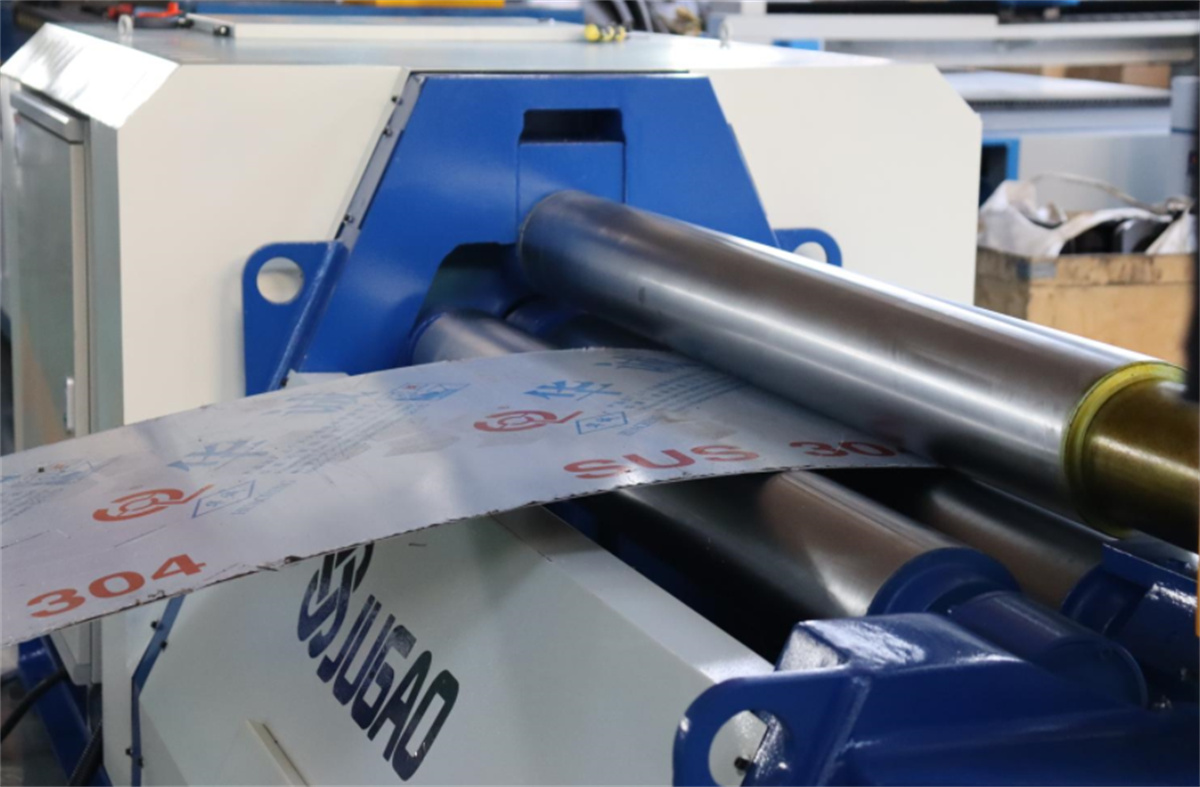
III. Precise Adjustment of Roller Position and Pressure
The key to operating a four-roll plate bending machine lies in the precise adjustment of the position and pressure of each roller. Utilizing the machine's fine-tuning device, meticulously adjust the position of each roller to ensure they are in optimal working condition. When adjusting the position and pressure of the upper and lower rollers and side rollers, precision to the millimeter level is required. This necessitates the use of professional measuring tools for precise measurement and adjustment to ensure the bending radius and shape of the sheet material meet design requirements.
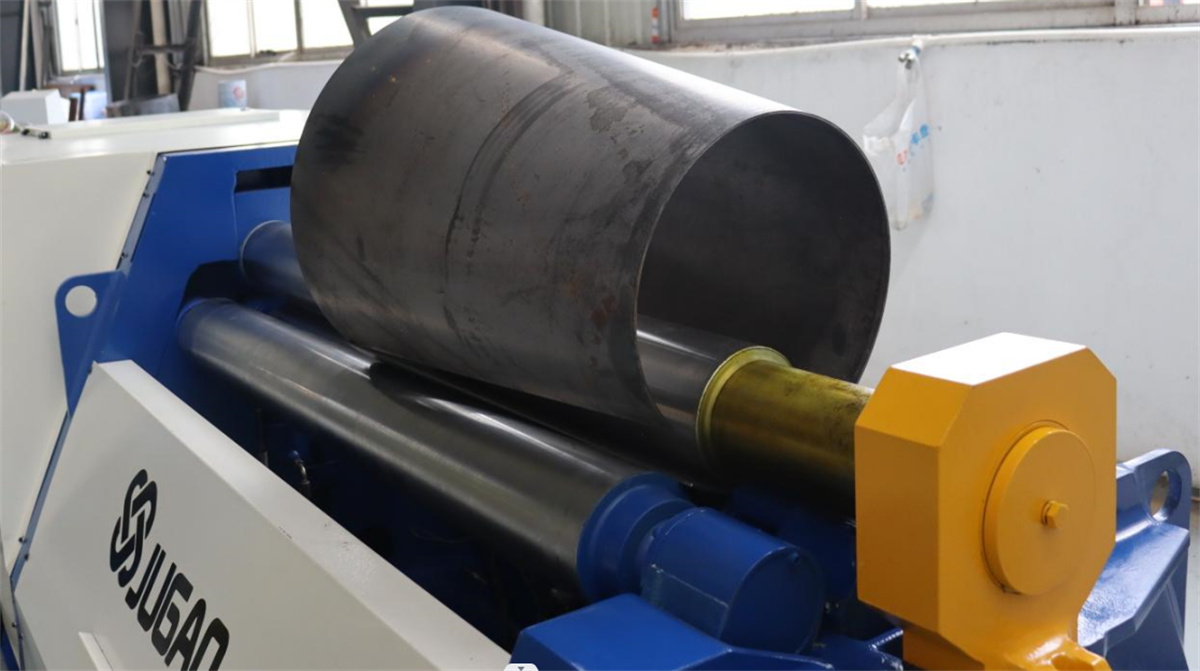
IV. Flexible Adjustment of Side Roller and Feed Speed
During the bending process, the movement and pressure control of the side rollers are crucial. The position and pressure of the side rollers must be flexibly adjusted according to the bending condition of the sheet material and process requirements. Simultaneously, closely monitor the feed speed and bending angle of the sheet material, adjusting them as needed to ensure uniform and aesthetically pleasing bending. These variables can be precisely controlled using the parameter settings on the control panel to meet different process requirements.
V. Observation and Adjustment
During the bending process, closely observe the bending condition and shape changes of the sheet material. If any abnormalities or problems are found, such as cracks, wrinkles, or other defects in the sheet material, timely adjustments and repairs should be made. Meanwhile, the rolling parameters and process steps should be flexibly adjusted according to actual conditions to ensure product quality and performance.
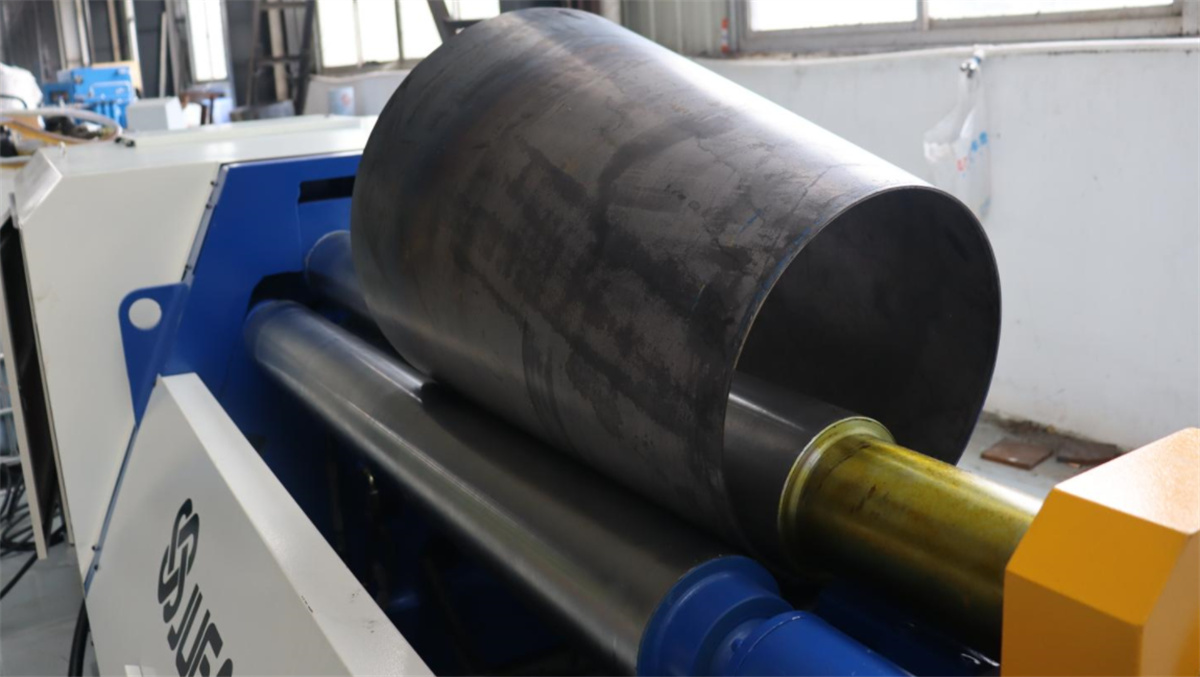
VI. Techniques for Rolling Cones
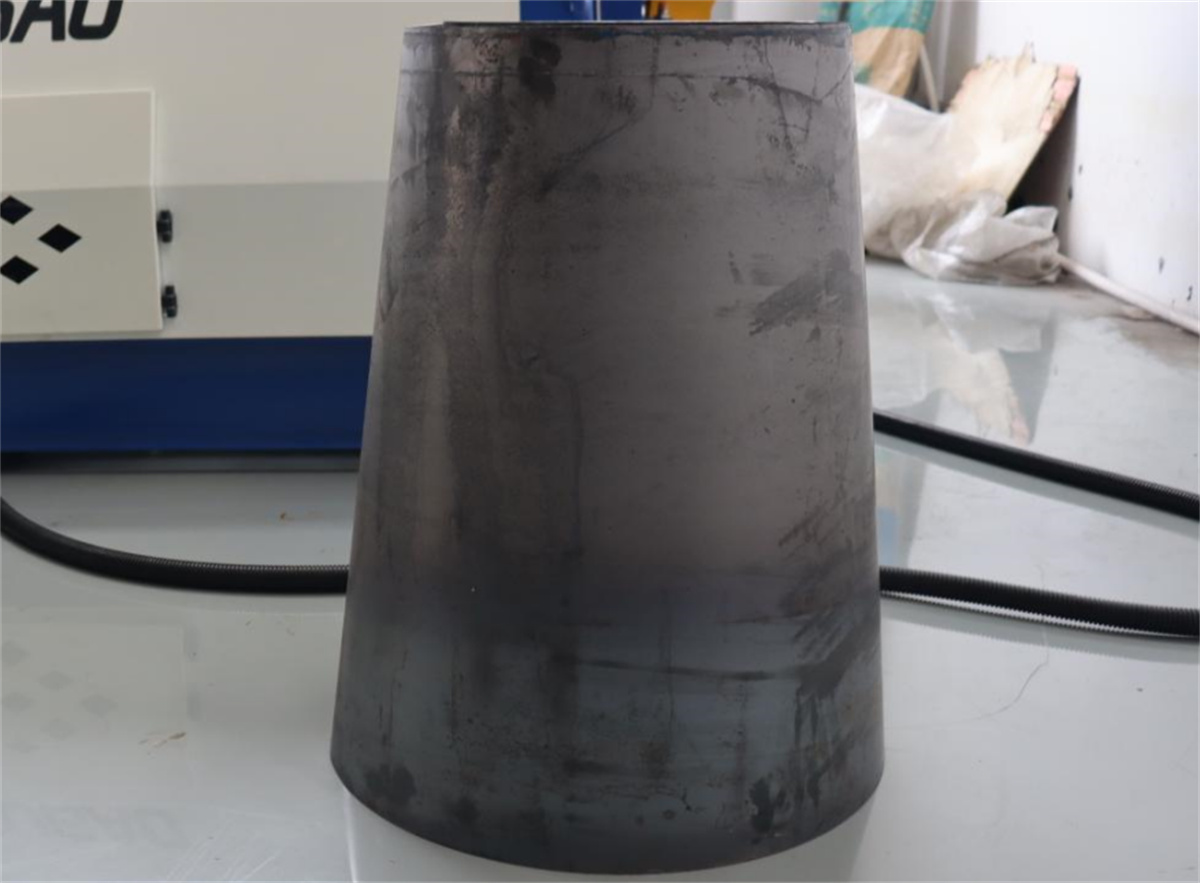
When rolling cones, special attention needs to be paid to the selection of the sheet material, the precise adjustment of the roller positions, and the uniform application of pressure. Sheet material that meets the size and shape requirements of the cone should be selected, and the position and pressure of each roller should be precisely adjusted to ensure that the sheet material is evenly stressed during the rolling process. At the same time, the position and pressure of the side rollers should be flexibly adjusted to achieve the best rolling effect.
VII. Maintenance and Upkeep
To extend the service life of the four-roll plate rolling machine and improve production efficiency, regular maintenance and upkeep of the equipment is crucial. The wear condition of each component should be checked regularly, and damaged parts should be replaced promptly. At the same time, the equipment should be kept clean and lubricated to ensure smooth operation of all components.
VIII. Rational Arrangement of Production Tasks
Based on the production plan and product requirements, the operating time and production tasks of the equipment should be rationally arranged. Avoid prolonged continuous operation that could lead to overheating or accelerated wear of the equipment, affecting production efficiency and product quality.
In summary, optimizing the operation of a four-roll plate bending machine requires attention to multiple aspects, including equipment preparation, plate positioning and clamping, precise adjustment of roller positions and pressure, flexible adjustment of side rollers and feed speed, observation and adjustment, techniques for rolling cones, maintenance, and reasonable production scheduling. Only in this way can efficient production be achieved, product quality ensured, and greater economic benefits created for the enterprise.

