




Vamzdžių lenkimo mašinos bandymo gamyba: kaip kuo anksčiau aptikti įrengimo klaidas?
Po naujos vamzdžių lenkimo mašinos įdiegimo kaip galime patikrinti, ar viskas paruošta ir ar gamyba gali prasidėti su pasitikėjimu? Atsakymas: atlikti kruopščią bandomąją gamybą. Tai tikroji patikra prieš oficialiai paleidžiant įrenginį eksploatacijoje. Jos tikslas yra ne tik pagaminti keletą detalių, bet svarbiausia – kuo greičiau aptikti paslėptus montavimo trūkumus, kad vėliau būtų išvengta tikslumo valdymo praradimo, šablonų pažeidimo ar gamybos nutraukimo. Toliau pateiksiu savo įprastus bandomosios gamybos vykdymo žingsnius, pagrindinius kontrolės taškus bei tai, kaip ankstyvojo įsikišimo pagalba užkloti ilgalaikės stabilaus įrenginio veikimo pamatus.
Kodėl vamzdžių lenkimo mašinų bandymo gamyba po įdiegimo yra tokia svarbi?
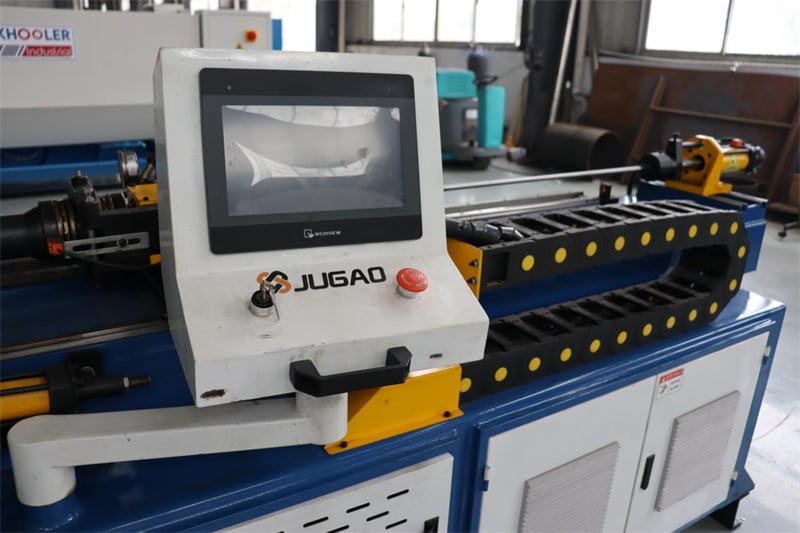
Bandymo gamyba laikoma perėjimo etapu tarp įdiegimo ir masinės gamybos, kurio metu atliekama išsami mašinos, įrankių ir procesų apkrovinimo būdu bandymų serija.
Bandymo gamybos būtinybė: dauguma įdiegimo klaidų nepastebima beapkrovinėmis sąlygomis, tačiau jos pasireiškia tik esant apkrovai. Bandymo gamyba leidžia ankstyvai aptikti ir pašalinti galimus problemas su minimaliomis reguliavimo sąnaudomis.
Bandymo gamybos tikslai:
Stabilumas: patikrinti visos mašinos veikimo būklę
Tikslumas: patvirtinti lenkimo tikslumą ir pakartojamumą
Suderinamumas: patikrinti mašinos, įrankių ir medžiagų tarpusavio pritaikymą
Trikties šalinimas: nustatyti įdiegimui būdingas mechanines / elektrines problemas.
Kaip pasiruošti vamzdžių lenkimo mašinos bandymo gamybai
Patikrinkite mašinos horizontalumą ir pritvirtinimą.
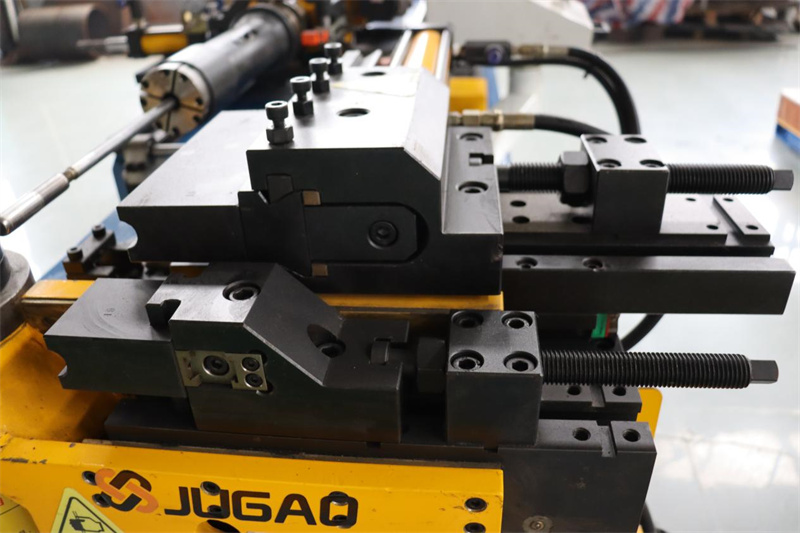
Pradėdami bandymo gamybą, visada asmeniškai patikrinu du dalykus: mašinos horizontalumą ir tvirtinimo varžtus. Nepažabokite šio nedidelio nuokrypio nuo horizontalios padėties – jis gali lengvai sukelti visų vėliau lenkiamų kampų netikslumą. Visada naudokite tikslų lygio matuoklį, kad patikrintumėte mašinos lovą ir pagrindinę konstrukciją. Tvirtinimo varžtai taip pat turi būti vienodai įsukti pagal standartą. Jei jie nebus įsukti vienodai, bandymo metu mašina pradės virpėti ir kils įvairiausių problemų.
Patvirtinti elektros ir hidraulinių jungčių tinkamumą
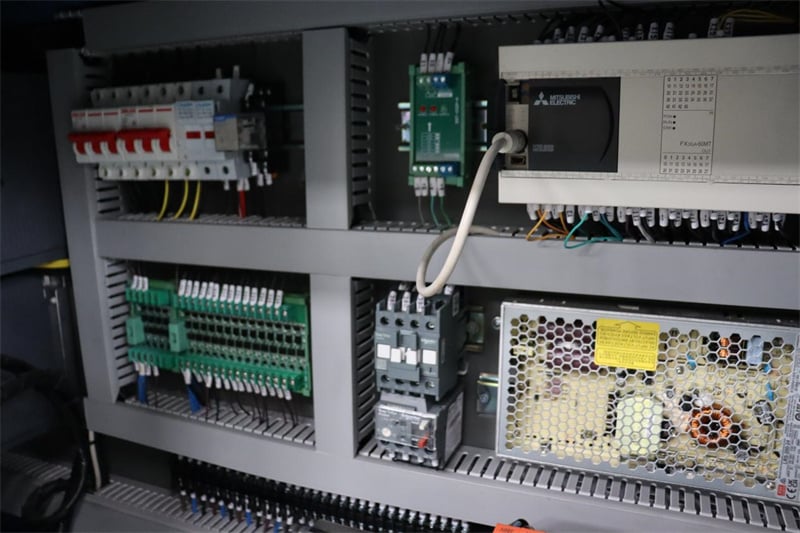
Įrengimo klaidos dažnai slepiasi elektros ir hidraulinėse sistemose. Ruošdamasis visada patikrinu: maitinimo įtampos dydį ir fazes, įžeminimo jungtį, hidraulines žarnas ir sujungimo elementus. Bet kokia maitinimo netolygumas ar net nedidelė nutekėjimo vieta gali sutrikdyti servovaldymą ir lenkimo vientisumą bandymo gamybos metu.
Vamzdžių lenkimo mašinos bandymo gamybos žingsniai, skirti įrengimo klaidoms aptikti.
1 žingsnis: paleisti mašiną be apkrovos sąlygomis
Visada pradedu bandymo gamybą vamzdžių lenkimo mašinoje be apkrovos. Tai reiškia, kad sukasi velenas, spaustukas ir mandrelis be jokios medžiagos.
Dėmesingai klausykitės bet kokių netipiškų garsų, virpesių ar šuolių. Šie požymiai dažniausiai rodo problemas su išlyginimu ar netinkamu priveržimu, kurios šiame etape lengvai išsprendžiamos.
Žingsnis 2: Atlikite pradinį lenkimo bandymą naudodami paprastą geometriją.
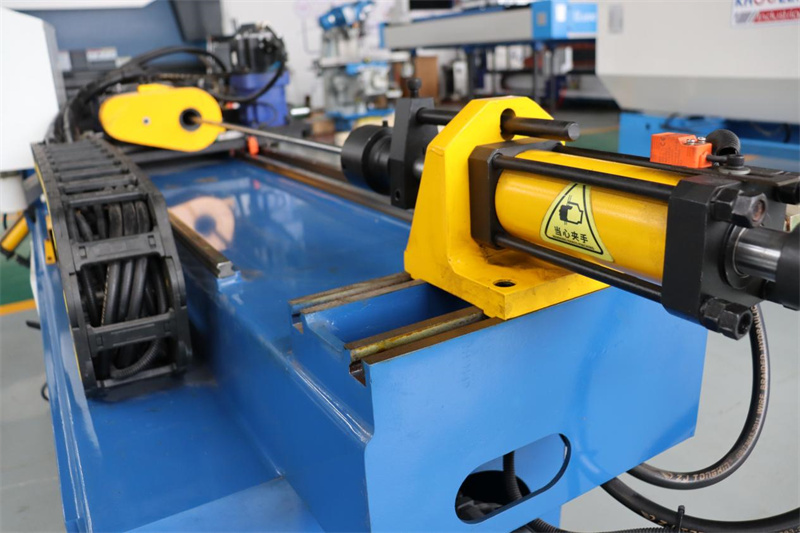
Pagrindiniai punktai bandymo gamybai:
Pradinė procedūra: vienas lenkimas, standartinis spindulys, trumpas vamzdžio ilgis
Trikties šalinimo pagrindas: jei yra montavimo klaidų, net paprasčiausias lenkimas parodys šiuos požymius – kampo nuokrypis, paviršiaus bruožai, netipinė atšokimo reišmė.
Žingsnis 3: Patikrinkite lenkimo tikslumą ir pakartojamumą
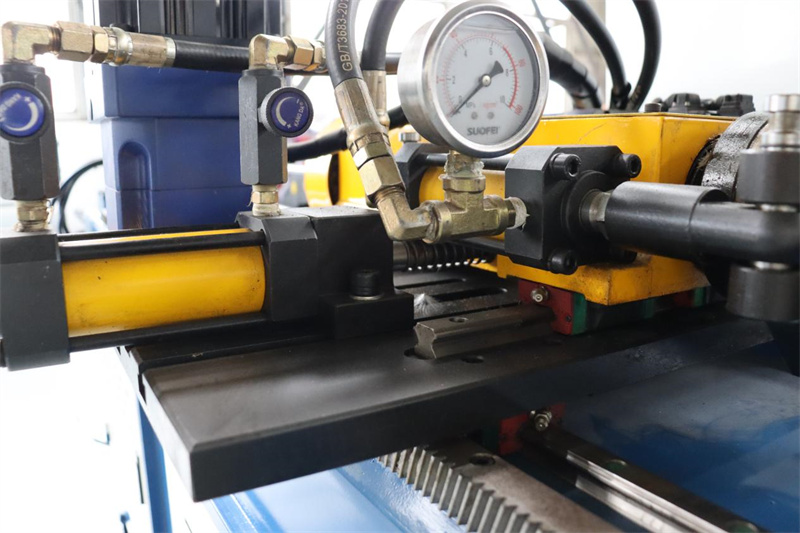
Bandymo gamybos metu nedėkite dėmesio tik pirmojo sulenkto gaminio tikslumui; aš vertinu kiekvieno lenkimo vientisumą. Mano metodas – imti tą patį vamzdį, jį kelis kartus sulenkti ir tada palyginti rezultatus.
Jei lenktos detalės nėra vienodos, tai paprastai susiję su viena iš trijų priežasčių: įrenginys nestoviuoja lygiai, įrankiai nėra tinkamai sujungti arba rėmas buvo deformuotas montavimo metu. Šios problemos dabar lengvai išsprendžiamos; jų aptikimas po masinės gamybos pradžios sukeltų rimtų sunkumų.
Būdingų montavimo klaidų nustatymas bandymo gamybos metu
Nukrypimas tarp pjovimo įrankio ir staklių ašies
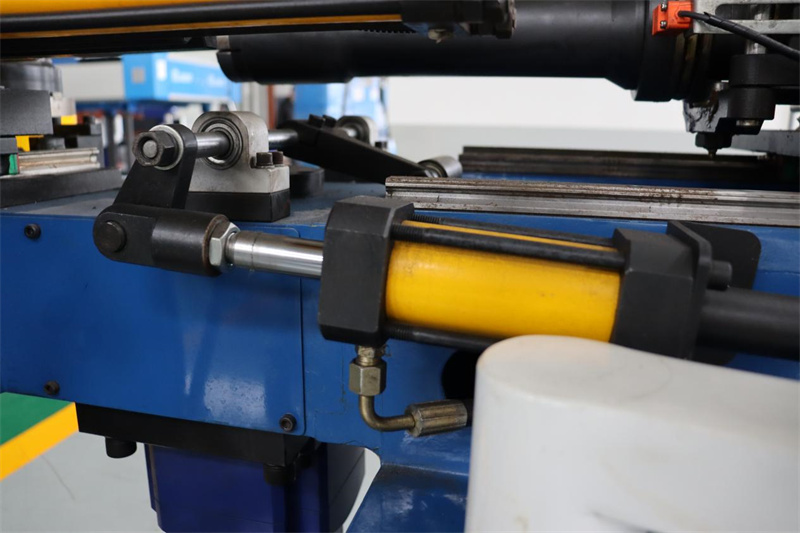
Bandymo gamybos metu dažniausiai pasitaikiusi problema buvo šablonų nesutapimas. Pagrindinės dvi priežastys: arba vamzdis buvo neteisingai sumontuotas nuo pat pradžių, arba šablonas nebuvo tinkamai sureguliuotas po to, kai įrenginys buvo įmontuotas į vietą.
Kaip tai nustatyti? Pakanka pažvelgti į lenktą vamzdį – jei jis plokščias, sienelės storis nevienodas arba paviršiuje matyti bruožai, labai tikėtina, kad šablonai nesutampa. Todėl bandymo gamybos metu būtina aiškiai patikrinti šį sutapimą prieš tęsiant darbus.
Nepakankama spaustuvės jėga arba verpeto padėties klaida
Kai bandant lenkti vamzdį, jei jis slysta arba susiraukšlėja, pirmoji reakcija dažnai būna reguliuoti mandrelį arba spaustuvų jėgą. Tai teisinga, tačiau noriu pabrėžti, kad šių akivaizdžių problemų šaknis dažnai yra netinkama įrangos montavimo arba išlyginimo klaida.
Todėl bandymo gamybos metu aš keičiu parametrus stebėdamas įrangos reakciją. Teisingai sumontuota įranga reaguos stabiliai ir numatytai net ir nedideliems parametrų pakeitimams. Jei po parametrų koregavimo įrangos reakcija stipriai svyruoja, tuomet reikia grįžti atgal ir patikrinti montavimo problemas.
Netikėti virpesiai ar triukšmas veikiant apkrova
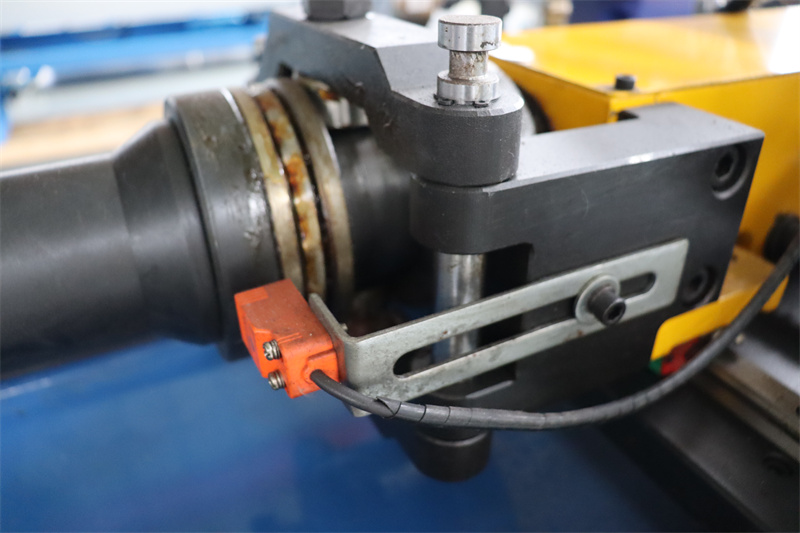
Jei bandymo lenkimo metu pajuntate, kad įranga virpa, nedarykite iš to menkos problemos. Per daugelį metų, kuriuos praleidau šioje srityje, virpesiai dažnai slepia rimtas problemas: arba pamato varžtai nėra tinkamai priveržti, arba įrangos pagrindas nėra lygus, arba kuris nors perdavimo jungiamasis elementas vis dar svyruoja.
Šie problemos nebus aptikti veikiant tuščiąja eiga; jos taps akivaizdžios tik apkrovos metu. Todėl bandymo gamyba nėra tik formalumas – tai paskutinė galimybė aptikti šias problemas, kol dar neįvyko dideli nuostoliai.
Kaip tiksliai sureguliuoti parametrus vykdant vamzdžių lenkimo mašinos bandymo gamybą
Reguliuokite lenkimo greitį ir pagreitinimo nustatymus
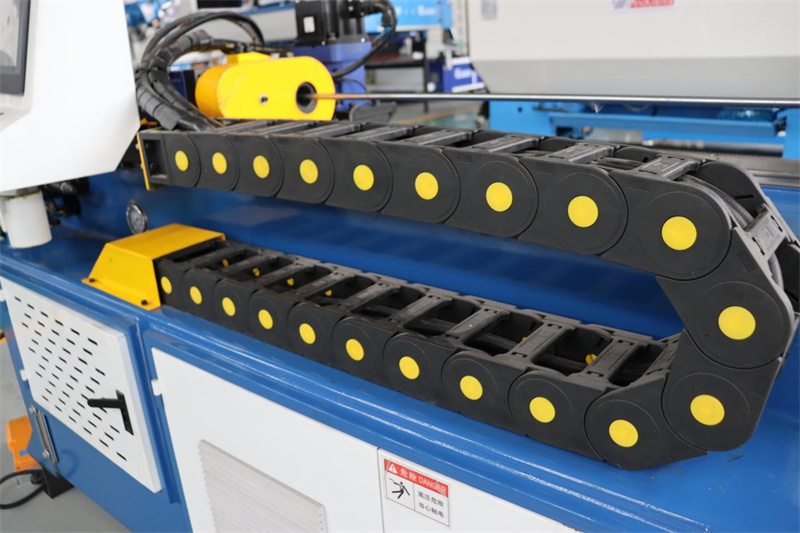
Bandymo gamybos metu aš niekada neskubu paleisti mašinos dideliu greičiu. Sulėtindamas ir judėdamas pastoviai galiu aiškiai matyti, kaip mašina veikia, ir nustatyti, ar problema kyla dėl netinkamos įrengimo ar neteisingų technologinių nustatymų.
Kai lenktų vamzdžių kokybė stabilizuojasi, palaipsniui padidinu slėgį ir greitį – tai yra saugu ir leidžia tikrai suprasti mašinos galimybes.
Patikrinkite sukimosi ir padavimo tikslumą
Norint nustatyti, ar vamzdžių lenkimo įrenginys surinktas tinkamai, yra dvi svarbios indikatorės: sukimosi tikslumas ir padavimo tikslumas. Pagal mano patirtį, jei šie du duomenys nukrypsta bandymo gamybos metu, devynis kartus iš dešimties tai būna dėl neteisingai suorientuoto koduoklio arba mechaninės surinkimo trūkumų – jie turi būti nedelsiant sureguliuoti, kai tik juos aptinkama.

