





Miért keletkeznek repedések a hajlítógéppel végzett hajlítás során?
Tartalomjegyzék
• A lemezfémmel végzett sajtófék-hajlítás repedésének megértése
○ Mi történik a fémmel a sajtófék-hajlítás során
○ Miért keletkeznek repedések a hajlítás külső felületén
• Anyagokra visszavezethető okok a hajlítási repedések kialakulásában
○ Alacsony nyúlási képességű fémek
○ Az anyag szemcseirányának és a hajlítás irányának összhangja
• Szerszám kiválasztása és hatása a hajlítási repedésekre
○ Helytelen V-metszet nyílás méret
○ Túl éles ütő sugár
• A gépbeállítások hatása a hajlítási repedések kialakulására
○ Túlzott hajlítóerő (tonna)
○ Megfelelőtlen hajlítási sebesség
• Gyakorlati megoldások a présfogó hajlítási repedéseinek elkerülésére
○ A megfelelő belső hajlítási sugár kiválasztása
○ A szerszámok és a nyomóforma konfigurációjának optimalizálása
○ Az anyag minőségének és tulajdonságainak ellenőrzése
○ A hajlítási irány módosítása
• Gyakran ismételt kérdések (GYIK)
○ Mi a fő oka a hidraulikus hajtópressek hajtásakor fellépő repedéseknek?
○ Hatással van-e a szerszám kiválasztása a hajtás során keletkező repedésekre?
○ Hatással van-e a szálirány a hajtás során keletkező repedésekre?
○ Hogyan lehet elkerülni a repedéseket rozsdamentes acél hajtása során?
• Következtetés
A hidraulikus hajtópresseken fellépő hajtási repedések gyakori hiba a lemezfeldolgozásban. Amikor ilyen problémák merülnek fel a hajtás során, először az anyagjellemzőket és a hajtási paramétereket elemezem. Ez a hiba közvetlenül rontja a termék minőségét, szerkezeti integritását és a gyártási hatékonyságot. Sok működtető feltételezi, hogy kizárólag az alacsony minőségű anyag okozza a hibát, de a repedések általában több tényező együttes hatására jönnek létre: megfelelőtlen szerszám, túl kicsi hajtási sugár, túlzott hajtási nyomás vagy kedvezőtlen szálirány-elrendezés. Ebben a cikkben bemutatjuk a hidraulikus hajtópressek hajtási repedéseinek fő okait, valamint gyakorlatias megoldásokat is megosztunk az anyagok, szerszámok és berendezésparaméterek optimalizálásával.
A lemezfeldolgozásban fellépő hidraulikus hajtópressek hajtási repedéseinek megértése
A hajlítási repedések javításához először meg kell érteni, hogyan alakul át a fém hajlítás közben.
Mi történik a fémmel a sajtófék hajlítása során
Amikor lemezfémet hajlítanak sajtóféken, két ellentétes feszültség éri: a belső réteg összenyomódik, míg a külső réteg megnyúlik. A repedések akkor kezdődnek, amikor a külső felületre ható húzófeszültség meghaladja az anyag nyúláshatárát.
Ez a hajlítási repedések alapvető mechanikai elve. Az alacsony nyújthatóságú anyagok vagy a megfelelőtlen hajlítási körülmények sokkal nagyobb valószínűséggel okoznak repedéseket.
Miért keletkeznek repedések a külső hajlítási felületen
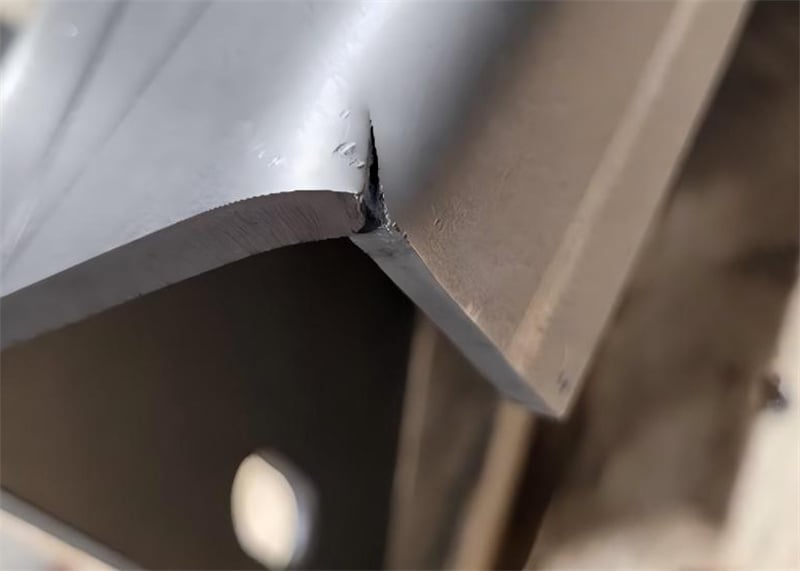
A repedések majdnem mindig a külső hajlítási sugáron jelennek meg, mivel ebben a zónában éri a legnagyobb húzófeszültség az anyagot. Ha a hajlítási sugár túl kicsi a lemezvastagsághoz képest, az anyag nem tud elegendően megnyúlni, és repedni kezd.
Ezért döntő fontosságú a megfelelő ütő sugár és a szerszámkivágás kiválasztása a repedések megelőzéséhez.
Anyagfüggő okok a hajlítási repedések kialakulásában
A tényleges gyártás során az anyagtulajdonságok a hajlítási repedések leggyakoribb okai közé tartoznak.
Alacsony nyúlási képességű fémek
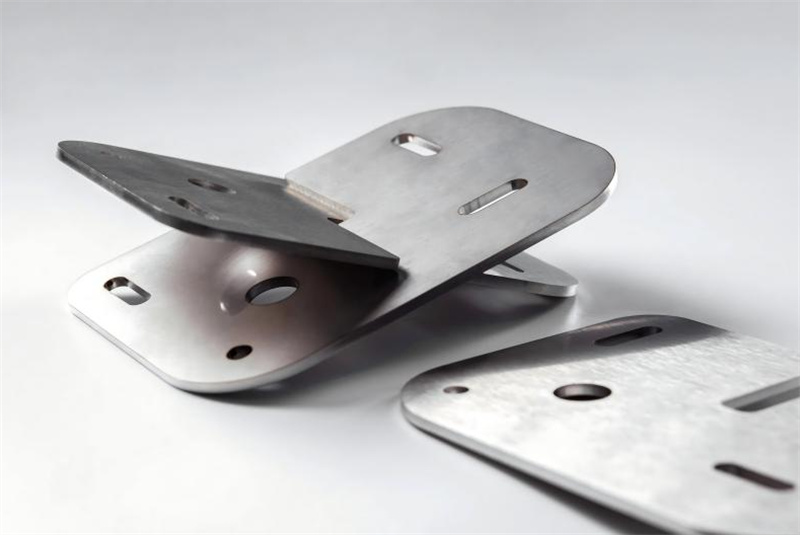
Egyes fémek – különösen a nagy szilárdságú acél, a megmunkált acél vagy a helytelenül feldolgozott rozsdamentes acél – korlátozott nyúlási képességgel rendelkeznek. Ezek az anyagok nem nyúlnak elegendően a hajlítás során.
Az alacsony nyúlási képességű anyagok hajlítása jelentősen növeli a repedés kockázatát.
Ennek a kockázatnak a csökkentése érdekében ajánlom:
• Nagyobb hajlítási sugár alkalmazását
• A hajlítási sebesség lelassítását
• Amennyiben lehetséges, lépcsőzetes hajlítás alkalmazását
Anyagszemcse-irány és hajlítási irány egyeztetése
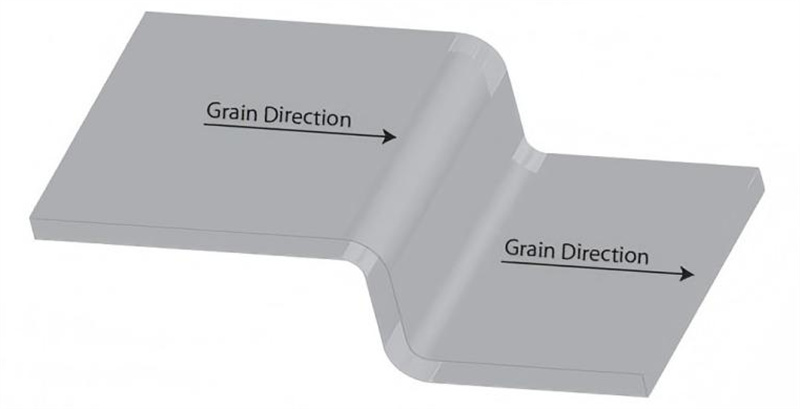
A fémlemezek a hengerlés során irányított szemcsestruktúrát alakítanak ki, amely erősen befolyásolja a hajlíthatóságot.
Ha a hajlásvonal párhuzamos a rostiránnyal, akkor a anyag sokkal nagyobb valószínűséggel reped, mivel a nyúlás a gyengébb rostszerkezeten keresztül zajlik.
A repedések elkerülése érdekében – amennyire lehetséges – merőlegesen kell hajtani a rostirányra.
Szerszám kiválasztása és hatása a hajtási repedésekre
A helytelen szerszám egy másik fő oka a hajtási hibáknak.
Helytelen V-horpadás méret
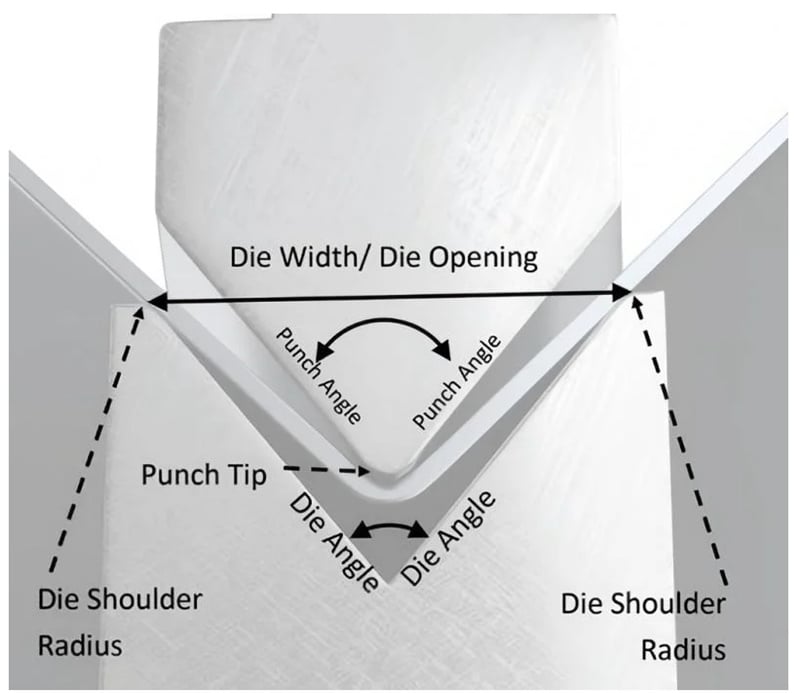
A V-horpadás mérete meghatározza az anyagáramlást a hajtás során. A megadott lemezvastagsághoz túlságosan keskeny horpadás túlzott hajtási feszültséget eredményez.
Ezeket a gyakorlati irányelveket követem:
• Finomacél: V-horpadás mérete ≈ 8 × anyagvastagság
• Rozsdamentes acél: V-horpadás mérete ≈ 10–12 × anyagvastagság
• Alumínium: V-horpadás mérete ≈ 6–8 × anyagvastagság
A megfelelő szerszám méret kiegyenlítetten osztja el a feszültséget, és csökkenti a repedés kockázatát.
Túl éles ütő sugár
Egy rendkívül kis sugarú ütő éles, hirtelen deformációt eredményez, ami növeli a húzófeszültséget a külső felületen.
Egy nagyobb ütő sugár lehetővé teszi a fokozatos, enyhe deformációt, amely jelentősen csökkenti a repedés kockázatát.
A hajlítás repedését befolyásoló gépbeállítások
A nyersanyagokon és szerszámokon túl a gép paraméterei is alapvető szerepet játszanak.
Túlzott hajlítóerő
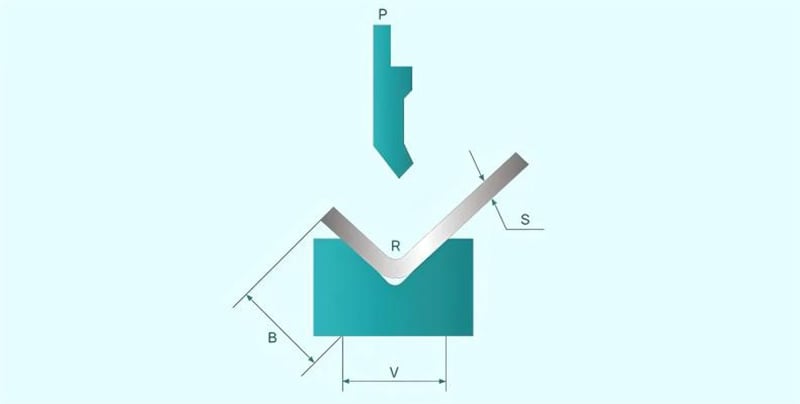
A túl nagy hajlítóerő túlterheli az anyagot. Ez gyakran akkor fordul elő, ha az üzemeltetők helytelen tonnázási beállításokat alkalmaznak vagy túl keskeny szerszámnyílást használnak.
A tonnázás figyelése és egy megbízható hajlítóerő-számító program használata segít megelőzni az anyag törését.
Megfelelőtlen hajlítási sebesség
A magas hajlítási sebesség fokozhatja a feszültségkoncentrációt, különösen vastag lemezek vagy kemény anyagok esetén.
Sok esetben a hajlítási sebesség csökkentése lehetővé teszi az anyag simább alakváltozását, és így csökkenti a repedés kockázatát.
Gyakorlati megoldások a sajtóhajlításnál fellépő repedések elkerülésére
A gyártósori tapasztalatok alapján a hajlítási repedések kiküszöbölése általában együttes beállításokat igényel.
Válassza ki a megfelelő belső hajlítási sugarat
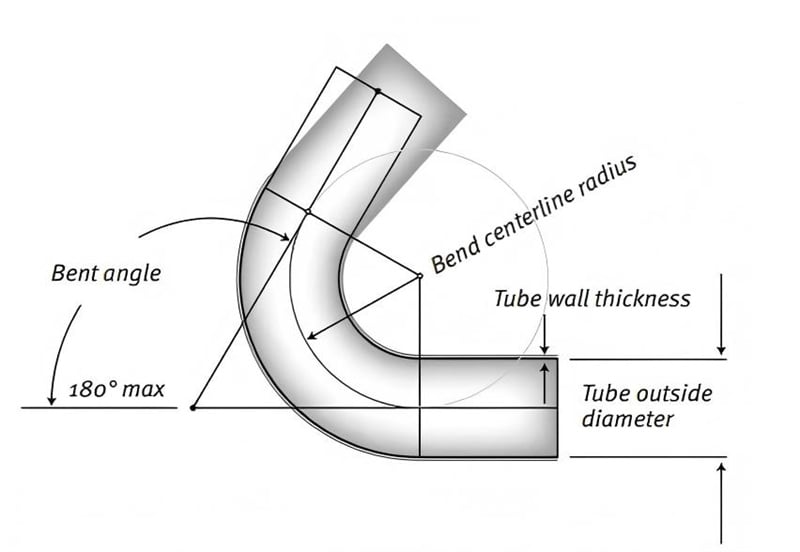
A belső hajlítási sugár növelése csökkenti a húzófeszültséget a külső felületen. Ez az egyszerű módosítás gyakran teljesen megszünteti a repedéseket.
Optimalizálja az eszközöket és a nyomószerszám-beállítást
A megfelelő ütő sugara és V-nyílás kiválasztása biztosítja az egyenletes feszültségeloszlást a hajlítás során.
Ellenőrizze az anyag minőségét és tulajdonságait
Mindig ellenőrizze az anyag tanúsítványait és mechanikai tulajdonságait. Egy rossz nyúlási értékkel rendelkező tétel akár szabványos hajlítási körülmények között is repedhet.
Hajlítási irány beállítása
A lemez hengerlési szálirányára merőlegesen hajlítsa, amennyire csak lehetséges.
Gyakran Ismételt Kérdések
Mi a nyomóhajlító hajlítási repedések fő oka?
A leggyakoribb ok az, hogy a belső hajlítási sugár túl kicsi a lemezvastagsághoz képest, ami a külső felület túlnyújtását eredményezi.
Hatással van-e a szerszámválasztás a hajlítási repedésekre?
Igen. A megfelelőtlen ütő sugara vagy túl keskeny mélyítésnél növekszik a hajlítási feszültség, és repedéseket okoz.
Hatással van-e a szálirány a hajlítási repedésekre?
Teljes mértékben. A száliránnyal párhuzamos hajlítás növeli a repedés kockázatát; a szálirányra merőleges hajlítás csökkenti a feszültségkoncentrációt.
Hogyan lehet elkerülni a repedéseket rozsdamentes acél hajlításakor?
Használjon szélesebb mélyítést, növelje a hajlítási sugarat, és csökkentse a hajlítási sebességet. A rozsdamentes acél alacsonyabb nyújthatósággal rendelkezik, mint az enyhe acél, ezért szigorúbb paraméter-vezérlésre van szüksége.
Összegzés
A nyomóhajlítás repedése egy gyakori, de elkerülhető probléma a lemezalapú gyártásban. A legtöbb esetben a repedések anyagtulajdonságok, helytelen szerszámozás, elégtelen hajlítási sugár vagy túlzott gépi erő kombinációjából adódnak. Ha megértjük a fém deformációs viselkedését, és beállítjuk a nyomatéknyílást, a dörzspont sugárát, a szemcseirányt és a hajlítási sebességet, akkor drasztikusan csökkenthetjük a repedés kockázatát.
A hajlítási minőség javítása és a költséges hibák elkerülése érdekében mindig értékelje az anyagtulajdonságokat és a szerszámozási beállítást a gyártás megkezdése előtt. Professzionális tanácsadásért a nyomóhajlító gépek kezeléséről, szerszámválasztásról vagy hajlítási optimalizálásról lépjen kapcsolatba csapatunkkal, vagy böngésszen további műszaki dokumentumokat honlapunkon.

