





Miért jelennek meg repedések egy csőhajlító gép által hajlított csőn?
A repedések gyakori és problémás hibák a csövek hajlítása során. Ha egyszer megjelennek, befolyásolhatják a megjelenést, sőt akár szerkezeti meghibásodáshoz is vezethetnek. A hajlított csövekben keletkező repedések okai eltérnek a lemezalapanyagok hajlítása során fellépő repedések okaitól, mivel a csövek egyedi mechanikai állapota és a folyamat részletei is szerepet játszanak.
A anyag elégtelen képlékenysége vagy túlzottan vékony falvastagsága
A cső megnyúlása, folyáshatára és falvastagsága közvetlenül meghatározza hajlíthatóságát. Amikor az anyag maga túlságosan kemény (például nagy szilárdságú acél vagy egyes rozsdamentes acélok), illetve amikor a falvastagság túlságosan vékony az átmérőhöz képest, a külső rostok húzódeformációja meghaladja a határt, és repedések jelennek meg a hajlítás külső oldalán.
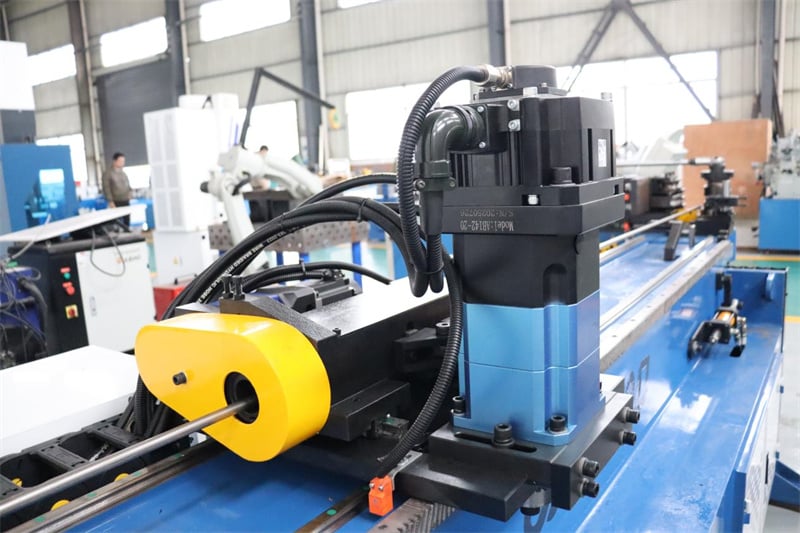
Túl kicsi hajlítási sugár
A hajlítási középpont sugara (R) és a cső külső átmérője (D) aránya, azaz R/D, egy kulcsfontosságú mutató. Ha az R/D arány túl kicsi (általában ajánlott, hogy R/D ≥ 3 legyen, az anyagtól és a folyamattól függően), akkor a hajlítási deformáció erősen koncentrálódik, a külső falvastagság csökkenésének aránya meghaladja a szabványos értéket, és könnyen keletkeznek repedések.
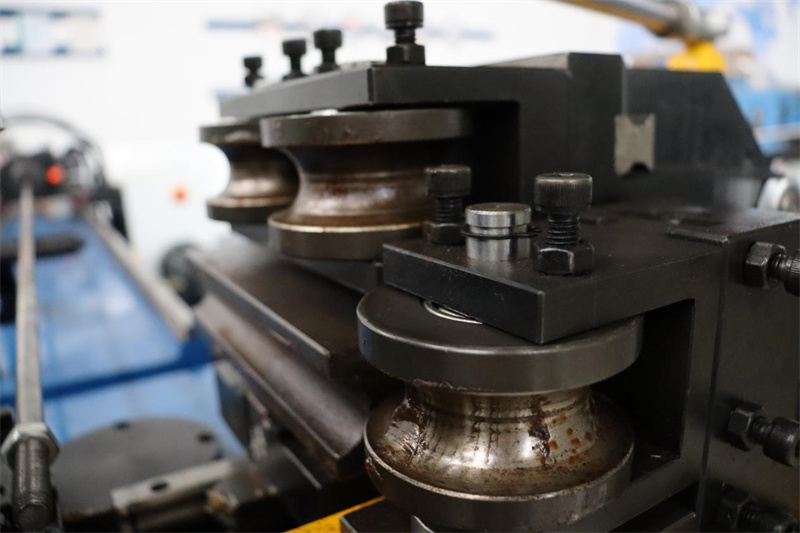
Hajlítótömb hiánya vagy helytelen szerszámpár használata
Amikor csöveket hajlítunk csőhajlító géppel, ha nem használnak mandrel-t, a mandrel túlságosan hátra van helyezve, vagy a szerszámok (pl. hajlító, rögzítő és ráncmentesítő szerszámok) nem megfelelően vannak összeillesztve, akkor a cső belső oldala nem kap hatékony támasztást, ami keresztmetszeti torzuláshoz (laposodáshoz, ráncolódáshoz) vezet, és tovább fokozza a húzófeszültség koncentrációját a cső külső oldalán, amely repedések kialakulását idézheti elő.
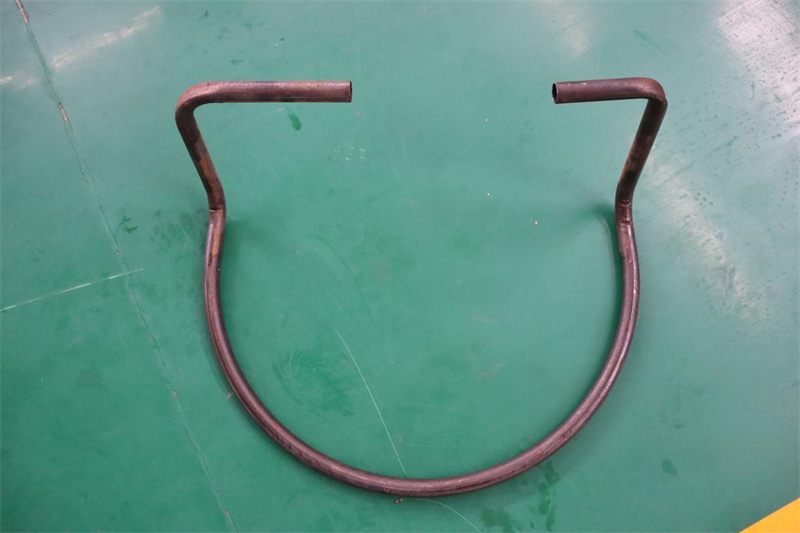
Helytelen hegesztési elhelyezés
Hegezett csöveknél, ha a hegesztési varrat a hajlítás külső oldalán lévő húzott zónában helyezkedik el, nagyon érzékeny a repedések keletkezésére a hegesztési varrat és az alapanyag közötti plaszticitási különbség, valamint a hiányos behatolás vagy maradékfeszültség jelenléte miatt. A hegesztési varratot általában a semleges réteg közelébe kell eltolni.
Elégtelen kenés és felületi sérülés
A cső felületén keletkező karcolások vagy bemélyedések, illetve a hajlítás során a szerszám és a cső között fellépő túlzott súrlódás (pl. rossz kenés miatt) mind helyi feszültségkoncentrációkat okozhatnak, amelyekből repedések indulhatnak el és terjedhetnek tovább.
Megelőzési javaslatok
Válasszon kiváló alakíthatóságú csöveket; kemény anyagok esetén érdemes a hajlítást lágyítás (annélés) után elvégezni.
Győződjön meg arról, hogy a hajlítási sugár R/D értéke ne legyen kisebb az anyag számára megengedett minimális értéknél.
Válasszon megfelelő belső támát (pl. gömbfejű belső támasztót) a cső átmérője, falvastagsága és hajlítási sugara alapján, és állítsa be a megfelelő pozícióba.
Forgassa el a hegesztett cső hegesztési varratát a hajlítás belső oldalára vagy a semleges réteg területére.
Ellenőrizze a szerszám kopási állapotát, és használjon speciális csőhajlító olajat a megfelelő kenés biztosításához.
Ellenőrizze a cső nyersdarab felületét a hajlítás előtt, és távolítsa el a forgácsmaradékokat, karcolásokat és egyéb hibákat.
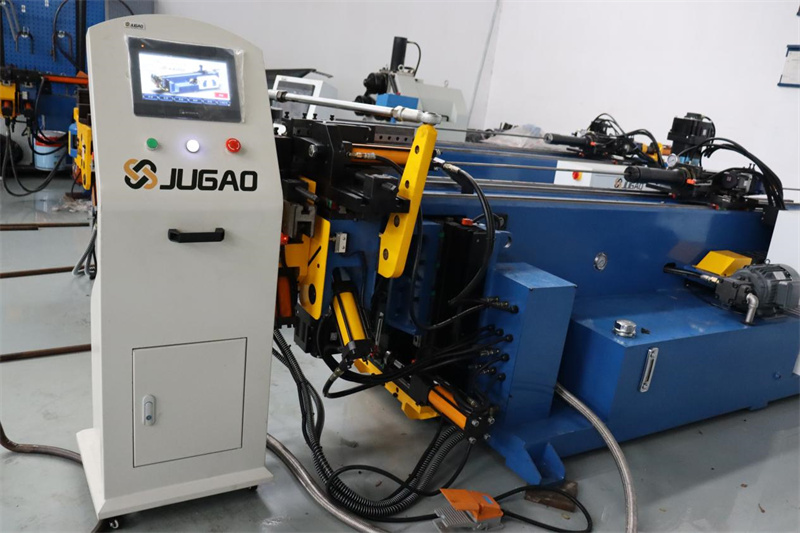
A csőhajlítás egy olyan folyamat, amely erősen összekapcsolódik a feszültséggel és az öntőszerszám feltételeivel. Csak a lépésről lépésre pontos irányítással érhető el sima, teljes és repedésmentes hajlított cső minősége.

