





Why does the motor of a pipe bending machine overheat?
The electric motor is the core power source of the pipe bending machine. Overheating of the motor not only affects processing efficiency but can also cause insulation aging, winding burnout, and even equipment shutdown. Motor overheating is usually not caused by a single factor but is the result of a combination of electrical, mechanical, and environmental factors.
Excessive load or overload operation
When the pipe diameter, wall thickness, or material strength exceeds the equipment's rated capacity, the motor will be under overload for an extended period, resulting in persistently high current and a rapid rise in winding temperature. Frequent starts and stops or continuous operation on large-curvature bends can also cause heat accumulation to exceed the heat dissipation capacity.
Abnormal Power Supply Voltage
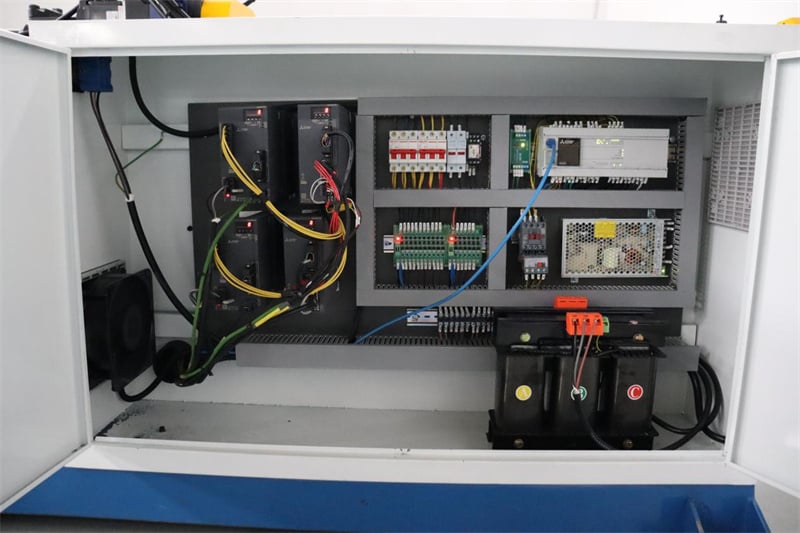
Low voltage will cause a decrease in motor torque, leading to a significant increase in stator current to maintain output; excessive voltage will increase iron losses and cause magnetic circuit saturation. Both will cause abnormal heating. If a three-phase motor experiences a phase loss or three-phase imbalance, the current in the unaffected phase will increase sharply, leading to overheating within a short period.
Cooling system failure
A damaged motor fan, blocked air ducts, excessive oil and dust buildup on the surface, poor ventilation in the installation space, or excessively high ambient temperatures can all prevent heat from dissipating effectively. For some pipe bending machines operating for extended periods in enclosed or high-temperature workshops, heat dissipation is particularly critical.
Increased Mechanical Resistance
Wear or poor lubrication of the reducer, bearings, and transmission mechanism can lead to decreased mechanical efficiency, requiring the motor to output greater torque to drive the load. Furthermore, spindle jamming, excessively tight mold fit, and abnormally increased friction between the tube and the mold can also indirectly increase the motor load.
Motor malfunctions
Aging winding insulation, inter-turn short circuits, bearing wear causing rotor rubbing, or undersized motor selection (insufficient power margin) can all cause abnormal temperature rise in the motor under normal operating conditions.
Improper inverter parameter settings
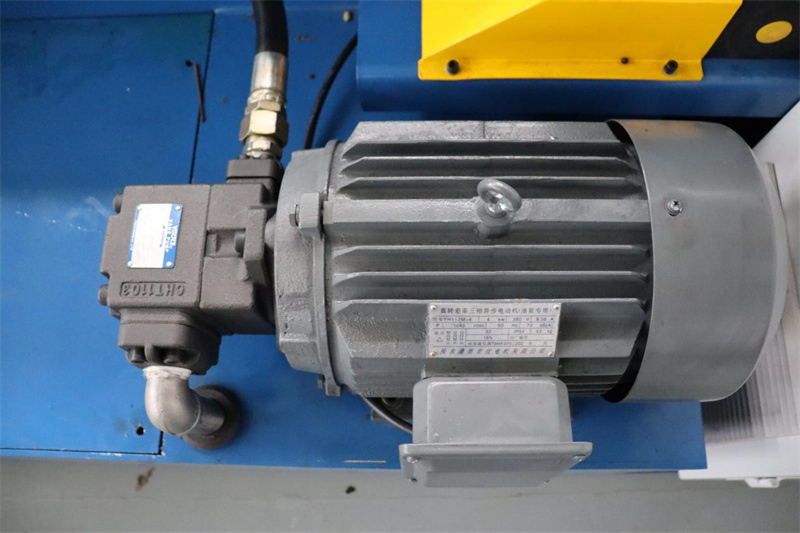
If the pipe bending machine uses variable frequency speed control, excessively short acceleration and deceleration times, excessively high torque boost settings, excessively high carrier frequencies, and lack of heat dissipation measures will all cause the motor to generate additional losses in the low-frequency or high-frequency range, resulting in a significant increase in heat generation.
Troubleshooting and Prevention Recommendations
Confirm that the pipe bending specifications are within the equipment's rated capacity to avoid prolonged overload operation.
Check the power supply voltage and three-phase balance to ensure stable power supply.
Regularly clean the motor fan, fan cover, and cooling fins to maintain good ventilation.
Check the smooth operation of the reducer, bearings, and transmission components, and perform timely lubrication.
For frequency converter driven equipment, verify that parameters such as acceleration/deceleration time and torque boost match the actual operating conditions.
If the motor frequently overheats, consider installing an independent cooling fan (forced air cooling) or selecting a motor with a higher energy efficiency rating.
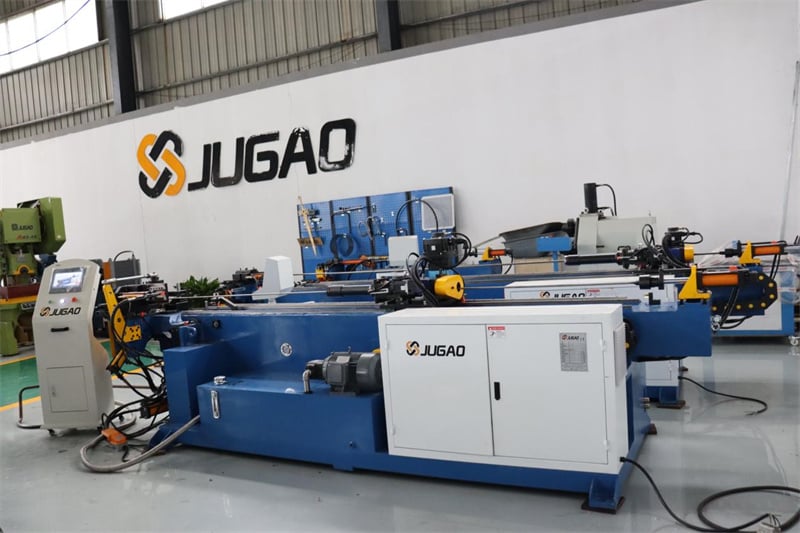
Motor temperature rise is an important indicator of equipment health. Regular inspections, appropriate load, and adequate heat dissipation are essential for the long-term stable operation of the pipe bending machine.

