





How to Calculate Maximum Shearing Thickness and Width
Table of Contents
• Significance of Calculating Maximum Shearing Thickness and Width
• Calculation Method for Maximum Shearing Thickness
a. Confirm the Tensile Strength of the Material
b. Check the Rated Capacity of the Shearing Machine
c. Use the Calculation Formula
• Calculation Method for Maximum Shearing Width
a. Refer to the Machine's Technical Specifications
b. Adjust the Shearing Width According to Material Thickness
c. Confirm the Manufacturer's Official Guidelines
• Key Factors Influencing Shearing Performance
a. Blade Status and Installation Adjustment
b. Material Category and Surface Condition
c. Equipment Maintenance and Precision Calibration
• Frequently Asked Questions
a. How frequently should blade alignment and clearance be inspected?
b. Is it feasible to shear stainless steel sheets with a shear rated for mild steel?
c. What risks arise if the machine's maximum shearing thickness or width is exceeded?
d. Does lubrication play a vital role in sustaining shearing performance?
• Conclusion
When operating metal shearing equipment, mastering the calculation of maximum shearing thickness and width is an essential skill. Accurate calculation of these parameters guarantees safe and efficient operation of the shearing machine, avoids mechanical damage, and ensures the dimensional accuracy of processed workpieces. This guide will elaborate on the calculation methods of maximum shearing thickness and width in detail, providing professional guidance for material selection and precise processing in metalworking operations.
Significance of Calculating Maximum Shearing Thickness and Width
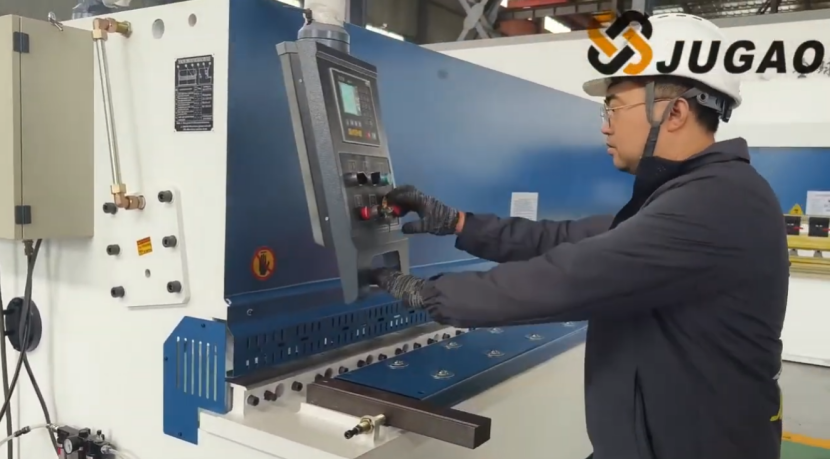
Before starting specific calculations, it is necessary to clarify the practical value of these two parameters. Determining the maximum shearing thickness and width helps operators judge whether the equipment can process target materials, which can effectively prevent equipment failure, reduce material scrappage, and guarantee operational safety. In addition, reasonable calculation and use of equipment parameters can avoid overload operation and effectively extend the service life of the shearing machine.
Calculation Method for Maximum Shearing Thickness
1. Confirm the Tensile Strength of the Material
The first step to calculate the maximum shearing thickness is to clarify the tensile strength of the metal to be cut. Different metals such as mild steel, stainless steel, aluminum, and copper have distinct tensile strength values, which directly determine the maximum thickness of materials that the shearing machine can process.
2. Check the Rated Capacity of the Shearing Machine
Check the instruction manual or nameplate of the shearing machine to obtain its rated capacity, which is usually marked as the maximum cutting thickness for mild steel under a specific tensile strength (commonly 450 N/mm² or about 65,000 PSI).
3. Use the Calculation Formula
The maximum shearing thickness of the target material can be calculated by the following formula:
Max Thickness = Rated Capacity Thickness × (Rated Tensile Strength / Material Tensile Strength)
For example, a shearing machine has a rated capacity of cutting 6 mm thick mild steel with a tensile strength of 450 N/mm². If processing aluminum with a tensile strength of 250 N/mm², the calculation process is:
Max Thickness = 6 mm × (450 / 250) = 10.8 mm
This means the equipment can safely cut aluminum sheets with a thickness of up to about 10.8 mm.
Calculation Method for Maximum Shearing Width
1. Refer to the Machine's Technical Specifications
Each shearing machine is marked with a maximum shearing width limit by the manufacturer, which can be found on the equipment body or in the official operation manual.
2. Adjust the Shearing Width According to Material Thickness
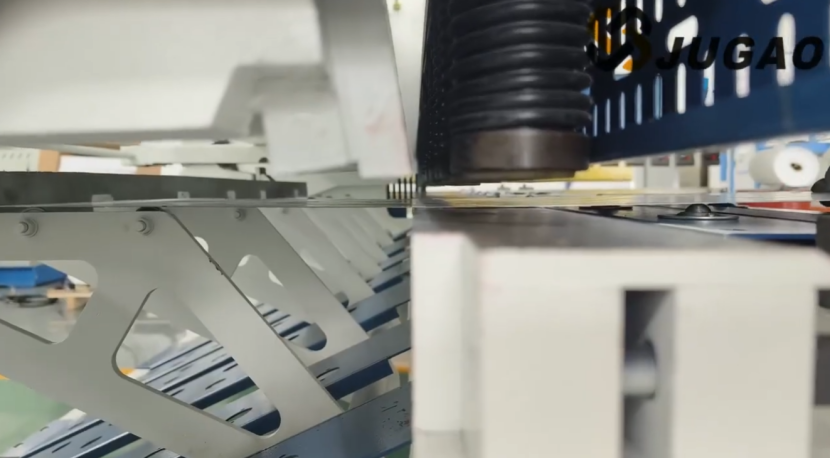
When the material thickness approaches the rated maximum value, the shearing width needs to be adjusted appropriately to prevent equipment overload. Generally, the shearing width should be reduced proportionally with the increase of material thickness, ensuring the equipment runs stably without excessive load.
3. Confirm the Manufacturer's Official Guidelines
To adjust the shearing width accurately corresponding to the thickness, operators must refer to the parameter table or guidelines provided by the manufacturer. Regular manufacturers will give clear data matching different thickness and width combinations for users' reference.
For instance, if a shearing machine can cut 6 mm thick mild steel with a maximum width of 2500 mm, when processing materials near the maximum thickness, the width should be reduced appropriately to ensure safe and efficient operation.
Key Factors Influencing Shearing Performance
Blade Status and Installation Adjustment
Well-maintained blades can enhance the safe processing capacity of the equipment for thick and wide materials. Operators should regularly inspect, sharpen blades, and keep them in correct alignment.
Material Category and Surface Condition
Materials with impurities, oxide scales, or uneven hardness will reduce the actual shearing capacity of the equipment. It is recommended to use clean and pre-treated sheets for processing to achieve optimal results.
Equipment Maintenance and Precision Calibration
Routine maintenance and calibration are necessary to maintain the performance of the shearing machine and reduce downtime. Specific work includes regular lubrication, adjustment of blade clearance, and inspection of hydraulic system components.
Frequently Asked Questions
How frequently should blade alignment and clearance be inspected?
Blade alignment and clearance should be inspected every 100 working hours, or when the shearing quality decreases significantly. Correct blade state directly affects the maximum thickness and width that the equipment can process.
Is it feasible to shear stainless steel sheets with a shear rated for mild steel?
Yes, but the maximum shearing thickness must be recalculated based on the higher tensile strength of stainless steel, and the rated capacity of the equipment for mild steel should be adjusted accordingly.
What risks arise if the machine's maximum shearing thickness or width is exceeded?
Exceeding the rated parameters will cause serious damage to the equipment, shorten the service life of blades, create potential safety hazards, and reduce the accuracy of shearing.
Does lubrication play a vital role in sustaining shearing performance?
Absolutely. Adequate lubrication can reduce friction, heat generation and component wear, maintain the optimal shearing capacity of the equipment, and prolong its service life.
Conclusion
Accurate calculation of the maximum shearing thickness and width of the equipment is the core guarantee for efficient, safe and stable operation of shearing machines. By clarifying the tensile strength of materials and applying the specified formula, operators can accurately determine the applicable shearing thickness and adjust the width reasonably. At the same time, regular blade inspection, scheduled maintenance and compliance with manufacturer's guidelines can optimize equipment performance and extend its service life. For more detailed information or technical support, please contact the JUGAO after-sales team—we are committed to helping you maximize the efficiency of your equipment.

