





How Do Punching Machines Produce Precision Metal Parts?
When you need high-quality components, presses built for precision metal parts are hard to do without. If you would like to understand how these machines reach both accuracy and speed in sheet metal work, you have found the right page. In this piece I explain the working principles of a punching machine, walk you through its setup, cover the usual ways to fix problems, and answer some frequent questions. By the end, you will see exactly how these presses help turn out precise parts while saving time and keeping costs down.
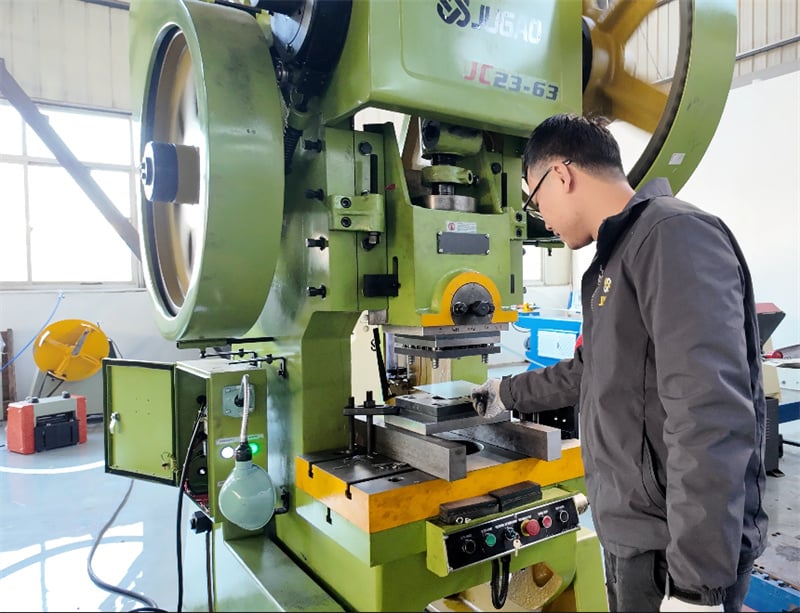
What Precision Metal Part Presses Are For
A punching machine cuts, shapes, or opens holes in sheet metal through a high-force press plus specialized tooling. It earns its keep in fields like automotive, electronics, aerospace, and appliance making, where steady precision matters. Because the work is automated and repeated, output rises and every part comes out uniform, even across thousands of pieces.
How a Punching Machine Carries Out Its JobThe Punch and Die Setup
At its core, a punching machine relies on a punch and die pair. The punch, driven by mechanical or hydraulic force, forces the sheet metal down into the die cavity, cutting or shaping it. The result is holes, slots, or intricate patterns held to tight tolerances.
Drive Options: Mechanical, Hydraulic, and Servo
- Mechanical units use a flywheel to store energy, which suits fast, repeated punching.
- Hydraulic units put out strong, steady force, so they handle thicker and harder material.
- Servo-driven units blend speed with flexibility and give programmable motion for peak precision.
Setting Up a Punching MachineStep 1 - Prepare the Work Area
Before you start, put the machine on a level surface and keep the workspace clean. A steady environment cuts down vibration and lifts accuracy while punching.
Step 2 - Install and Adjust the Tooling
Choose the punch and die set that fits your material and the shape you want. Fit them firmly and check that the alignment is exact, so you avoid uneven cuts or damage to the tools.
Step 3 - Calibrate the Punching Machine
Calibration keeps the press accurate and repeatable. Use digital measuring tools to verify stroke length, punch alignment, and applied force, then set the values to match the maker's guidance.
Common Issues and How to Fix ThemMaterial Deformation
If the part warps or throws burrs, look at tool sharpness and whether the material thickness suits the setup. Blunt tooling is a frequent cause of poor results.
Misalignment Problems
Holes or patterns that sit unevenly usually trace back to a bad tool fit. Check the punch and die alignment again and recalibrate the machine.
Inconsistent Accuracy
When part sizes or shapes drift, inspect the hydraulic pressure or the servo control settings. Staying consistent takes regular checks and careful tuning.
Best Maintenance PracticesRoutine Inspections
Check the punches and dies often for wear. Worn tools cut precision and can damage the workpiece.
Lubrication and Cleaning
Keep the machine well lubricated to cut friction and wear. Clear away metal chips and oil residue at the end of every shift so performance stays strong.
Preventive Care for the Long Run
Book a preventive check after every 500 working hours. That means confirming hydraulic pressure levels, testing the electrical connections, and making sure all moving parts work freely.
Frequently Asked QuestionsWhich industries rely most on these punching machines?
Automotive, electronics, aerospace, and appliance makers lean on them heavily to turn out consistent, accurate components.
How can I make my punching machine more precise?
Keep the tooling sharp, calibrate the machine on a regular basis, and handle the material correctly. Servo-driven models can take accuracy even further.
What sets hydraulic and servo punching machines apart?
Hydraulic presses stand out with thick, hard material thanks to their steady force, while servo presses give more flexibility and programmable motion for complex patterns.
How often should punching tools be replaced?
It depends on use and material thickness, but as a rule swap the tools out once you notice burrs or uneven hole quality.
Conclusion
Presses for precision metal parts sit at the heart of modern sheet metal production, bringing accuracy, efficiency, and repeatability. Learn their setup, working principles, and upkeep, and you can get the most from them and keep them running longer. If you want to upgrade your production line with dependable punching solutions, do not hesitate to contact the JUGAO team for expert guidance and tailored recommendations.

