





How Do Cabinet Presses Punch Out Panels?
In cabinet making, speed and accuracy hold everything together. Presses made for cabinet panels have become a core tool for turning out even, top-quality sheets with the exact holes and cutouts that hinges, locks, and handles call for. If you would like to see how these machines truly operate, you have come to the right spot. Below I explain the working principles, the setup steps, the ways to fix problems, and the useful tips, so you can see how to get the best from punching machines in cabinet production.
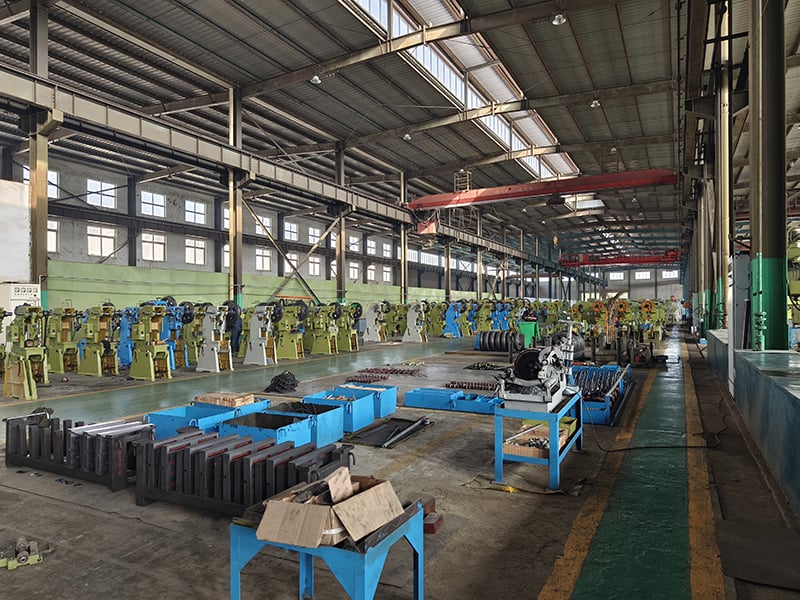
What Cabinet Presses Do in Panel Manufacturing
A punching machine shapes sheet metal by pressing a die against it. In cabinet work, that lets makers form clean openings, slots, and ornamental patterns on the panels. These presses raise accuracy, cut labor costs, and speed up output, which is why they are so essential to today's furniture and metal cabinet fabrication.
Getting a Punching Machine Ready for Cabinet Panels
Step 1 - Prepare the Work Area
Before you begin, clear the workspace of any debris and set the machine on a stable, level surface. A clean, safe area keeps accidents away and gives steady punching results.
Step 2 - Install the Tooling
Pick the punch and die pairing that suits your cabinet design. Line the tools up correctly and tighten every clamp firmly. Proper fitting makes sure the cutouts match the cabinet layout exactly.
Step 3 - Adjust Machine Settings
Set the ram force, stroke length, and sheet thickness for the material you are using. As one example, steel asks for more pressure than aluminum. Getting the settings right delivers both efficiency and quality.
Step 4 - Position the Sheet Metal
Set the sheet metal panel on the worktable and fasten it with clamps or guides. Good positioning stops the sheet from shifting during punching and keeps material waste low.
Step 5 - Run a Test Punch
Do a test hit on a scrap sheet to check the accuracy. Look at the hole sizes and edge quality, then make fine tweaks before you move into full production.
Keeping Cabinet Punching Machines in Good Order
Routine Inspections
Look over the punch and die for wear and tear. Blunt tools can leave burrs, uneven edges, or off-center holes on the cabinet panels.
Lubrication and Cleaning
Oil the moving parts as needed and keep the machine clear of dust and debris. Regular cleaning stretches the life of the press and lifts its performance.
Preventive Maintenance
Book a preventive-service session every few months to look for hydraulic leaks, sensor trouble, and electrical faults. This kind of care avoids costly downtime and keeps the press running smoothly.
Troubleshooting Cabinet Punching Machines
Misaligned Holes
If the holes do not line up, inspect the positioning guides and recalibrate the tooling. Misalignment usually comes from the sheet sitting wrong or the clamps being loose.
Burr Formation
Burrs along the edges often point to dull tooling. Sharpen or replace the punch and die to bring back clean cuts.
Inconsistent Force
When the ram force seems uneven, check the hydraulic pressure or look for air trapped in the system. Adjust the settings to match the material thickness.
Frequently Asked Questions
What materials can cabinet punching machines work with?
Most presses handle steel, aluminum, and stainless steel. The trick is matching the ram force to the thickness and hardness of the material.
How can I get more accurate holes on cabinet panels?
Calibrate the machine before each new job begins. Use precision guides and keep a regular eye on the condition of the tooling.
When should punch and die sets be swapped out?
Tool life depends on how much you use it and the material type. On average, check the punch and die sets after every 10,000 hits and replace them once signs of wear show up.
Can cabinet presses produce decorative designs?
They can. Advanced CNC presses make custom perforations and ornamental shapes, so they fit both practical and aesthetic cabinet designs.
Conclusion
Cabinet presses are central to making accurate, durable, professional-grade products. Set the machine up right, keep up the maintenance, and follow the best practices, and you get excellent results with little downtime. For makers who want faster production and steady consistency, these presses are a dependable answer.
If you would like more advice on choosing the right punch press for your cabinet line, or need professional guidance, do not hesitate to contact the JUGAO team. We are ready to give expert support and help you fine-tune your manufacturing process.

