





How can proper maintenance extend the service life of a pipe-bending machine and reduce breakdowns?
When a pipe-bending machine breaks down, many people’s first reaction is to blame poor component quality or assume the machine is simply too old and needs replacing. However, in my experience on the shop floor, most breakdowns don’t happen suddenly; rather, they are the result of long-term, inadequate maintenance. Issues like worn bearings, scored guide rails, degraded hydraulic oil, or damaged mandrels all show early warning signs—they just go unnoticed until the machine finally grinds to a halt.
The core principle of maintenance is simple: address problems while they are still minor, before they escalate into major failures.
I. Why Maintenance Reduces Failures
Tube-bending machines operate under continuous stress, repetitive cycles, and high-precision requirements. Components such as bearings, guide rails, clamps, mandrels, and hydraulic systems undergo gradual degradation. The purpose of maintenance is not to prevent components from ever failing, but to make the degradation process manageable—ensuring you know exactly when to inspect or replace parts, rather than waiting for a sudden, catastrophic breakdown.
Inadequate maintenance often leads to issues such as inconsistent bending angles and radii, abnormal vibrations during operation, frequent servo or hydraulic alarms, premature wear of tooling and mandrels, and unexpected production stoppages. Each of these problems shortens the machine's service life and increases operational costs.
II. Mechanical Components: The Foundation
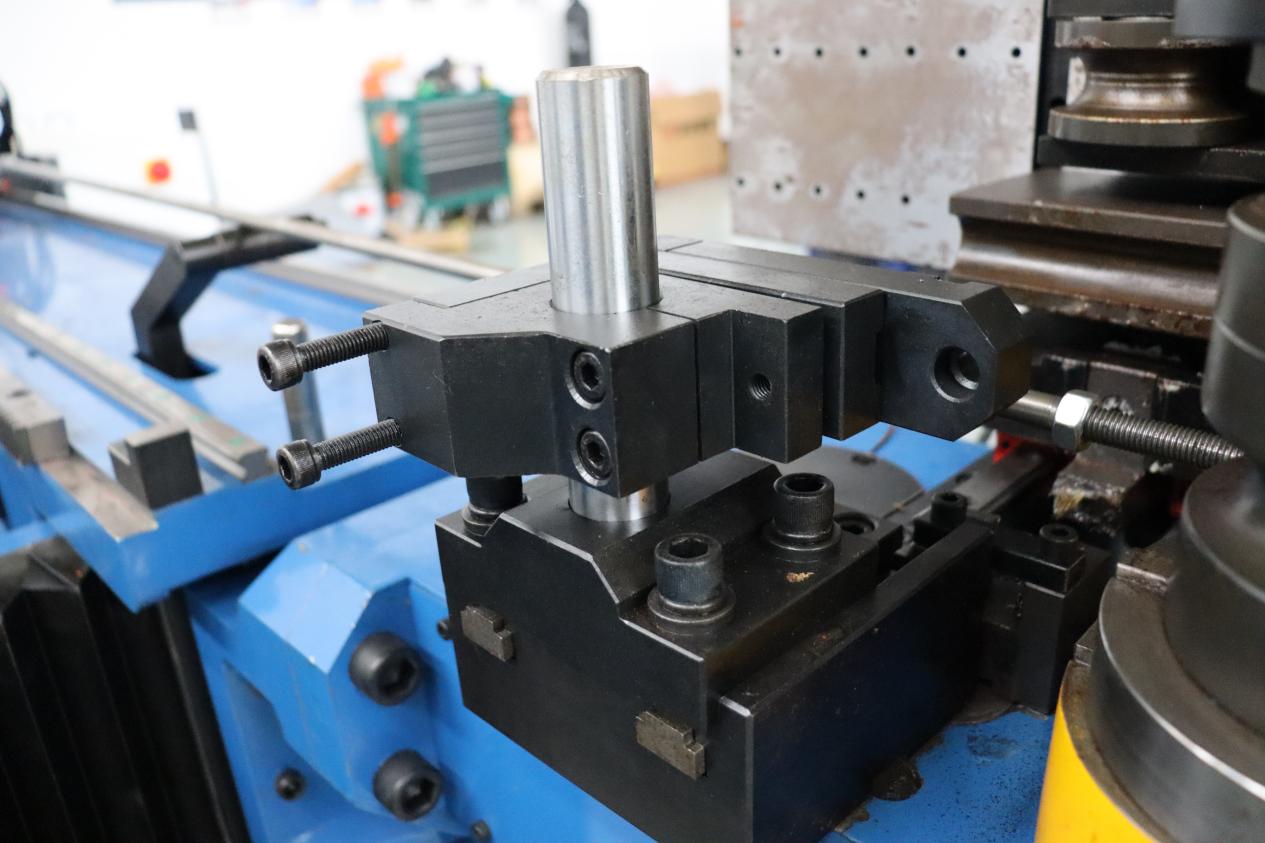
Bearings and guide rails should be inspected regularly for signs of wear, unusual noise, or erratic movement. Lubrication intervals should be determined by production intensity rather than just calendar time. It is also crucial to keep lubrication points clean; the ingress of contaminants will only accelerate wear.
Tooling, clamps, and mandrels come into direct contact with the tubing and bear the forces of the bending process. Regular checks for surface wear, deformation, or misalignment help prevent tube cracking and dimensional inaccuracies. Replacing worn tooling early is far more cost-effective than waiting until it has caused a large batch of defective parts.
III. Hydraulic and Servo Systems: Critical Areas
The condition of the hydraulic fluid directly affects pressure stability and the lifespan of system components. Contaminated fluid can lead to valve sticking, seal damage, and excessive oil temperatures. Routine fluid analysis, filter replacement, and leak inspections are essential steps for extending the machine's service life.
Servo systems require a clean electrical environment and precise parameter settings. Loose wiring, dust accumulation, or incorrect parameters can trigger alarms or cause unstable motion. Regular inspections ensure that the bending cycle remains smooth and accurate.
IV. Combining Daily Inspections with Periodic Maintenance
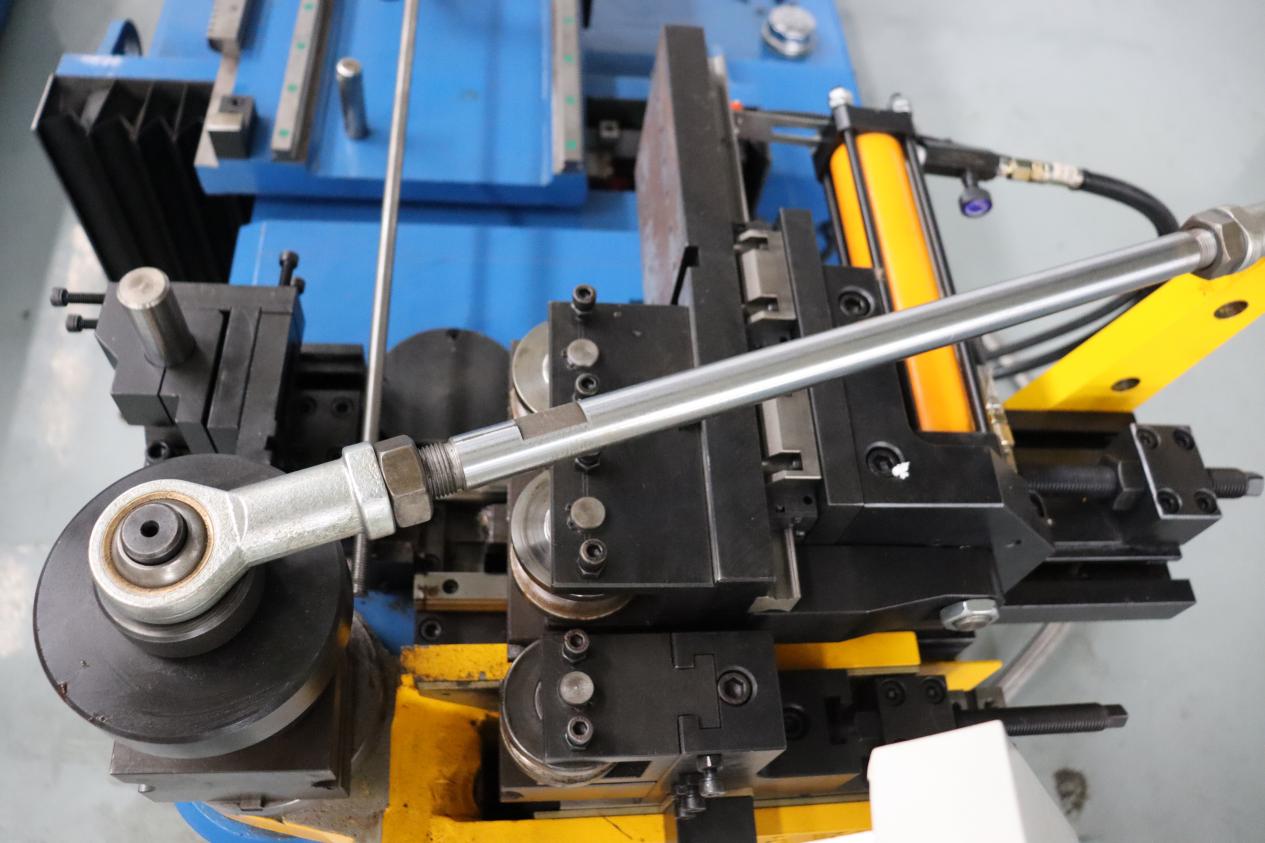
Operators should perform the following tasks during every shift: visually inspect bolts, clamps, and safety devices; listen for any unusual noises during operation; check lubrication oil levels and pressure readings; and keep the work area clean to prevent debris from entering moving parts. These routines take only a few minutes but can help identify early warning signs before a breakdown occurs.
In addition to daily checks, there should be a preventive maintenance schedule covering weekly, monthly, and annual intervals. Weekly inspections focus on lubrication and cleaning; monthly checks delve deeper into components like guide rails, lead screws, and hydraulic lines; and annual overhauls involve a comprehensive disassembly and inspection of critical parts, replacement of worn components, and precision calibration. This tiered maintenance approach allows for the controlled management of wear, rather than forcing a reactive response to unexpected failures.
V. Long-Term Benefits of Proper Maintenance
Extended precision retention. Since the loss of accuracy is typically a gradual process, regular calibration, alignment checks, and tooling inspections ensure that bending results remain consistent and repeatable, even after years of use.
Lower total cost of ownership. Well-maintained machines require fewer emergency repairs, consume fewer spare parts, and have longer intervals between major overhauls—all of which directly reduce operational costs.
VI. Common Pitfalls
Ignoring early warning signs. Minor oil leaks, unusual noises, or slight deviations in precision are often precursors to major failures. Addressing these issues early is far less costly than waiting for a complete breakdown.
Using incorrect lubricants or spare parts. While opting for non-recommended lubricants or incompatible spare parts might seem cost-effective in the short term, it actually accelerates wear and creates hidden risks. Adhering to the manufacturer’s specifications ensures greater long-term reliability.
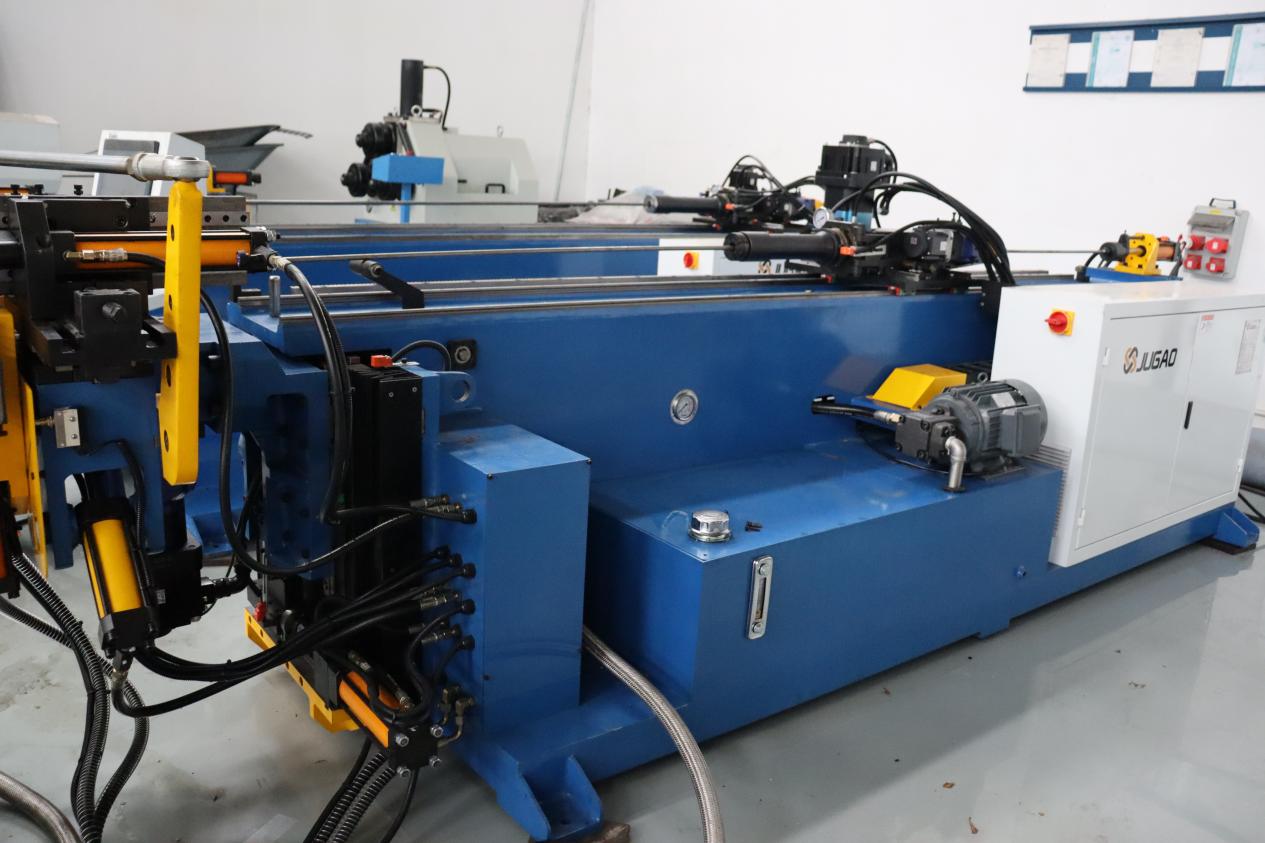
While it is impossible to completely avoid malfunctions in pipe-bending machines, the frequency of such issues can be significantly reduced through systematic lifecycle maintenance—combining daily operational habits with structured preventive care. This approach helps maintain bending precision for longer periods and extends the machine's overall service life. Maintenance should not be viewed as a cost burden; rather, it is a strategic necessity for ensuring production continuity.

