





How can lubrication improve the precision of a pipe-bending machine?
When issues arise with bending precision, most people’s first instinct is to check the tooling, adjust the parameters, or recalibrate the machine. While these steps are certainly valid, one factor is frequently overlooked: lubrication.
I have encountered many workshops where, despite using new tooling, fine-tuning parameters, and calibrating the equipment, the quality of the bent pipes remained inconsistent. In the end, the root cause turned out to be inadequate lubrication. When lubrication is insufficient, friction increases and material flow becomes uneven—negatively affecting both the bending angle and the surface quality of the workpiece.
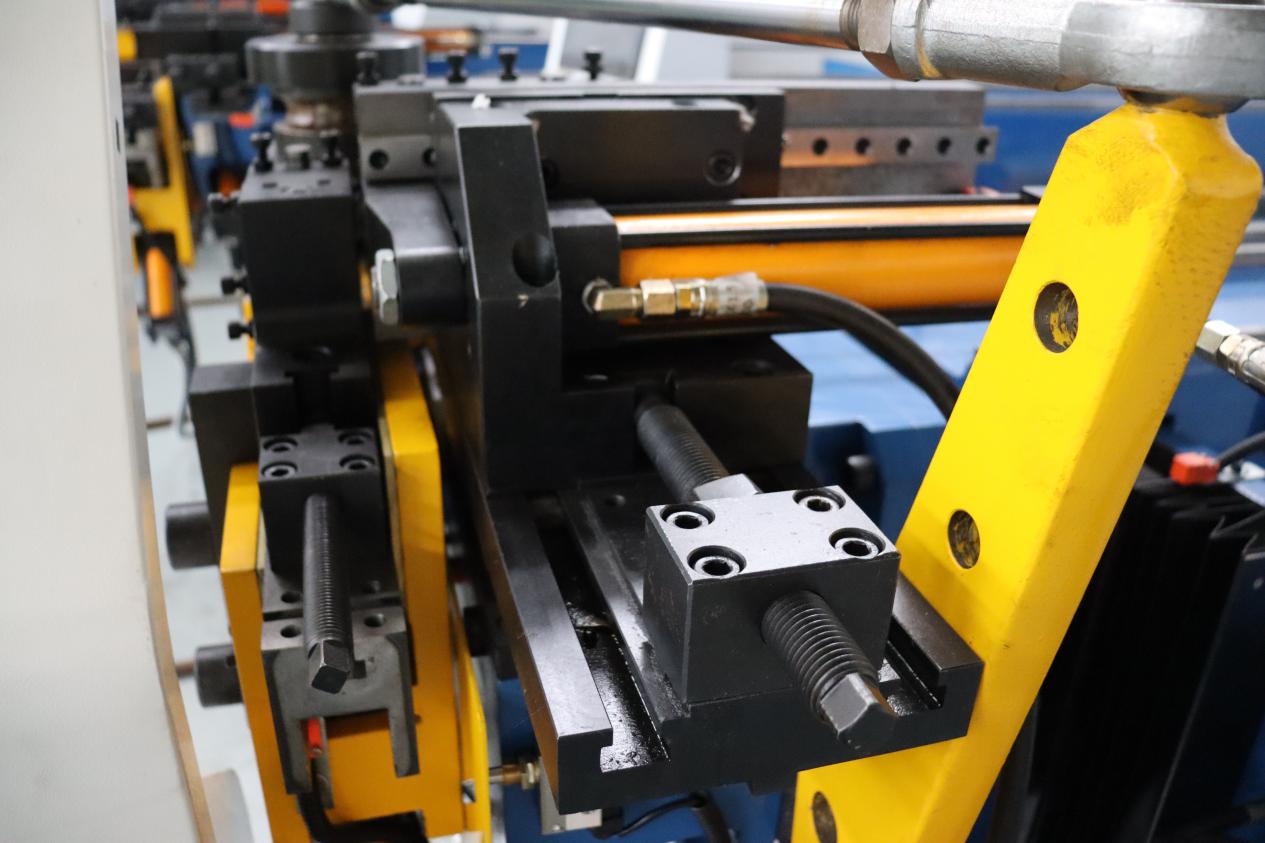
I. Why Lubrication Directly Affects Precision
During the tube-bending process, the tube slides and deforms within the tooling. Excessive friction leads to uneven stress distribution, making the deformation process uncontrollable. This can result in thinning on the outer radius, wrinkling on the inner radius, and inconsistent spring-back. Materials such as stainless steel, aluminum, and thin-walled tubing are particularly sensitive to variations in friction.
Proper lubrication reduces friction, allowing the material to flow more smoothly. This ensures the tube follows the intended bending path, resulting in consistent bend angles and protecting the surface from scoring or galling.
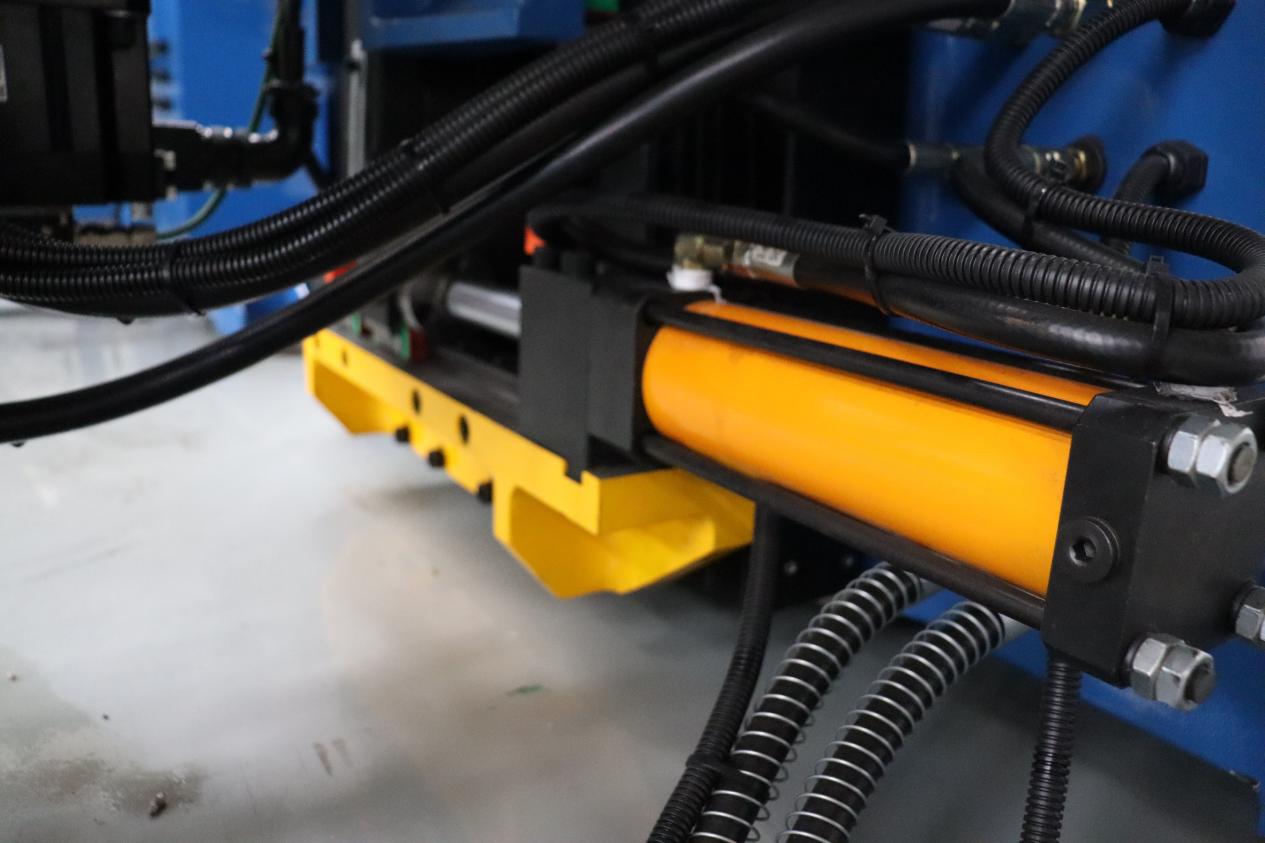
II. Critical Lubrication Points: None Should Be Overlooked
Mandrel and Mandrel Rod: The mandrel provides internal support to the tube and is subjected to high pressure and temperature during operation. Inadequate lubrication accelerates mandrel wear, risks damaging the inner wall of the tube, and compromises the stability of the bend radius. This is especially critical when bending thin-walled tubes or achieving small-radius bends.
Bending Die and Pressure Die: The surfaces where the tube contacts the bending die must remain smooth. A thin, uniform lubricating film reduces surface resistance, preventing scratches and drag marks. In mass production, this film is a key factor in ensuring consistency across every bent tube.
Clamping Die and Wiper Die: The clamping die requires a stable gripping force; lubrication must be precisely balanced—too little or too much can both lead to slippage. Lubrication of the wiper die is essential for preventing wrinkles at the point where the bend begins.
III. Choosing the Right Lubricant
Stainless steel typically requires high-pressure lubricants due to its high resistance to deformation. For aluminum tubing, low-residue lubricants should be used to avoid surface contamination. Using the wrong lubricant can lead to poor performance, or worse, the accumulation of residue that may corrode the tooling.
Furthermore, more is not necessarily better. Applying an excessive amount of lubricant can trap dust and metal particles, effectively creating an abrasive paste that accelerates wear. Controlling the quantity applied and regularly removing excess grease is far more effective than simply applying more lubricant.
IV. Proper Application Techniques Matter
Before application, ensure the surfaces of the die, mandrel, and pipe are thoroughly cleaned. Old lubricant mixed with debris will not only fail to provide lubrication but will actually increase friction.
Lubricant should be applied evenly and consistently. Whether using a brush, a spray system, or an automated lubrication unit, the goal is to maintain uniform lubrication across every pipe and every contact surface. During continuous production, perform regular checks; if temperatures shift or the material batch changes, you may need to make minor adjustments to the amount of lubricant applied.
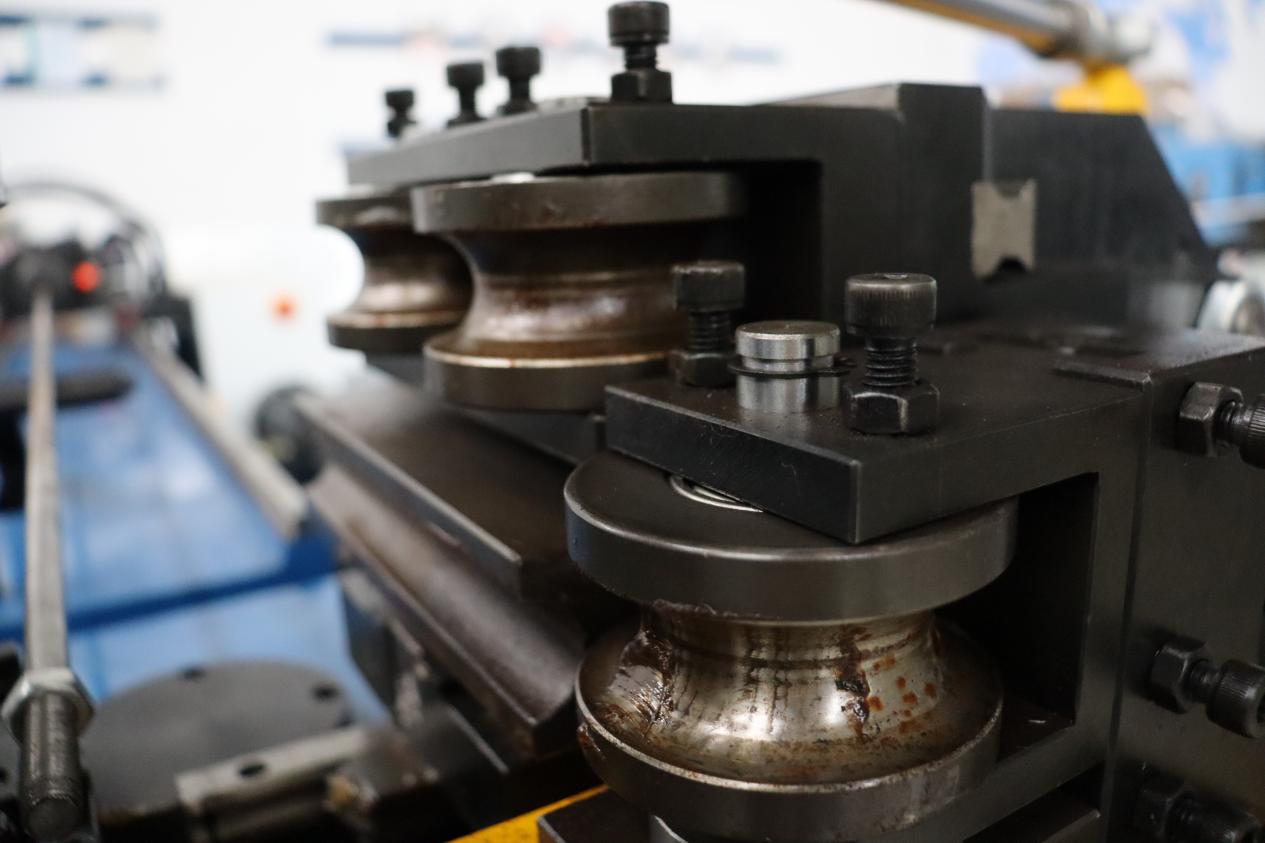
V. Two Common Lubrication Mistakes
Over-lubrication leads to slippage. If there is too much lubricant in the clamping zone, the tube cannot be held securely; it may slide during the bending process, resulting in inaccurate bend angles. Control the amount of lubricant applied to ensure stable positioning.
Neglecting a lubrication schedule. Applying lubricant only when it happens to come to mind—or skipping it altogether—leads to inconsistent friction conditions, which in turn causes unstable bend quality. Incorporate lubrication into your routine maintenance plan and carry it out at scheduled times and specific locations to ensure predictable results.
VI. A Brief Summary
Lubrication is more than just routine maintenance; it is an integral part of precision control. By selecting the right lubricant, applying it to the correct areas, controlling the quantity used, and maintaining a consistent schedule, you will see significant improvements in both the angular consistency and the surface quality of your bent tubes.

