




Standard operation of shearing machine and safe operation to prevent tripping
The shearing machine is the core mechanical equipment in the sheet metal processing industry. Frequent tripping problems occur during equipment operation. Most of them are caused by irregular air supply operations, incorrect electrical switch operation sequences, abnormal equipment load, and operational errors. Tripping will not only interrupt the production progress, but also easily cause damage to the electrical components of the equipment, short circuits, and even cause safety accidents. Therefore, strictly following standardized procedures to operate equipment and supporting electrical systems is the core key to preventing shearing machine tripping, reducing the risk of failure, and ensuring safe production.
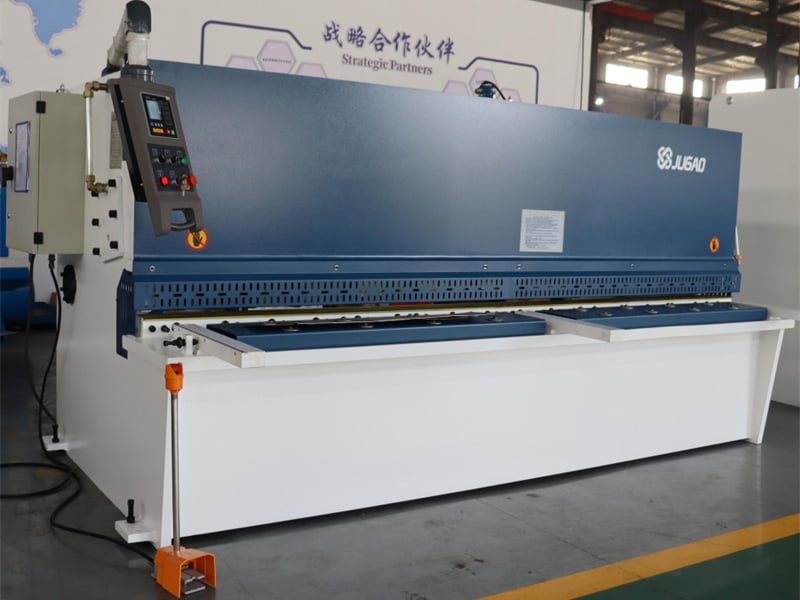
The standardized operation of the pneumatic system of the shearing machine is the basis for avoiding protective tripping caused by equipment overload and abnormal pressure. Most shearing machines rely on nitrogen cylinders to provide shearing power. Unstable air pressure and improper inflation operation will cause the equipment operating load to exceed the standard, trigger the circuit overload protection, and cause the equipment to trip. During the inflation operation, it is necessary to prepare a special nitrogen tank in advance, and use the connecting pipes originally supplied by the equipment to accurately connect the nitrogen tank outlet with the steam inlet on the shearing machine cylinder to ensure that the pipeline connection is tight, without air leakage, and without misconnection. After the connection is completed, open the nitrogen tank valve and the equipment air inlet valve in sequence, and slowly inflate the cylinder. During the entire inflation process, the operator must pay close attention to the nitrogen pressure gauge of the shearing machine in real time and control the air pressure strictly in accordance with the standard pressure range marked in the equipment manufacturer's instructions. Overpressure inflation and rapid inflation are strictly prohibited. When the pressure gauge value reaches the rated working pressure of the equipment, the air inlet valve and the nitrogen tank valve must be closed immediately to complete the pressure stabilization operation to avoid equipment mechanical jams caused by excessive air pressure and tripping caused by surges in circuit load, and to prevent equipment operation failures caused by too low air pressure.
In addition to the operation of the pneumatic system, the sequence of power outage and power supply operations of the supporting electrical lines is the core point to prevent line short circuits and overstep tripping. It is also the link on site where misoperations are most likely to occur and cause major failures. When powering off the supporting lines of the shearing machine and after disconnecting the circuit breaker, the rigid operating rules of pulling the load-side isolating switch first and then the bus-side isolating switch must be followed. It is absolutely prohibited to reverse the operating sequence. Two common types of misoperation on site can easily cause tripping and safety accidents. One is that although the circuit breaker has been disconnected, the operator walks to the wrong equipment interval and mistakenly pulls the isolating switch of the live line; the other is that the operating sequence of the isolating switch is reversed, causing an arc short circuit fault.
Two different operating sequences of the isolating switch will produce completely different fault consequences, which directly determine whether to trip and the scope of the fault. If the operation is strictly regulated and the load-side isolating switch is pulled first after the circuit breaker is disconnected, even if an arc short-circuit fault occurs during the operation, the fault point is still within the protection range of the circuit breaker. The equipment circuit breaker will trip quickly, accurately cut off the faulty line, and control the fault scope within a single shearing machine. It will not affect the superior power supply system and minimize accident losses.
On the contrary, if the operator opens the bus side isolating switch in violation of regulations, the arc short circuit fault generated will fall outside the protection range of the line circuit breaker. At this time, the fault current cannot transmit signals through the current transformer, the circuit breaker protection device matching the shearing machine will not start, the equipment will not trip normally, and the fault cannot be cut off in time. The short-circuit fault will directly spread to the power supply bus, causing a bus short-circuit, and eventually causing the upper-level circuit breaker to override and trip. Not only will it cause a power outage for the entire area of equipment, greatly expanding the scope of the accident, but it will also burn the lines and switching equipment, causing arc burns, equipment damage and other serious safety accidents.
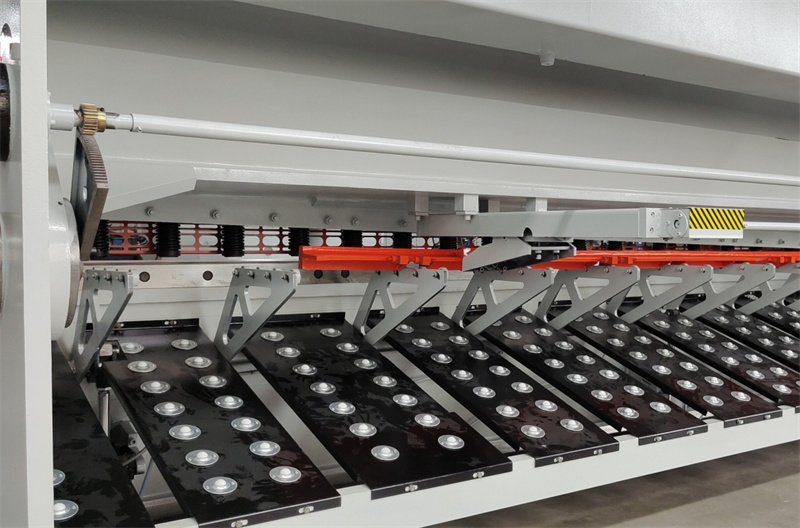
At the same time, standard operation of the daily mechanical structure of the shearing machine can also indirectly avoid tripping problems. The material blocking device in front of the equipment is the key to stable operation. It consists of a fixed frame, guide rails, movable material receiving rack, servo motor, screw transmission structure and positioning parts. During operation, it is necessary to ensure that the servo motor and transmission screw run smoothly, that the material-bearing frame moves without lag or offset, and that the positioning parts accurately fix the plates to avoid misplacement of the plates and mechanical jamming of the equipment, which may lead to motor overload and trigger circuit overload tripping. It is necessary to regularly check the stopper transmission structure and electrical circuits on a daily basis, clean the equipment dust and debris, ensure the stable operation of the equipment mechanical and electrical systems, and reduce tripping failures from the root cause.
The core of the anti-trip operation of the shearing machine lies in three points: first, strictly standardize the nitrogen filling process to stabilize the equipment working pressure; second, strictly observe the electrical operation sequence to prevent short-circuit override tripping; third, do a good job in the operation and maintenance of the equipment structure to avoid circuit protection actions caused by mechanical overload.
Standardizing each step of the operation process can not only effectively eliminate equipment tripping problems, but also ensure the stable operation of equipment, avoid safety accidents, and provide guarantee for safe production.

