





در مورد درجات آزادی رباتهای صنعتی
در عصر امروز تولید خودکار، کارخانههای هوشمند و خطوط تولید انعطافپذیر، رباتهای صنعتی به «کارت برتر»ای برای شرکتها تبدیل شدهاند تا بازدهی تولید و دقت ساخت را افزایش دهند. اصطلاح «درجه آزادی» هنگام انتخاب رباتهای صنعتی بارها تکرار میشود، اما بسیاری از کاربران تازهکار در حوزه اتوماسیون صنعتی هنوز نسبت به معنای آن سردرگم هستند. پس درجههای آزادی در رباتهای صنعتی چیستند؟ آیا همواره درجههای آزادی بیشتر، بهتر است؟ این مقاله به بررسی تعریف درجههای آزادی، تأثیر آنها بر عملکرد، سناریوهای کاربردی رایج و پاسخ به این سؤال کلیدی میپردازد: آیا همواره درجههای آزادی بیشتر، بهتر است؟
درجههای آزادی در رباتهای صنعتی چیستند؟
در رباتهای صنعتی، درجات آزادی معمولاً به تعداد جهتهای فضایی اشاره دارند که ربات میتواند بهصورت مستقل در آنها حرکت کند؛ یعنی تعداد محورهایی که انتهای اثرگذار ربات (مانند مشعل جوشکاری، گریپر و غیره) میتواند بهصورت مستقل در فضای سهبعدی در آنها حرکت یا چرخش کند.
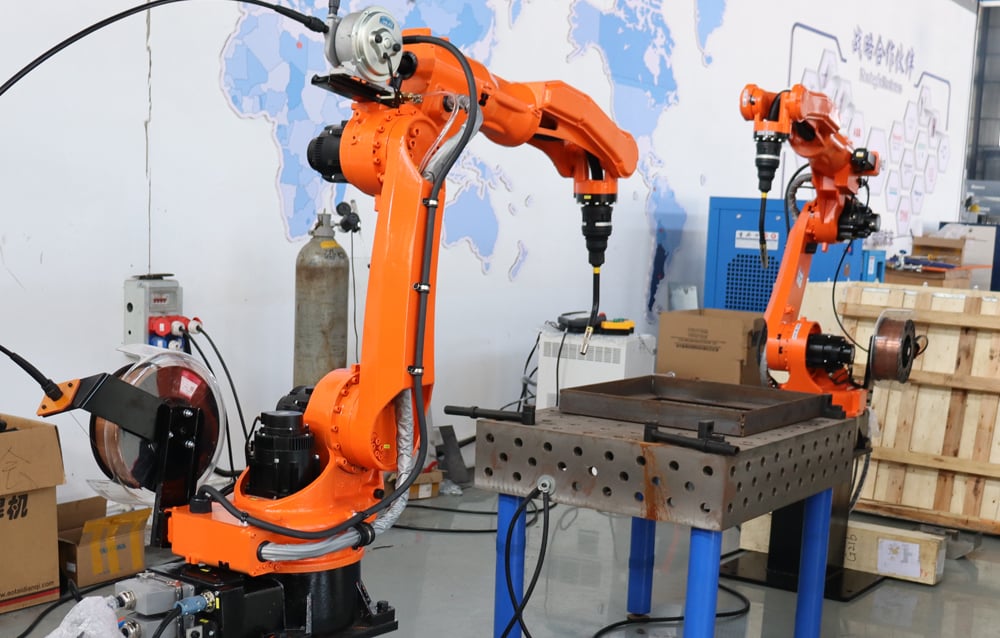
یک ربات معمولی ششمحوری دارای ۳ درجه آزادی در حرکت و ۳ درجه آزادی در چرخش است که امکان انجام عملیات انعطافپذیر را در سراسر فضای کار فراهم میکند.
رباتهای چهارمحوری بیشتر بر روی انجام عملیات با سرعت بالا و دقت زیاد در صفحه افقی تمرکز دارند.
رباتهای سهدرجهآزادی (DOF) نیز در مرتبسازی سبکوزن بسیار کارآمد هستند.
نکته کلیدی: افزایش تعداد درجات آزادی لزوماً به معنای بهبود عملکرد نیست؛ انتخاب ربات باید متناسب با سناریوی خاص کار انجام شود.
تأثیر درجات آزادی بر عملکرد ربات
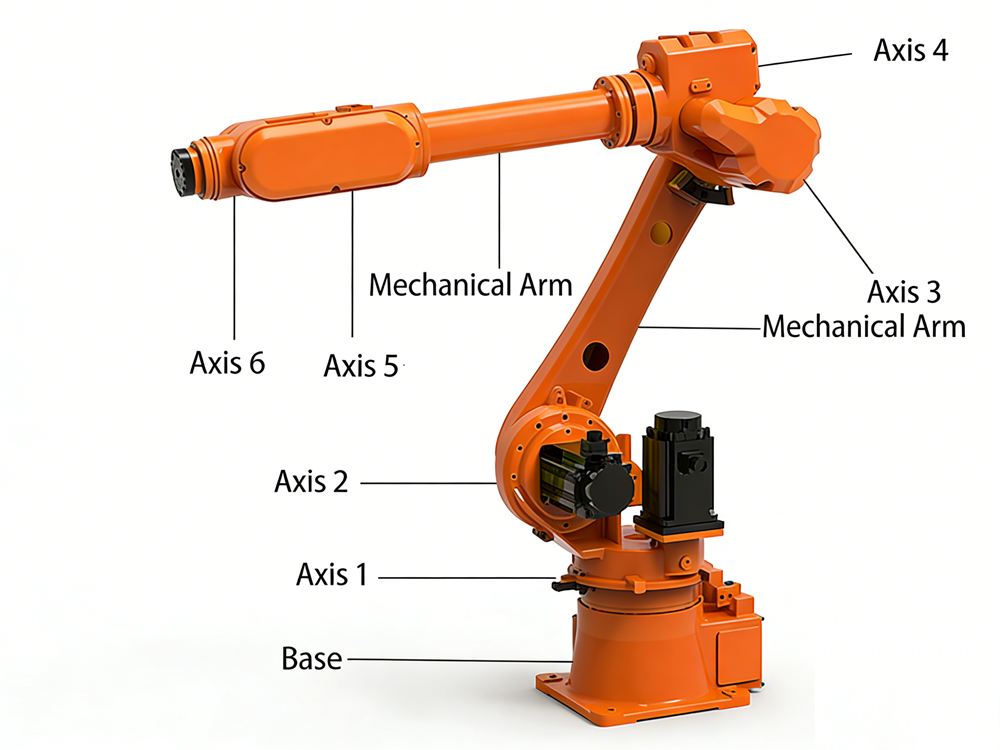
۱. انعطافپذیری در انجام وظایف
درجات آزادی پایین (۱ تا ۳ محور): مناسب برای وظایف ساده مسیری مانند دستکاری و مرتبسازی؛ منطق کنترل ساده و هزینههای نگهداری پایین.
درجههای بالای آزادی حرکتی (۴ تا ۶ محور): توانایی سازگاری با مسیرهای پیچیدهتر و تنظیمات وضعیت فضایی، مانند رنگآمیزی خودرو و جوشکاری دقیق.
۲. دقت کنترل و صلبیت ساختاری
درجات بالاتر آزادی حرکتی به معنای تعداد بیشتر مفاصل متحرک است که نیازمند الگوریتمهای کنترلی و سیستمهای سروو با عملکرد بالاتر میباشد؛ در غیر این صورت، تجمع خطاهای اندازهگیری و مشکلات پایداری دینامیکی ممکن است بر دقت انجام عملیات تأثیر بگذارد.
۳. هزینه و پیچیدگی سیستم
هر محور اضافی معمولاً هزینه را ۱۵ تا ۳۰ درصد افزایش میدهد.
سیستمهای پیچیدهتر به معنای افزایش همزمان در دشواری برنامهنویسی و هزینههای نگهداری است که نیازمند مهارتهای بالاتر از سوی پرسنل نگهداری میباشد.
تحلیل جامع سناریوهای کاربردی درجات آزادی حرکتی
رباتهای ششمحوری: ابزار همهکاره در تولید خودرو
رباتهای ششمحور به دلیل انعطافپذیری عالی و توانایی پوشش فضایی برجستهشان، بهطور گستردهای در کارهای جوشکاری، پاشش چسب و مونتاژ در صنعت خودروسازی استفاده میشوند. برای مثال، در جوشکاری سازههای بدنه خودرو، قابلیت عملیات چندزاویهای رباتهای ششمحور بهطور قابلتوجهی کیفیت و بازده جوشکاری را ارتقا میدهد.
رباتهای چهارمحور: متخصصان دقت در تولید الکترونیک
رباتهای چهارمحور در قراردادن اجزای الکترونیکی و نصب تراشهها برجسته هستند. تکرارپذیری بالا و سرعت پاسخدهی آنها در صفحه افقی، آنها را به انتخاب اول برای تولید دقیق در مقیاس کوچک تبدیل میکند.
رباتهای سهدرجه آزادی (DOF): ابزارهای بسیار کارآمد برای بستهبندی مواد غذایی
رباتهای سهدرجه آزادی با ساختار موازی به دلیل حرکات فوقالعاده سریعشان در صنایع بستهبندی مواد غذایی و دارویی مورد توجه قرار میگیرند. اگرچه تعداد درجات آزادی آنها کم است، اما مزایای آنها در عملیات پرتردد بسیار قابلتوجه است.
آیا تعداد بیشتر درجات آزادی همیشه بهتر است؟ انتخاب دقیق کلیدی است
هرچند درجات بالاتر آزادی، انعطافپذیری بیشتری به رباتها میدهد، اما همچنین مجموعهای از خطرات پنهان را به همراه دارد:
اضافهبودن تابعی: استفاده از رباتهای ششمحوره یا هفتمحوره برای وظایف سادهی برداشتن و قرار دادن منجر به هدررفت منابع میشود.
افزایش پیچیدگی کنترل: هرچند رباتهای هفتمحوره میتوانند «حرکات انسانی» را برای دور شدن از موانع شبیهسازی کنند، اما محاسبات سینماتیک معکوس آنها بسیار پیچیدهتر میشود.
هزینههای نگهداری بالا: هر مفصل اضافی نرخ احتمال خرابی را افزایش میدهد؛ یعنی هزینههای نگهداری بیشتر و خطر ایستکردن بیشتر.
نتیجهگیری: تعداد بیشتر درجات آزادی لزوماً بهتر نیست؛ اصل کلیدی، تطبیق با سناریوی کار است. بهطور خلاصه: انتخاب درجات مناسب آزادی، پتانسیل حداکثری یک ربات را آشکار میسازد. درجات آزادی یک ربات صنعتی، دامنه حرکت، انعطافپذیری و توانایی آن در تطبیق با محیطهای پیچیده را تعیین میکند. تنظیم صحیح درجات آزادی نهتنها میتواند فرآیندهای تولیدی را بهینهسازی کند، بلکه هزینهها را کنترل کرده و پایداری خط تولید را نیز بهبود بخشد.
اگر برای تحول هوشمند کارخانه خود تجهیزات رباتیک انتخاب میکنید، به یاد داشته باشید: گرانترین درجه آزادی لزوماً مناسبترین نیست؛ بلکه درجه آزادی که بیشترین تطبیق را با وظیفه دارد، کارآمدترین است!

