





So führen Sie die tägliche Wartung der Sensoren der JUGAO-Laser-Schneidmaschine effizient durch
Inhaltsverzeichnis
• Übersicht über die Sensorfunktionen an JUGAO-Laser-Schneidmaschinen
Drei Haupttypen von Sensoren, die an Laserschneidmaschinen installiert sind
Kernwert einer regelmäßigen Sensorwartung
• Standardmäßiger schrittweiser Wartungsablauf für Sensoren an Lasermaschinen
Schritt 1: Stromversorgung unterbrechen und Sicherheitsmechanismen der Maschine verriegeln
Schritt 2: Schmutz und Verunreinigungen von den Sensoroberflächen entfernen
Schritt 3: Kalibrierung und Überprüfung der Sensor-Montageposition
Schritt 4: Integrität der Signalleitungen und Stecker prüfen
Schritt 5: Funktionstest für die Sensor-Signalrückmeldung durchführen
Schritt 6: Zyklische Inspektions- und Wartungspläne erstellen
• Langfristige Optimierungstipps zur Stabilisierung des Sensorbetriebszustands
Umwelt mit geringer Verschmutzung im Produktionswerkstatt aufrechterhalten
Passende spezielle Reinigungsverbrauchsmaterialien auswählen
Betriebsrückmeldedaten der Geräte regelmäßig analysieren
• Häufig gestellte Fragen
Welcher Reinigungszyklus ist für Sensoren von JUGAO-Laser-Schneidmaschinen geeignet?
Führen Offset-Sensoren zu einer Beschädigung der Hardware der Laseranlagen?
Ersetzt die automatische Kalibrierung die manuelle Sensorwartung?
• Fazit
Die systematische Wartung der Sensoren ist eine grundlegende Voraussetzung dafür, dass JUGAO-Laser-Schneidmaschinen eine stabile Bearbeitungsgenauigkeit und einen kontinuierlich stabilen Betrieb gewährleisten. Eine standardisierte Wartung kann Sensor-Signalfehler wirksam vermeiden, die Zeit ungeplanter Produktionsausfälle reduzieren und die gesamte Nutzungsdauer der Laser-Schneidgeräte verlängern. Dieser Artikel fasst ein praktisches, vor Ort anwendbares Inspektions- und Wartungskonzept für Werkstattmitarbeiter, Servicetechniker und Produktionsverantwortliche zusammen. Die Einhaltung der vollständigen Bedienungsanleitungen stellt sicher, dass alle Sensoren der JUGAO-Lasermaschinen sauber, korrekt kalibriert und voll funktionsfähig bleiben. Ein stabiler Sensorbetrieb verbessert zudem die Schnittgenauigkeit der Werkstücke, gewährleistet die Sicherheit im Betrieb vor Ort und sichert eine langfristig hocheffiziente Produktion mit Laserbearbeitungsanlagen.
Überblick über die Funktionen der Sensoren an JUGAO-Laser-Schneidgeräten
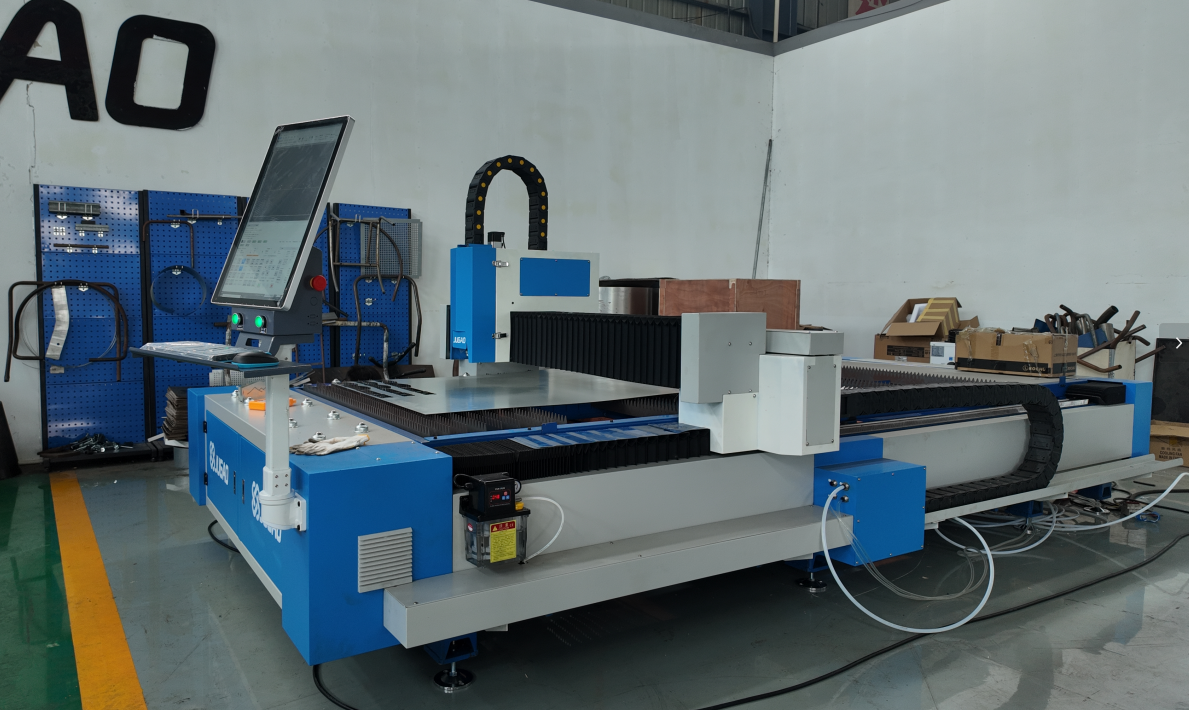
Drei Haupttypen von Sensoren, die an Laserschneidmaschinen installiert sind
JUGAO-Laser-Schneidmaschinen sind mit drei zentralen Sensorgruppen ausgestattet, die jeweils unterschiedliche funktionale Aufgaben übernehmen:
1. Positionierungs- und Ursprungs-Ausrichtungssensoren
2. Höhenverfolgungs- und Fokus-Erkennungssensoren
3. Sicherheits-Türverriegelungssensoren
Jede Sensor-Kategorie übernimmt unverzichtbare Aufgaben: Sie ermöglichen hochpräzises Schneiden und Formen, verhindern Kollisionen des Bearbeitungskopfs und schützen das Bedienpersonal vor potenziellen Sicherheitsrisiken.
Kernwert einer regelmäßigen Sensorwartung
Sensoren, die mit Staub bedeckt sind, von ihrer Soll-Position abweichen oder intern ausgefallen sind, führen zu einer Reihe nachteiliger Folgen:
• Maßabweichungen und nicht konforme fertige Werkstücke nach dem Schneiden
• Plötzlicher Maschinenausfall, der den Produktionsprozess unterbricht
• Versteckte Sicherheitsrisiken während manueller Bedienung
Eine rechtzeitige und normgerechte Wartung gewährleistet, dass die JUGAO-Laser-Schneidmaschinen das ganze Jahr über stabil und sicher laufen.
Standarder schrittweiser Wartungsablauf für Sensoren von Lasermaschinen
Schritt 1: Stromversorgung unterbrechen und Sicherheitsmechanismen der Maschine verriegeln
Bevor mit der Inspektion oder Reinigung irgendeines Sensors begonnen wird, muss die Hauptstromversorgung der JUGAO-Lasermaschine vollständig getrennt und alle Sicherheitsschutzschalter verriegelt werden. Diese Maßnahme verhindert eine unbeabsichtigte Bewegung des Schneidkopfs oder des Strahlrahmens und schafft so eine vollständig sichere Arbeitsumgebung für das Wartungspersonal.
Schritt 2: Schmutz und Verunreinigungen von den Sensoroberflächen entfernen
Rauchrückstände, Metallschlacke und schwebender Staub, die während des Schneidens entstehen, lagern sich auf Sensoren-Linsen und Induktionsplatten ab. Bereiten Sie ein weiches, fusselfreies Reinigungstuch sowie eine spezielle, milde Reinigungsflüssigkeit vor, um die Sensoroberfläche vorsichtig abzuwischen. Verwenden Sie niemals harte, scheuernde Werkzeuge, da diese Kratzer auf präzisen optischen Induktionskomponenten hinterlassen und die Sensor-Empfindlichkeit dauerhaft beschädigen können.
Schritt 3: Kalibrierung und Überprüfung der Sensor-Montageposition
Nach Abschluss der Oberflächenreinigung vergleichen Sie die Montageposition des Sensors mit den offiziellen Kalibrierungsparametern von JUGAO. Jede noch so geringe Abweichung des Sensors führt zu verfälschten Induktionssignalen, die an das numerische Steuerungssystem übermittelt werden und die Maßgenauigkeit der geschnittenen Teile unmittelbar beeinträchtigen. Stellen Sie mithilfe der Haltehalterung feinjustierend die standardmäßige Sensor-Montageposition wieder her.
Schritt 4: Integrität der Signalleitungen und Stecker prüfen
Überprüfen Sie gründlich sämtliche Übertragungskabel und Anschlussstecker der Sensoren. Achten Sie besonders auf alternde Kabelummantelungen, lockere Steckerkontakte sowie durch langfristige Reibung verursachte Kabelbrüche. Eine stabile elektrische Verbindung ist die Voraussetzung dafür, dass die Sensoren korrekte Induktionssignale zuverlässig übermitteln können.
Schritt 5: Funktionstest für die Sensor-Signalrückmeldung durchführen
Nach Reinigung und erneuter Kalibrierung aller Sensoren führen Sie am JUGAO-Lasergerät nacheinander ein spezielles Testprogramm aus, um die Induktionsreaktion jedes einzelnen Sensors zu überprüfen. Beobachten Sie die Echtzeit-Rückmeldedaten, die auf dem Bedienbildschirm angezeigt werden; erst wenn alle Sensoren normale Signale ausgeben, darf die Maschine wieder in den regulären Schneidbetrieb zurückgenommen werden.
Schritt 6: Zyklische Inspektions- und Wartungspläne erstellen
Legen Sie einen festen Wartungszyklus entsprechend der täglichen Produktionslast der Werkstatt fest. Für Fabriken mit großem täglichen Verarbeitungsvolumen ist eine wöchentliche Vollinspektion erforderlich; bei leichteren Produktionsanforderungen kann eine monatliche umfassende Wartung vorgesehen werden. Regelmäßige Inspektionen verhindern langfristige Schmutzansammlungen und gewährleisten dauerhaft stabile Sensorenleistung.
Langfristige Optimierungstipps zur Stabilisierung des Sensorenbetriebszustands
Umwelt mit geringer Verschmutzung im Produktionswerkstatt aufrechterhalten
Ergreifen Sie gezielte Maßnahmen zur Reduzierung von Rauch, Metallstaub und Schneidrückständen im Bearbeitungsbereich. Eine saubere Werkstattumgebung verlangsamt die Verschmutzungsgeschwindigkeit der Sensoroberflächen erheblich, verringert die Reinigungshäufigkeit und stellt eine konsistente Induktionsgenauigkeit der Sensoren sicher.
Passende spezielle Reinigungsverbrauchsmaterialien auswählen
Verwenden Sie ausschließlich weiche, nicht abrasive Reinigungstücher sowie die von JUGAO empfohlene spezielle Reinigungslösung. Gewöhnliche grobe Lappen oder korrosive chemische Lösungsmittel können optische Linsen zerkratzen und Gehäusekomponenten der Sensoren korrodieren, was zu irreversiblen Schäden führt.
Betriebsrückmeldedaten der Geräte regelmäßig analysieren
Exportieren Sie wöchentlich die Fehlerprotokolle der Ausrüstung und die Systemdiagnosedaten, um auf unregelmäßige Signalaufzeichnungen von Sensoren zu prüfen. Eine frühzeitige Erkennung von Signal-Schwankungen, verzögerten Reaktionen und anderen geringfügigen Fehlern kann großflächige Ausschusschargen vermeiden, die durch Sensorausfälle in nachfolgenden Produktionsprozessen entstehen.
Häufig gestellte Fragen
Welcher Reinigungszyklus ist für Sensoren von JUGAO-Laser-Schneidmaschinen geeignet?
Der Wartungszyklus richtet sich nach der täglichen Produktionsintensität: Produktionslinien mit täglicher Volllast benötigen eine wöchentliche Reinigung der Sensoren; Werkstätten mit Kleinserien- und intermittierender Verarbeitung können einen monatlichen Reinigungsplan umsetzen.
Führen Offset-Sensoren zu einer Beschädigung der Hardware der Laseranlagen?
Eine Fehlausrichtung der Sensoren führt nicht nur zu nicht konformen Werkstücken und Rohstoffverschwendung, sondern kann auch aufgrund falscher Höhenverfolgungssignale zu Kollisionen des Schneidkopfs führen – mit teuren Schäden am Laserkopf und an optischen Komponenten. Eine standardisierte Ausrichtungswartung schützt effektiv sowohl die gesamte Maschinenhardware als auch die fertigen Produkte.
Ersetzt die automatische Kalibrierung die manuelle Sensorwartung?
Hochwertige JUGAO-Laserschneidmaschinen unterstützen integrierte automatische Sensor-Kalibrierungsprogramme; die automatische Kalibrierung kann jedoch Staub und Schlacke, die an den Sensoroberflächen haften, nicht entfernen. Manuelle Reinigung und visuelle Inspektion bleiben unverzichtbare Kernwartungsschritte.
Fazit
Eine vollständige und standardisierte Sensorwartung ist eine zwingende Voraussetzung dafür, dass JUGAO-Laserschneidmaschinen hochpräzise, stabile und sichere Bearbeitung gewährleisten können. Die Bediener müssen dem standardisierten Verfahren folgen: Ausschalten zur Sicherheitsverriegelung → Oberflächenreinigung → Positions-Kalibrierung → Leitungsinspektion → Signaltest → regelmäßige Wartungszyklen. Diese Maßnahmen reduzieren effektiv Ausfallzeiten durch unerwartete Stillstände und garantieren eine konsistent hohe Schnittqualität. Durch feste Wartungspläne und die Einhaltung standardisierter Bedienhinweise bleibt jeder Sensor stets in optimalem Betriebszustand und die gesamte Verarbeitungsleistung der JUGAO-Laseranlagen wird maximal ausgeschöpft.
Falls Sie individuelle Wartungs-Checklisten für Sensoren oder Anleitung zur Bedienung vor Ort benötigen, können Sie sich an unser professionelles technisches Team wenden, um gezielte technische Unterstützung und umfassende Wartungslösungen zu erhalten.

