
Wenn es um Abschaltungen von Rohrbiegemaschinen geht, ist die erste Reaktion vieler Menschen oft ein mechanischer Ausfall oder ein Systemabsturz. Doch ehrlich gesagt stellte sich bei den Abschaltproblemen, mit denen ich in der Werkstatt zu tun hatte, mindestens 30 % als sensorbedingt heraus. Diese Sensoren arbeiten meist lautlos, doch sobald sie ausfallen, ist die Maschine quasi blind: Sie stoppt, wenn sie es soll – und stoppt, wenn sie es nicht soll.
Warum führen Sensoren so häufig zu Maschinenabschaltungen?
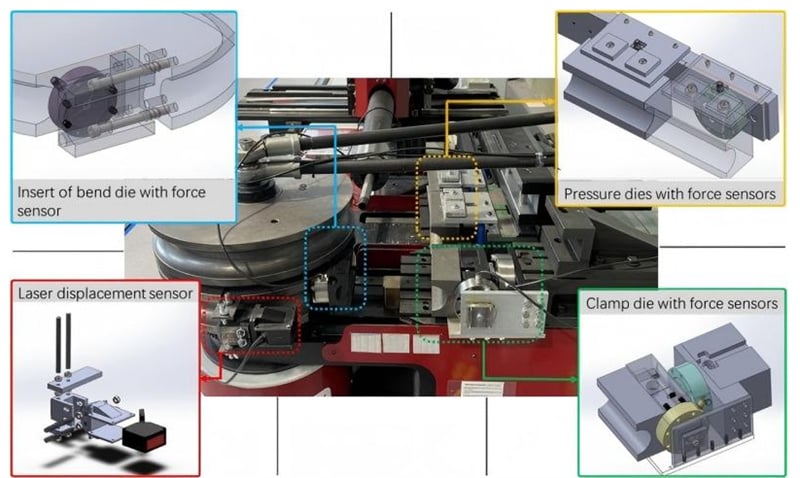
Sensoren sind die Augen und Nerven einer Rohrbiegemaschine – Position, Winkel, Druck, Spannzustand und Mandrellage hängen alle von deren Echtzeit-Rückmeldung ab. Selbst eine geringfügige Signalabweichung kann einen Alarm auslösen, was zu einem Schleifenstillstand führt; die gesamte Maschine stoppt und wartet auf Ihr Eingreifen.
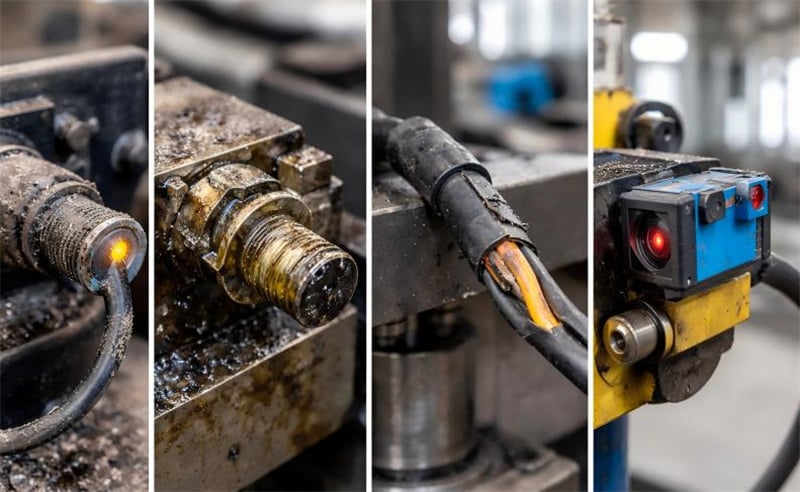
Das Ärgerlichste daran ist, dass Sensorprobleme oft nicht plötzlich und vollständig auftreten. Viele entwickeln sich schleichend: Das Signal springt heute gelegentlich, driftet morgen stärker und löst übermorgen einen Alarm aus. Diese intermittierenden Störungen sind am schwierigsten zu diagnostizieren – manchmal dauert ihre Behebung länger als die eigentliche Reparatur der Maschine.
Welche Sensoren sind am anfälligsten für Probleme?
Positions- und Winkelsensoren sind am anfälligsten. Sie steuern die Drehung des Biegearms und die Vorschubtiefe. Sobald das Signal driftet, stimmen die vom System angezeigten Werte nicht mehr mit der tatsächlichen Position überein, wodurch die Maschine entweder alarmiert und stoppt oder fehlerhafte Produkte erzeugt.
Drucksensoren fallen ebenfalls häufig aus. Ungenaue Messwerte für die Klemmkraft führen entweder dazu, dass die Maschine nicht ordnungsgemäß klemmt und Rohre verrutschen, oder lösen eine Alarmmeldung wegen unzulässigem Druck aus. Instabile Rückmeldungssignale des Biegedrucks bewirken Schwankungen beim Biewinkel.
Sicherheitssensoren und Endschalter – beispielsweise Lichtvorhänge und Türverriegelungen – können bei ölig verschmutzten Oberflächen oder geringfügiger Verschiebung fälschlicherweise interpretieren, dass die Sicherheitstür nicht korrekt geschlossen ist oder sich jemand im Arbeitsbereich befindet; die Maschine stoppt dann sofort. Solche falschen Stopps sind äußerst ärgerlich, da die Maschine selbst vollkommen einwandfrei funktioniert.
Wie Sensoren effektiv gewartet werden
Die tägliche Reinigung ist grundlegend, darf jedoch nicht wahllos erfolgen. Die Sensoroberflächen und -anschlüsse müssen mit nicht abrasiven Materialien gereinigt werden. Verwenden Sie keine Drahtbürsten oder rauen Tücher, da diese die Oberfläche zerkratzen können. Ich verwende üblicherweise ein Vliesstofftuch, das leicht mit Alkohol angefeuchtet ist, um Öl und Staub vorsichtig abzuwischen. Prüfen Sie zudem auf Kabelverschleiß, lose Steckverbinder und falsch ausgerichtete Montagehalterungen.
Die Befestigungsschrauben von Positions- und Winkelsensoren müssen regelmäßig überprüft werden. Ich habe vor Ort bereits mehrfach beobachtet, dass bereits eine leicht gelockerte Schraube zu einer Sensorwinkelabweichung von weniger als einem halben Millimeter führte, was völlig unzuverlässige Rückmeldungssignale zur Folge hatte. Das Nachziehen der Schrauben löst dieses Problem in der Regel, doch die Lockerung muss zunächst erkannt werden.
Die Signalstabilitätsprüfung ist ebenfalls entscheidend. Viele CNC-Systeme verfügen über Diagnoseschnittstellen, die Sensorrückmeldewerte in Echtzeit anzeigen. Überprüfen Sie diese Werte jedes Mal, wenn Sie Werkzeuge wechseln. Falls ein Sensorwert deutlich von der Norm abweicht, könnte ein Problem vorliegen.
Die Kalibrierung sollte nicht bis zum Auftreten von Problemen hinausgezögert werden. Ich empfehle, einen Kalibrierzyklus basierend auf der Nutzungshäufigkeit der Maschine festzulegen. Maschinen, die kontinuierlich in großen Serien laufen, erfordern eine kürzere Kalibrierfrequenz als solche, die nur gelegentlich eingesetzt werden. Viele Fabriken kalibrieren ihre Maschinen erst nach Auftreten von Problemen – zu diesem Zeitpunkt ist es jedoch bereits zu spät.
Wöchentlicher und monatlicher Rhythmus
Verbringen Sie wöchentlich etwa zehn Minuten mit der Überprüfung der Sensoren. Achten Sie besonders darauf, ob sich Ölansammlungen auf der Außenseite befinden, ob Kabel durch bewegte Teile abgerieben werden und ob irgendwelche Befestigungsschrauben locker sind. Dieser geringfügige Zeitaufwand kann zahlreiche unerwartete Ausfallzeiten verhindern.
Alle drei bis sechs Monate oder je nach Betriebszeit der Maschine eine gründlichere Inspektion und Kalibrierung durchführen. Ideal ist es, dies gleichzeitig mit anderen Wartungsarbeiten an der Maschine durchzuführen und alle Aufgaben auf einmal zu erledigen.
Mehrere Vorteile der Sensorwartung:
Weniger Fehlalarme sind der offensichtlichste Vorteil. Sensoren mit stabilen Signalen lösen selten sinnlose Alarme aus, was einen reibungsloseren Maschinenbetrieb gewährleistet und den Bedarf an wiederholtem Zurücksetzen der Sensoren durch die Bediener reduziert.
Die Fehlersuche erfolgt schneller. Wenn ein Fehler auftritt und Sie wissen, dass der Sensor regelmäßig überprüft wurde und sein Signal stabil ist, kann sich die Fehlersuche direkt auf mechanische oder systembedingte Aspekte konzentrieren, ohne den Sensorstatus immer wieder neu zu prüfen.
Auch die Biegequalität ist konsistenter. Das Feedback der Sensoren wirkt sich unmittelbar auf die Steuerungsgenauigkeit aus; ein stabiles Signal führt daher naturgemäß zu konsistenteren gebogenen Rohren. Weniger Materialverschwendung und Nacharbeit erhöhen die Produktionseffizienz.
Letztendlich erfordert die Sensorwartung nur geringe Investitionen, führt aber zu erheblichen Erträgen.
Nehmen Sie sich täglich einige Minuten vor dem Einschalten, um den Sensorstatus zu überprüfen; reinigen und inspizieren Sie die Sensoren wöchentlich regelmäßig und beheben Sie eventuelle Probleme unverzüglich. Sensorstörungen häufen sich oft schleichend; eine frühzeitige Erkennung und Behebung minimiert die Kosten. Wenn Sie warten, bis der Sensor Alarm schlägt und herunterfährt, bevor Sie Maßnahmen ergreifen, kann dies zu Zeitverschwendung und Bedauern führen.