





Why Use a Punch Press in Lamp Manufacturing for Efficiency?
A punch press is vital for achieving both efficiency and precision in lamp manufacturing, the two factors that determine quality and competitiveness in lamp production. This machine plays a central role in streamlining operations while guaranteeing accuracy across every component. If you want to know how it raises productivity without sacrificing standards, you have found the right guide. In this article, I will walk you through how punch presses are applied in lamp production, share setup tips, point out efficiency strategies, and answer common questions to help you get the most out of your equipment.
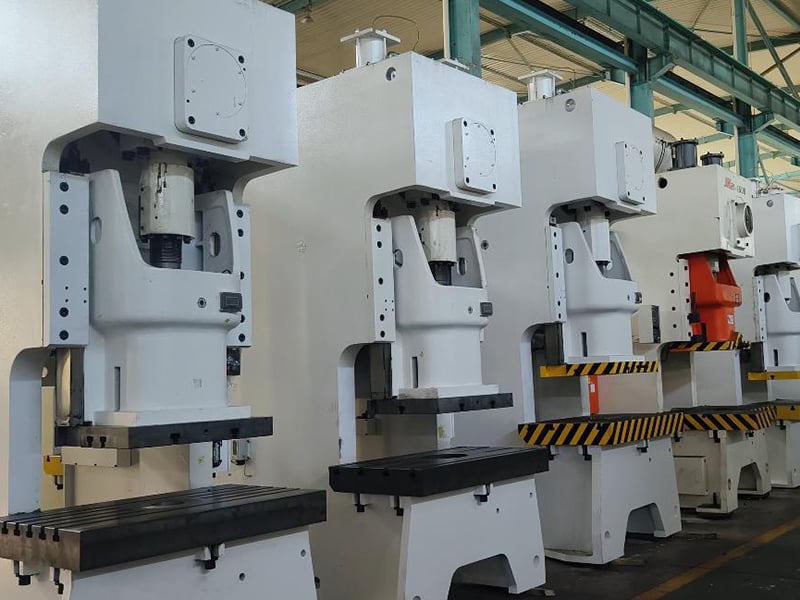
How a Punch Press in Lamp Manufacturing Improves Productivity
A punch press is built to carry out repetitive punching, forming, and cutting work with speed and consistency. In lamp manufacturing, where metal sheets are turned into housings, reflectors, and mounting components, this machine makes sure each part meets exact specifications. By automating these operations, the punch press cuts manual labor, shortens production cycles, and reduces errors.
Setting Up a Punch Press for Lamp Production
Preparing the Work Area
Before I run the punch press, I always confirm that the workspace is clean, well organized, and cleared of unnecessary items. Proper lighting and a level floor are important, since even slight misalignments can affect the quality of the finished product.
Installing and Adjusting Tooling
Next, I install the tooling that suits the specific lamp component being made. Correct alignment of the dies and punches is essential for avoiding wasted material. I also verify that the clamping system is secure so the sheet metal does not shift during punching.
Calibrating for Accuracy
Calibration is among the most important steps. I rely on a digital gauge or calibration tool to make sure the punch depth and positioning are correct. In lamp manufacturing, where design details can be intricate, this step ensures that the finished shape matches the design specifications.
Techniques to Maximize Efficiency with a Punch Press
Using Automated Feeding Systems
An automated feeding system keeps material flowing smoothly, reduces downtime, and helps maintain a steady punching speed. In lamp manufacturing, this is especially useful when producing large batches of identical components.
Optimizing Punch Patterns
By arranging punch patterns in a strategic way, I keep material waste to a minimum. Nesting parts efficiently on a metal sheet not only reduces production costs but also supports more sustainable manufacturing.
Routine Maintenance for Reliability
Efficiency is about more than speed; it is also about preventing breakdowns. I make a habit of inspecting and lubricating the punch press regularly. Preventive maintenance keeps the machine in top condition, which lowers costly downtime.
Common Applications of a Punch Press in Lamp Manufacturing
Lamp Housings
Punch presses are used to form metal housings that protect electrical parts and improve the durability of lamps.
Reflectors and Covers
Through precision punching, I can produce reflectors and covers that deliver proper light distribution while keeping a high aesthetic standard.
Mounting Brackets
The punch press also manufactures brackets and fixtures that let lamps be installed securely and reliably.
FAQs
How does a punch press improve efficiency in lamp manufacturing?
It automates repetitive punching and forming tasks, shortens production cycles, and delivers consistent quality, saving both time and money.
What materials can I process with a punch press for lamps?
Common materials include steel, aluminum, copper, and stainless steel, all of which are widely used in lamp housings and reflectors.
How often should I calibrate the punch press for lamp production?
Calibration should be checked at the beginning of every production batch to ensure accuracy, particularly for intricate lamp designs.
Can a punch press reduce material waste in lamp manufacturing?
Yes. By optimizing punch patterns and using nesting techniques, material waste is reduced significantly.
Conclusion
A punch press in lamp manufacturing is far more than just a machine; it is a solution for achieving speed, precision, and cost-effectiveness in lamp production. By setting it up correctly, maintaining it regularly, and applying efficient production strategies, you can maximize both output and quality.
If you are looking to upgrade your lamp manufacturing process or need expert guidance on machine selection, do not hesitate to reach out to our team at JUGAO. We are here to help you improve efficiency and stay competitive in the lighting industry.

