





Why Does Laser Cutter Guide Rails Noise Occur During Operation?
When I run a fiber laser cutting machine, one thing that comes up again and again in daily care is Laser Cutter Guide Rails Noise. This noise is more than a nuisance, it is usually an early sign that parts are wearing out, the lubrication has run short, or the alignment has drifted. If you want to know why it appears and how to sort it out, you have come to the right place. In this article I set out the main reasons for guide rail noise and give workable fixes that keep the machine gliding smoothly, steadily, and quietly.
Getting a Grip on Guide Rail Noise
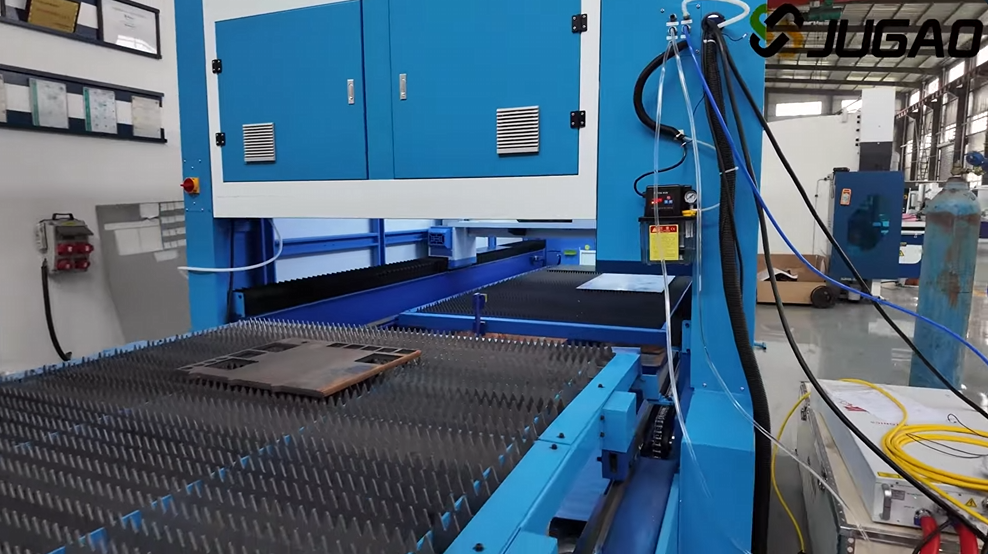
What Exactly Is Guide Rail Noise?
Guide rail noise is the term for odd sounds, such as squeaks, grinding, or shaking, that come from the cutting head as it rides along the linear rails. These sounds are a clue that friction has gone up or the motion system has lost some of its steadiness.
Why It Carries Weight in a Laser Machine
Once Laser Cutter Guide Rails Noise shows up, it often pulls down cutting accuracy, makes the motion feel less smooth, and speeds up the wear on key parts like the linear guides and the bearings.
What Brings on Guide Rail Noise
Lubrication on the Linear Rails Running Short
The most usual culprit is a lack of proper lubrication. Without enough grease or a working oil film, metal rubs against metal, friction climbs, and noise comes out as the parts move.
Dust and Metal Chips Getting In
Cutting naturally throws up dust and fine metal particles. When these settle on the rails, they block smooth sliding and give rise to odd sound.
Rails Out of Line or Fitted Wrong
A poor install or long-running vibration can push the rails out of alignment. The load then spreads unevenly, which shows up as noise and jerky motion.
Bearings or Carriage Blocks Worn Down
After a lot of use, the linear bearings and the slider blocks start to wear. Clearance grows, and vibration plus noise set in when the head moves at speed.
Loose Fasteners or the Frame Shaking
Bolts or mounting screws that are not tight can make the whole rail system shake more, and the noise gets louder during quick cutting passes.
Practical Ways to Quiet Down Guide Rail Noise
Keep Up with Lubrication
I always advise putting on the right lubricant at set intervals. Wipe the rails clean before you grease them so dirt does not get stirred into the oil.
Clean the Rail System Often
Use industrial cloths or compressed air to pull dust and metal chips off the rail surface. A rail that is kept clean cuts friction noise down a good deal.
Check and Realign the Rails
Look at the straightness and parallelism of the rails on a regular basis. If the alignment is off, recalibrate the system the way the maker's specs say.
Swap Out Worn Parts Quickly
When bearings or slider blocks start to look worn, replace them right away so the damage and the noise do not get worse.
Tighten the Mechanical Fasteners
Make sure every mounting bolt, rail screw, and structural connector is snug, so the noise that comes from vibration dies down.
Good Maintenance Habits for Long-Term Stability
Set Up a Routine Inspection Schedule
I suggest going over the guide rails once a week for lubrication, cleanliness, and mechanical soundness so small problems do not grow.
Watch How the Machine Runs
Running at too high a speed, overloading the table, or working on an unsteady base can pile stress on the rails. Staying inside the recommended limits helps quiet things down.
Use Good Lubricants and Parts
Putting money into quality linear guides and lubricants pays off in steadier long-term performance and a clear drop in Laser Cutter Guide Rails Noise.
Frequently Asked Questions
Is Laser Cutter Guide Rails Noise dangerous for the machine?
Yes. Left alone for too long, it can mean more wear, worse accuracy, and finally a rail or bearing that gives out.
Can I continue using the machine if noise appears?
It is best not to. The noise usually points to friction or misalignment that tends to get worse the longer you run.
How often should I lubricate the guide rails?
It comes down to how much you use the machine, but under normal working conditions roughly every one to two weeks is a good rhythm.
Conclusion
Dealing with Laser Cutter Guide Rails Noise early is central to keeping precision, stability, and the life of the machine intact. Keep the lubrication up, clean the rails, sort out the alignment, and change worn parts in time, and you can bring the noise down clearly and lift overall performance.
If you would like more technical advice or maintenance help, feel free to reach out to the JUGAO team. I am always glad to help you keep your laser cutting system running at its best.

