





Why Does Laser Cutting Accuracy Decline Over Time?
If you have started to see that the machine no longer cuts with the same precision it once had, you are far from the only one. A laser cutting accuracy decline is something many operators come up against after months or years of steady production. I am often asked how a laser that used to turn out perfect edges begins to lose its accuracy, and the honest answer is that there is rarely a single reason. In practice it is a mix of parts wearing out, problems in the optics, the environment, and how the machine is looked after. In this guide I take you through the real causes behind the loss of accuracy and the ways you can fix or avoid it in everyday work.
How Worn Mechanics Slowly Eat Away Precision
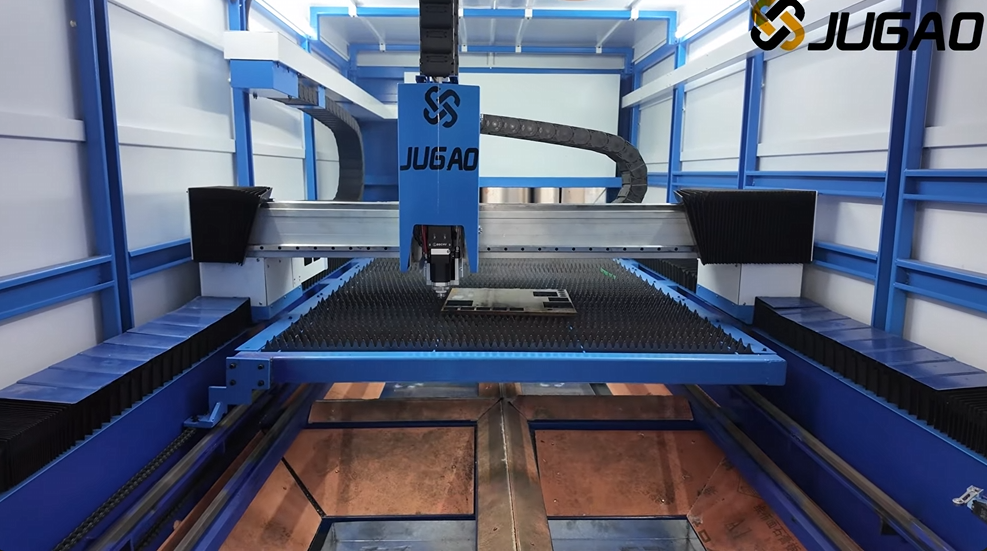
One of the most common reasons for the loss of cutting accuracy is mechanical wear. Even a top-grade machine gradually drifts off precision as its key parts wear down.
Wear in the Guide Rails and the Motion System
With use, the guide rails, linear bearings, and ball screws naturally rub and wear. Once that starts, the laser head may not glide as smoothly or land as exactly as before. A very small slip in motion can turn into clear cutting errors, most of all on parts that need tight precision.
To keep this in check, I always tell operators to lubricate on a regular basis and to watch for backlash or uneven movement during their routine checks.
Loosened Fasteners and a Tired Frame
Another point that gets missed is vibration and the structure slowly coming loose. Over a long stretch, the constant shaking of the machine can ease off bolts and frame joints a little. That makes the positioning accuracy shaky.
Tightening the structural parts and running periodic alignment checks on the machine can slow the fall-off in cutting accuracy by a clear amount.
Optical Problems That Pull Down Precision
The optical system sits at the heart of any laser cutter. Once it drifts out of line, accuracy slips fast.
Lens Contamination and Focus Errors
Dust, smoke film, and metal specks can build up on the protective lenses and the focusing lenses. When part of the beam is blocked or twisted, cutting precision suffers.
I usually tell operators to clean the optical parts often with the proper lens-cleaning materials. Even a very thin layer of grime can cause a serious drop in cutting accuracy.
Beam Misalignment along the Path
If the mirrors or the beam route are off by a little, the laser spot lands on the workpiece in the wrong place. The result is kerf widths that wander and edge quality that suffers.
Routine optical calibration is a must. Many newer machines offer automatic alignment checks, but checking by hand still matters for staying stable over the long run.
How the Environment Adds to the Drift
Working conditions are often brushed aside, yet they have a big hand in how steady the precision stays.
Temperature Swings and Thermal Expansion
Metal frames and optical parts grow and shrink as the temperature moves around. In a shop where the heat is not steady, even small thermal shifts can nudge the positioning accuracy off target.
Keeping the work area at a stable temperature does a lot to slow down long-term loss of cutting accuracy.
Dust, Humidity, and the Air
Heavy dust or damp air can hurt both the mechanics and the optics. Dust gets in the way of the motion system, while humidity bothers the electrical parts and the lenses.
A clean, controlled room is one of the simplest yet most effective ways to protect long-term accuracy.
Software and Calibration Troubles
Not every accuracy problem is physical. Sometimes the trouble lives in the software.
Control Parameters That Have Gone Stale
As time passes, machine parameters can drift or fall behind after software updates or changes in the production. Acceleration, speed, or compensation values that are wrong can show up as clear cutting errors.
Going over the parameters on a regular basis is needed to avoid losing cutting accuracy for no good reason.
Skipping Routine Calibration
A lot of operators pass on calibration while the machine still looks fine. But small errors pile up slowly with time.
I recommend running full calibration cycles on a set schedule, above all where high-precision work is the norm.
Maintenance Habits That Hold Precision
Good maintenance is the most reliable way to keep accuracy from slipping.
Clean and Inspect on a Schedule
Keeping the machine clean lowers both mechanical wear and optical grime. I always suggest putting together a daily and weekly cleaning checklist.
Replace Parts Before They Give Out
Consumables such as lenses, nozzles, filters, and guide parts should be swapped out before they are fully worn. Waiting too long raises the chance of damage adding up over time.
Bring in Professional Alignment Checks
Even when everything looks fine, an expert inspection now and then makes sure the machine still sits inside the factory precision limits.
Frequently Asked Questions
What is the most common reason for laser cutting accuracy decline?
Usually it comes from both mechanical wear and dirty optics working together. Worn guide rails, soiled lenses, and calibration drift are the biggest contributors.
How often should I calibrate my laser cutting machine for accuracy?
I suggest a full calibration every 300 to 500 working hours, depending on how hard the machine is used and what material is being cut.
Can environment really affect laser cutting accuracy decline?
Yes. Shifts in temperature, dust, and humidity can all pull on both the mechanical steadiness and the optical performance as time goes by.
Conclusion
Steady cutting performance does not happen by luck; it comes from consistent care, correct operation, and maintenance that is done in time. Knowing what lies behind the fall-off in cutting accuracy lets you act before small issues grow into costly production problems. Keep the mechanics in good shape, hold the optics clean, calibrate the machine properly, and control the work environment, and you can stretch the precision life of the machine by a large margin.
If you need more technical support or want to tune up your laser cutting performance, our team at JUGAO is always here to help.

