





Key Points for Shear Machine Maintenance and Care
In industrial production, the maintenance of mechanical equipment is crucial for extending service life, ensuring stable production, and preventing safety incidents. Equipment longevity depends not only on proper operator technique but also—and more significantly—on routine, meticulous maintenance. As a core piece of equipment in sheet metal processing, the shear machine endures high-speed metal cutting, heavy operational loads, and rapid wear. Neglecting daily care can easily lead to issues such as blade wear, hydraulic failures, and mechanical binding; these problems reduce processing precision, increase repair costs, and can even trigger safety accidents. Based on operational standards, shear machine maintenance comprises three main areas: daily cleaning and lubrication, operational condition management, and fault troubleshooting. Specific maintenance points are outlined below.
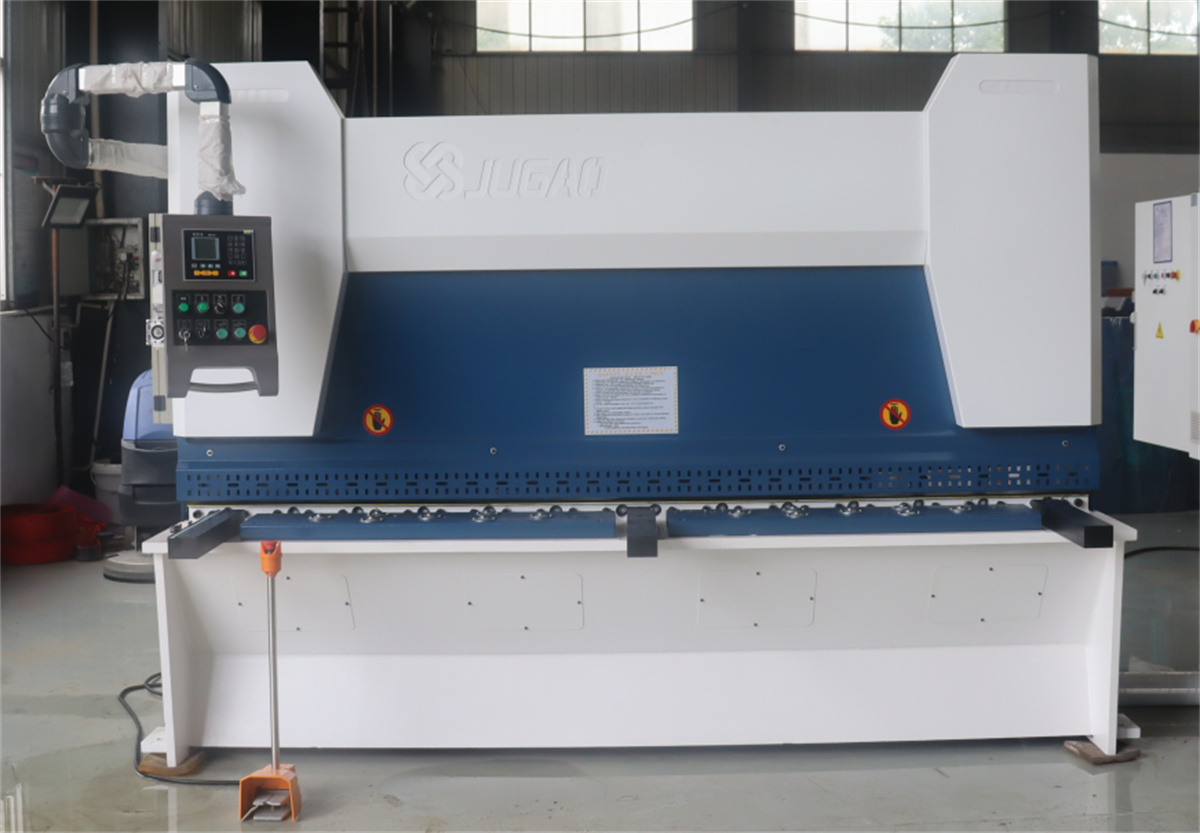
First is basic cleaning and lubrication, which constitutes the most fundamental and critical aspect of shear machine maintenance. Prolonged steel cutting generates significant amounts of metal chips and dust; if debris accumulates on the worktable, guide rails, or within transmission gaps, it accelerates component wear and causes corrosion to the machine body. After each shift, operators must promptly clear metal chips from the table, blades, and oil tank area, and wipe away oil stains with a lint-free cloth to prevent residual impurities from corroding the machine structure. Simultaneously, routine lubrication must be strictly implemented. Lubricant should be fully applied before startup, with strict quality control: only lubricants compatible with the specific equipment model should be used, while oils showing sediment, turbidity, or signs of deterioration are prohibited to prevent clogged oil lines or transmission binding. Bearings, as core transmission components bearing the machine's operational load, are at the highest risk of wear. They require periodic draining of old oil, cleaning of oil lines, and replacement with fresh lubricant. Bearing wear status should be checked monthly; any issues such as binding, abnormal noise, or looseness require immediate disassembly and replacement to prevent downtime caused by transmission failure.
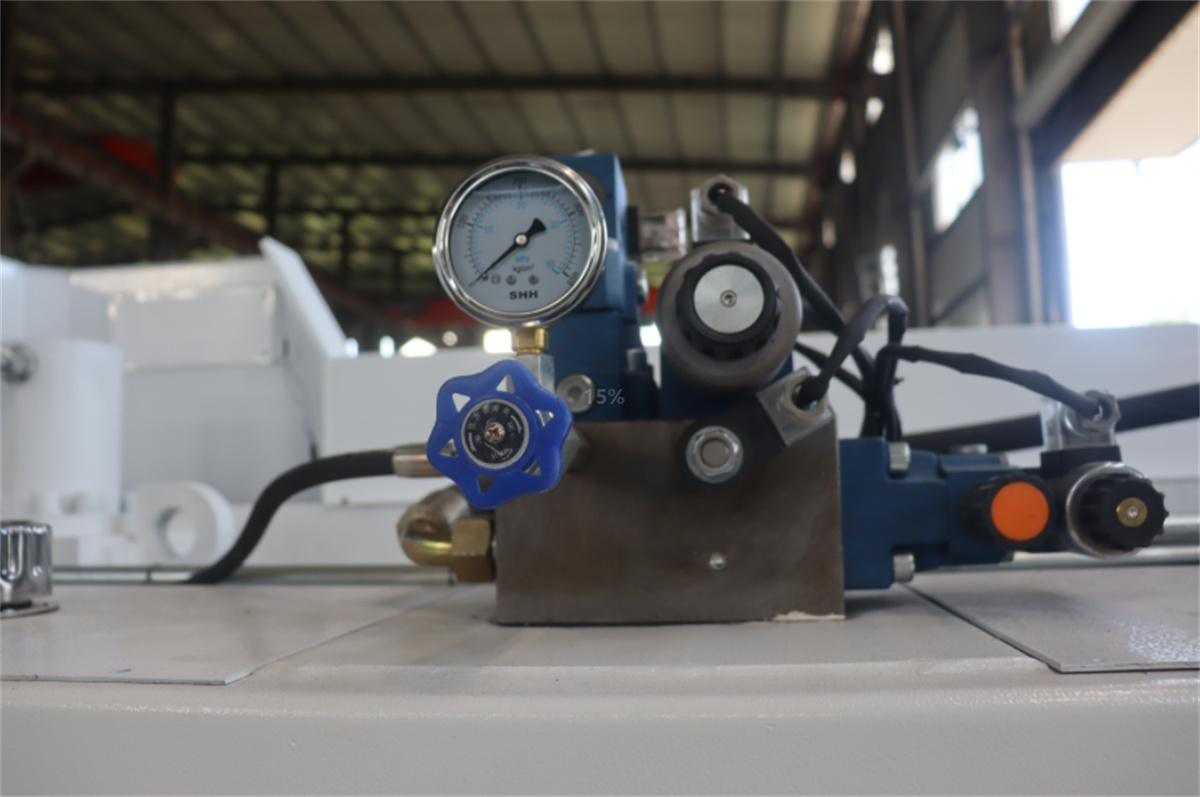
Second is the maintenance of operating conditions throughout the entire work process, involving strict control of shearing parameters to ensure they align with the equipment's operational load capacity. Shearing machines operate with fixed cutting thresholds; overloading the machine by cutting thick plates or hard alloy sheets is strictly prohibited. Operators should follow a "thin-to-thick" trial-cutting approach to gradually determine the equipment's maximum cutting capacity and avoid forced overloading. Particular attention must be paid to the relationship between plate thickness and blade clearance: clearance should be reduced for thin plates and appropriately increased for thick plates. Incorrect clearance settings can cause burrs and deformation on the cut edges, accelerate blade wear, and damage the hydraulic drive mechanism. During operation, the pressure gauge must be monitored in real-time. For standard cutting of 12mm steel plate, hydraulic pressure should be kept below 20 MPa; exceeding this limit indicates system overload or abnormal load conditions, requiring an immediate shutdown for inspection. Prolonged high-pressure operation accelerates hydraulic pump wear and can lead to oil leaks or cylinder deformation.
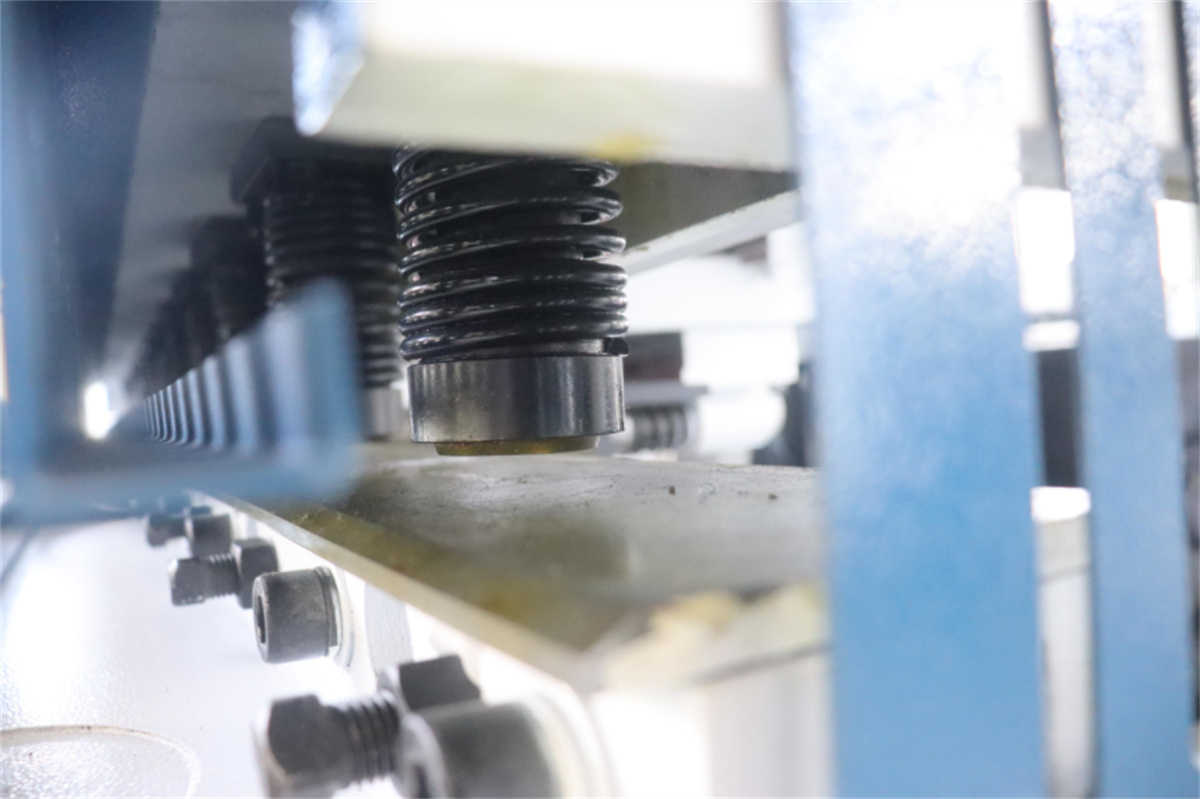
Finally, troubleshooting operational anomalies and maintaining the hydraulic system are essential for preventing latent failures. Under normal conditions, the machine runs smoothly without unusual noise; however, if issues such as metallic clashing, grinding sounds, or excessive vibration occur, the operator must immediately cut the power and stop the machine. Operating a malfunctioning machine is strictly forbidden. Operators should systematically check for issues like loose blades, lack of bearing lubrication, guide rail misalignment, or detached components, and resume work only after the fault is resolved. Additionally, hydraulic oil temperature control is critical; excessive heat accelerates oil degradation and seal aging, leading to leaks. Oil temperature should be maintained below 60°C. High ambient temperatures in summer or prolonged continuous operation can easily cause overheating; if the limit is exceeded, the machine must be stopped to cool down naturally. Rapid cooling with water is prohibited to avoid thermal shock damage to hydraulic components.
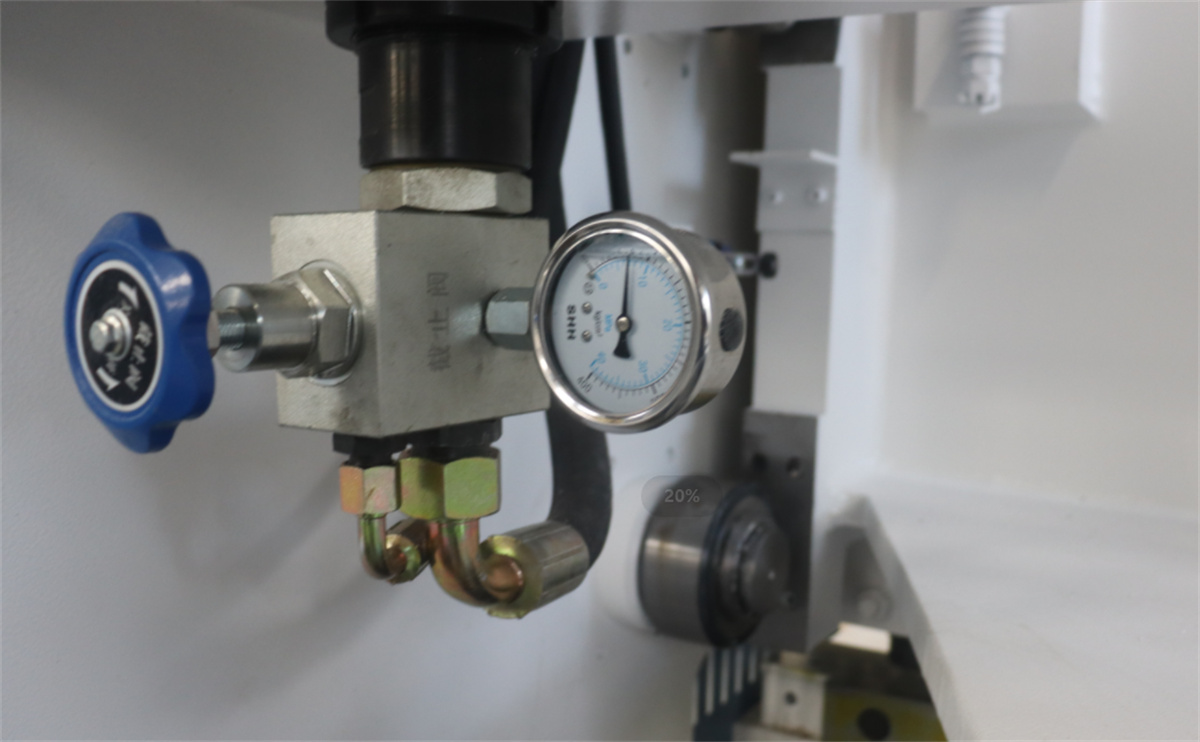
No aspect of shearing machine maintenance is trivial; daily cleaning, precise lubrication, standardized operation, and hazard inspection are all mutually reinforcing practices. Adopting meticulous maintenance practices not only ensures machining precision for the panels, reduces the frequency of equipment rework, and lowers production costs, but also enhances operational safety and extends equipment service life, thereby facilitating efficient and stable production in the workshop.

