





How Do Punching Machines for Industrial Equipment Improve Efficiency?
In today's manufacturing world, speed and precision drive everything. Presses built for industrial equipment sit at the heart of both. If you have wondered how these machines raise output, cut scrap, and keep quality steady, you have found the right spot. Below I explain how punching works, take you through the setup, point out the practical gains in efficiency, and answer the questions most operators ask. By the time you finish, you will see why these presses are so hard to do without in industrial equipment work and how to get the most out of them.
How Presses for Industrial Equipment Do Their Job
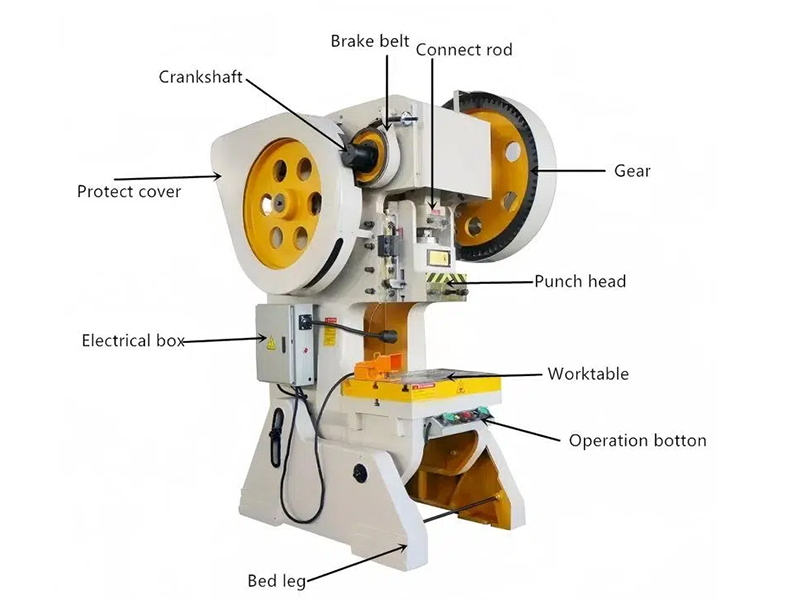
A punching machine uses a punch and die set to knock holes, shapes, or patterns into sheet metal. It applies controlled force to shear the material with real precision. The outcome is fast, repeatable cutting that beats any manual method. In industrial equipment, where uniformity and accuracy count the most, these presses offer dependability nothing else can match.
The Main Parts of a Punching Machine
The punch and die system is what actually shapes and cuts the metal.
The tooling station holds several tools so you can switch quickly during production.
The CNC control system automates the movements to lock in repeatability and accuracy.
The feed mechanism slides the sheet metal into place smoothly and consistently.
Bringing these parts together lets punching machines cut cycle times sharply and lift overall production efficiency.
Setting Up Presses for the Best Efficiency
Step 1 - Prepare the Work Area
Before I run the machine, I always keep the workspace clean and tidy. A spot free of debris guards the material against damage and lets the press work without a hitch.
Step 2 - Install and Adjust the Tooling
Getting the tooling right is essential. I line the punch and die set up carefully so misalignment cannot set in, which would wear the tools and spoil the cuts. Quick-change tooling arrangements can save real time across big production runs.
Step 3 - Calibrate the CNC Control
Once the tooling sits in place, I calibrate the CNC system. By comparing the programmed values with trial runs, I can tune the accuracy. That keeps errors low and cuts the costly rework.
Efficiency Gains from Industrial Punching
Shorter Production Cycles
Punching machines take over repetitive cutting jobs, which trims manual work and processing time by a wide margin. For industrial equipment, that means more parts in less time.
Better Accuracy and Consistency
CNC-driven punching makes every cut match the programmed design, cutting the chance of human error. Steady results matter when you are producing parts for heavy-duty machinery.
Less Material Waste
Clever nesting software lays parts out on the sheet to keep leftover scrap small. That cuts material costs and backs up more sustainable ways of working.
Lower Running Costs
A punching machine takes an upfront investment, but it trims long-term labor, tool wear, and rework spending. By smoothing the workflow, it earns its keep quickly.
Common Problems and Their Fixes
Tool Wear and Breakage
Checking the tooling often and replacing it in good time stops downtime. I also rely on quality tool steel to make the punches and dies last longer.
Machine Alignment Issues
If the cuts come out wrong, I look at the punch and die alignment first. A quick realignment usually sorts the trouble out.
Software or Programming Errors
Sometimes errors come from bad programming. Doing a trial sheet before full production lets you catch and fix these mistakes early.
Frequently Asked Questions
How do punching machines reduce downtime in industrial equipment work?
By automating the cutting process and using quick-change tooling, they shorten setup times and cut interruptions during production.
Which materials are punching machines most efficient on?
They perform best on sheet metals such as steel, aluminum, and copper, which makes them flexible across a broad set of industrial equipment parts.
How often should a punching machine be serviced?
Service it every 500 operating hours, covering lubrication, tool inspection, and clearing debris out of the work area.
Can punching machines make complex shapes?
They can. Modern CNC punching machines produce intricate designs accurately, thanks to versatile tooling and programmable controls.
Conclusion
Presses for industrial equipment raise efficiency by shortening cycle times, sharpening accuracy, and cutting waste. With the right setup, calibration, and maintenance, they deliver the long-term productivity gains every manufacturer wants.
If you would like help choosing the right punching machine, or need professional guidance for your production line, do not hesitate to contact the JUGAO team. We are committed to helping you reach better efficiency and outstanding results in industrial equipment manufacturing.

