





لماذا تُعتمد آلات القطع الحديثة بالليزر على نطاق واسع في إنتاج الأجهزة المنزلية
جدول المحتويات
• المزايا الأساسية لمعدات القطع بالليزر لإنتاج الأجهزة المنزلية
○ دقة معالجة استثنائية وجودة منتجات مستقرة
○ تسريع سرعة الإنتاج وتحسين إنتاجية الخطوط
○ توافق قوي مع مواد خام متنوعة وأنماط مخصصة
• المجالات الرئيسية لتطبيق أجهزة القطع بالليزر في إنتاج الأجهزة المنزلية
○ تصنيع مخصص لإكسسوارات الهيكل الخاصة بالثلاجات
○ معالجة أجزاء أفران الطهي والمواقد المنزلية
○ تشغيل مختلف قطع الغيار الخاصة بالغسالات الكهربائية
• الخطوات العملية لتثبيت أجهزة القطع بالليزر على خطوط الإنتاج الحالية
○ التحقق أولًا من متطلبات الإنتاج الفعلية
○ اختيار أجهزة القطع بالليزر المناسبة وفقًا لاحتياجات المعالجة
○ إكمال تدريب الموظفين على المهارات المطلوبة وإجراء معايرة دورية للأجهزة
• الأسئلة الشائعة
○ هل أجهزة القطع بالليزر متوافقة مع أوامر الإنتاج الضخمة الجماعية وكذلك مع إنتاج المحاولات الصغيرة الدفعات؟
○ هل يُحقِّق القطع بالليزر فوائد اقتصادية طويلة الأجل لمصانع الأجهزة المنزلية؟
○ بأي طرق يمكن أن يقلل المعالجة بالليزر من هدر المواد الخام المتبقية؟
• الاستنتاج النهائي
أصبحت أجهزة القطع بالليزر معدات معالجة لا غنى عنها لمصانع الأجهزة المنزلية التي تسعى إلى الوفاء بالمعايير الصارمة المفروضة على دقة التشغيل، وسرعة التصنيع، واتساق المنتجات في ظل المنافسة الشديدة في السوق. وإذا كنت تخطط لتحديث منشأتك الإنتاجية عبر إدخال تقنيات المعالجة بالليزر، فإن هذه المقالة ستكون مرجعاً موثوقاً لك. وفيما يلي نوضح القيم الجوهرية لأجهزة الليزر في قطاع الأجهزة المنزلية، وكيف تسهم هذه الأجهزة في رفع جودة المنتجات، وزيادة إنتاجية ورشة العمل، ومرونة الإنتاج بشكل شامل.
المزايا الأساسية لمعدات القطع بالليزر لإنتاج الأجهزة المنزلية
دقة معالجة استثنائية وجودة منتجات مستقرة
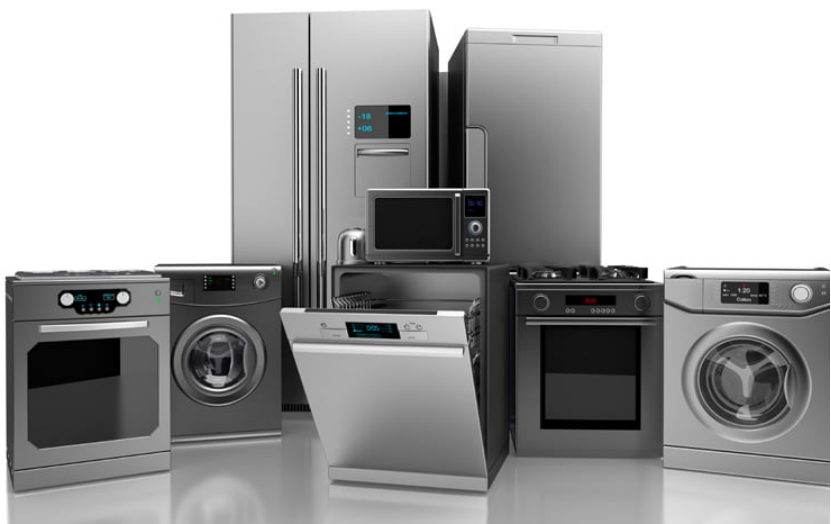
يُعتبر التحكم الدقيق في الأبعاد السبب الرئيسي الذي يدفع مصنّعي الأجهزة المنزلية لاختيار قص الليزر بدلًا من أدوات القص التقليدية. ويوفّر معالجة الليزر حواف قصٍ نظيفة خالية تمامًا من العيوب مثل الحواف البارزة (البروزات)، مما يقلّل بشكل كبير من عبء عمليات التلميع الإضافية بعد القص. وتتيح هذه المعالجة عالية الدقة تركيب القطع الاحتياطية بدقة وسلاسة، ما يحسّن فعّاليًّا من جودة الأجهزة المنزلية النهائية. سواء أكانت تجهيزات ثلاجات من الألومنيوم رقيقة أم إكسسوارات غسالات أطباق من الفولاذ المقاوم للصدأ، فإن قص الليزر يضمن دائمًا أن تكون كل قطعة منتجة ضمن التسامحات البعدية المحددة مسبقًا.
تسريع سرعة الإنتاج وتحسين إنتاجية الخطوط
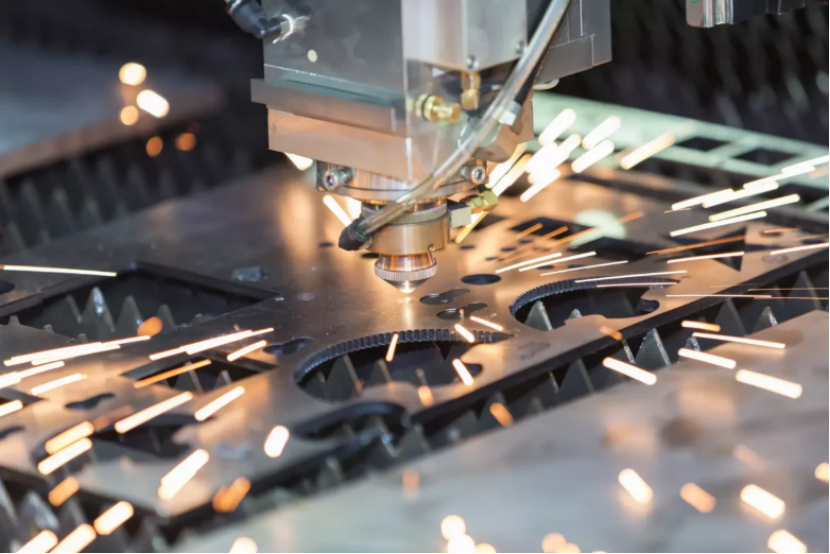
يمكن لتثبيت معدات المعالجة بالليزر تقصير دورات الإنتاج الإجمالية بشكلٍ ملحوظ. فعلى عكس أدوات القطع التقليدية التي تتطلب استبدال التجهيزات بشكلٍ متكرر، فإن ماكينات القطع بالليزر تُغيّر مواصفات المعالجة فورًا دون الحاجة إلى فترات انتظار طويلة. وبذلك، يمكن للمصانع أن تحوّل أهداف الإنتاج من قطع غيار الأفران إلى إكسسوارات الغسالات في فترة زمنية قصيرة جدًّا، مما يرفع الإنتاج اليومي بشكلٍ ملحوظ ويقلل من مجمل نفقات الإنتاج.
توافق قوي مع مواد خام متنوعة وأنماط مخصصة
وتُعَدُّ القدرة على معالجة مواد متعددة ميزةً بارزةً أخرى لتكنولوجيا القطع بالليزر. إذ تُعالِج المعدات بسلاسة المواد الأولية الشائعة المستخدمة في صناعة الأجهزة المنزلية، مثل الفولاذ المقاوم للصدأ، وصفائح الألومنيوم، والألواح المعدنية المجلفنة، وبعض البلاستيكات الهندسية. وبجانب تصنيع القطع القياسية، فإنها تتيح أيضًا وبسهولة تنفيذ أشكال شخصية مثل ألواح أبواب الثلاجات ذات التصاميم الخاصة، وشبكات المواقد المنقوشة بدقة عالية، مما يدعم المصنّعين في إطلاق تصاميم مبتكرة ومتميِّزة للأجهزة المنزلية.
المجالات الرئيسية لتطبيق أجهزة القطع بالليزر في إنتاج الأجهزة المنزلية
تصنيع مخصص لإكسسوارات الهيكل الخاصة بالثلاجات
يتم معالجة مجموعة كاملة من إكسسوارات الثلاجات، بما في ذلك الأقواس الداخلية، ورفوف التخزين المتعددة الطبقات، وغطاء باب الخزانة، والألواح الداخلية الفاصلة، عادةً باستخدام قص الليزر. ويقلل القص الدقيق من حالات عدم التطابق أثناء التجميع، ويُثبِّت أداء التشغيل النهائي للثلاجة، ويمدّد عمرها الافتراضي.
معالجة أجزاء أفران الطهي والمواقد المنزلية
تعتمد أغطية أبواب الأفران، وأغطية نيران المواقد، ولوحات تحكم الأجهزة المنزلية إلى حدٍ كبير على معالجة القص بالليزر. وتؤدي الدقة الموحدة في الأبعاد إلى تحسين قابلية استخدام معدات الطهي النهائية، وتساعد الشركات على رفع درجة رضا المستخدمين النهائيين.
تشغيل مختلف قطع الغيار الخاصة بالغسالات الكهربائية
تُعَد الرفوف المعدنية لأجهزة غسل الصحون، وأوراق الفلاتر، والأغلفة الخارجية المصنوعة من الفولاذ المقاوم للصدأ منتجات ناضجة تُطبَّق عليها تقنية القص بالليزر. وتتيح أسطح القطع النظيفة تخطي معظم خطوات الجَلْخ الثانوية، ما يبسّط مسار تصنيع المكونات بأكمله.
الخطوات العملية لتثبيت أجهزة القطع بالليزر على خطوط الإنتاج الحالية
التحقق أولًا من متطلبات الإنتاج الفعلية
ابدأ بتحليل شامل لوضع الإنتاج في مصنعك: وضّح فئات الأجهزة الأساسية التي تنتجها، والمواد المعالجة الشائعة الاستخدام، والإنتاج الشهري المخطط له. ويُشكّل تحديد الاحتياجات بدقة الأساس الذي يُبنى عليه اختيار حلول معالجة الليزر المناسبة.
اختيار أجهزة القطع بالليزر المناسبة وفقًا لاحتياجات المعالجة
تتطلب أنواع الملحقات المختلفة أجهزة ليزر من طرازات مُناسبة. وتتفوق آلات الليزر الليفية ذات القدرة العالية في قطع الصفائح المعدنية السميكة بسرعةٍ ودقةٍ عالية، بينما تؤدي أجهزة الليزر CO₂ أداءً أفضل على الألواح المعدنية الرقيقة والقطع البلاستيكية الأولية. وتعاون مع مورِّدين موثوقين لمعدات الليزر لاختيار الطرازات التي تتناسب مع سيناريوهات إنتاجك الفعلية.
إكمال تدريب الموظفين على المهارات المطلوبة وإجراء معايرة دورية للأجهزة
يُعد التدريب المهني المنظَّم للمشغلين الميدانيين أمراً جوهرياً، ويشمل هذا التدريب مواصفات تشغيل الآلة، والتعليمات اليومية المتعلقة بالسلامة، ومعرفة الصيانة الروتينية للمعدات، وذلك لتحقيق أقصى عمر افتراضي وكفاءة تشغيلية لمعدات الليزر. كما أن المعايرة الدورية للمعدات والفحص الروتيني يضمنان استمرارية الأداء المستقر على المدى الطويل.
الأسئلة الشائعة
هل أجهزة القطع بالليزر متوافقة مع أوامر الإنتاج الضخمة الجماعية وكذلك مع إنتاج المحاولات الصغيرة الدفعات؟
نعم بالتأكيد. وتتميز معدات القطع بالليزر بمرونة إنتاجية قوية، مما يمكنها من التعامل بشكل مرن مع الإنتاج الضخم بكميات كبيرة وكذلك الدفعات التجريبية الصغيرة المخصصة لمساعدة المؤسسات على تحقيق تطوير أعمال قابل للتوسّع.
هل يُحقِّق القطع بالليزر فوائد اقتصادية طويلة الأجل لمصانع الأجهزة المنزلية؟
ورغم أن الاستثمار الأولي في شراء معدات الليزر مرتفع نسبيًّا، فإن المؤسسات يمكنها تحقيق وفورات واضحة في التكاليف على المدى الطويل عبر خفض مدخلات اليد العاملة، وتقليل الهدر في المواد الخام، وتسريع كفاءة الإنتاج.
بأي طرق يمكن أن يقلل المعالجة بالليزر من هدر المواد الخام المتبقية؟
وبالمقارنة مع القطع الميكانيكي التقليدي، فإن مسار القطع الفائق الدقة الذي توفره تقنية الليزر، بالإضافة إلى ترتيب القطع المُحسَّن (Nesting) للأجزاء على اللوحات، يقللان بشكل كبير من الفضلات المتبقية ويُخفضان استهلاك المواد الإجمالي.
الاستنتاج النهائي
وتتميَّز آلات قص الليزر بدقة فائقة، وإيقاع إنتاج أسرع، وقدرة واسعة على التكيُّف مع مختلف عمليات المعالجة، ما يمنح مصنِّعي الأجهزة المنزلية مزايا تنافسية بارزة. ويُسهم إدخال هذا النوع من معدات المعالجة إلى خطوط الإنتاج في تحسين جودة المنتجات النهائية، وخفض التكاليف التصنيعية الشاملة، وتعزيز القدرة التنافسية في السوق.
إذا كنت بحاجة إلى إرشادات احترافية بشأن اختيار آلة قص الليزر والمهارات التشغيلية الخاصة بمشاريع تصنيع الأجهزة المنزلية، فلا تتردد في التواصل مع الفريق الخبير في شركة جوجاو؛ حيث يقدِّم فريقنا دعماً فنياً شاملاً طوال عملية تطبيق المعدات.

