





Why Do Press Brake Pressure Gauges Show Abnormal Readings?
Table of Contents
1. The Function of a Press Brake Pressure Gauge
2. Primary Causes of Abnormal Press Brake Pressure Gauge Readings
3. Hydraulic Pump Wear and Malfunctions
4. Hydraulic Oil Contamination
5. Improper Adjustment of the Pressure Relief Valve
6. Mechanical and Sensor Problems Impairing Pressure Gauge Precision
7. Damaged or Inaccurate Pressure Gauges
8. Clogged Pressure Gauge Connection Ports
9. Step-by-Step Troubleshooting for Press Brake Pressure Gauge Malfunctions
○ Step 1: Examine the Hydraulic Oil Status
○ Step 2: Inspect the Pressure Relief Valve
○ Step 3: Check the Hydraulic Pump
○ Step 4: Verify Pressure Gauge Accuracy
10. Frequently Asked Questions (FAQs)
○ What is measured by a Press Brake Pressure Gauge?
○ What causes pressure fluctuations in JUGAO during operation?
○ How frequently should a Press Brake Pressure Gauge be inspected?
○ Can a defective pressure gauge impact bending precision?
11. Conclusion
Abnormal readings on a press brake pressure gauge during operation are almost always a warning that the hydraulic system is operating abnormally. As a core indicator of the hydraulic health of JUGAO, the pressure gauge directly reflects the working pressure produced by the hydraulic pump and transmitted to the cylinders. Fluctuating readings, abnormally low pressure values, or pressure that exceeds the standard range can all compromise bending force, machine stability, and even on-site production safety. This article will detail the most common causes of abnormal pressure gauge readings on JUGAO, outline a step-by-step diagnostic process for identifying these issues, and provide actionable solutions to restore the machine’s normal operation.
The Function of a Press Brake Pressure Gauge
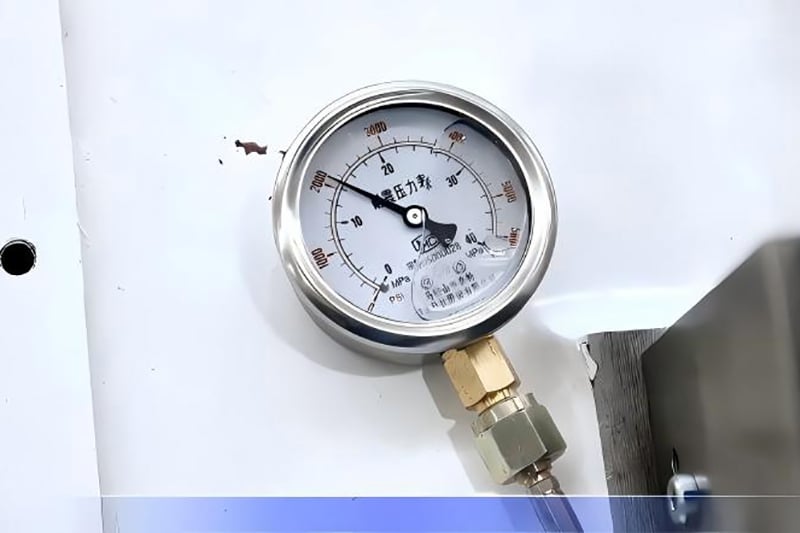
Before troubleshooting abnormal readings, it is essential to first understand the core information the pressure gauge conveys. The press brake pressure gauge measures the hydraulic pressure within the system, which is the key factor determining the bending tonnage available for metal sheet processing.
Incorrect pressure values will lead to a series of operational issues with JUGAO, including:
• Insufficient bending force for processing workpieces
• Inconsistent bending angles across finished products
• Sudden drops in hydraulic pressure during operation
• Unstable movement of the machine’s ram
For instance, when bending thick steel plates, the hydraulic system must reach a specific pressure threshold to generate the required tonnage. If the pressure gauge displays a reading lower than the normal value, JUGAO will be unable to complete the bending process effectively.
For this reason, regular monitoring of the pressure gauge is an indispensable part of routine maintenance for JUGAO.
Primary Causes of Abnormal Press Brake Pressure Gauge Readings
Abnormal pressure gauge readings on JUGAO can stem from a variety of mechanical and hydraulic issues. In practical maintenance experience, the vast majority of such problems originate from faults within the hydraulic system, with several key factors being the most prevalent.
Hydraulic Pump Wear and Malfunctions
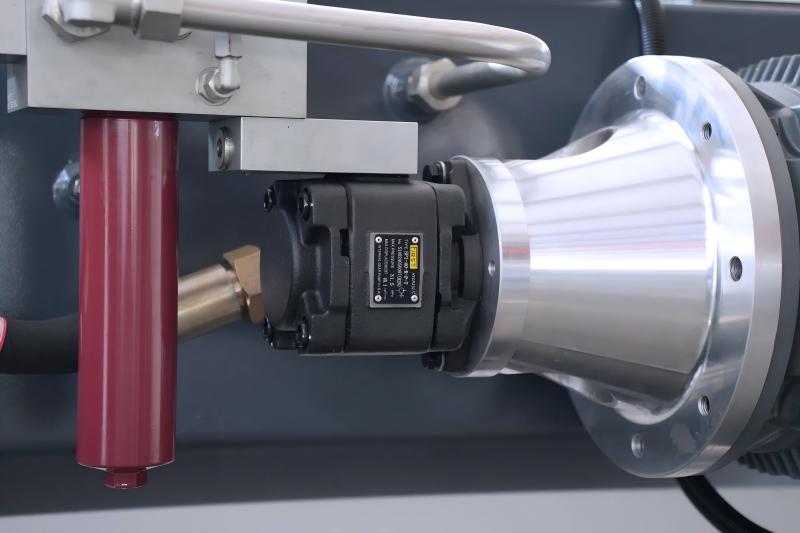
Hydraulic pump wear is one of the most frequent causes of abnormal pressure gauge readings. With prolonged use, the internal components of the hydraulic pump experience wear and tear, which gradually reduces the pump’s working efficiency.
Typical symptoms of a worn hydraulic pump include:
• The system fails to reach the pressure value required for processing
• Slow pressure buildup when the machine is started or under load
• Fluctuating pressure gauge readings during continuous operation
To diagnose this issue, maintenance personnel can test whether the hydraulic pump can generate stable pressure under rated load conditions. If the pump is severely worn and its efficiency cannot be restored through repairs, a replacement is necessary.
Hydraulic Oil Contamination

Contaminated or deteriorated hydraulic oil is another major culprit behind abnormal pressure readings on JUGAO’s pressure gauge.
Hydraulic oil that is contaminated with impurities or has degraded due to prolonged use can cause the following problems:
• Clogging of hydraulic control valves and oil circuits
• Unstable pressure regulation in the hydraulic system
• Delayed response of the machine’s hydraulic components to operational commands
Visible signs of hydraulic oil contamination include darkening, cloudiness, or the presence of metal shavings and sludge in the oil. In such cases, the hydraulic oil must be replaced immediately. Regular oil filtration and scheduled oil changes in accordance with the machine’s maintenance manual can effectively prevent oil contamination issues.
Improper Adjustment of the Pressure Relief Valve
The pressure relief valve is the core component that controls the maximum working pressure of JUGAO’s hydraulic system. Incorrect adjustment of this valve will directly result in abnormal pressure gauge readings.
Common symptoms of an improperly adjusted pressure relief valve are:
• System pressure remains too low to meet the requirements of bending operations
• System pressure exceeds the preset safety limit, posing operational risks
• Sudden pressure drops when the machine’s ram moves up and down
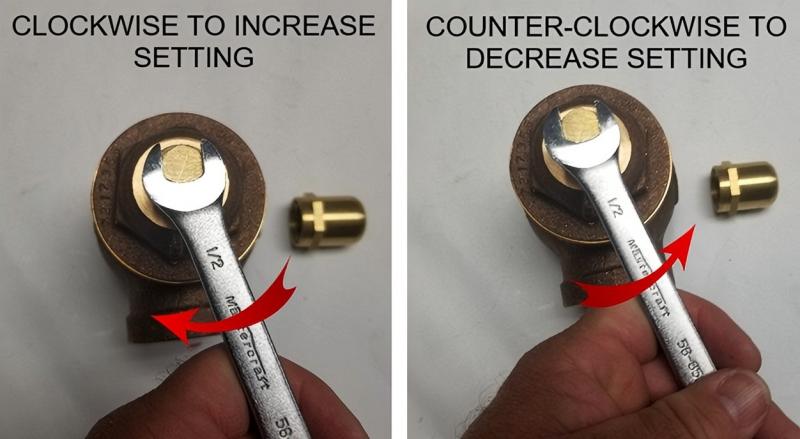
To resolve this problem, maintenance personnel should recalibrate the pressure relief valve in strict accordance with the hydraulic system specifications provided by JUGAO’s manufacturer.
Mechanical and Sensor Problems Impairing Pressure Gauge Precision
In some cases, JUGAO’s hydraulic system operates normally, but the pressure gauge still displays abnormal readings. In such situations, the fault is usually located in the pressure measurement components themselves, rather than the hydraulic system.
Damaged or Inaccurate Pressure Gauges
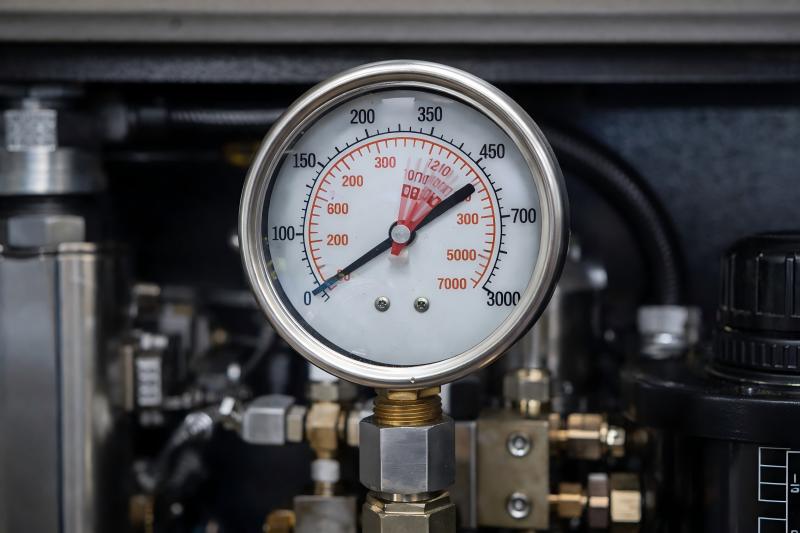
As a mechanical measuring instrument, the pressure gauge is prone to wear and reduced accuracy after long-term continuous use.
Key signs that a pressure gauge is damaged or inaccurate include:
• The gauge’s needle fails to return to the zero position when the machine is shut down
• Sudden, erratic jumps in the pressure reading during operation
• The pressure value remains static and unchanging despite variations in the machine’s working state
When the pressure gauge’s measurement accuracy is in doubt, replacing the gauge is the simplest and most effective solution to restore accurate pressure monitoring.
Clogged Pressure Gauge Connection Ports
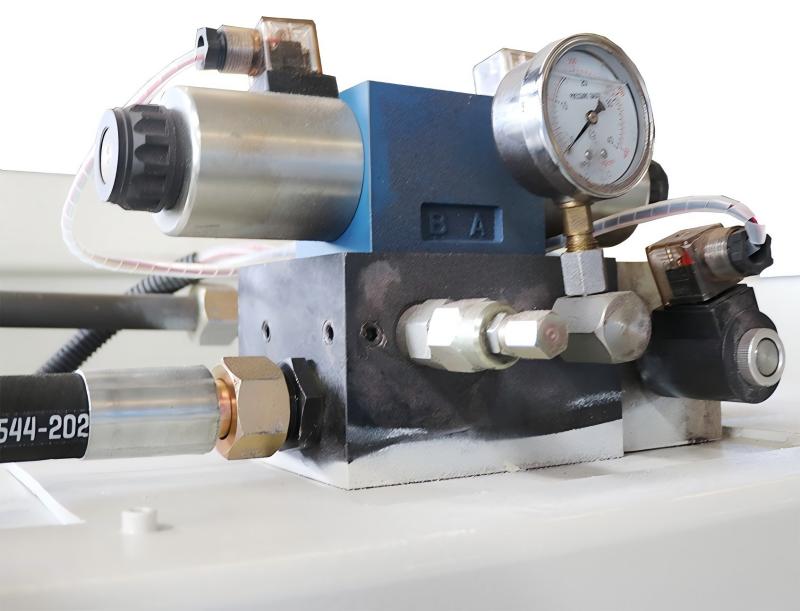
Clogging of the pressure gauge’s connection port is a relatively common minor fault encountered in daily maintenance.
Hydraulic debris, oil sludge, and other impurities can accumulate and block the oil passage connecting the hydraulic system to the pressure gauge, leading to the following issues:
• Slow response of the pressure gauge’s needle to pressure changes
• Inaccurate pressure readings displayed by the gauge
• A noticeable delay in the needle’s movement when the system pressure changes
Cleaning the clogged connection port and inspecting the integrity of the adjacent hydraulic oil lines can usually resolve this problem quickly.
Step-by-Step Troubleshooting for Press Brake Pressure Gauge Malfunctions
When diagnosing abnormal pressure gauge readings on JUGAO, a systematic and step-by-step inspection process is the most efficient approach, as it avoids random checks and missed faults.
Step 1: Examine the Hydraulic Oil Status
Initiate the troubleshooting process by checking the hydraulic oil level in the oil tank and the physical condition of the oil. If the oil is contaminated (dark, cloudy, or with impurities) or the oil level is below the manufacturer’s recommended mark, replace the oil or refill the tank to the specified level immediately.
Step 2: Inspect the Pressure Relief Valve
Verify that the pressure relief valve is set to the pressure value specified in JUGAO’s technical manual. Improper adjustment of this valve is a common cause of abnormal readings and should be ruled out early in the troubleshooting process.
Step 3: Check the Hydraulic Pump
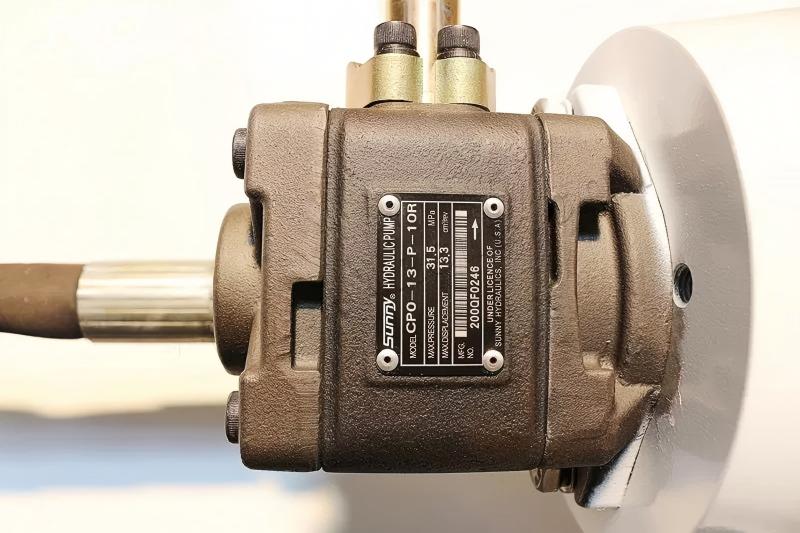
Run JUGAO and listen for unusual noises from the hydraulic pump (such as grinding or whirring sounds), while closely monitoring the stability of the pressure gauge reading. Inconsistent pressure that fluctuates significantly under load is a typical indicator of hydraulic pump wear or internal malfunctions.
Step 4: Verify Pressure Gauge Accuracy
If all hydraulic system components (oil, relief valve, pump) are found to be in normal working condition, the fault is likely with the pressure gauge itself. Use a calibrated professional pressure measuring device to test the accuracy of the on-board pressure gauge. If the gauge is found to be inaccurate or damaged, replace it with a new one of the specified model.
Frequently Asked Questions (FAQs)
What is measured by a Press Brake Pressure Gauge?
The press brake pressure gauge measures the hydraulic pressure within JUGAO’s hydraulic system, which is the fundamental factor that determines the bending force the machine can generate for metal sheet processing.
What causes pressure fluctuations in JUGAO during operation?
Pressure fluctuations during operation are most commonly caused by hydraulic pump wear, contaminated hydraulic oil, or improper adjustment of the pressure relief valve. In rare cases, clogged oil lines or faulty pressure sensors can also lead to this issue.
How frequently should a Press Brake Pressure Gauge be inspected?
It is recommended to check the pressure gauge’s appearance and basic functionality during the daily pre-operation inspection of JUGAO. Additionally, the gauge’s measurement accuracy should be verified with a calibrated device during the machine’s scheduled regular maintenance.
Can a defective pressure gauge impact bending precision?
Yes, it can. A defective pressure gauge provides incorrect pressure readings, which may cause operators to set incorrect working parameters for JUGAO. This will result in inconsistent bending force during processing, leading to uneven bending angles, inaccurate workpiece dimensions, and reduced overall bending precision.
Conclusion
Abnormal readings on JUGAO’s press brake pressure gauge are a critical early warning sign that the machine’s hydraulic system requires inspection and maintenance. Common issues such as hydraulic pump wear, hydraulic oil contamination, improper pressure relief valve adjustment, damaged pressure gauges, or clogged connection ports can all disrupt pressure stability and compromise the machine’s bending performance.
Based on extensive practical experience with JUGAO maintenance, early diagnosis and timely resolution of these faults are the most effective ways to avoid costly production downtime and defective workpieces. By conducting regular inspections of hydraulic system components, closely monitoring pressure gauge readings during operation, and adhering to a standardized maintenance routine, operators and maintenance personnel can ensure that JUGAO operates safely, stably, and efficiently for long periods.
If persistent abnormal pressure gauge readings occur and cannot be resolved through the above troubleshooting steps, or if professional technical support is needed for complex JUGAO faults, our dedicated engineering team is available at all times to provide targeted solutions and on-site support.

