





What Causes Axis Vibration in Laser Cutting Machines?
In real production, I often deal with Axis Vibration in Laser Cutting when running high-speed systems. The problem can take a real toll on cutting precision, edge quality, and the steadiness of the whole machine. If you are seeing jerky motion, rough cut edges, or positioning that drifts, you are in the right place. Below I cover the main reasons for axis vibration and the ways to control it during day-to-day work.
The Basics of Axis Vibration in Laser Cutting Machines
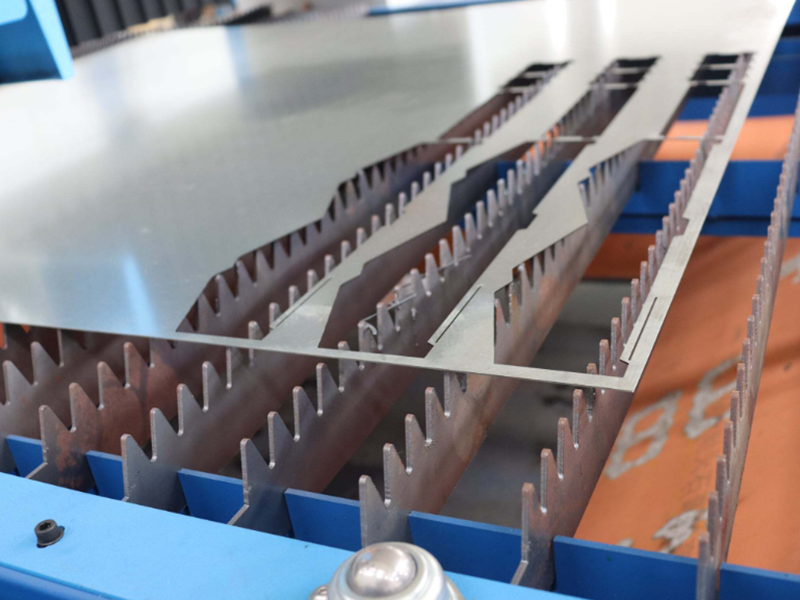
A Closer Look at Axis Vibration
Axis vibration is the shaking or oscillation that appears in the X, Y, or Z drive system during cutting. This instability gets in the way of the cutting head's smooth movement and pulls down both accuracy and surface finish.
Why It Matters during Production
Whenever this vibration shows up, it cuts into precision, pushes up the amount of wasted material, and may wear out the guides, motors, and drive parts faster.
What Drives Axis Vibration in Laser Cutting Machines
Fasteners and Connections That Have Come Loose
Loose screws, couplings, or the fasteners that hold the guide rails down are among the most common reasons. Even a very small gap in the mechanism can make the shaking worse when the machine moves fast.
Guide Rails or Bearings That Have Worn Down
When the linear guides or bearings are worn, the axis no longer travels smoothly. The uneven resistance they create turns into vibration whenever the machine speeds up or slows down.
Servo Settings That Are Out of Tune
When servo systems are set up incorrectly, they may overshoot or swing back and forth. Bad gain values are one of the biggest reasons for unstable axis movement.
The Base under the Machine Is Not Solid
If the machine sits on a surface that is weak or not flat, vibration from outside can travel into the frame and make the axis move unevenly while cutting.
Speed and Acceleration Set Too High
Very high cutting speed or acceleration can push the motion system past its limit, which leads to resonance and shaking in the axis.
Practical Ways to Reduce Axis Vibration
Step 1: Inspect and Tighten Mechanical Parts
My first move is to check each screw, rail mount, and coupling one by one. Tight mechanical connections are where any fix for vibration has to start.
Step 2: Check Linear Guides and Replace Worn Parts
When I see movement that is not even, I turn to the linear guides and bearings. Swapping in new parts gives the axis its smooth travel back.
Step 3: Optimize the Servo Parameters
Good servo tuning is a big part of the fix. I set the gain values carefully so that the oscillation stops without losing response.
Step 4: Level the Machine Base
I check that the machine stands on a base that is solid and level. This keeps outside vibration from reaching the system.
Step 5: Adjust Cutting Speed and Acceleration
Lowering speeds that are set too high usually settles the axis down, in particular on difficult cutting paths.
Keeping the Machine Stable Over Time
Following a Maintenance Routine
Checking the guides, motors, and fasteners on a set schedule stops vibration from ever reaching the production line.
Keeping Track of How the Machine Runs
Diagnostic tools and the monitoring systems built into the machine help you notice vibration early, before it gets worse.
A Steady Working Environment
Keep the machine away from heavy equipment that shakes, and away from floors that are not steady.
Frequently Asked Questions
What usually triggers Axis Vibration in a laser cutting machine?
Loose mechanical parts, guides that have worn down, and servo settings that are wrong are the usual culprits.
Is cutting quality affected by axis vibration?
Yes. It can produce cuts that lack accuracy, edges that are rough, and a larger share of rejected parts.
How often should vibration be looked into?
I suggest checking during the regular weekly maintenance and once more after any major change in production.
Is servo tuning needed to bring vibration down?
Yes. Setting the servo correctly is essential if the axis is to move both steadily and precisely.
Conclusion
Axis Vibration in Laser Cutting is a serious matter because it hits cutting accuracy and machine performance directly. By looking over the mechanical parts, keeping the linear guides in good shape, tuning the servo settings, and ensuring the machine has a solid base, you can shrink vibration problems a great deal. If you need more technical support or want to improve your laser cutting performance, feel free to contact the JUGAO team. I am always ready to help you make the machine more stable and boost production efficiency.

