





Làm thế nào để tránh hư hỏng sản phẩm hoàn thiện khi sử dụng máy uốn ống? Hướng dẫn kiểm soát chất lượng chuyên nghiệp
Việc ống bị vỡ (nứt, nhăn, trầy xước) là nguyên nhân chủ yếu gây phế phẩm đối với sản phẩm hoàn thiện. Để tránh hư hỏng, cần kiểm soát một cách hệ thống ở ba khía cạnh: vật liệu, khuôn và quy trình.
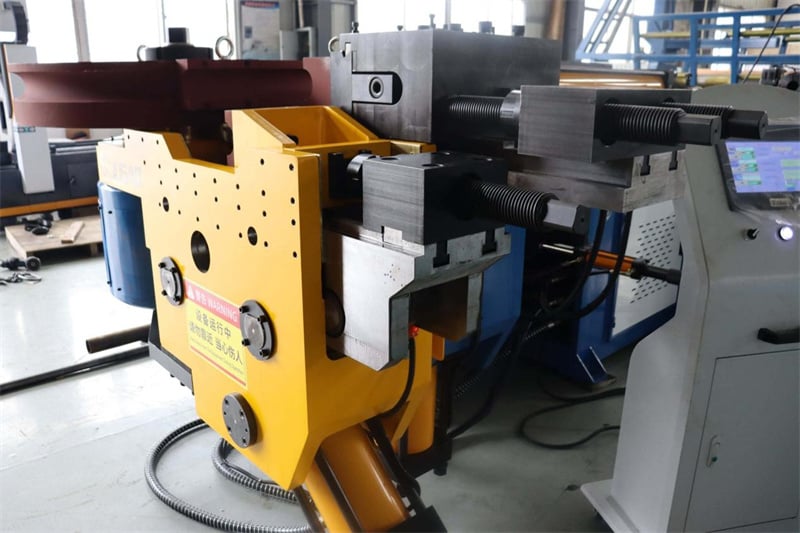
1. Ngăn ngừa nứt do uốn (nứt kéo bên ngoài)
Đảm bảo bán kính uốn R/D ≥ 3 (giá trị lớn hơn dành cho ống thành mỏng)
Sử dụng ống có độ giãn dài ≥ 20%; thép cường độ cao có thể uốn sau khi ủ.
Tránh đặt mối hàn của ống hàn vào vùng chịu kéo (đặt ở lớp trung hòa hoặc mặt trong).
Độ mở rộng chính xác của lõi uốn (0,5–1,5 mm trước điểm tiếp tuyến).
2. Ngăn ngừa nhăn bên trong
Khe hở giữa chày chống nhăn và chày uốn phải đủ để một tờ giấy A4 có thể trượt dễ dàng giữa chúng.
Phải sử dụng lõi uốn đầu bi đối với các ống thành mỏng hoặc các góc uốn bán kính nhỏ.
Giảm tốc độ uốn để tránh tích tụ vật liệu.
Tăng hợp lý độ dày thành ống hoặc sử dụng vật liệu cứng hơn.
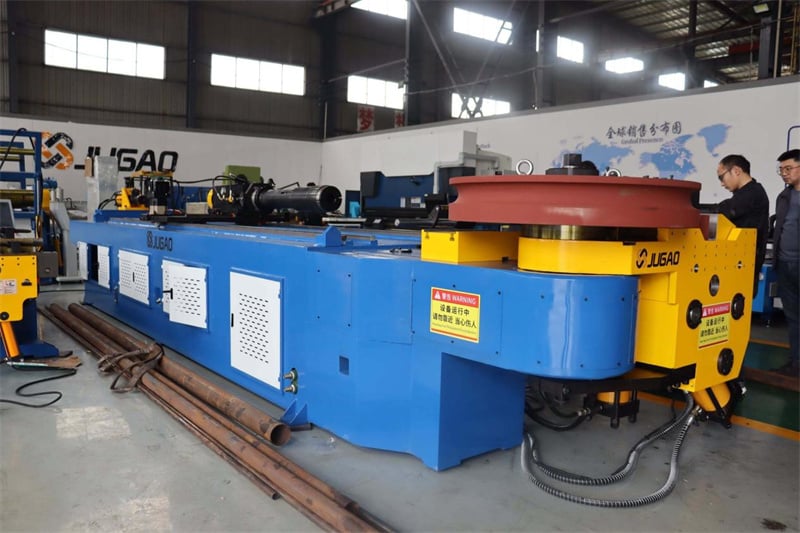
3. Ngăn ngừa trầy xước bề mặt
Giữ rãnh chày sạch sẽ, thường xuyên đánh bóng và loại bỏ gỉ sét.
Bôi dầu uốn chuyên dụng (lên chày uốn, lõi uốn và chày chống nhăn).
Lực kẹp phải đảm bảo ống không bị trượt; tránh siết quá chặt gây biến dạng hoặc vết lõm.
Loại bỏ các gờ thừa và vụn kim loại khỏi phôi ống trước khi uốn.
4. Ngăn ngừa biến dạng mặt cắt ngang (bẹp)
Kiểm tra xem thông số của lõi uốn có phù hợp với đường kính ống hay không
Tránh bán kính uốn quá nhỏ (R/D < 2,5, rủi ro cao)
Độ sâu rãnh khuôn uốn phải khớp với đường kính ngoài của ống ít nhất 85%.
5. Kiểm chứng quy trình và kiểm soát chi tiết đầu tiên
Phải thực hiện thử nghiệm uốn chi tiết đầu tiên sau mỗi lần thay khuôn hoặc thay vật liệu.
Sử dụng thước đo góc, thước kẹp và thước đo bán kính (R-gauge) để kiểm tra toàn diện.
Ghi lại các thông số thành công (áp lực, tốc độ, vị trí lõi uốn) và chuẩn hóa quy trình.
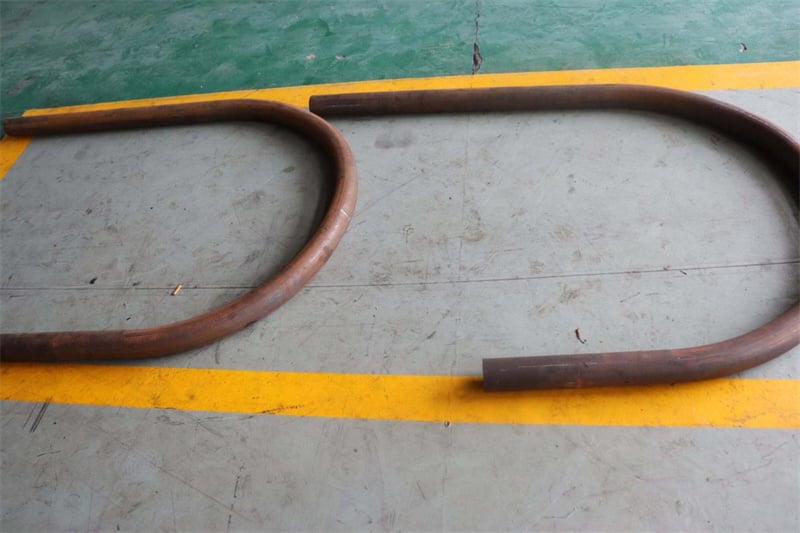
Hư hỏng bắt nguồn từ sự tập trung ứng suất và thiếu hỗ trợ — việc lựa chọn khuôn phù hợp, sử dụng lõi uốn đúng loại, đảm bảo bôi trơn đầy đủ và thực hiện kiểm tra chi tiết đầu tiên sẽ giúp nâng tỷ lệ sản phẩm đạt yêu cầu lên trên 99%.

