





Kaynak Mancınığı için Su Soğutması mı Yoksa Hava Soğutması mı Seçilmelidir?
Kaynak, aynı zamanda eritme kaynağı olarak da bilinir; metal veya plastik gibi diğer termoplastik malzemeleri ısıtma, yüksek sıcaklık veya yüksek basınç uygulayarak birleştiren bir üretim süreci ve teknolojidir. Kaynak mancınığı, kaynak işlemini gerçekleştirir ve mancınığın aşırı ısınmasını önlemek için soğutulması gerekir. İki soğutma yöntemi vardır: hava soğutması ve su soğutması.
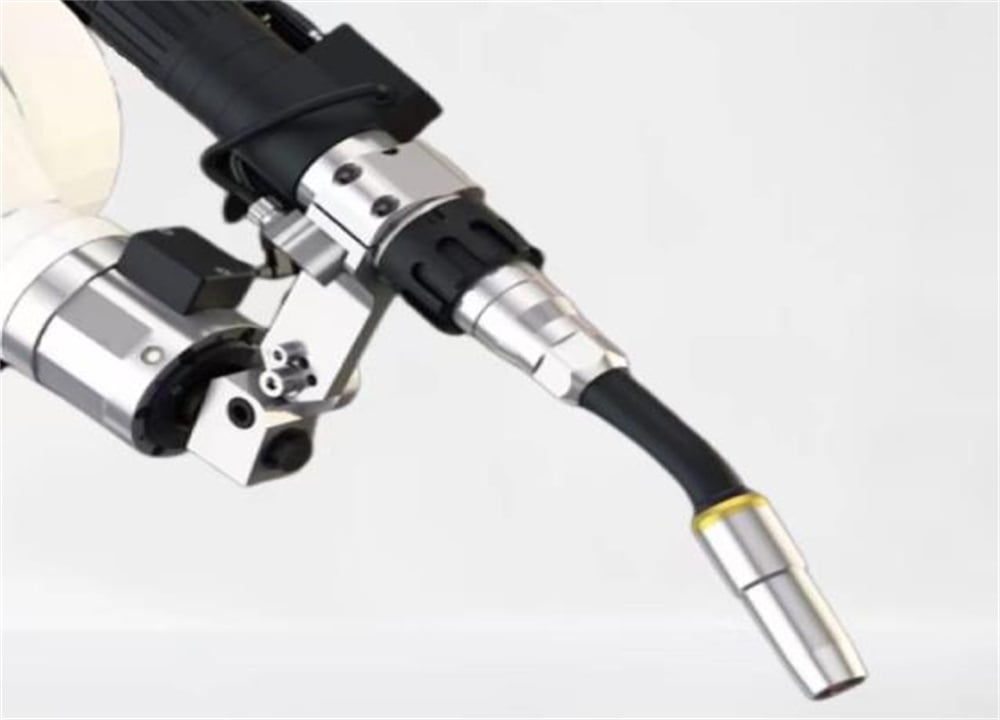
Su soğutma
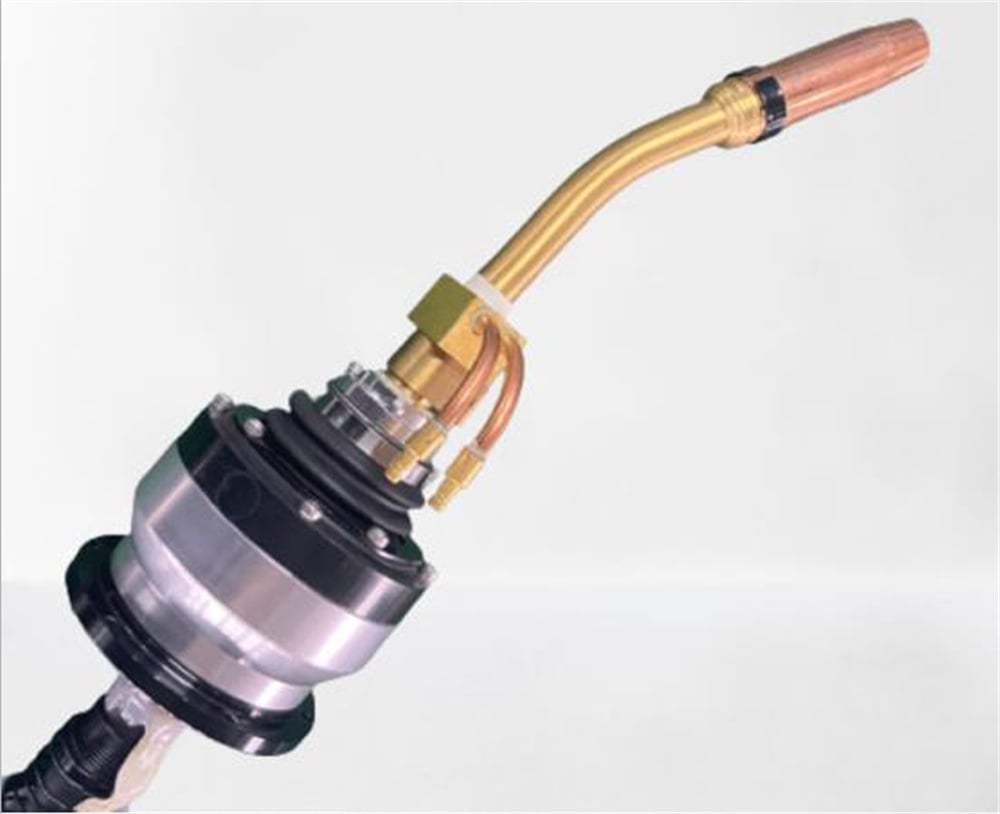
Su soğutmalı kaynak torçları, torçu soğutmak için dolaşan suyu kullanır. Bir su dolaşım sistemi, torcun boyun kısmındaki ısıtma elemanına soğutucu akışkanı iletir, ısıyı emer ve ardından soğutulmak üzere su deposuna geri gönderir. Su soğutmalı kaynak torçları daha yüksek güç sağlar ve büyük, kalın metal parçaların sürekli kaynak işlemi için uygundur; ayrıca oldukça verimlidir ve %100 çalışma devri (duty cycle) sağlar. Dayanıklıdır ve mükemmel ısı dağıtımına sahiptir. Ancak su soğutmalı kaynak torçları genellikle hava soğutmalı kaynak torçlarından daha pahalıdır.
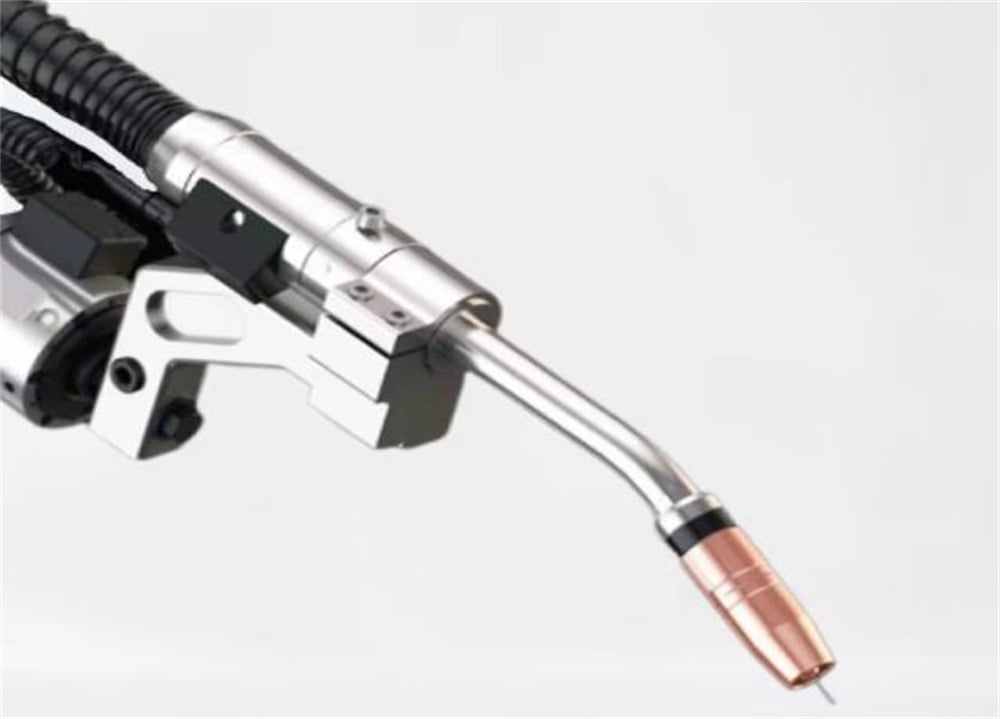
Hava Soğutma
Düşük sıcaklıklı gaz, kaynak torcu arka kısmından enjekte edilir. Gaz, memeden dışarı atılarak kaynak sırasında oluşan ısıyı uzaklaştırır ve aynı zamanda torcu soğutur. Daha hafif hava soğutmalı kaynak torçları, düşük akım ve düşük kaynak yoğunluğunda ince parçaların kesintisiz olmayan kaynak işlemlerinde kullanılmaya uygundur. Yüksek hassasiyete sahip olmaları ve küçük ısı etkilenim bölgesine sahip olmaları ile dikkat çekerler. Ancak hava soğutmalı kaynak torçları yüksek akımlar için uygun değildir ve daha çok düşük akımlı kaynak işlemlerinde tercih edilir.
Nasıl seçilir
I. Fiyat
Su soğutmalı kaynak torçları, hava soğutmalı torçlara kıyasla ortalama %50 daha pahalıdır. Ayrıca su soğutma sistemi kurulumu ek maliyetler gerektirir ve kaynak torcu tüketim parçası olduğu için sürekli işletme maliyetlerinin bir parçasını da oluşturur.
II. Kaynak Akımı
Genellikle kaynak akımı 180 A'den düşük olduğunda ve kaynak kesintili yapıldığında hava soğutmalı bir kaynak tabancası seçilebilir. Robotik kaynak sırasında akımdan kaynaklanan ısı, tabanca etrafındaki hava konveksiyonuyla soğutulur ve bu da meme ucunun aşırı ısınmadan dolayı zarar görmesini önler. Ancak kaynak akımı 180 A'yi aştığında, yüksek akımdan kaynaklanan ısı, kaynak tabancasının çevresindeki hava konveksiyonuyla hızlıca soğutulamaz. Bu durumda, dolaşım sistemiyle çalışan su soğutmalı bir kaynak tabancası kullanılabilir. Ayrıca, yüksek güç gerektiren endüstriyel tungsten gazaltı ark (TIG) kaynak tabancaları daha karmaşık su soğutmalı tasarımlar kullanır. Su soğutma, tungsten elektrot gibi hassas bileşenlerde aşınmayı azaltır ve böylece daha kararlı bir ark kolonu sağlanır. Bu, daha kalın iş parçalarının kaynak edilmesi ve sürekli yüksek akımla kaynak yapılması için uygundur.
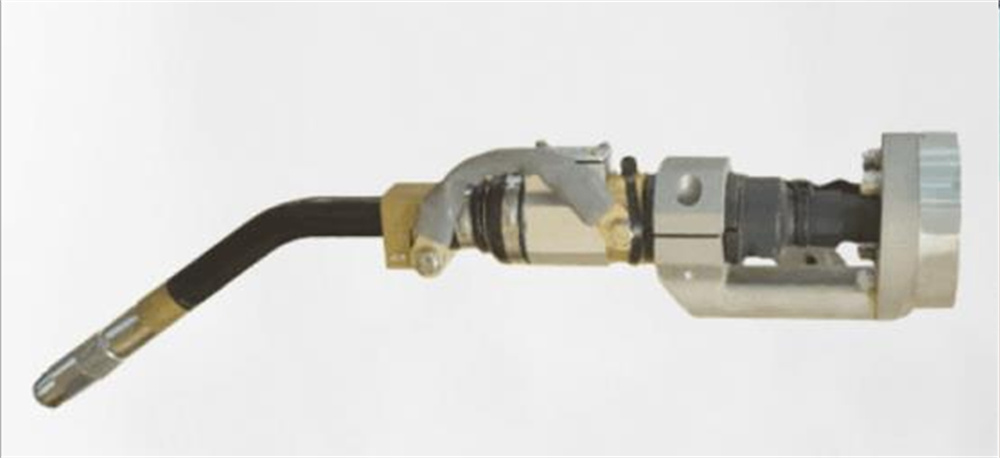
Şu anda JUGAO, havayla soğutmalı iki tip kaynak tabancası kullanmaktadır: JUGAO tabancası ve Global tabancası. JUGAO tabancası, JUGAO tarafından bağımsız olarak geliştirilmiş ve üretilmiştir; yüksek dayanımlı, burulmaya dayanıklı ve aşınmaya dirençli kablolar ile yüksek kaliteli bakır tel çekirdeklerden oluşur ve patentli çarpma önleme teknolojisine sahiptir. Çarpma önleme cihazı hızlı çalışır ve yüksek tekrarlanabilirliğe sahiptir. Global tabancası markası, tanınmış bir Çin markasıdır; ISO-9001:2000 uluslararası kalite belgesi ve ulusal CCC belgesini başarıyla almıştır ve çoğu kaynak ihtiyacını karşılar.
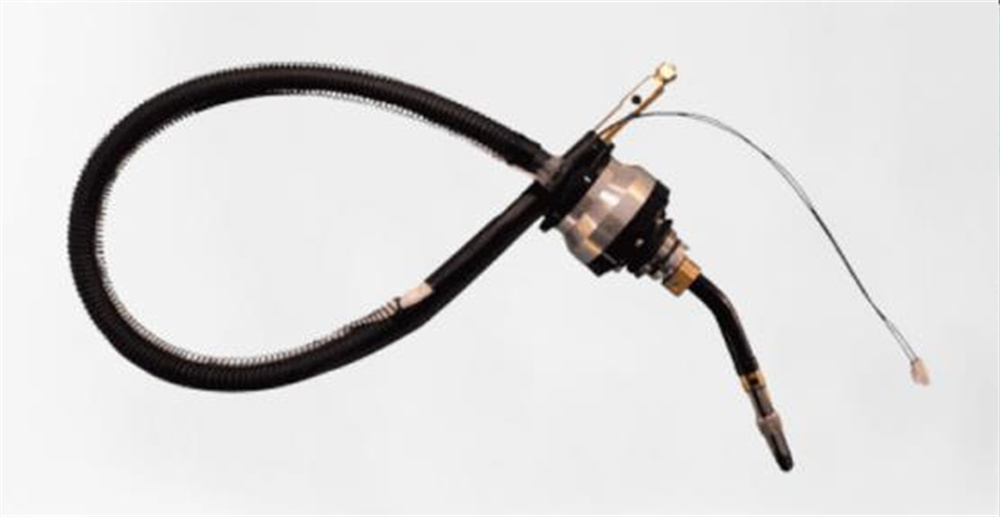
Büyük ve kalın metal parçaları kaynaklarken, kaynak tabancasını soğutmak için su soğutması kullanın. JUGAO, Global, Telma ve Apollo gibi markalara ait kaynak tabancaları mevcuttur. Alternatif olarak müşteriler, ihtiyaçlarına göre belirli bir kaynak tabancası markası seçebilirler.
JUGAO, Çin'de öncü bir endüstriyel robot üreticisidir ve müşterilere verimliliği ve ürün kalitesini artırmalarına yardımcı olacak kapsamlı bir robot ürün yelpazesi sunar. Gelişmiş teknolojiden yararlanarak JUGAO, müşterilerinin akıllı dönüşüm ve yükseltme süreçlerini gerçekleştirmelerini gerçekten destekler.

