





How Do Punching Machines Work in the Mining Industry?
For a mining operation, toughness and throughput often make the difference between profit and loss. Presses tailored to mining sit at the center of shaping, piercing, and finishing the heavy metal parts found in conveyor lines, drilling platforms, and ore-treatment machinery. If you want to see how these presses run and why they are indispensable at mine sites, you have found the right article. I cover how they operate, the setup routine, their main uses, useful fixes for common faults, and the questions buyers often ask. Once you finish, you will know how punching equipment supports mining by economizing on time, trimming labor, and holding quality steady.
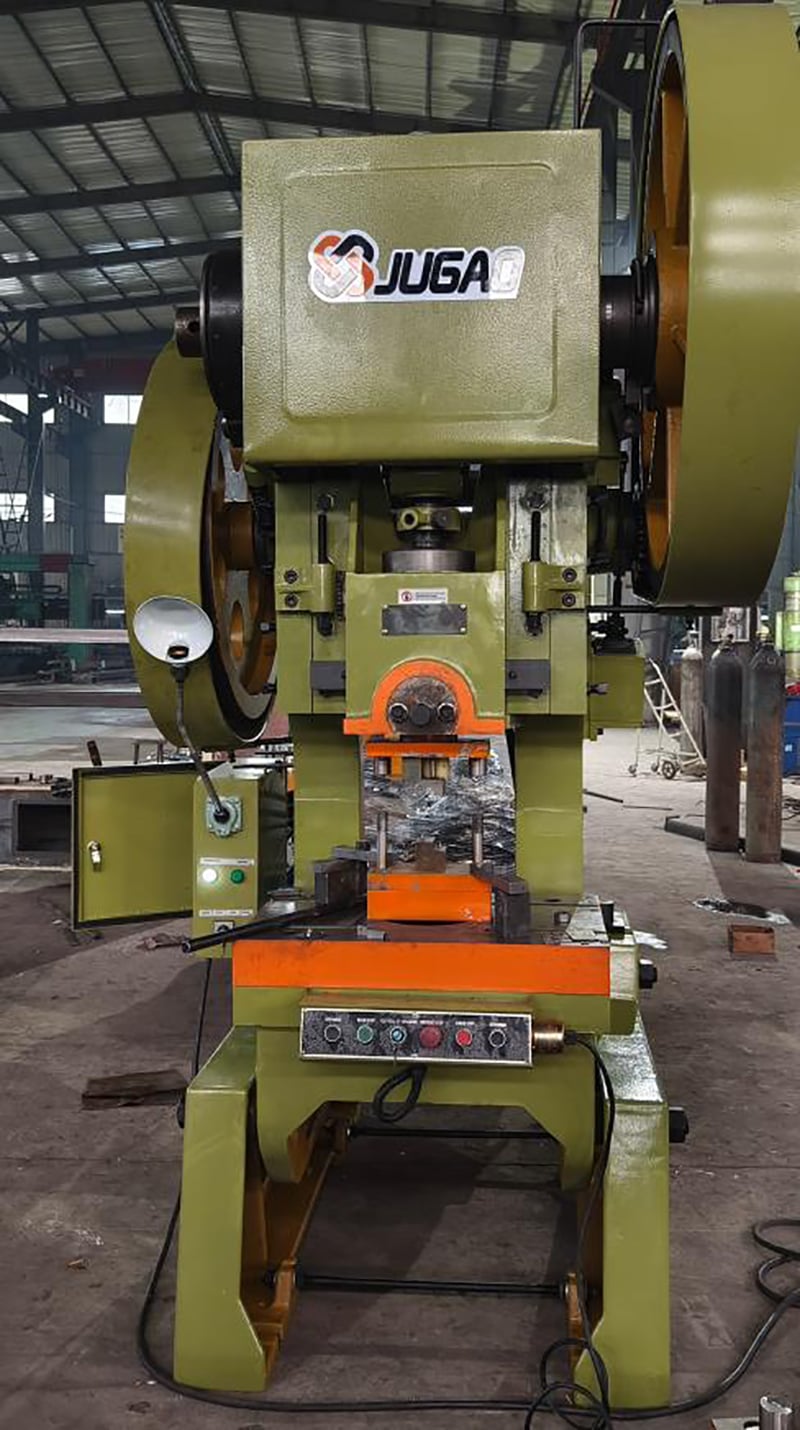
How Punching Equipment Performs in Mining
A punching press drives its punch through the metal using hydraulic or mechanical power, cutting holes, slots, or outlines to match the drawing. Inside mining, those punched pieces uphold the strength and function of heavy gear. The workflow runs from preparing material all the way to handing over a finished part.
Step 1 - Prepare the Work Material
Begin by confirming that the sheet or plate has the proper thickness and strength. Mining routinely relies on wear-resistant steel or alloys built to survive rough surroundings. A level, clean surface keeps the punching accurate.
Step 2 - Set Up the Punching Die
The die needs to fit the hole size and layout you want. Mining parts often call for large or strengthened dies, since the metal is thick and stubborn. Correctly centering the die with the punch yields even results and protects the tools from premature wear.
Step 3 - Calibrate Punching Force
Mining-grade metal demands a strong punching force. Hydraulic systems let the operator dial the tonnage to fit the material. Setting the machine right stops the sheet from bending while still producing a smooth punch.
Step 4 - Operate the Control System
Today's presses include CNC control for repeatable accuracy. The operator programs the desired patterns, and the machine handles the repeated punching by itself. That lifts efficiency and suppresses mistakes, both vital when mining parts are made in bulk.
Step 5 - Quality-Inspect the Components
After punching wraps up, each part should be examined for burrs, cracks, or poor alignment. Quality checks matter greatly in mining, since a defective piece can trigger downtime or machine failure in demanding settings.
Where Mining Firms Put Punching Machines to Work
Conveyor Belt Structures
Presses see heavy use in making the bolt openings that fasten conveyor frames and fittings together. The stamina of these punched parts keeps ore moving cleanly through the mine.
Drilling Rig Components
From mounting brackets to protective casings, punching machines shape a good share of drilling rig parts. Exact punching lets those components absorb continuous shaking and high pressure.
Ore Processing Equipment
Screening plates, filters, and guards inside ore plants often need perforated layouts. Punching machines turn these out quickly, helping mineral sorting and refining run well.
Fixing Common Faults in Mining Punching Equipment
Handling Misalignment Issues
When the punch and die sit out of line, the holes can turn out uneven. Keeping to a regular calibration and tool check prevents this problem before it starts.
Dealing with Material Cracks
Hard mining steel can split during punching if the force settings are wrong. Tune the hydraulic pressure to match the metal's thickness every time.
Extending Tool Life
Punching tools lose their edge sooner on hard alloys. Steady lubrication and a set schedule for swapping dies lengthen tool life and protect part quality.
Frequently Asked Questions
How are mining punching presses different from standard ones?
They are built with greater tonnage and tougher tooling, so they manage the thick, wear-resistant metals common in mining equipment.
Can CNC presses handle custom mining parts?
They can. CNC control allows the operator to program intricate hole layouts and part profiles, covering both regular and bespoke mining jobs.
How often should a mining punching machine be serviced?
Service it every 300 to 500 hours of running time. That involves lubrication, die checks, and hydraulic system inspection to keep unplanned stoppages away.
Does punching beat drilling for mining equipment parts?
For repeated hole patterns and big batch sizes, punching outpaces drilling in speed and cost, especially on sheet or plate metal.
Conclusion
Mining presses are essential for turning out the durable, accurate, and economical parts that keep operations moving. From conveyor lines to ore-treatment equipment, these machines ensure critical components reach the highest levels of strength and dependability. Apply sound setup, calibration, and upkeep, and you will get the most from your press with less downtime. If you plan to add advanced punching capacity to your mining site, feel free to contact the JUGAO team for expert guidance and tailored recommendations.

