





Repair vs. Maintenance for Pipe Bending Machines: What’s the Real Difference?
When a pipe bending machine begins to lose precision, experiences frequent downtime, or produces bends with poor consistency, the common reaction is: "It’s time for repairs." In reality, however, the machine may not actually require repairs—it simply hasn't received proper maintenance.
While both repair and maintenance aim to keep a machine running correctly, they differ significantly in terms of their underlying logic, timing, and costs. Understanding this distinction can help you minimize downtime and avoid unnecessary expenses.
Maintenance is proactive; repair is reactive.
Maintenance is a planned, routine activity. It involves performing lubrication, cleaning, inspection, and calibration while the machine is still operating normally. The goal is to prevent issues from arising, rather than waiting for problems to occur before taking action.
Repair, by contrast, is a corrective measure taken after a failure has already happened. Whether it’s a servo alarm, a leaking hydraulic cylinder, a faulty sensor, or a broken mandrel—the machine has stopped, production is interrupted, and repairs become unavoidable. Repair is reactive; there is no other choice.
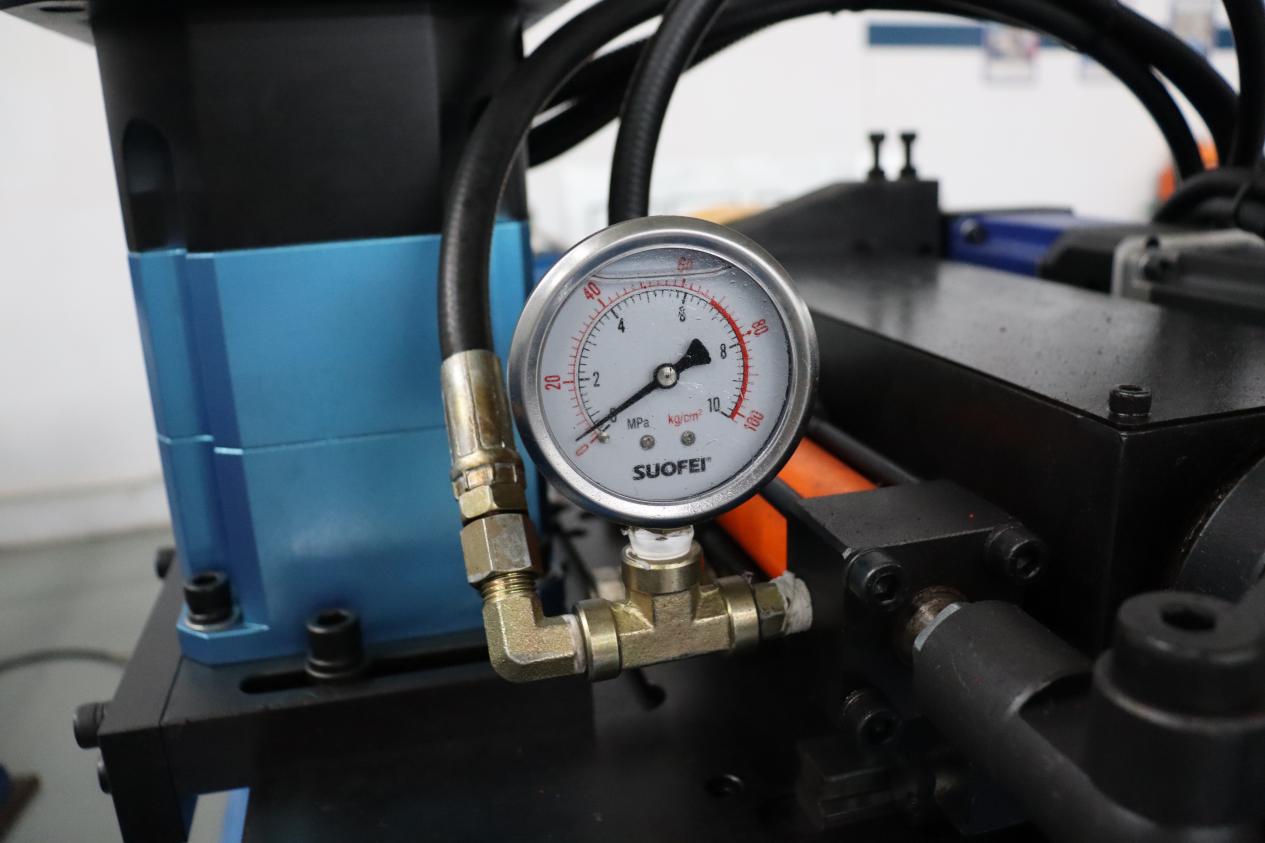
What maintenance entails versus what repair entails
Routine maintenance tasks include checking lubrication points, cleaning guide rails, verifying clamping pressure, calibrating sensors, checking encoder signals, and confirming proper die alignment. While these tasks take little time, they prevent excessive wear on critical components such as mandrels, bending arms, and servo systems.
Repair addresses failures that have already occurred: replacing damaged parts, reconfiguring control parameters, fixing hydraulic leaks, or swapping out faulty sensors. While repairs get the machine running again, they do not address the root cause. If maintenance remains neglected, fixing one issue will only lead to another popping up elsewhere.
The difference in costs and downtime is significant.
Maintenance costs are predictable and relatively low. Expenses for routine tasks—such as oil changes, filter replacements, and lubrication—can be factored into the budget in advance.
Repair costs, by contrast, are often significantly higher. They may involve expedited shipping for spare parts, travel expenses for external technicians, and—most critically—production losses due to downtime, which frequently exceed the actual cost of the repairs themselves. Unplanned repairs disrupt production schedules, delay deliveries, and drive up labor costs.
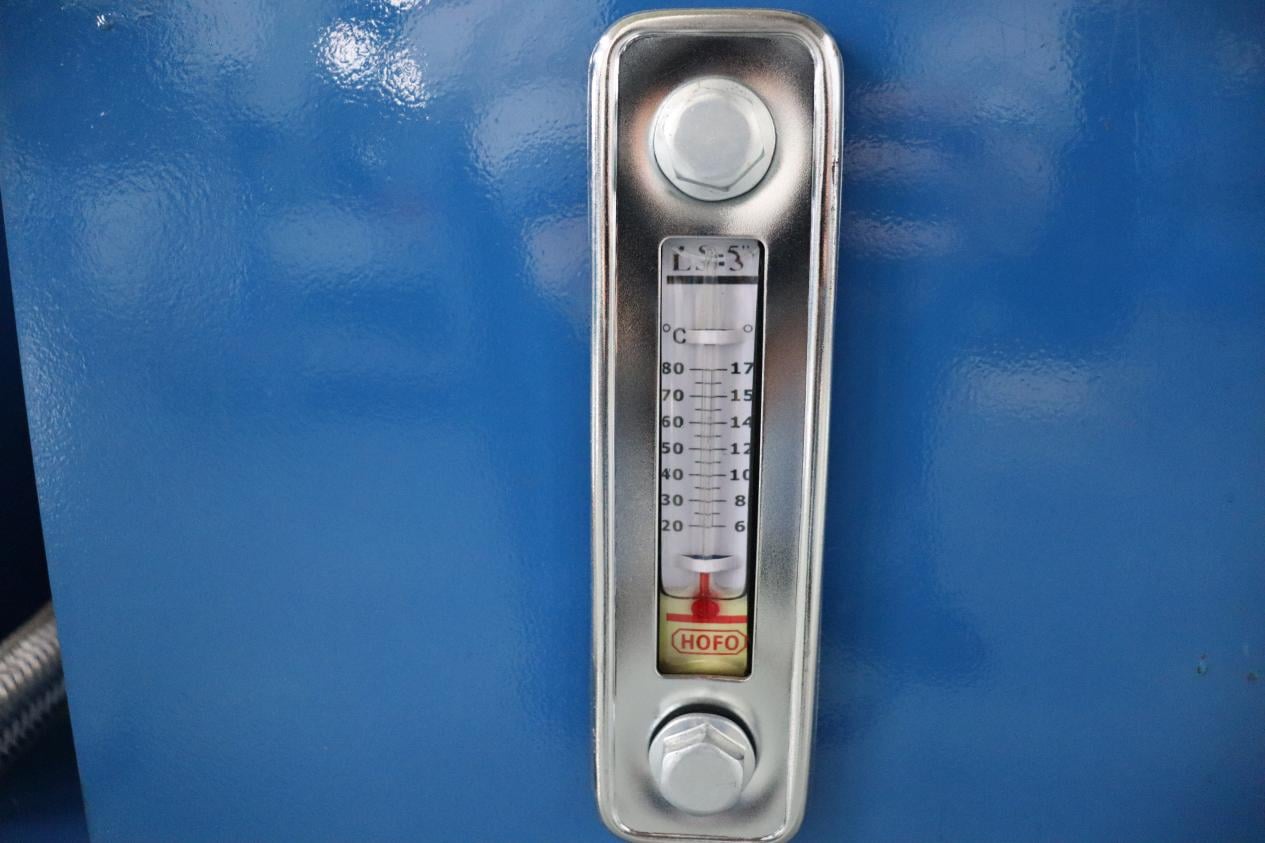
The impact on machine performance also differs.
Regular maintenance preserves bending accuracy, repeatability, and system stability. By keeping the machine operating under controlled conditions, wear is minimized, and precision is maintained for a longer period.
Repairs, however, only restore basic functionality. If wear has accumulated over time, the machine may not return to its original, pristine state even after repairs are completed. Issues such as a loss of precision or increased mechanical clearance cannot be fully resolved simply by replacing a single part.
How to Determine Whether Maintenance or Repair Is Needed
If you notice a gradual decline in precision, increased noise, higher energy consumption, or unstable clamping pressure—these are typically progressive warning signs that can be addressed through maintenance. By taking action early, you can prevent these issues from escalating into full-blown breakdowns.
Conversely, sudden error alarms, a complete loss of axis movement, significant hydraulic fluid leaks, or the loss of sensor signals are clear indicators that repairs are required. In such cases, the equipment should be shut down immediately to prevent further damage.
Effective Maintenance Leads to Fewer Repairs
The relationship is straightforward: the frequency and quality of maintenance directly dictate the frequency and severity of repairs. A structured maintenance plan allows for the early detection of wear and the correction of minor deviations, preventing small problems from evolving into major failures. This ensures longer uptime, maintains component integrity, and reduces the burden on both operators and maintenance teams.
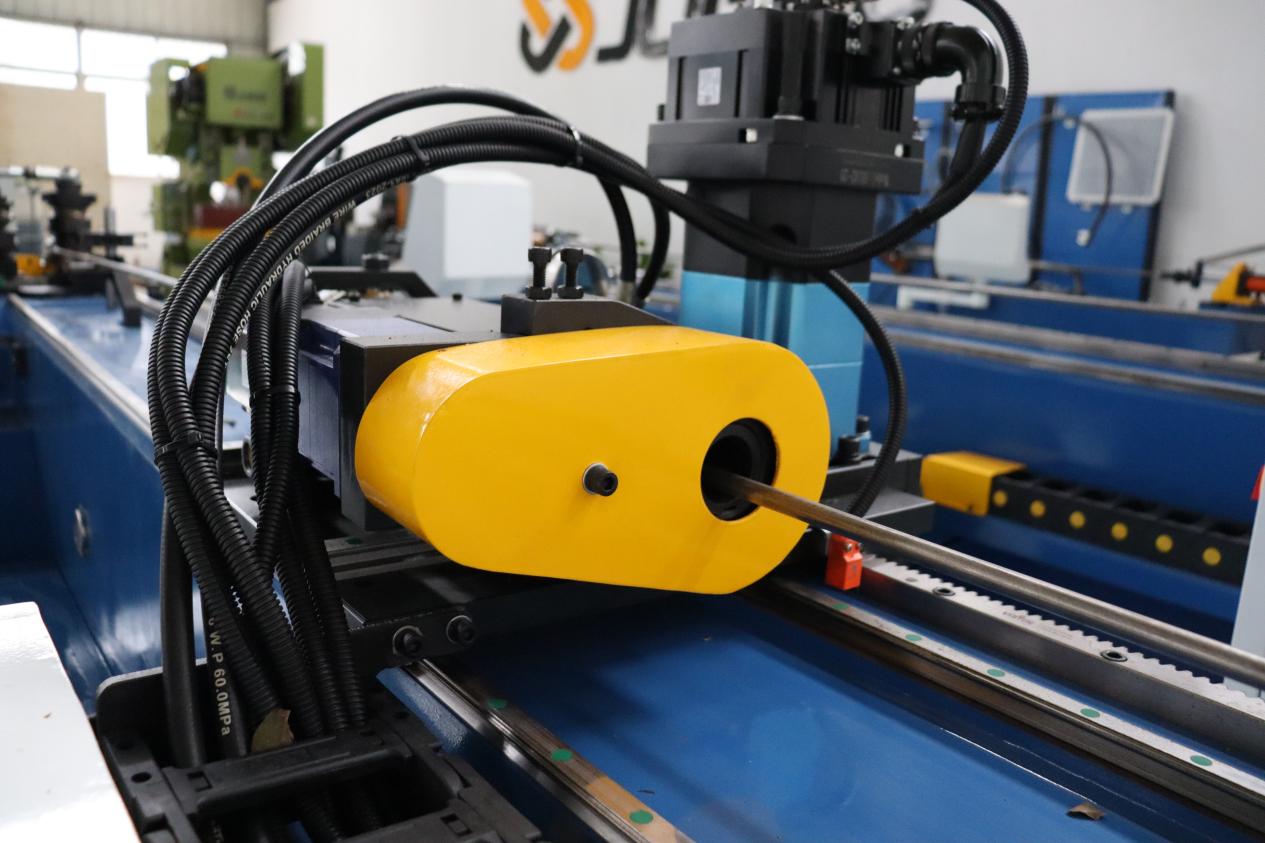
Conflating maintenance with repair leads to a state of constant, reactive "firefighting." Proper maintenance ensures consistent machine precision, a longer service life, and smooth production; repair, by contrast, serves only as a last resort when an inevitable breakdown occurs. Establishing a sound maintenance plan is far more cost-effective than scrambling for solutions every time a problem arises.

