




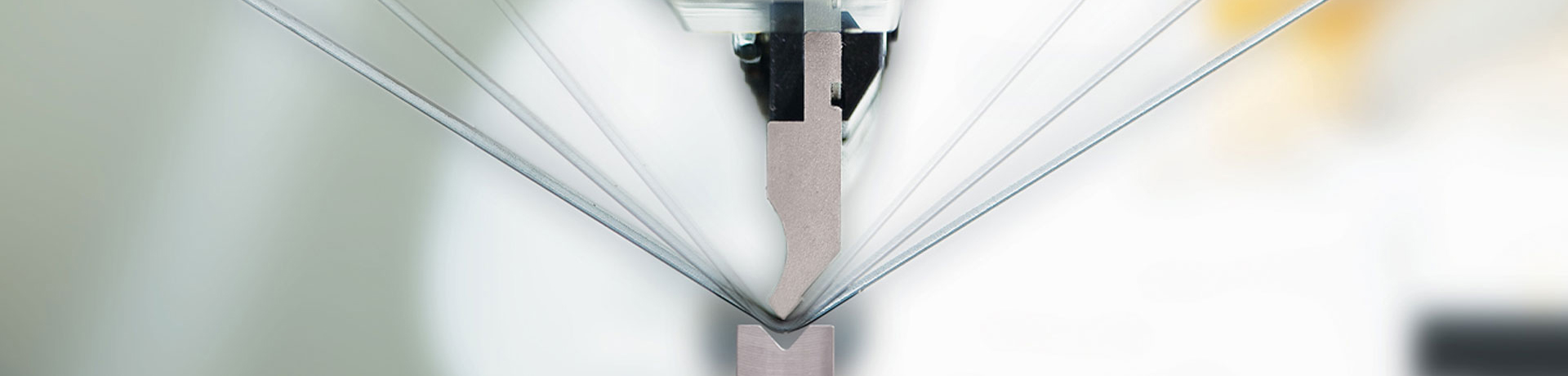
Шта узрокује брботине на површини цеви након што је обрађена машином за савијање цеви?
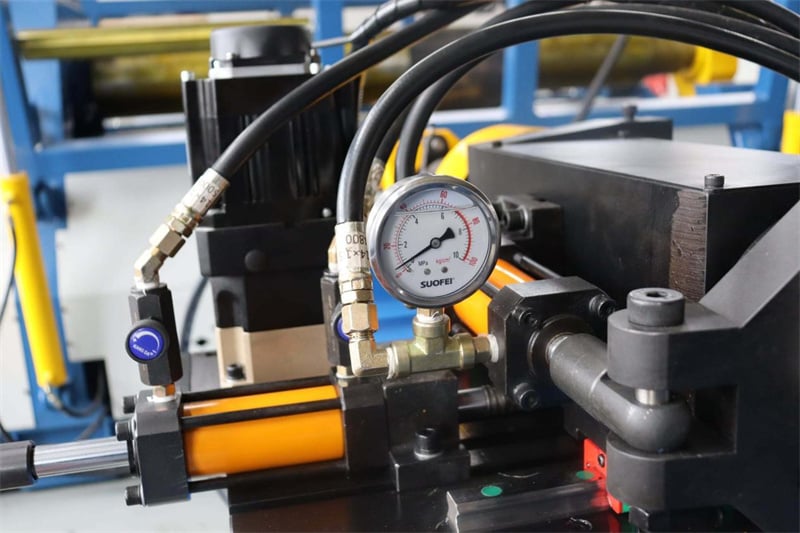
Валовите брдице на унутрашњости савијања цеви су један од најчешћих квалитетних дефеката у савијању цеви. Убркине не само да утичу на изглед цеви већ и смањују дебљину саднице цеви и ослабе њену структурну чврстоћу. Следећа анализа испитује главне узроке и решења из три димензије: процеса, калупа и материјала.
1. у вези са Неисправна подешавање анти-брбне матрице
Узрок: Растојање између антибрданог и савијачког штампа је превише велико, што доводи до тога да унутрашња страна цеви губи ефикасну подршку, што доводи до нестабилности материјала и брда под притиском.
Решење: Поправите антибрбну штипачку тако да се чврсто уклапа у жлеб савијачке штипачке. Простоја треба да буде таква да лист папира А4 може да се клизне дуж ње без олакшавања. Такође, проверите да ли је предња ивица анти-брдачке матрице у складу са тагентној тачком савијачке матрице.
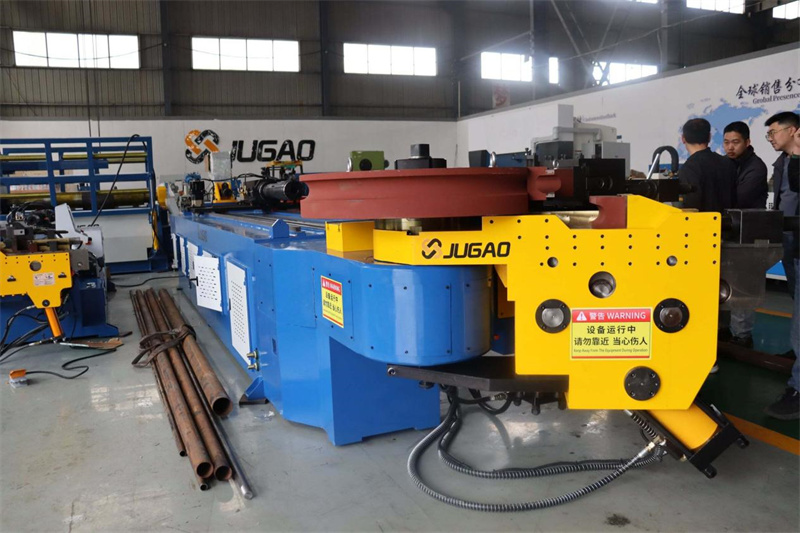
2. Уколико је потребно. Некористети мандрил или погрешно постављен
Узрок: за цеви са танким зидовима или завијама малог радијуса (р/д≤3), не користи се мадрила, или је продужење мадрила недовољно, или је глава кугле распоређена превише уназад, што доводи до тога да унутрашња страна завоја губи унутрашњу подршку.
Решење: Изаберите топлоглавну мастерну или круту мастерну у складу са пречником цеви и дебљином зида и подесите положај продужења мастерне на 0,5-1,5 мм пре тагентне тачке савијања.
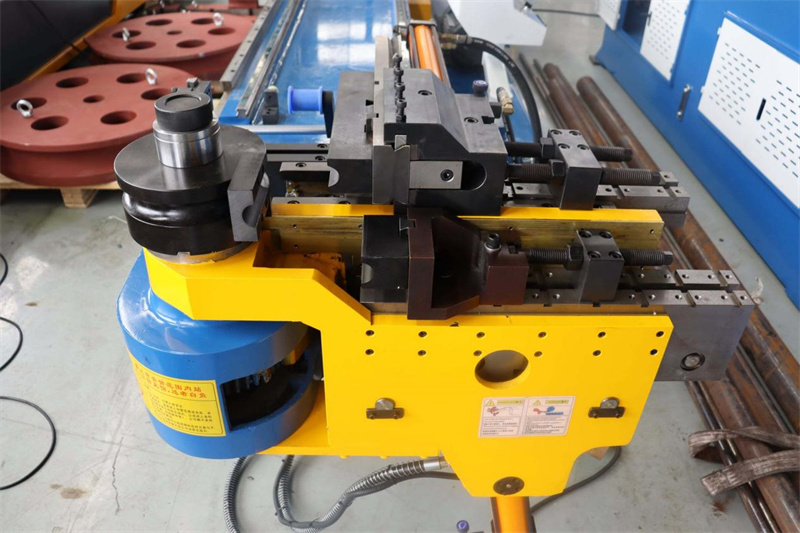
3. Уколико је потребно. Недостатан радиус савијања
Узрок: Однос радијуса центра савијања (р) према спољашњем дијаметру цеви (д), р/д, је сувише мали (обично испод 2,5-3 пута), што прелази границу стабилности компресије материјала.
Решење: Повећајте радијус савијања или користите цев са дебљим зидовима. Ако је потребно савијање малог радијуса, треба користити комбиновани процес са матрицом, анти-брдицом и средством за попуњавање (као што је пруга за савијање).
4. Уколико је потребно. Тнак тубови или меки материјал
Узрок: Тенији зидови имају мање отпорности на нестабилност. Меки материјали (као што су нагревани бакар или алуминијум) склони су брдању на страни компресије.
Решење: Замените га густијом цевом или употребите чврстији материјал. За меке материјале, одговарајуће смањити брзину савијања како би се смањила неравномерност протока материјала.
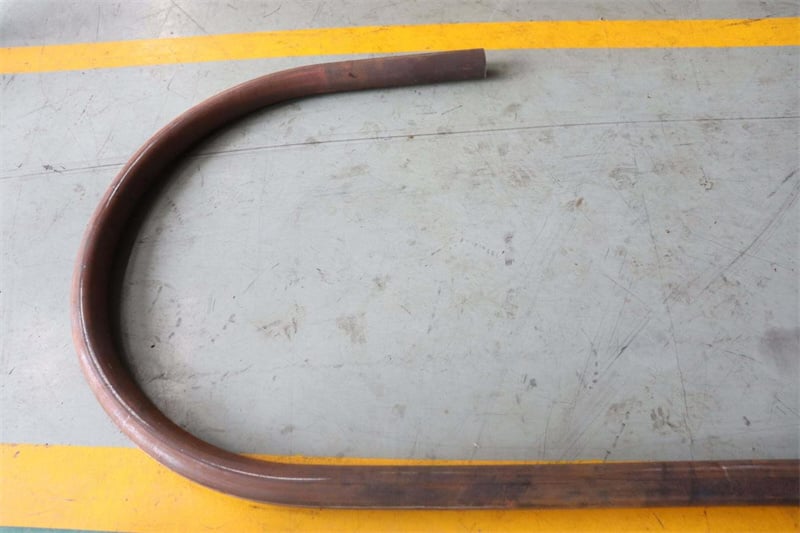
5. Појам Превише брзина савијања
Узрок: Превише углова брзина савијања спречава материјал унутар цеви да се стабилизује и тече, што доводи до брзе локализоване брда.
Решење: Сманите брзину савијања, посебно на почетку процеса савијања. За ЦНЦ машине за савијање цеви, крива која мења брзину може се поставити на ниску брзину за почетно савијање, константну брзину у средини и ниску брзину за коначно савијање.
6. Уколико је потребно. Износ или лоша површина
Узроци: Одржавање или акумулирање шпикова и рђа на радним површинама савијача и антибрдачког шпица доводи до неравномерног тријања, а локалне разлике отпора изазивају брде.
Решења: Проверите површину штампе, поправите или замените издржене штампе. Чистите матрицу и нанесете посебно уље за савијање цеви како бисте одржали адекватно подмазивање.
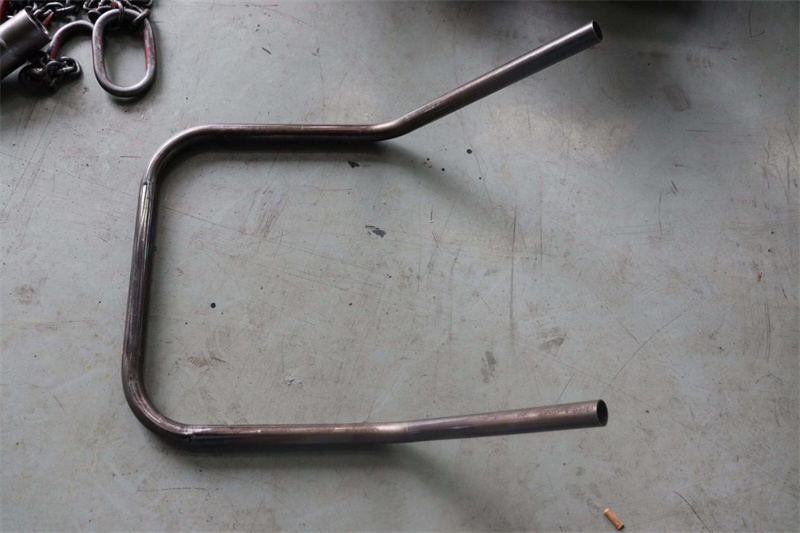
7. Недостатак снаге за заплене или ексцентричности
Узроци: Недостатан притисак за запртњавање или погрешна уравњавање између запртњавања и савијања, што доводи до клизгања или померања цеви током савијања, што резултира неравномерном силом на унутрашњој страни.
Решења: Проверите притисак за запртљање цилиндра како бисте се уверили да достиже постављену вредност. Калибрирајте тачност усклађивања запленке и савијача.
Брз приступ решавању проблема
Када се појаве брдице, проверите у следећем редоследу:
1. у вези са Проверите просветљење анти-брбљине → 2. Потврдите положај мадрила → 3. Прорачунати да ли је Р/Д сувише мала → 4. Проверите дебљину зида и стање материјала → 5. Испит на смањене брзине савијања → 6. Проверите зној и марење.
Већина проблема са бркавицама произилази из два главна узрока: недовољне подршке и нестабилности компресије. Уколико се идентификује корен проблем ће се ефикасно решити.

