





Servo-Driven Electro-Hydraulic Synchronous Press Brake: The Top Choice for Smart Sheet Metal Manufacturing
In the realm of modern sheet metal manufacturing, the servo-driven electro-hydraulic synchronous press brake has become a core piece of equipment that determines both machining precision and production efficiency. As industries such as automotive, aerospace, and new energy demand increasingly higher standards for formed metal parts, traditional bending equipment often struggles to meet precision requirements under complex operating conditions.
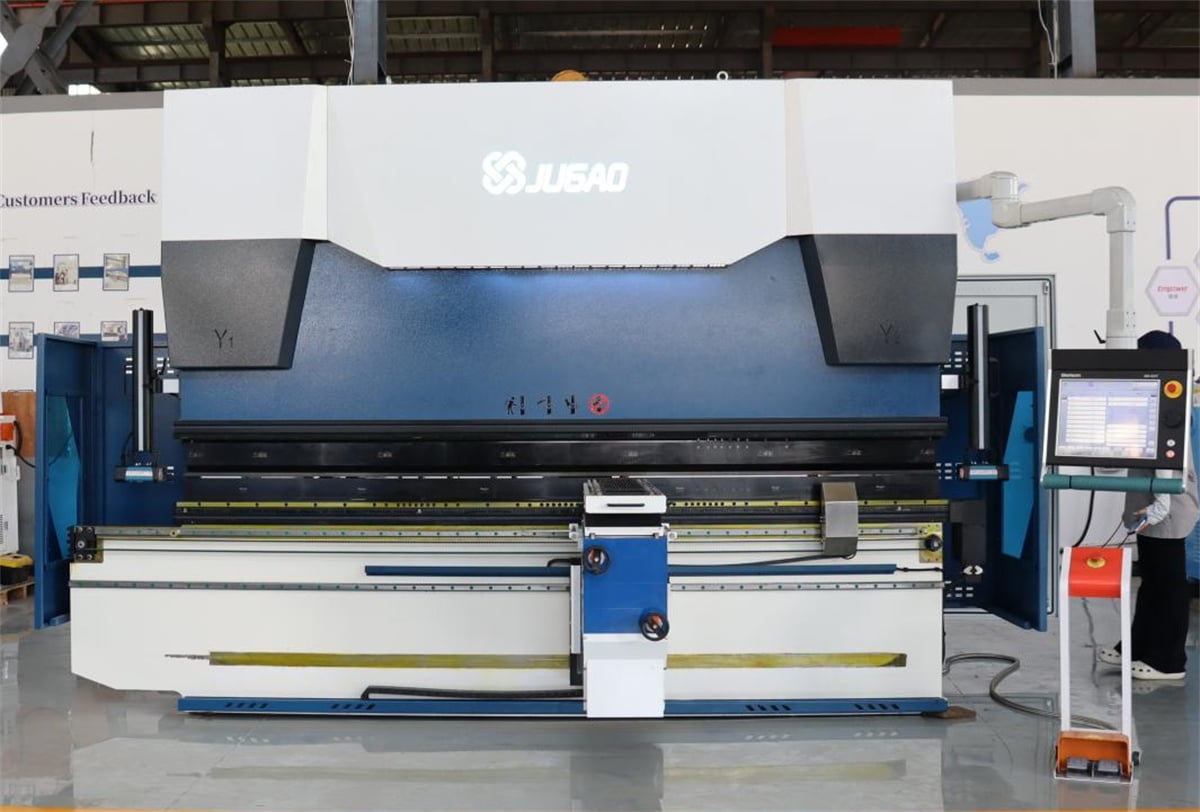
I. What is a Servo-Driven Electro-Hydraulic Synchronous Press Brake?
A servo-driven electro-hydraulic synchronous press brake is a CNC bending machine that utilizes a servo motor to drive the hydraulic system, achieving synchronized vertical movement of the ram (or slide). Unlike traditional torsion-bar synchronous press brakes, this type uses electro-hydraulic servo valves to control the flow and pressure of the cylinders on both sides in real-time, ensuring the ram maintains high-precision synchronization throughout its entire stroke. Typically equipped with a CNC system capable of automatically calculating bending force, compensating for deflection, and storing multiple processing programs, it is also commonly referred to as an electro-hydraulic synchronous CNC press brake.
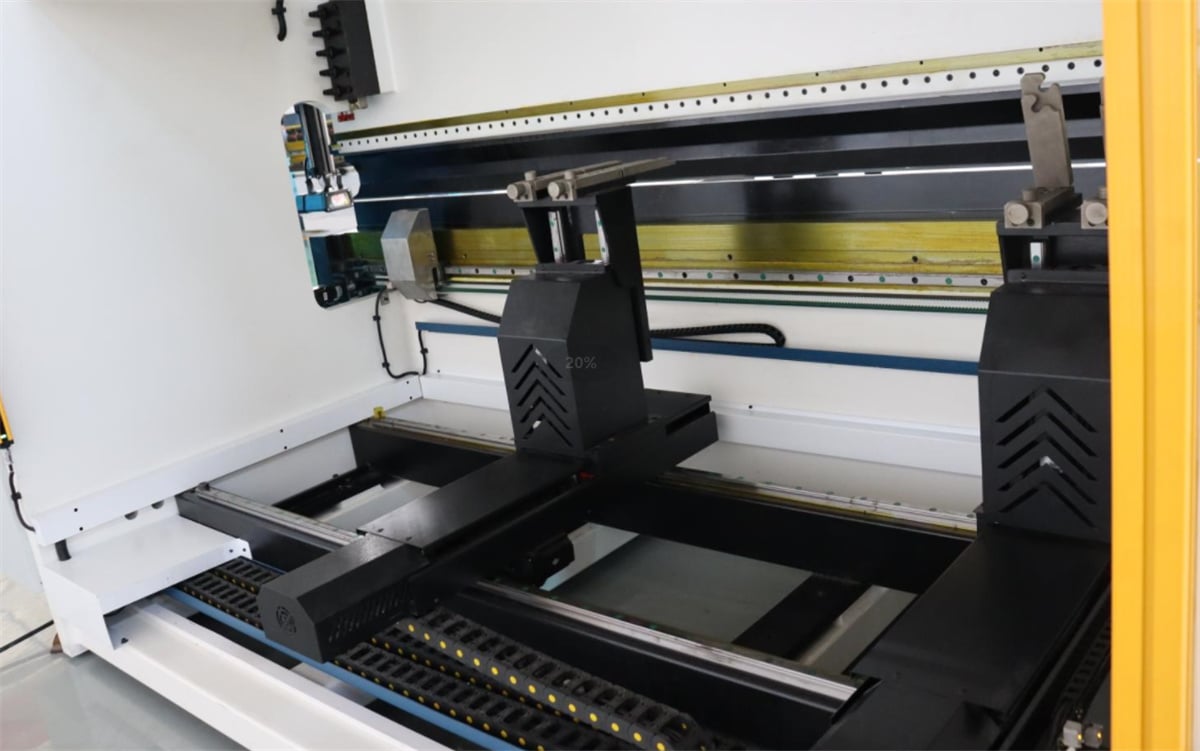
Its core advantage lies in "synchronization." During the bending process, positional deviation between the left and right ends of the ram is kept within a minimal range, preventing issues such as uneven bending angles or accelerated tool wear caused by a lack of synchronization. This advantage is particularly pronounced when working with thick or long metal sheets.
II. Technical Features of Servo-Driven Electro-Hydraulic Synchronous Press Brakes
First is high precision. Thanks to the combination of a servo system and electro-hydraulic synchronous control, the machine achieves a repeat positioning accuracy of 0.01 mm, with bending angle errors controlled within ±0.5°. This significantly improves consistency across a batch of workpieces and reduces the need for subsequent manual adjustments.
Second is high efficiency. Servo motors output power only when needed, making the system more energy-efficient than those with continuously running hydraulic pumps. Additionally, segmented speed control—featuring rapid descent, slow bending, and rapid return—shortens the processing cycle for individual parts, resulting in substantial efficiency gains during mass production.
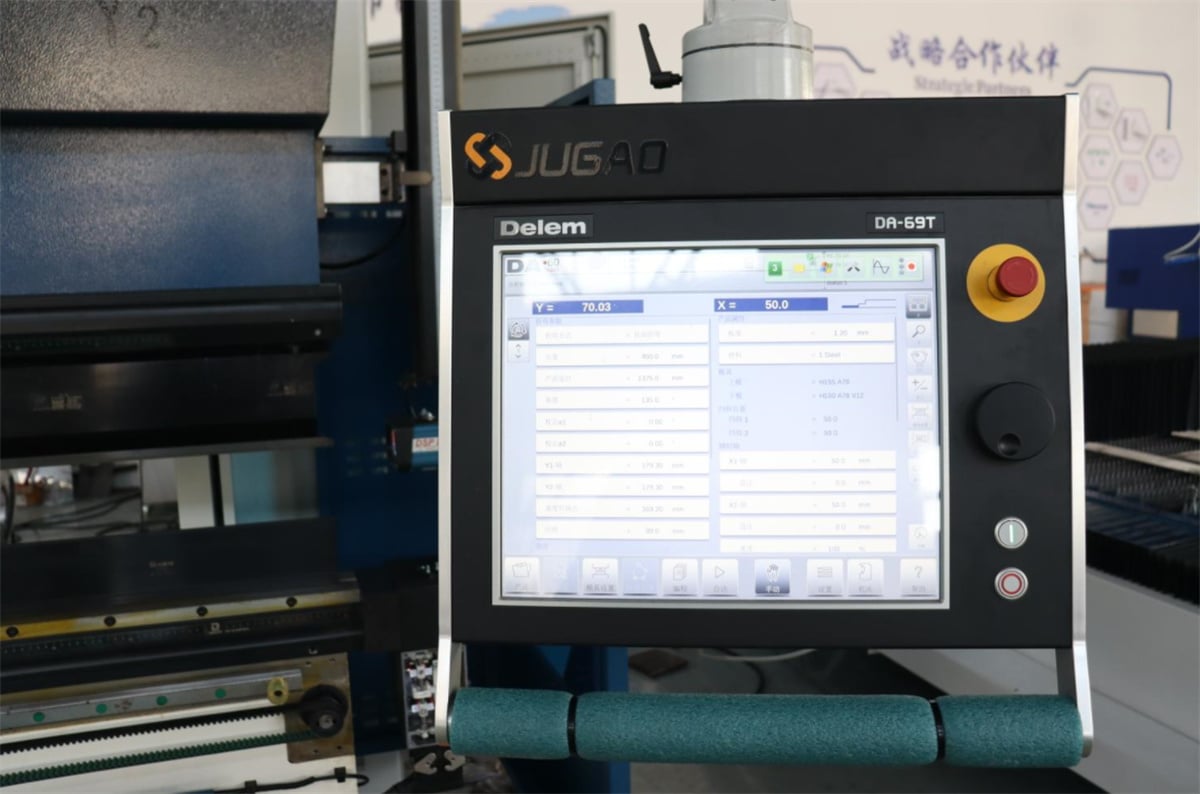
Third is intelligence. Modern servo-driven electro-hydraulic synchronous press brakes are typically equipped with touchscreen CNC systems that support features such as 2D graphical programming, automatic interference avoidance, and automatic deflection compensation. Operators simply need to input the sheet metal parameters and bending angles, and the equipment automatically generates the processing path, thereby reducing reliance on worker experience.
III. How to Choose the Right Electro-Hydraulic Synchronized CNC Press Brake
When purchasing an electro-hydraulic synchronized CNC press brake, one should consider three key dimensions. First is processing capability—including maximum bending force, maximum bending length, and applicable sheet thickness—which should be selected with a margin of safety based on the specifications of the workpieces typically processed. Second is the CNC system; mainstream systems vary significantly in terms of programming ease, expandability, and after-sales support, so priority should be given to mature, stable brands. Third is the machine structure; a fully welded frame and a table with mechanical compensation help maintain precision over the long term, rather than focusing solely on initial specifications.
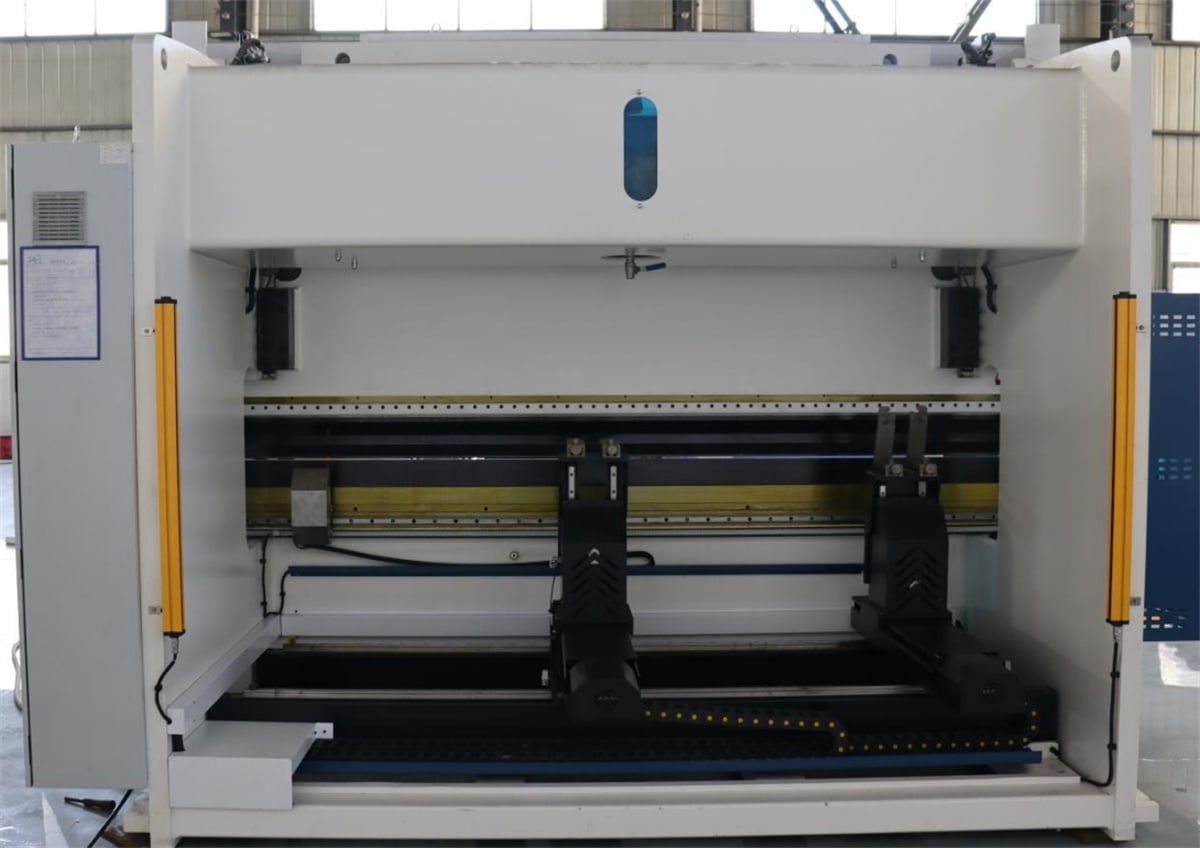
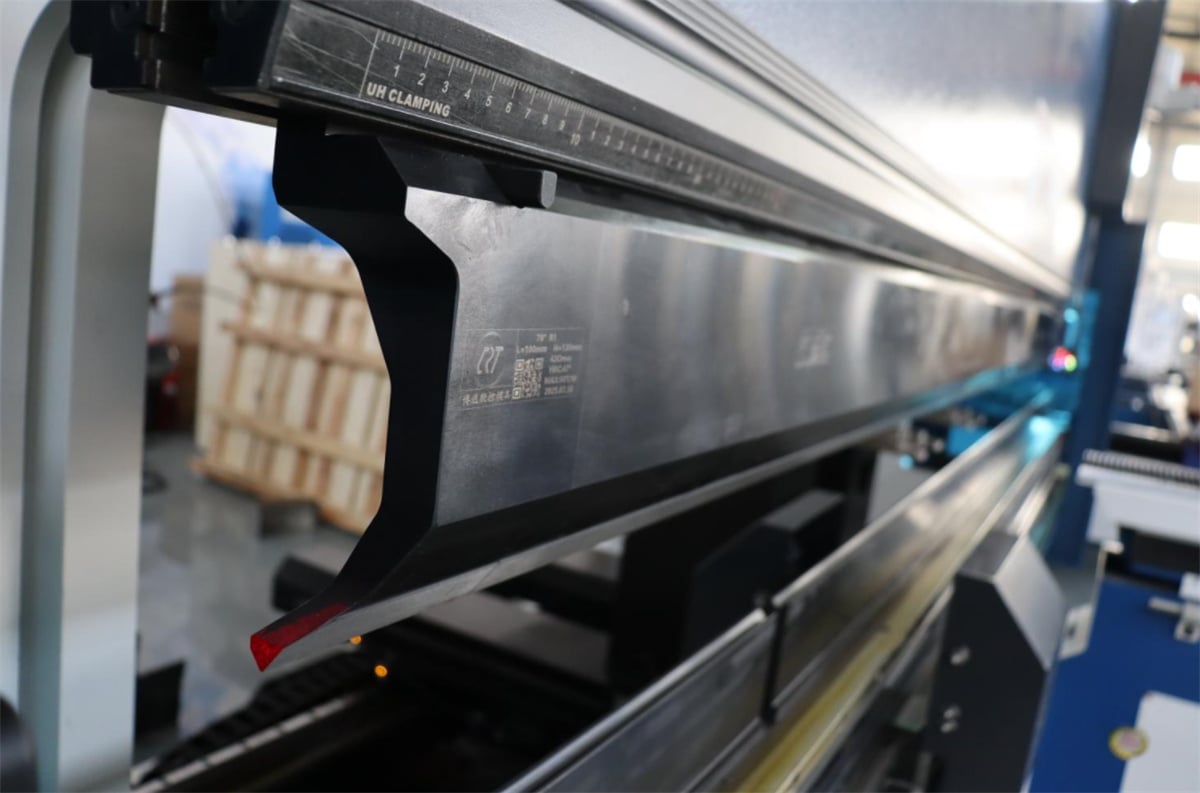
Additionally, tooling configuration is equally important. Standard tooling is suitable for general bending, whereas workpieces with special cross-sections require custom tooling. Features such as quick-change clamping mechanisms and support for multi-angle tooling directly impact the efficiency of tool changes.
IV. Application Prospects for Servo Electro-Hydraulic Synchronized Press Brakes
Servo electro-hydraulic synchronized press brakes have become standard equipment in typical applications such as new energy vehicle battery trays, photovoltaic mounting brackets, elevator components, and switchgear cabinets. These industries share common characteristics—large production volumes, high precision requirements, and complex workpiece shapes—placing rigorous demands on equipment stability and consistency.
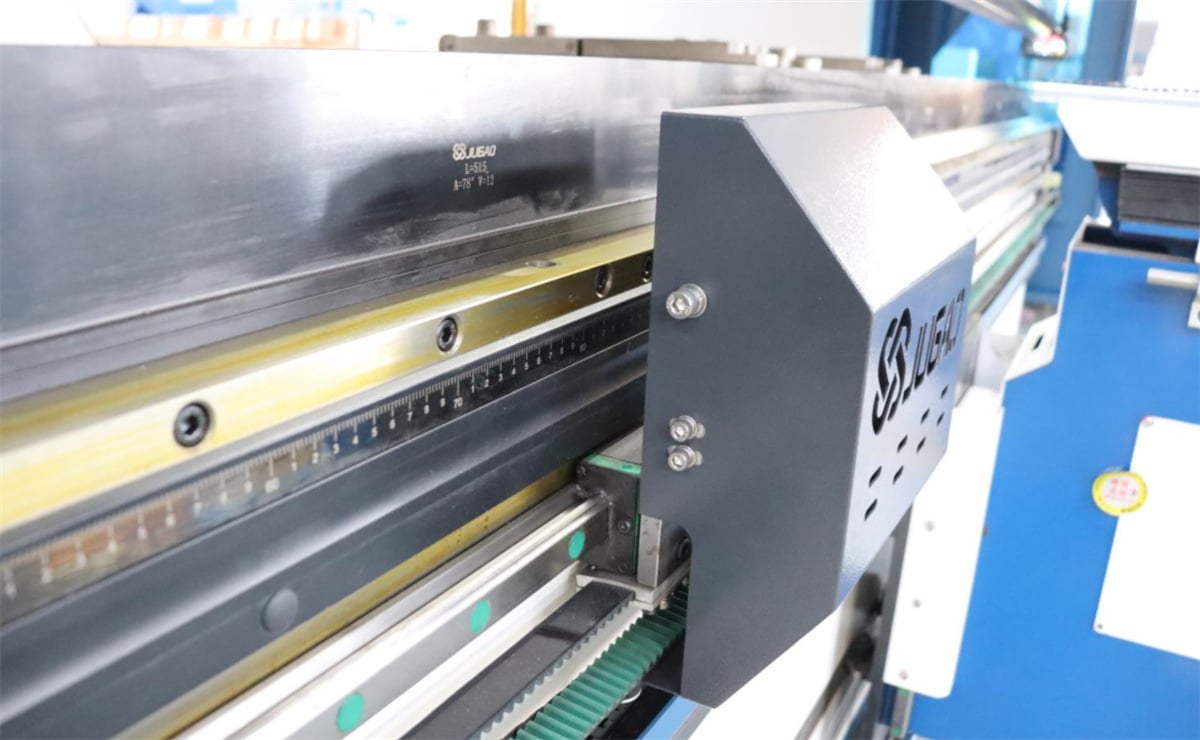
With the advancement of industrial automation, bending units are evolving into automated production lines. When paired with loading/unloading robots and intelligent material storage systems, servo electro-hydraulic synchronized press brakes enable continuous, unmanned production, further unlocking production capacity. This represents a key development direction for future sheet metal workshops.
Conclusion
Characterized by high precision, high efficiency, and intelligent capabilities, servo electro-hydraulic synchronized press brakes are reshaping sheet metal processing methods. For manufacturing enterprises seeking to improve processing quality and reduce labor costs, selecting a reliable electro-hydraulic synchronized CNC press brake is a crucial step toward enhancing competitiveness.

